Moonves Scandal May Pave the Way for CBS-Viacom Merger
*By Amanda Weston*
As CBS's embattled chief executive Les Moonves faces an uncertain future amid allegations of sexual misconduct, the prospects of a merger between his television network and Viacom may improve, said [Tim Baysinger](https://www.thewrap.com/cbs-board-moonves-investigation-meeting/), a reporter for The Wrap.
"If the end result of this is that Moonves is out, then it immediately puts the CBS-Viacom merger back on the table," Baysinger said in an interview Tuesday with Cheddar. "Or if CBS appears weak enough, if their stock price starts dipping even more, it makes CBS itself a potential takeover target."
CBS's board of directors [decided Monday](https://cheddar.com/videos/the-future-of-les-moonves-and-cbs-corp-succession-plans) to keep Moonves as CEO while an outside counsel conducts an "independent investigation" of allegations by six former female employees that Moonves coercively touched or kissed them and intimidated them with physical force.
The allegations against Moonves coincide with a legal battle between CBS and National Amusements, which controls the network's former parent company Viacom. Controlling shareholder Shari Redstone has been trying to merge CBS and Viacom, a move Moonves opposes.
Baysinger said the scandal may work in Redstone's favor if the allegations against Moonves erode his opposition, weaken his influence, or further hurt the network's stock price.
In the New Yorker article, writer Ronan Farrow said that Moonves's accusers are uninterested in corporate politics and came forward before the scuffle with Redstone over the Viacom merger.
[In a statement](https://www.newyorker.com/magazine/2018/08/06/les-moonves-and-cbs-face-allegations-of-sexual-misconduct), Moonves admitted fault, but also said that CBS has generally "promoted a culture of respect."
"I recognize that there were times decades ago when I may have made some women uncomfortable by making advances," he said. "Those were mistakes, and I regret them immensely. But I always understood and respected—and abided by the principle—that ‘no’ means ‘no,’ and I have never misused my position to harm or hinder anyone’s career."
CBS's board Monday said it was looking to hire an independent counsel to oversee the investigation into the allegations but that "no other action was taken on this matter."
Baysinger noted the company didn't expressly say Moonves is staying on, so the board can still take action.
For more on this story, [click here](https://cheddar.com/videos/cbs-viacom-merger-could-be-more-likely-after-moonves-scandal),
Ty Young, CEO of Ty J. Young Wealth Management, joins Cheddar to discuss Trump's moves as he returns to Washington D.C. and how it may affect the U.S. economy.
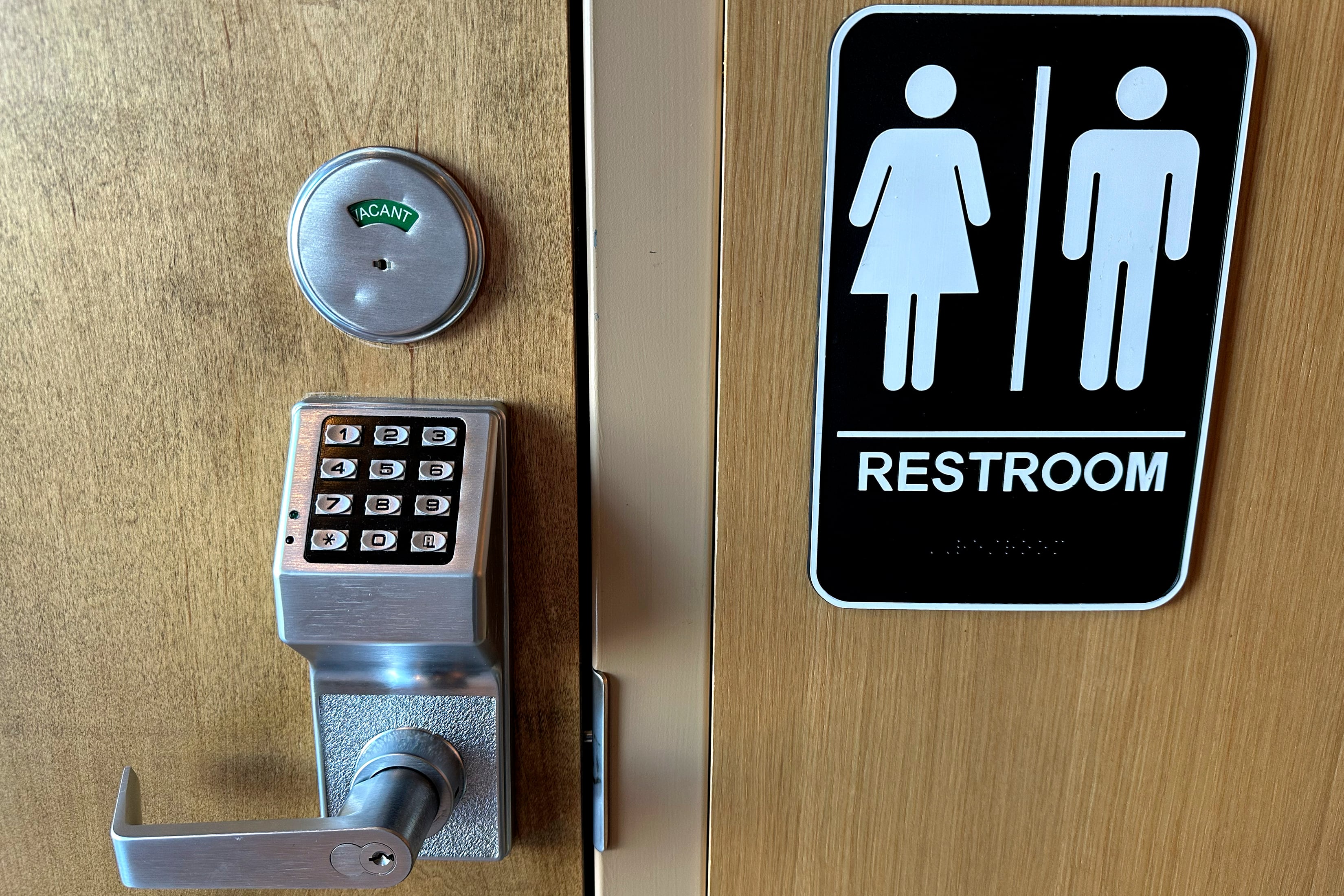
Starbucks’ decision to restrict its restrooms to paying customers has flushed out a wider problem: a patchwork of restroom use policies that varies by state and city. Starbucks announced last week a new code of conduct that says people need to make a purchase if they want to hang out or use the restroom. The coffee chain's policy change for bathroom privileges has left Americans confused and divided over who gets to go and when. The American Restroom Association, a public toilet advocacy group, was among the critics. Rules about restroom access in restaurants vary by state, city and county. The National Retail Federation says private businesses have a right to limit restroom use.
President Donald Trump is talking up a joint venture investing up to $500 billion for infrastructure tied to artificial intelligence by a new partnership formed by OpenAI, Oracle and SoftBank. The new entity, Stargate, will start building out data centers and the electricity generation needed for the further development of the fast-evolving AI in Texas, according to the White House. The initial investment is expected to be $100 billion and could reach five times that sum. While Trump has seized on similar announcements to show that his presidency is boosting the economy, there were already expectations of a massive buildout of data centers and electricity plants needed for the development of AI.
Chris Ruder, Spikeball Founder and CEO, explains how he and his friends put roundnet on the global map, plus, how Spikeball helps people "find their circle."
J.W. Roth, CEO of Venu Holding Corporation, discusses the company's IPO and plans to redefine live music entertainment with their fan founded, fan-owned model.
Variety's Clayton Davis discusses why more than just the 1% are struggling after the LA fires. Plus, how awards shows will pivot to help victims. Watch!
Emily Hosie, CEO of Rebelstork, explains the concept of Returns Recommerce, plus how her company raised $18M to address the industry-wide issue of returns.