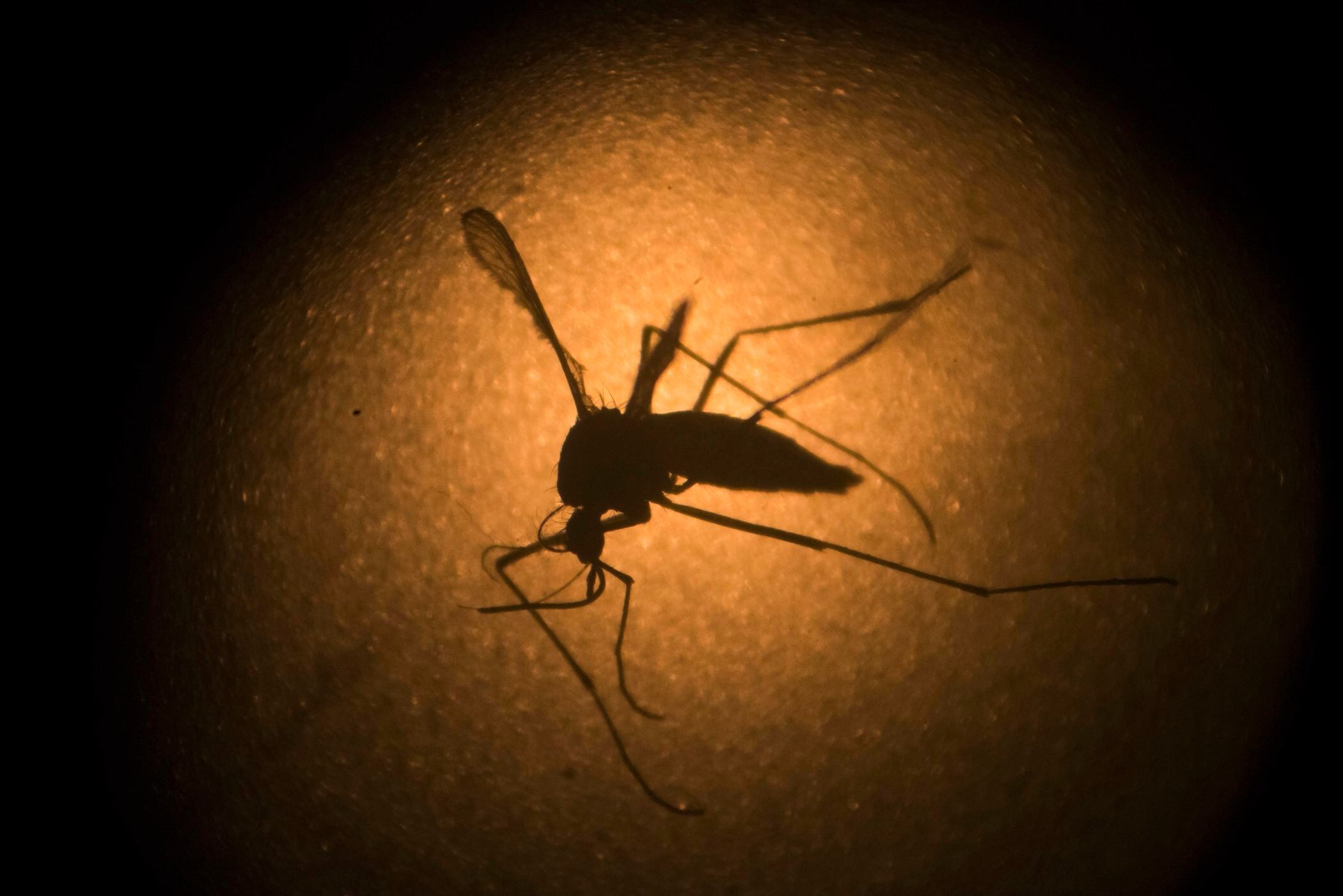
In this Jan. 27, 2016, file photo, an Aedes aegypti mosquito known to carry the Zika virus, is photographed through a microscope at the Fiocruz institute in Recife, Pernambuco state, Brazil. (AP Photo/Felipe Dana, File)
Genetically modified mosquitoes are being released in the Florida Keys in an effort to combat persistent insect-borne diseases such as Dengue fever and the Zika virus.
The Florida Keys Mosquito Control District and the Oxitec biotechnology company announced Thursday that release boxes, non-release boxes and netted quality control boxes are being placed this week in six locations: two on Cudjoe Key, one on Ramrod Key and three on Vaca Key.
Starting early next month, less than 12,000 mosquitoes are expected to emerge each week for approximately 12 weeks. Untreated comparison sites will be monitored with mosquito traps on Key Colony Beach, Little Torch Key and Summerland Key.
“We really started looking at this about a decade ago, because we were in the middle of a dengue fever outbreak here in the Florida Keys,” Florida Keys Mosquito Control District executive director Andrea Leal said during a video news conference. “So we’re just very excited to move forward with this partnership, working both with Oxitec and members of the community.”
Keys officials approved the pilot project last year involving the striped-legged Aedes aegypti mosquito, which is not native to Florida. The insect transmits several diseases to humans, particularly in the Keys island chain where dozens of cases of dengue fever were reported last year.
Oxitec’s non-biting male mosquitoes are expected to mate with the local biting female mosquitoes. The female offspring of these encounters cannot survive, controlling the Aedes aegypti population. The Aedes aegypti mosquito makes up about 4% of the mosquito population in the Keys but is responsible for virtually all mosquito-borne diseases transmitted to humans. This mosquitoes transmit dengue, Zika, yellow fever and other human diseases, and can transmit heartworm and other potentially deadly diseases to pets and other animals.
An earlier version of the genetically-modified mosquitoes was used in Brazil, but this is the first time they have been used in the United States.
“We’re an organization comprised of very passionate individuals working to develop solutions that can have a public health impact,” Oxitec CEO Grey Frandsen said. “We have people living in the Keys. We have spent a huge amount of time engaging with residents, with community leaders, with small businesses, and have seen the results of that.”
Some people worry about using genetically-modified organisms, or GMOs, that they believe could alter the planet’s natural balance. Barry Wray, director of the Florida Keys Environmental Coalition, has said that officials have no idea what the insects will do.
It’s also unclear whether the genetically-modified mosquitoes will be able to accomplish their intended task, said Max Moreno, an expert in mosquito-borne diseases at Indiana University who is not involved in the company or the pilot project. Moreno has said the lab-created males might have a difficult time competing with rivals that have gone through the natural selection process, in which only the fittest survive and mate.
The genetically-modified mosquitoes have been approved by the Environmental Protection Agency and the Florida Department of Agriculture and Consumer Services, officials said. It also has support from the U.S. Centers for Disease Control and Prevention. The project is being funded by Oxitec.
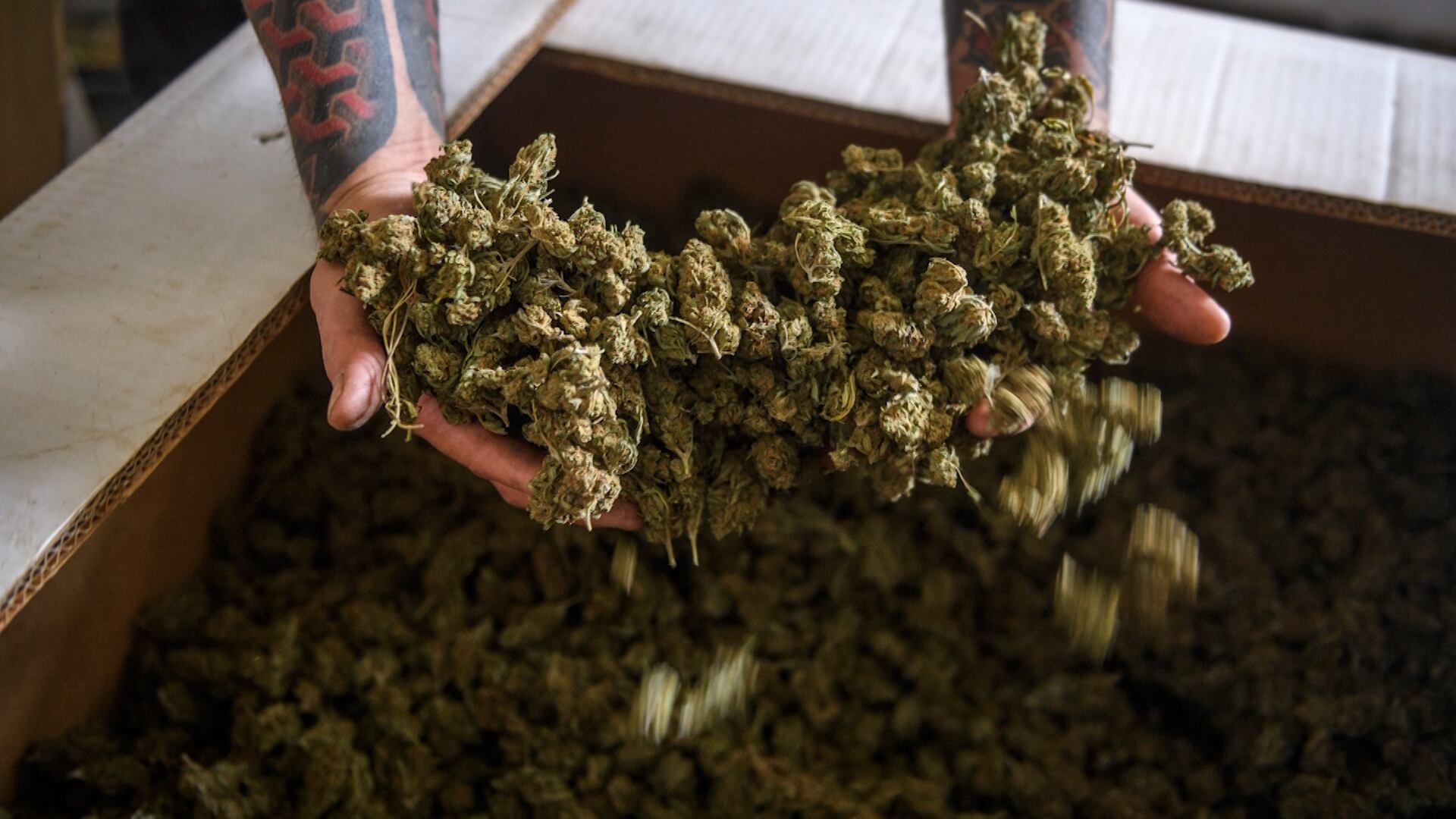
A new study has been causing a lot of buzz in the cannabis industry. Researchers from Oregon State University found that compounds in cannabis could prevent infection with COVID-19, but that doesn't mean smoking marijuana prevents people from getting infected. CV Sciences medical advisor Dr. Michael Lewis joined Cheddar News' Closing Bell to discuss.
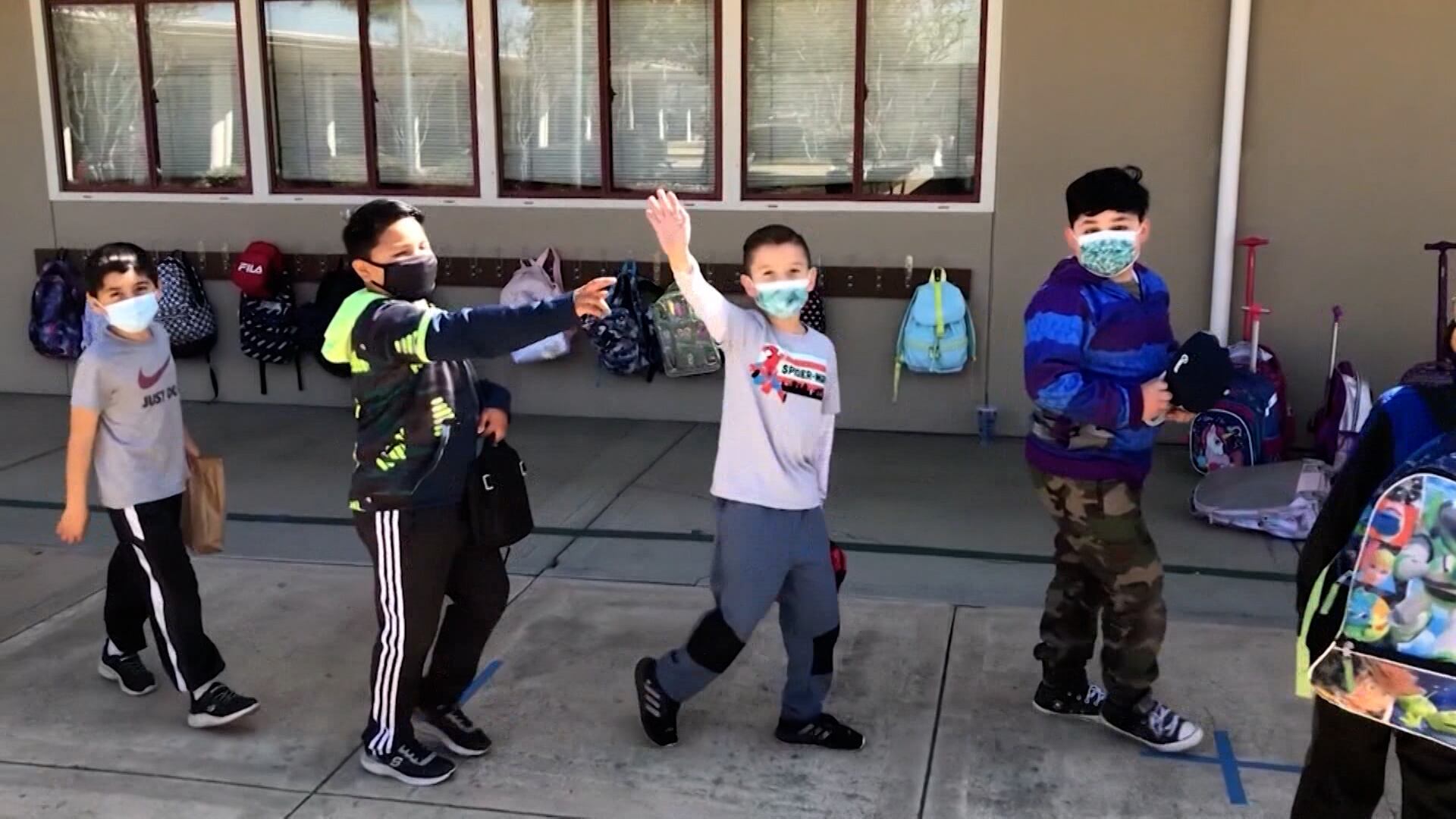
A new study published in "JAMA Pediatrics" looked at how staying home impacted the mental and physical health of students during the pandemic. The results from 11 different countries found across the board that children's mental health was affected, with increased depression and symptoms of anxiety. Cheddar News speaks with clinical psychologist Eileen Kennedy-Moore on how parents can best decide on whether to send their kids back to the classrooms during the surge of Covid-19 cases.
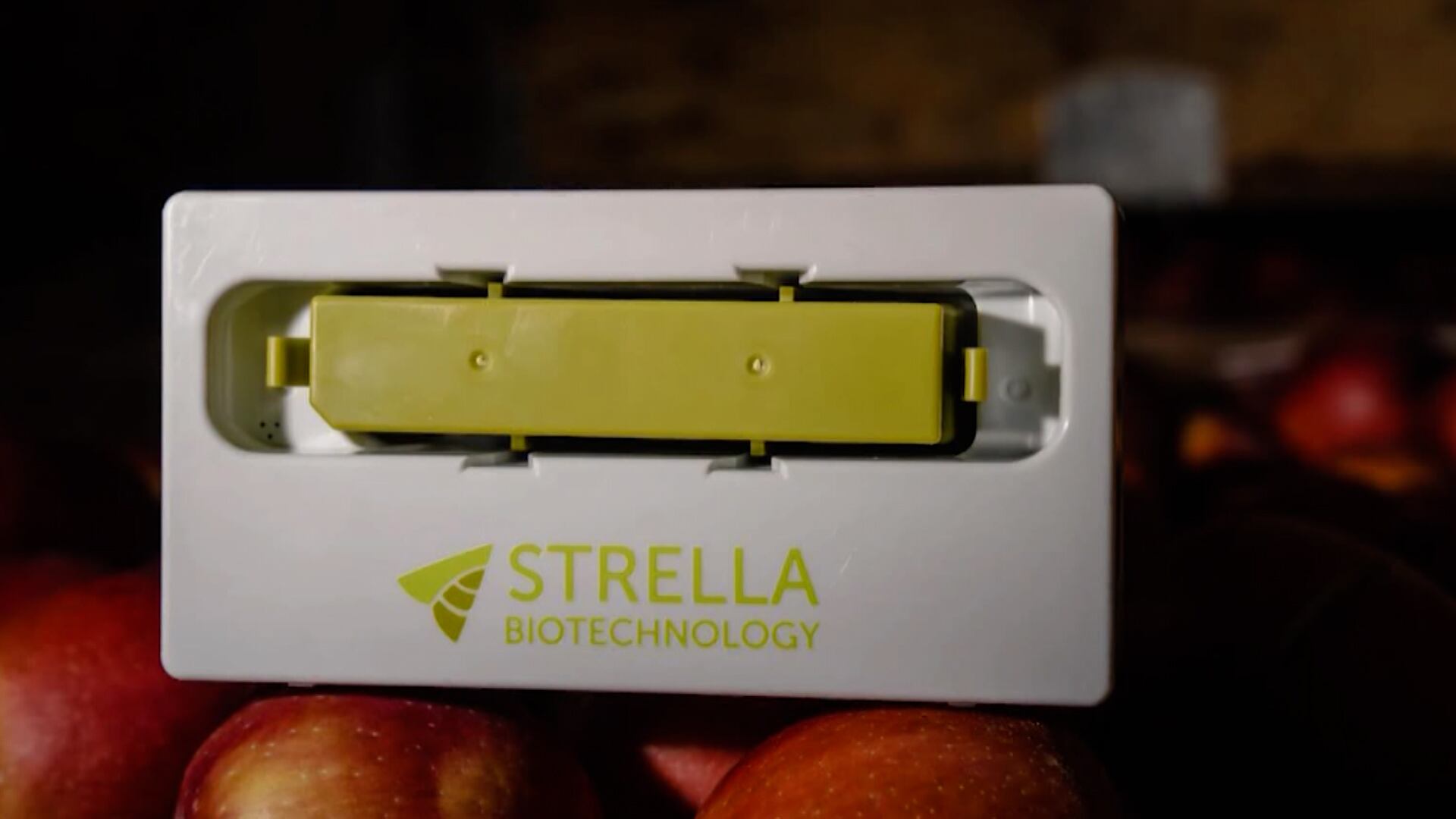
Food waste is a major contributor to greenhouse gas emissions in the United States. Strella Biotechnology is trying to solve the problem by introducing new technology to a business that's been around for generations -- farming. The 24-year-old CEO created hi-tech sensors that interpret the shelf life of produce and alert farmers when fruits and vegetables are ready to be sent to supermarkets. The company says the process can help farmers make money, reduce food waste and increase the quality of produce. Strella Biotechnology's co-founder and CEO Katherine Sizov and co-founder and COO Jay Jordan joined Cheddar Climate to discuss.
Adele Shraiman, Campaign Representative for the Sierra Club’s Fossil Free Finance Campaign, joins Cheddar Climate, where she explains how Wall Street and climate change are related. She also elaborates on how decisions made by financial institutions are actually hurting the ability to reduce carbon emissions.
Two reports from NASA and NOAA say that 2021 was the Earth's sixth-hottest year on record, part of a seven-year streak of the hottest years reported since the data has been recorded. Meanwhile, the U.S. experienced 20 separate billion-dollar climate-related disasters, including Hurricane Ida which cost $75 billion in its aftermath. These trends are moving upward at the same time. What could be in store for 2022? Chelsea Harvey, a reporter for E&E News, joins Cheddar Climate to discuss these federal reports, the monetary impact of climate disasters, and more.
Breakthrough Energy Catalyst, a private-public fund backed by Bill Gates, is planning to invest up to $15 billion in clean technology initiatives across the U.S., UK, and European Union. It will target four key areas and help fund large projects that otherwise would not be financially possible. Bobby Hollis, Director of Breakthrough Energy Catalyst, joins Cheddar News' Closing Bell to discuss.
Washington Post Climate Reporter Sarah Kaplan joined Wake Up With Cheddar to discuss a stark climate report that definitively shows the earth is getting warmer.
Chicago schools opened their doors again following a dispute between the teachers union and the city over as the omicron variant continues to surge, but the safety issues they fought over weren't just limited to the Windy City. Dr. Bayo Curry-Winchell, family medicine and urgent care doctor, joined Cheddar in discussing concerns of parents, teachers, and students as schools try to operate amid COVID and noted what she's been observing as the number of infections among children rises. "I am seeing them contract the illness from so many different aspects," she said. "It could be from a fellow classmate. It could be from a parent. All of those things really play in the effect of transmission as well as contracting the illness."
One startup is working to reverse climate change one seed at a time. Terraformation is a global forest accelerator that provides tools, training, financing, and business support to help scale forest restoration projects worldwide. Forests naturally absorb carbon and Terraformation says that reforestation is a safe, low-cost, and scalable solution to the climate crisis. Yee Lee, VP of growth at Terraformation, joins Cheddar Climate to discuss.
Dave Epstein, meteorologist and contributor to The Boston Globe, joins Cheddar News to discuss the arctic blast hitting the Midwest and Northeastern area.