Morgan Stanley is getting into the “robo-advice” business, where software manages funds instead of people. The service, Access Investing, is aimed at younger investors, and helps them put their money with the businesses they’re most interested in.
“Forty percent of our clients have chosen to invest in a theme, and the most popular ones [are] robotics and artificial intelligence,” Naureen Hassan, Chief Digital Officer for Wealth Management at Morgan Stanley, told Cheddar.
The financial firm rolled out its Access Investing division, which focuses on advising clients online, in December. Hassan says that her team has seen a lot of engagement with from people 45 and under.
Robo-advisers, or digital investment portfolios, are not very new. The field has competitors, such as Betterment or Wealthfront, that have been making strides in the sector.
But Morgan Stanley says it’s betting on its legacy to differentiate itself in the industry.
“We think it’s the Morgan Stanley investing expertise that really differentiates it,” Hassan said. “That’s why we are offering clients choice, it just isn’t only a passive portfolio, we believe in a mix of assets.”
The White House will host dozens of Silicon Valley executives on Thursday to discuss artificial intelligence, with a focus on how it could impact jobs in the future.
By reshuffling its management, Facebook may be trying to bring all of its different apps under one coherent vision, says Josh Constine, TechCrunch's editor-at-large. And its blockchain initiative could be a way to develop its own payment system.
The Google cheif Sundar Pichai opened the company's annual developer conference by addressing the burger emoji's misplaced cheese and the beer emoji's floating foam. It shows how seriously users take pictorial communication that Pichai would kick off his keynote by talking about emojis, says Jeremy Burge, chief emoji officer at Emojipedia.
The tech company announced on Monday that it will spend around $25 million over five years to support developers designing tools that will make lives easier for people with disabilities. "For the most part, this is just about possibility," says Rob Marvin, [associate features editor at PCMag.](https://www.pcmag.com/feature/360886/microsoft-build-all-the-news-you-need-to-know/)
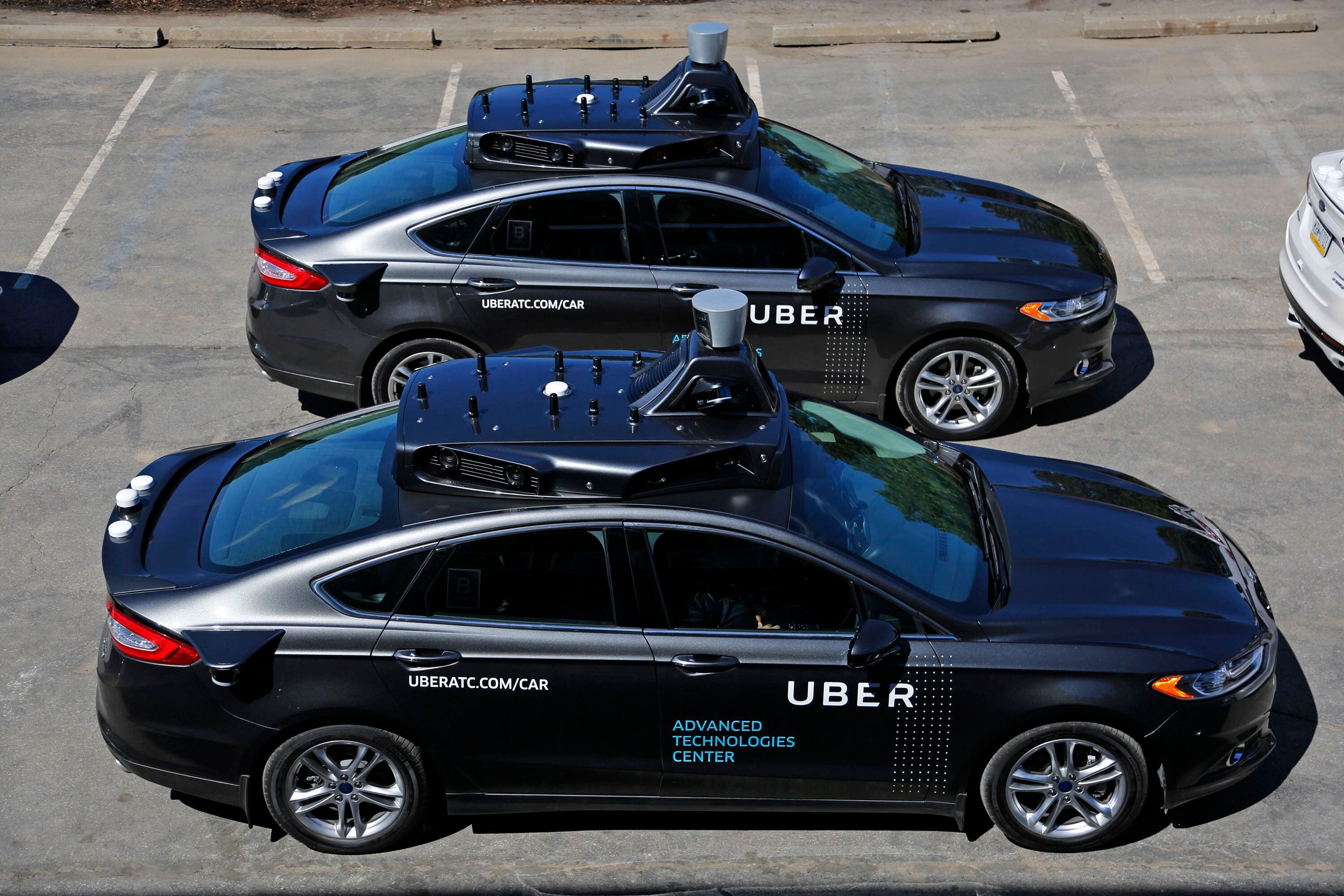
Uber said that its self-driving system was to blame when one of its cars killed a pedestrian in March. But the ride-hailing company is still pushing forward with autonomous technology development, with plans to launch driverless, flying taxis in the next few years. Those will start off piloted, and the company will coordinate with the Federal Aviation Administration to ensure safety, says Nikhil Goel, head of product and advanced programs at Uber.
The giant retailer last year launched Store 8, a tech incubator that will help Walmart innovate and compete in the future, says the founder of Jet.com and Walmart's head of e-commerce.
Rob Marvin, associate features editor for PCMag, discusses the biggest announcements from Microsoft's Build conference. Marvin weighs in on Microsoft introducing AI for Accessibility, an integration between its digital assistant Cortana and Amazon Alexa.
When it comes to robots, our threshold for errors is much lower than it is with humans, says Sam Lessin, co-founder of Fin, a digital assistant service that relies on human know-how to book your travel plans, shop online, or even schedule your appointments. To overcome users' skepticism, a virtual assistant must build trust through "repeated success," he says.
The modern customer likes renting clothes because it is environmentally friendly and offers more variety, says Evan Clark, Deputy Managing Editor at WWD. In the future, people will lean in on the idea of "having fewer, better things," he says.
E-commerce today exists primarily for speed and convenience. Jet.com wants to change that. "We really want to bring back the positive emotion that came with shopping all along," says David Echegoyen, the online retailer's chief customer officer.