Microsoft Explores New Ways to Pay, Fighting Off Amazon In-Store and In the Cloud
*By Alisha Haridasani*
Microsoft is reportedly exploring how to automate cashless check-out at brick-and-mortar retailers in a bid to challenge Amazon not just in-store but in the cloud.
The technology would track what shoppers add to their carts and bill them automatically after they walk out of a store, according to a [Reuters](https://www.reuters.com/article/us-microsoft-store-exclusive/exclusive-microsoft-takes-aim-at-amazon-with-push-for-checkout-free-retail-idUSKBN1JA0D5) report on Microsoft's plans. The tech giant is in talks with Walmart and other retailers about potential collaborations, the report said, citing people familiar with the effort.
Microsoft's effort to develop a new payment model comes almost five months after Amazon opened its first [Amazon Go](https://www.nytimes.com/2018/01/21/technology/inside-amazon-go-a-store-of-the-future.html) store in Seattle, where cameras and sensors track what shoppers pick up and then bills their online account, eliminating cashiers and the long lines that snake around them.
Microsoft is exploring a number of ways it can make this payment system work, including installing cameras in shopping carts instead of on shelves, as Amazon does, said Jeffrey Dastin, the Reuters technology correspondent who first reported the story.
"The reason that it has looked into this is, of course, that some of the technology that Amazon Go has introduced is a bit expensive," said Dastin. "This is a reaction to retailers not being so sold on the technology that Amazon has put forth and maybe this is a go-to-market strategy that's faster."
Amazon’s new technology, and the potential to put it to use in its Whole Foods stores ー the online retailer acquired the grocery chain last year ー has scared other grocers who fear the combination of online disruption of retail and in-store convenience will further eat into their business.
The challenge has prompted other players, including Walmart, to innovate their [online](https://cheddar.com/videos/jetblacks-competitive-advantage-time-savings-and-a-human-touch) and [in-store](https://cheddar.com/videos/walmart-upgrades-digital-services-to-boost-in-store-experiences) operations.
Microsoft's decision to develop this technology is driven by its ambitions to boost its cloud business, said Dastin. "What Microsoft essentially is doing here is becoming more than just an IT provider and becoming a strategic ally to retailers," he said.
The cameras and algorithms associated with the technology would ultimately use Microsoft's cloud business, but it would also provide retailers with data on consumers that can help them stay competitive, said Dastin.
"This is securing cloud revenue growth and at the same time securing long-standing relationships with a major vertical."
For the full interview, [click here](https://cheddar.com/videos/microsoft-developing-cashierless-tech).
Cloud-based AI-powered writing assistant Grammarly recently raised $200 million in a funding round that values the company at $13 billion. The funding will be used to help Grammarly achieve its goal of becoming more ubiquitous, as the company says it wants to be the go-to writing assistant for wherever people type. Grammarly also says it aims to solve what it calls one of the most critical problems facing people and businesses today -- ineffective communication. Grammarly global head of product Rahul Roy-Chowdhury joins Cheddar News' Closing Bell to discuss.
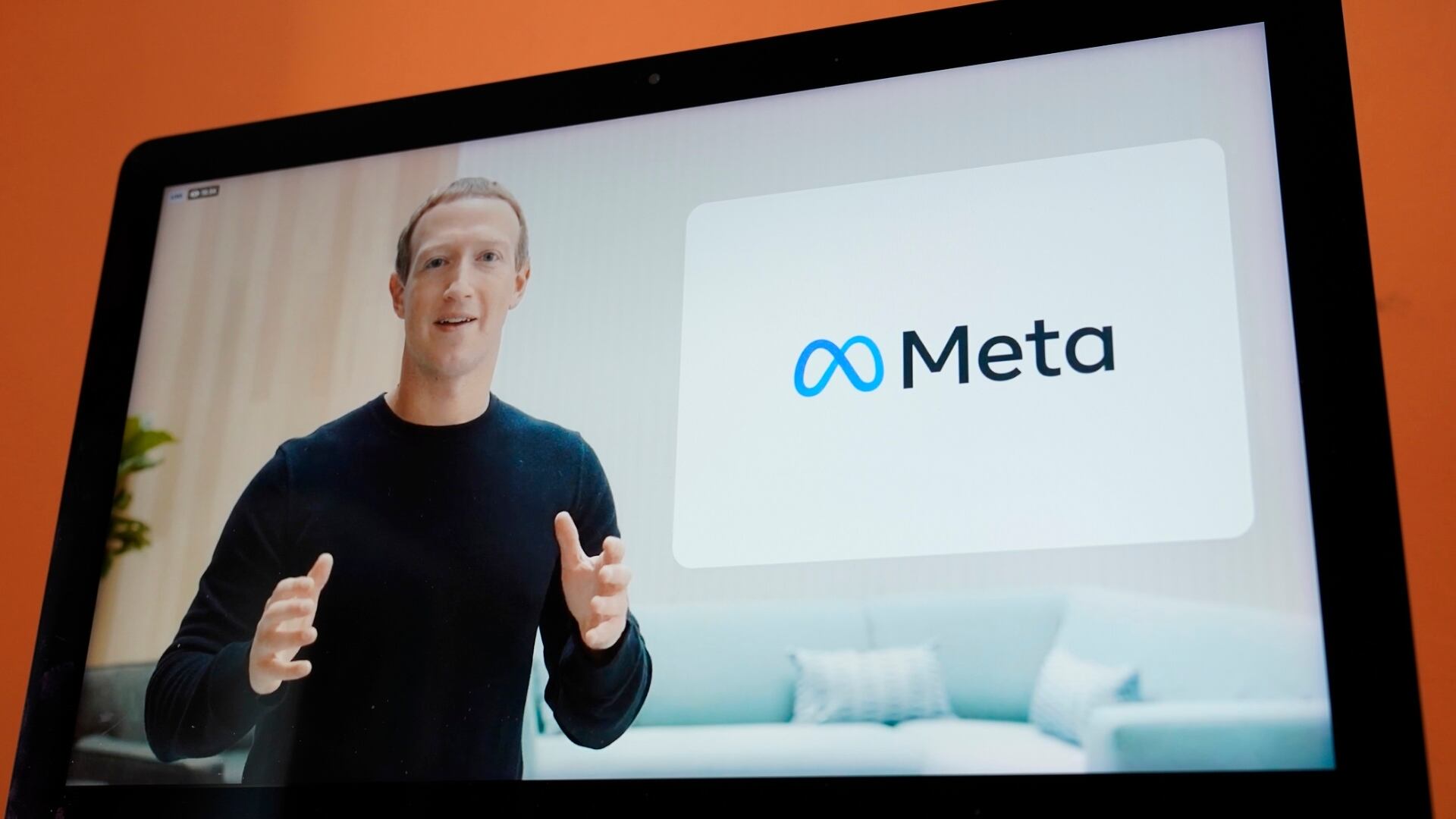
The Competition and Markets Authority in the UK moved to block Facebook parent company Meta from acquiring the image sharing platform Giphy after saying advertisers and consumers would be adversely impacted. Hatem Dhiab, managing partner at Gerber Kawasaki Wealth & Investment, joined Cheddar to break down the decision and noted that the CMA's order could also halt other big tech firms from making similar purchases in the future. "I think this is going to be true for Facebook, it's going to happen for other big tech companies — Amazon, perhaps Google, so it's interesting that the UK is starting this wave," he said.
Namita Dhallan, Chief Product Officer at Brightcove, joins Cheddar to discuss how artificial intelligence and machine learning are creating room for more personalization in video, and how these technologies are shaping the future of the video tech industry.
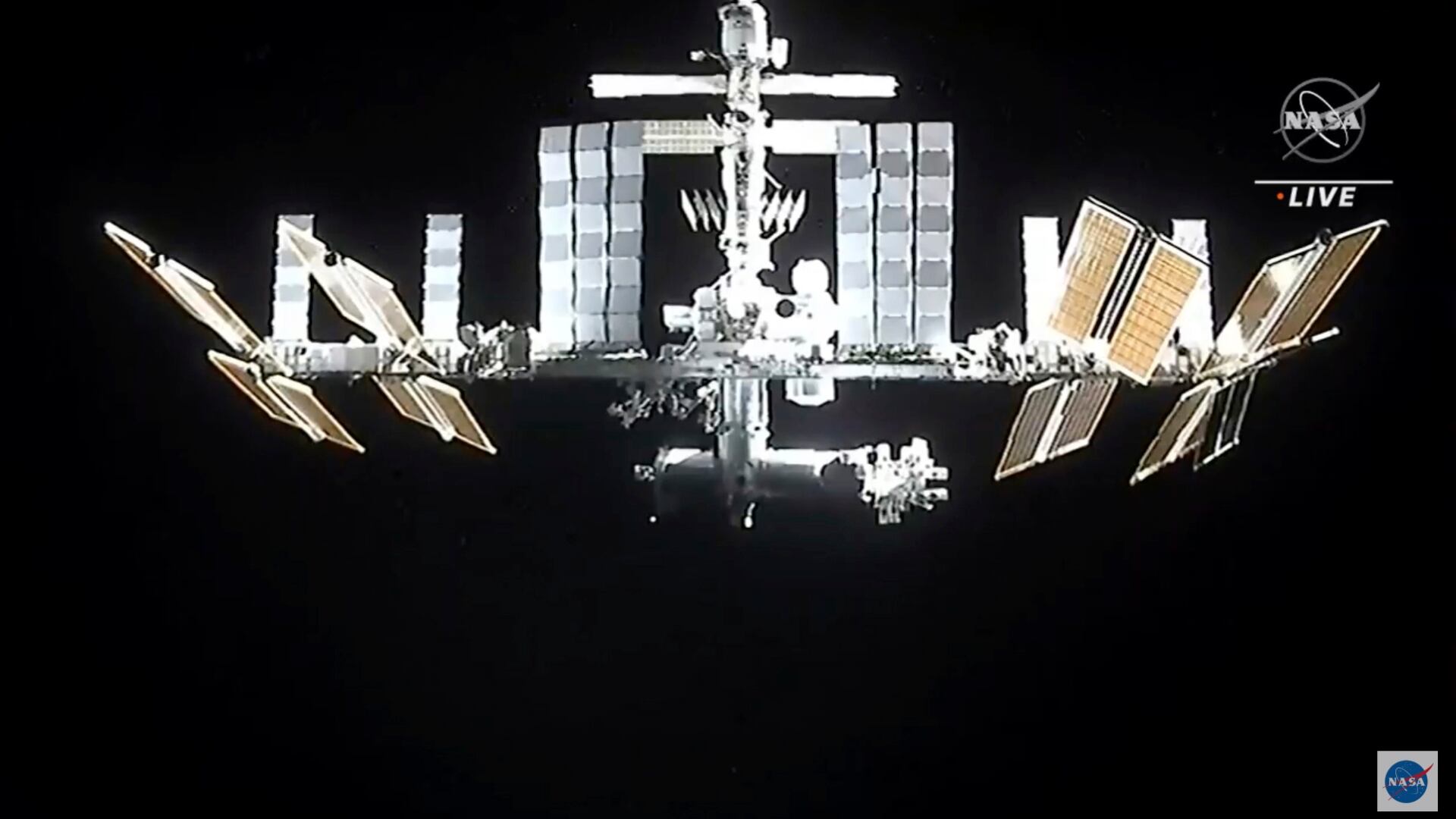
NASA indefinitely delayed a spacewalk to repair an ISS antenna, citing concerns about space debris. It was unclear if the warning from the space agency to astronauts aboard the ISS was related to the recent destruction of a non-functioning Russian satellite.
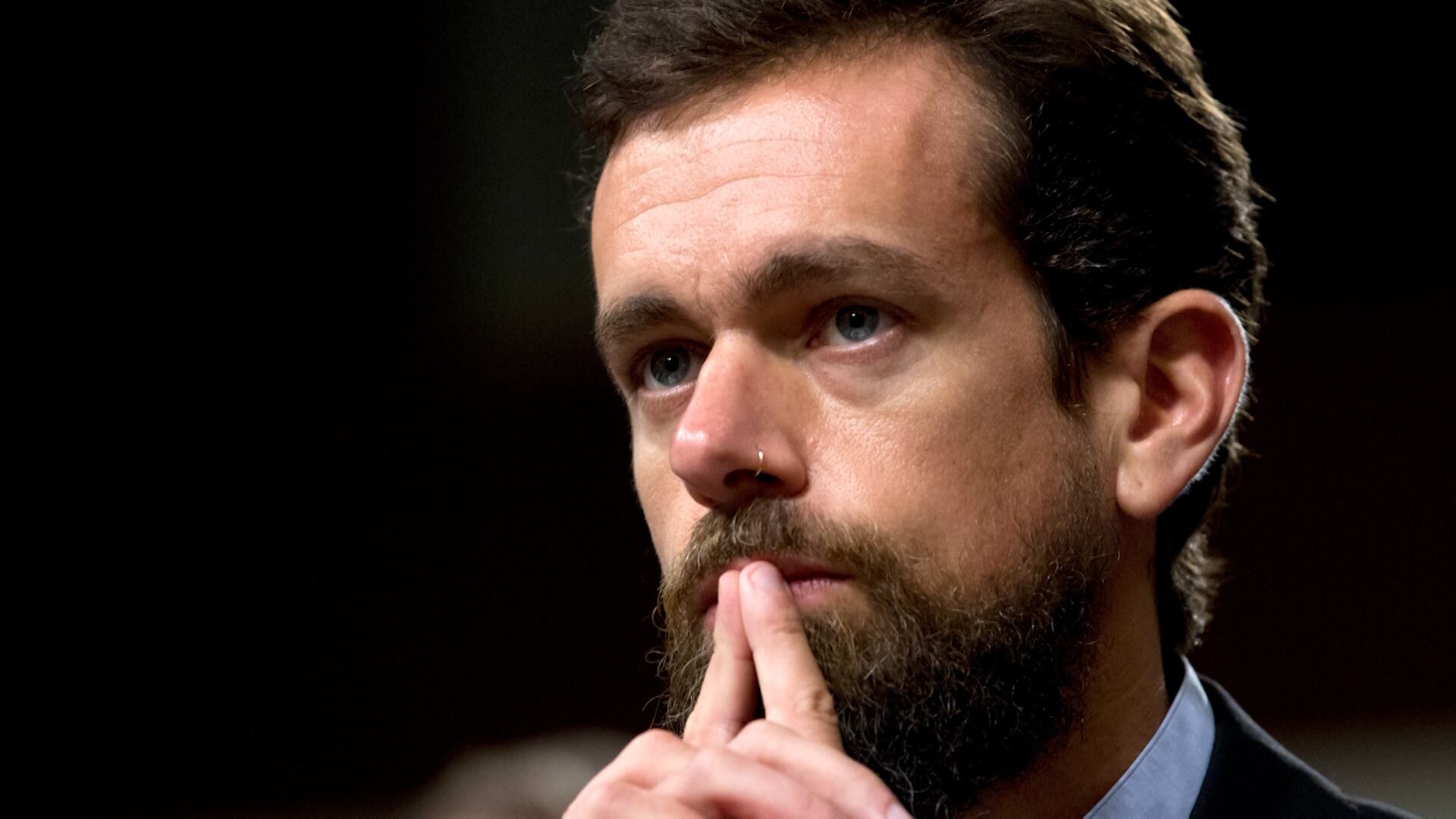
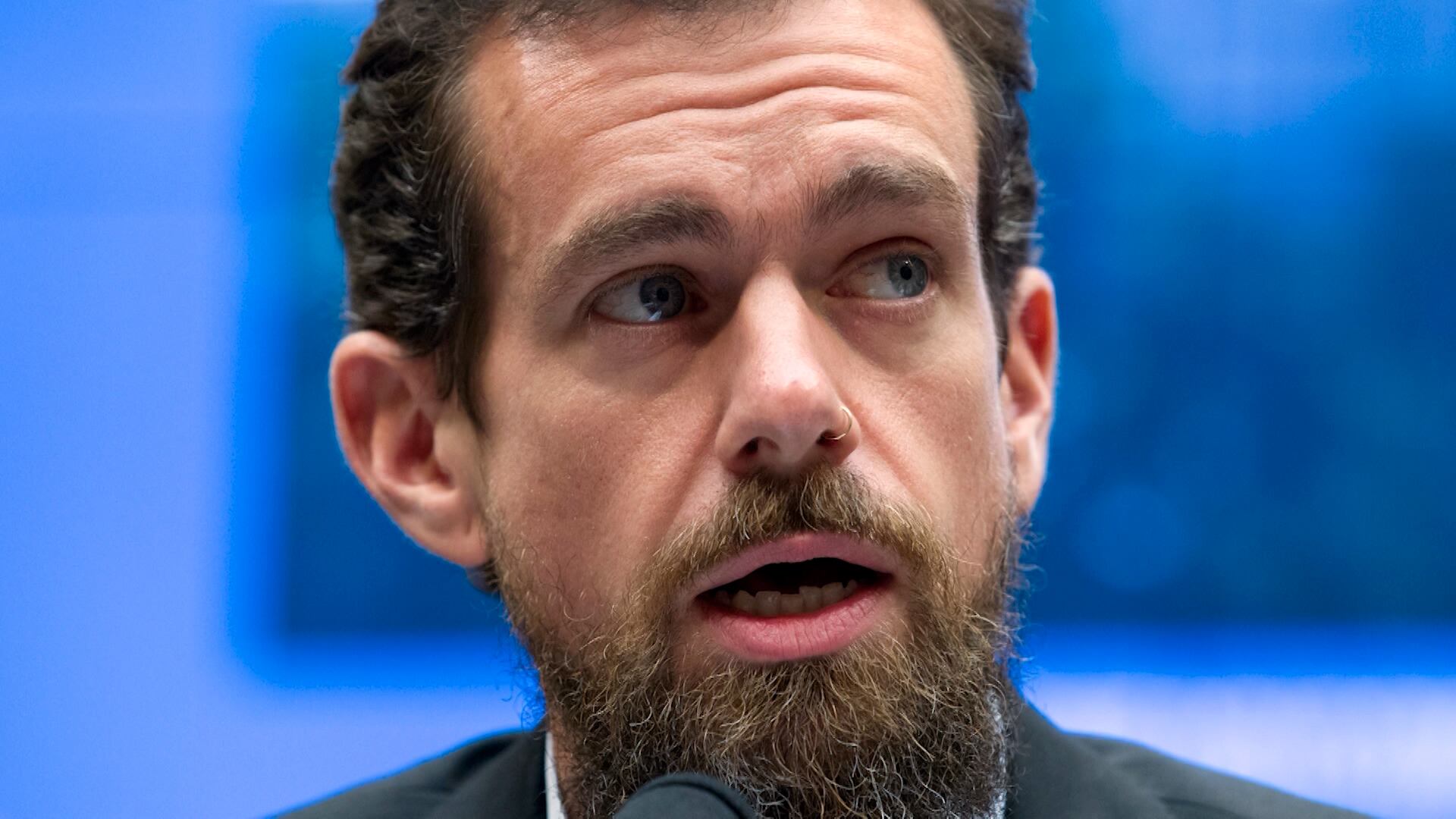
Jack Dorsey has officially stepped down as CEO of Twitter.
In a statement -- he says he is leaving because the company is ready to move on from its founders. Tom Morton, Global Chief Strategy Officer, R/GA joined Cheddar's Opening Bell to discuss the implications of the move.
Mike Proulx, VP and research director at Forrester, joined Cheddar to talk about what Jack Dorsey's departure from Twitter as CEO means for the social media platform. He noted that while Dorsey had been the face of the company, "he's been a part-time CEO" since also taking on the leadership position at Square. Stepping down from leading Twitter allows his replacement Parag Agrawal, the former CTO, to be a dedicated leader of the company. However, Proulx noted that Agrawal faces headwinds on policy and political ramifications that will come with the job.
The UK's Competition and Markets Authority blocked Facebook parent company Meta's acquisition of the image sharing platform Giphy, stating that the deal would harm UK advertisers and social media users. Meta responded and said that it is considering an appeal.
Jill and Carlo cover the latest developments with the Omicron variant that are spooking markets once again. Twitter's @Jack is leaving, SCOTUS takes up abortion rights and the world has a brand new republic.