Microsoft Explores New Ways to Pay, Fighting Off Amazon In-Store and In the Cloud
*By Alisha Haridasani*
Microsoft is reportedly exploring how to automate cashless check-out at brick-and-mortar retailers in a bid to challenge Amazon not just in-store but in the cloud.
The technology would track what shoppers add to their carts and bill them automatically after they walk out of a store, according to a [Reuters](https://www.reuters.com/article/us-microsoft-store-exclusive/exclusive-microsoft-takes-aim-at-amazon-with-push-for-checkout-free-retail-idUSKBN1JA0D5) report on Microsoft's plans. The tech giant is in talks with Walmart and other retailers about potential collaborations, the report said, citing people familiar with the effort.
Microsoft's effort to develop a new payment model comes almost five months after Amazon opened its first [Amazon Go](https://www.nytimes.com/2018/01/21/technology/inside-amazon-go-a-store-of-the-future.html) store in Seattle, where cameras and sensors track what shoppers pick up and then bills their online account, eliminating cashiers and the long lines that snake around them.
Microsoft is exploring a number of ways it can make this payment system work, including installing cameras in shopping carts instead of on shelves, as Amazon does, said Jeffrey Dastin, the Reuters technology correspondent who first reported the story.
"The reason that it has looked into this is, of course, that some of the technology that Amazon Go has introduced is a bit expensive," said Dastin. "This is a reaction to retailers not being so sold on the technology that Amazon has put forth and maybe this is a go-to-market strategy that's faster."
Amazon’s new technology, and the potential to put it to use in its Whole Foods stores ー the online retailer acquired the grocery chain last year ー has scared other grocers who fear the combination of online disruption of retail and in-store convenience will further eat into their business.
The challenge has prompted other players, including Walmart, to innovate their [online](https://cheddar.com/videos/jetblacks-competitive-advantage-time-savings-and-a-human-touch) and [in-store](https://cheddar.com/videos/walmart-upgrades-digital-services-to-boost-in-store-experiences) operations.
Microsoft's decision to develop this technology is driven by its ambitions to boost its cloud business, said Dastin. "What Microsoft essentially is doing here is becoming more than just an IT provider and becoming a strategic ally to retailers," he said.
The cameras and algorithms associated with the technology would ultimately use Microsoft's cloud business, but it would also provide retailers with data on consumers that can help them stay competitive, said Dastin.
"This is securing cloud revenue growth and at the same time securing long-standing relationships with a major vertical."
For the full interview, [click here](https://cheddar.com/videos/microsoft-developing-cashierless-tech).
The largest tech convention in the world kicks off this week. CES, organized by the Consumer Technology Association, will run from Wednesday Jan. 5 through Friday Jan. 7, featuring more than 2,000 exhibitors showing off their latest tech products in Las Vegas. Ian Sherr, editor at large at CNET, gives a first look at some of the biggest trends expected this year.
Verizon and AT&T have agreed to delay the launch of their 5G networks for two weeks following pressure from the Federal Aviation Administration, airline companies and even Transportation Secretary Pete Buttigieg. The aviation industry is concerned the 5G rollout could bring technical challenges or safety concerns on top of the current disruptions they're already dealing with from COVID and severe weather. Hugh Odom, founder and president of Vertical Consultants and former AT&T attorney, discusses how the Biden administration was able to come to this agreement with the wireless carriers.
Angelo Zino, Senior Industry Analyst & Vice President at CFRA Research, breaks down the tech giants' valuation milestone and discusses the areas of Apple's business that could see further growth.
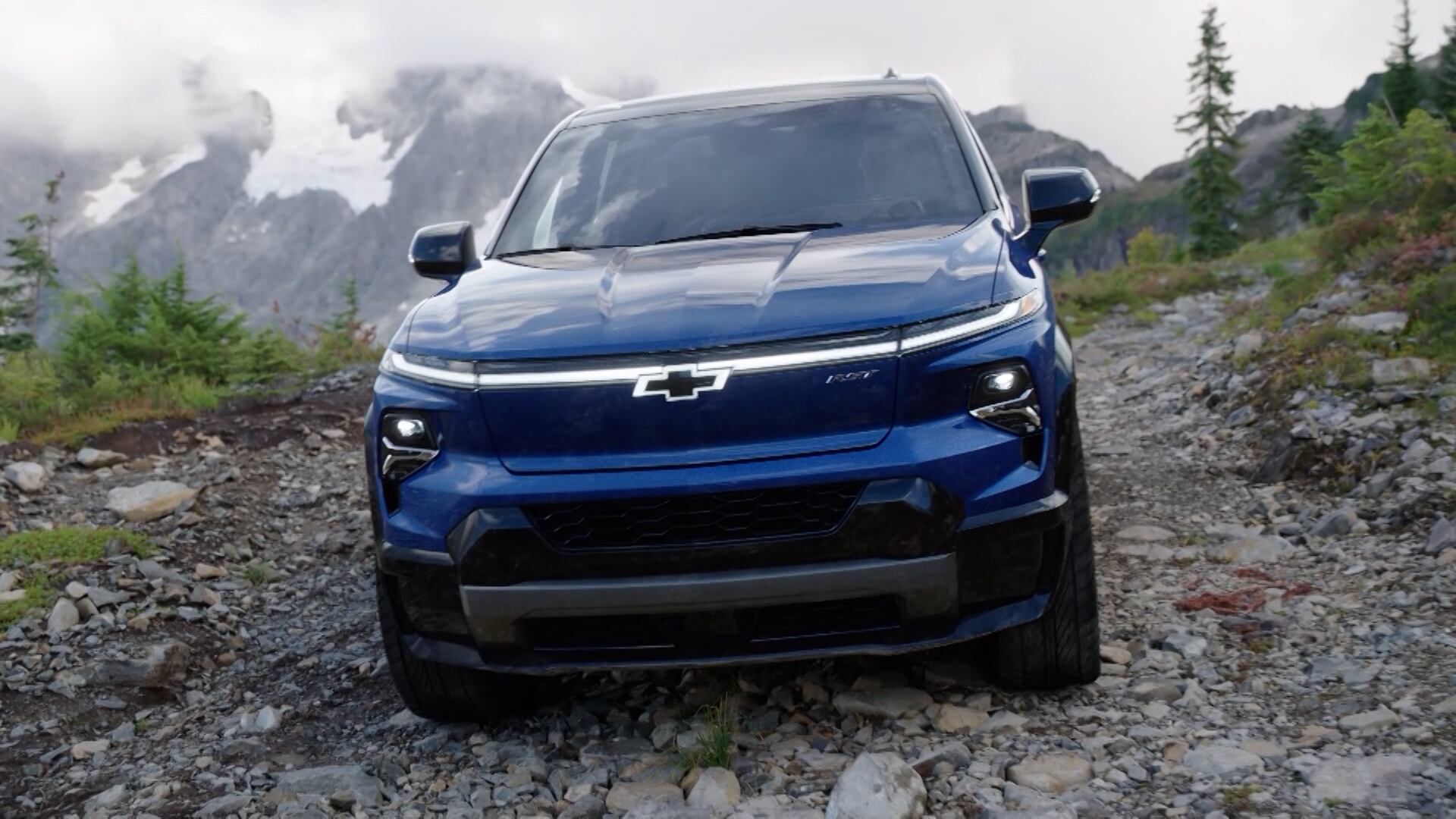
General Motors rolled out the newest addition to its EV fleet with the all-electric Silverado pickup truck. Deborah Wahl, chief marketing officer at GM, joined Cheddar to talk about the latest EV offering and how it matches up to its past gas-powered versions. She said she expects demand to soar after the "first-level truck" sold out in just 12 minutes and talked about steps GM plans to take to regain its title as top U.S. auto seller after being dethroned by Toyota in 2021 with emphasis on the EV market. "I think this is an exciting new inflection point for the market overall, for [an] idea of an all-electric future, and certainly shows that we're extremely committed to the idea of everybody in an electric vehicle," said Wahl.
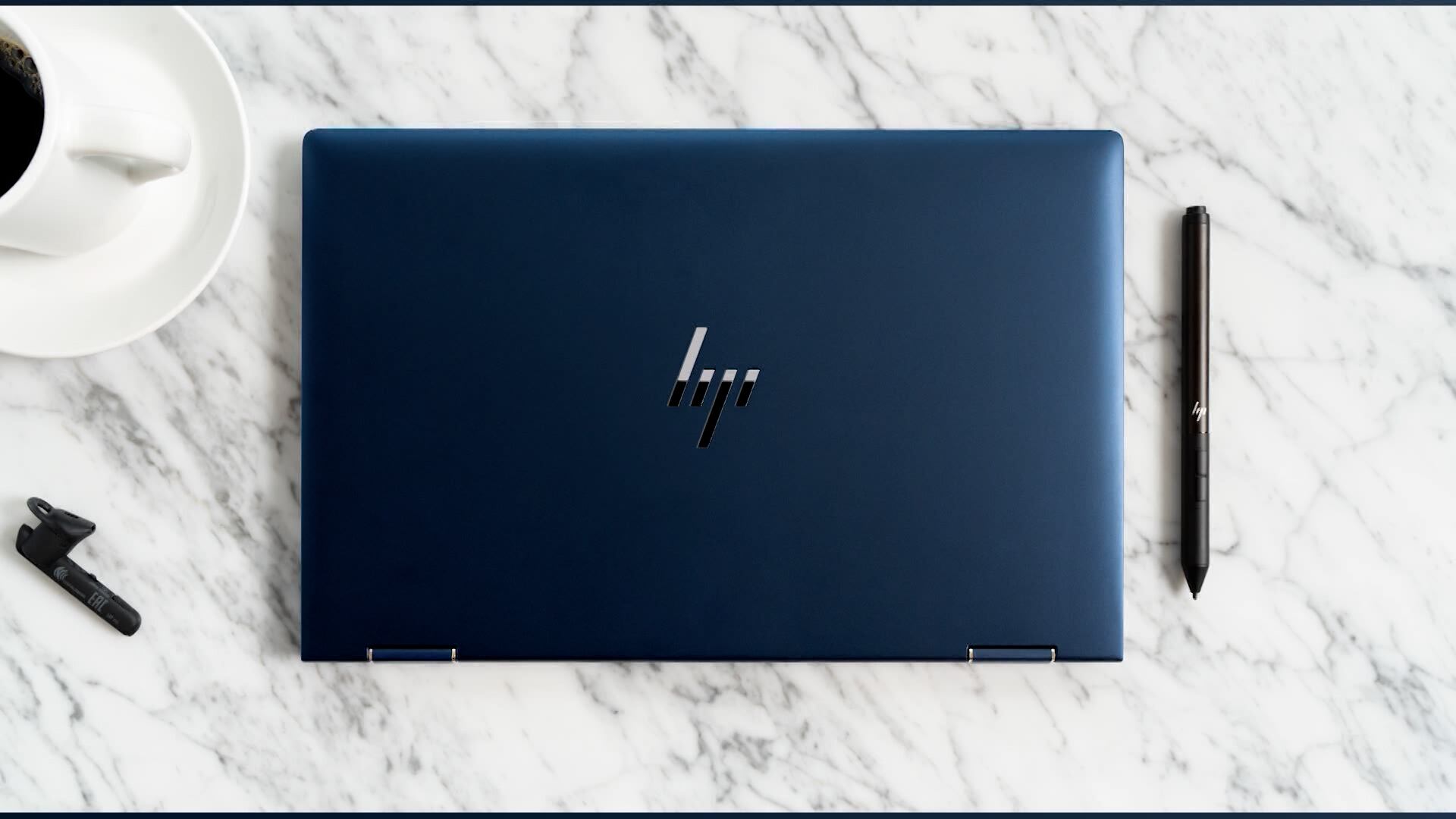
With the annual CES convention underway amid COVID, HP unveiled rolled out a number of new products virtually this year, including new gaming PCs and 4K display monitors. But as industries look toward a greener future, HP is working with the climate crisis in mind. James McCall, chief sustainability officer at HP, joined Cheddar's Kristen Scholer to discuss the company's climate goals, which includes reducing its carbon footprint to net-zero by 2040. He admitted that reaching the ambitious goal will be difficult because much of the company's emissions totals come from third parties. "A large part of our footprint is outside of HP's direct control. A lot of it comes either from our incoming supply chain, the materials, our manufacturing process, or about 30 to 40 percent of it comes from our consumer-use base," McCall told Cheddar.
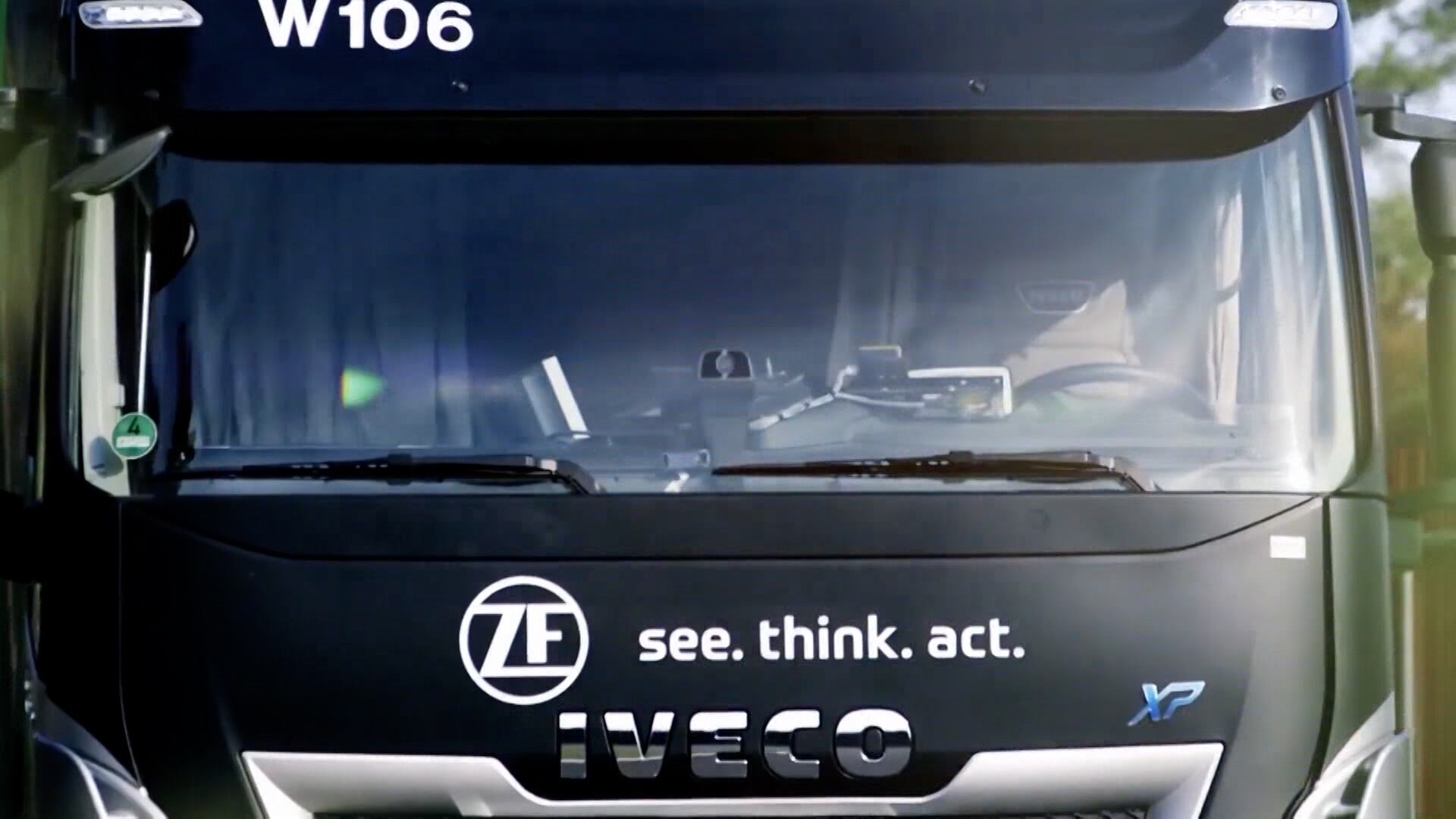
Martin Fischer, president of technology supplier for cars and commercial vehicles ZF North America, joined Cheddar to discuss the company's solutions for next-generation mobility in autonomous vehicles and its plans to usher in the next phase of electric vehicles. He also talked about the rising demand for self-driving technology on a global scale. "Whereas we are really active also there for passenger cars and commercial vehicles, what we showcase at CES now virtually is our autonomous shuttles," he said. "So, what that means is we bring these vehicles to busy city centers and can take traffic levels down."
Steve Patton, EY Americas Mobility Sector Leader, joins Cheddar News to discuss what can be done to speed up the adoption of EVs, and how infrastructure can be scaled up to support this transition.