Microsoft CMO Says Rivalry With Apple Is a Thing of the Past
*By Alisha Haridasani*
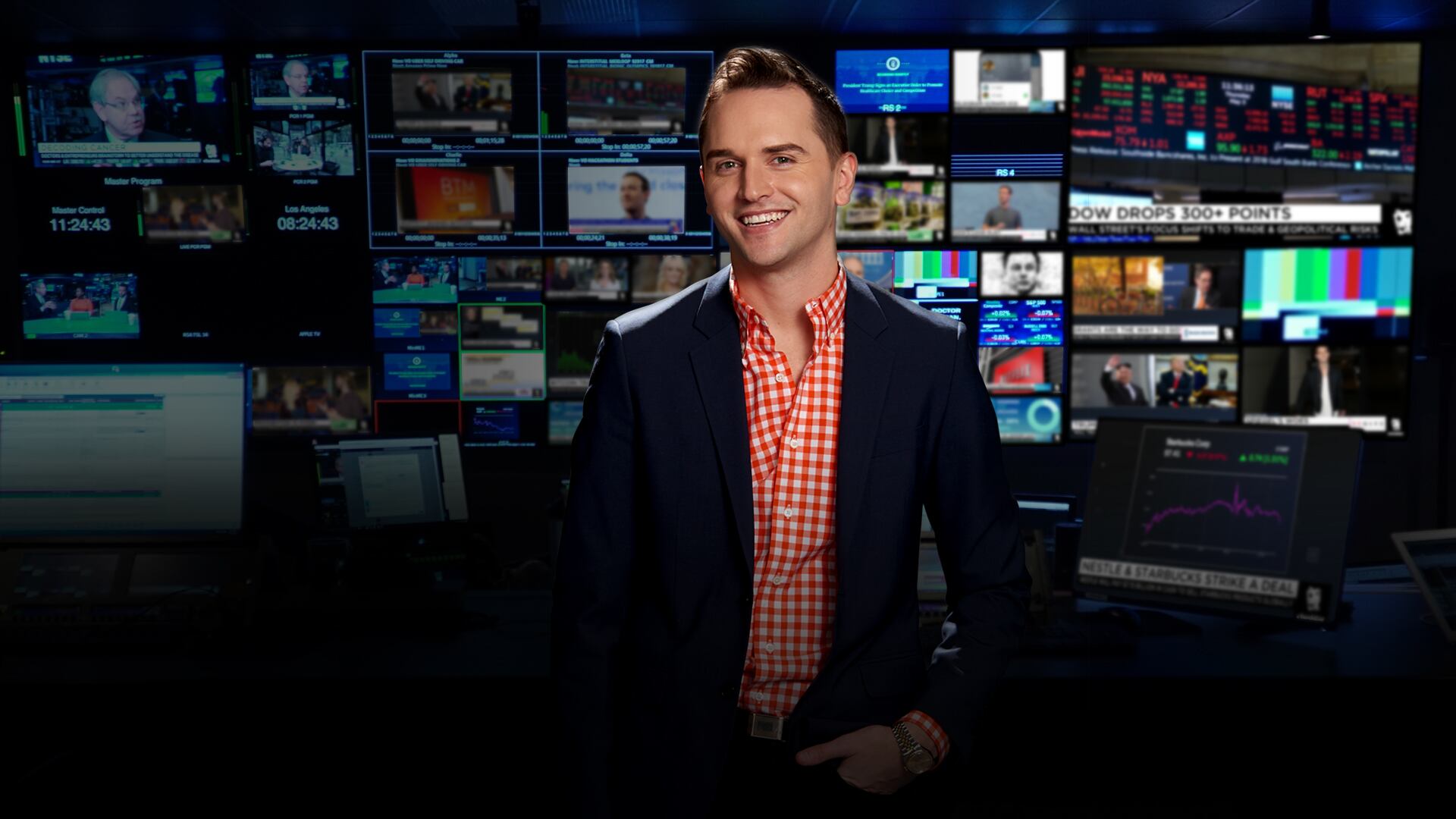
The eternal rivalry between Microsoft and Apple may actually be over, said Microsoft’s chief marketing officer Chris Capossela.
“We’ve moved away from that competitive focus that I think we’ve had in the past,” said Capossela. “We need to bring our products on the platforms that our customers are using. So Office on the iPad or iPhone, Minecraft on every platform, that’s just a natural thing for us to do.”
In an interview Wednesday with Cheddar, Capossela said the traditional tech rivalries don't make much sense any more, and he cited the example of another competitor, Google, which uses Microsoft’s VS code developer tool. “The high tech industry is full of these paradoxes,” he said.
Steve Jobs, Apple's co-founder, and Microsoft's longtime leader Bill Gates had a love-hate relationship for years during which they sometimes helped each other while also trying to outdo the other. In 1994, Apple sued Microsoft for copyright infringement, putting the two companies at loggerheads. Three years later, Gates stepped in to help save Apple from the brink of bankruptcy.
Caposella said that Microsoft's current CEO, Satya Nadella, has presided over a cultural shift that reflects a more self-aware approach, focusing on what Microsoft does for "our own fans," not obsessively trying to best Apple or others by competing for the same users.
The company differentiates itself from competitors by marketing itself as the company for professionals.
“Millennials tell us that when they think of ‘adulting,’ they think of Microsoft and we love that,” said Capossela. The approach has helped Miscrosoft grow after years of stagnation, he said.
Microsoft was scheduled to release its earnings report on Thursday, and Wall Street was expecting continued revenue growth driven mostly by software, including Office 365 and Azure.
For full interview, [click here](https://cheddar.com/videos/marketing-microsoft).
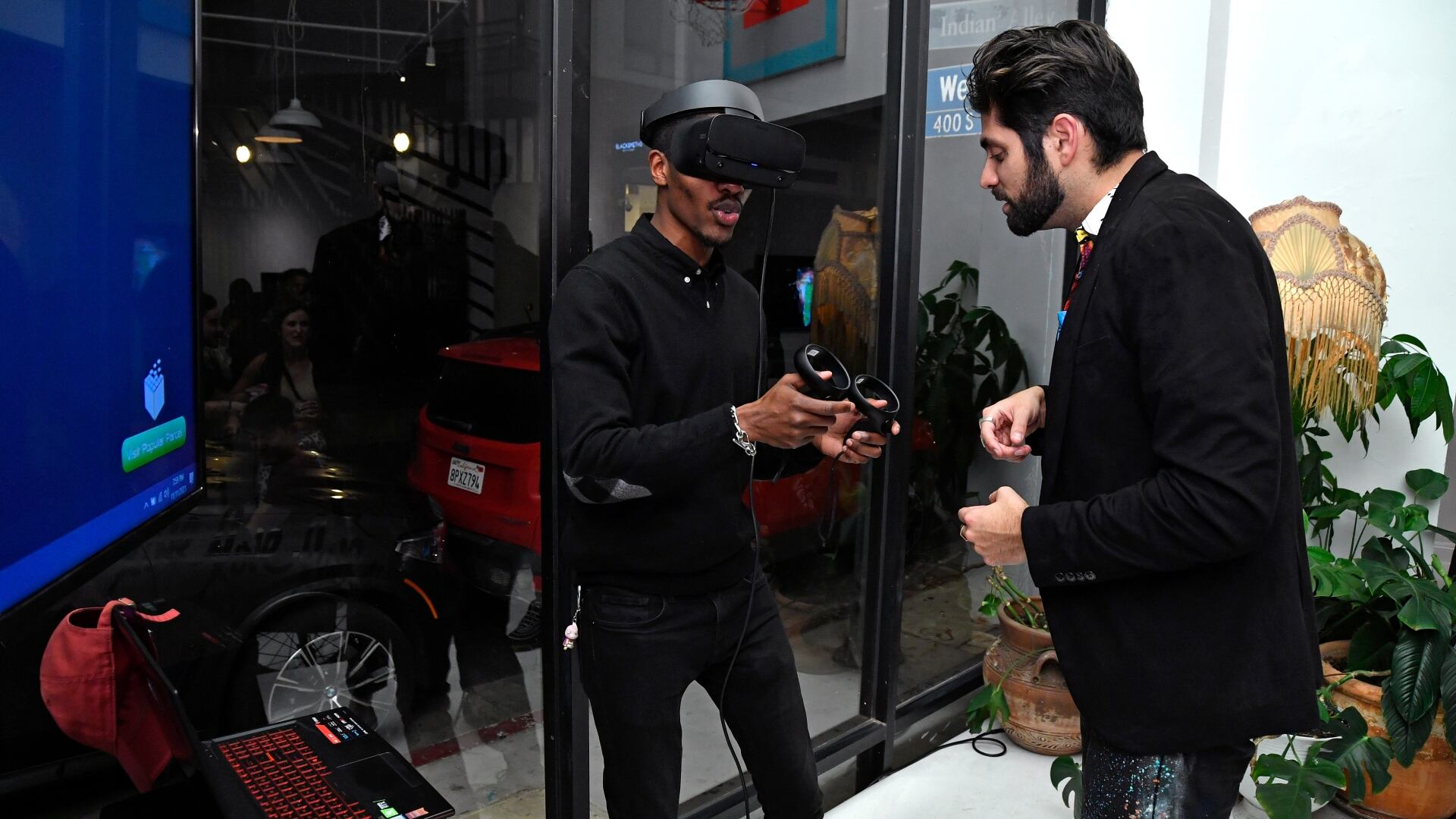
Roundhill Investments is investing in the metaverse, and it wants consumers to as well. The firm launched a metaverse exchange-trade fund called Meta back in June - the first ETF in the U.S. targeting investments in the next era of the internet. The fund's launch came months before the company formerly known as Facebook changed its name to Meta Platforms. Since the launch of Roundhill Investments' Meta ETF, it has grown significantly, reaching $500 million in assets. Roundhill Investments Vice President Mario Stefanidis joined Cheddar News to discuss.
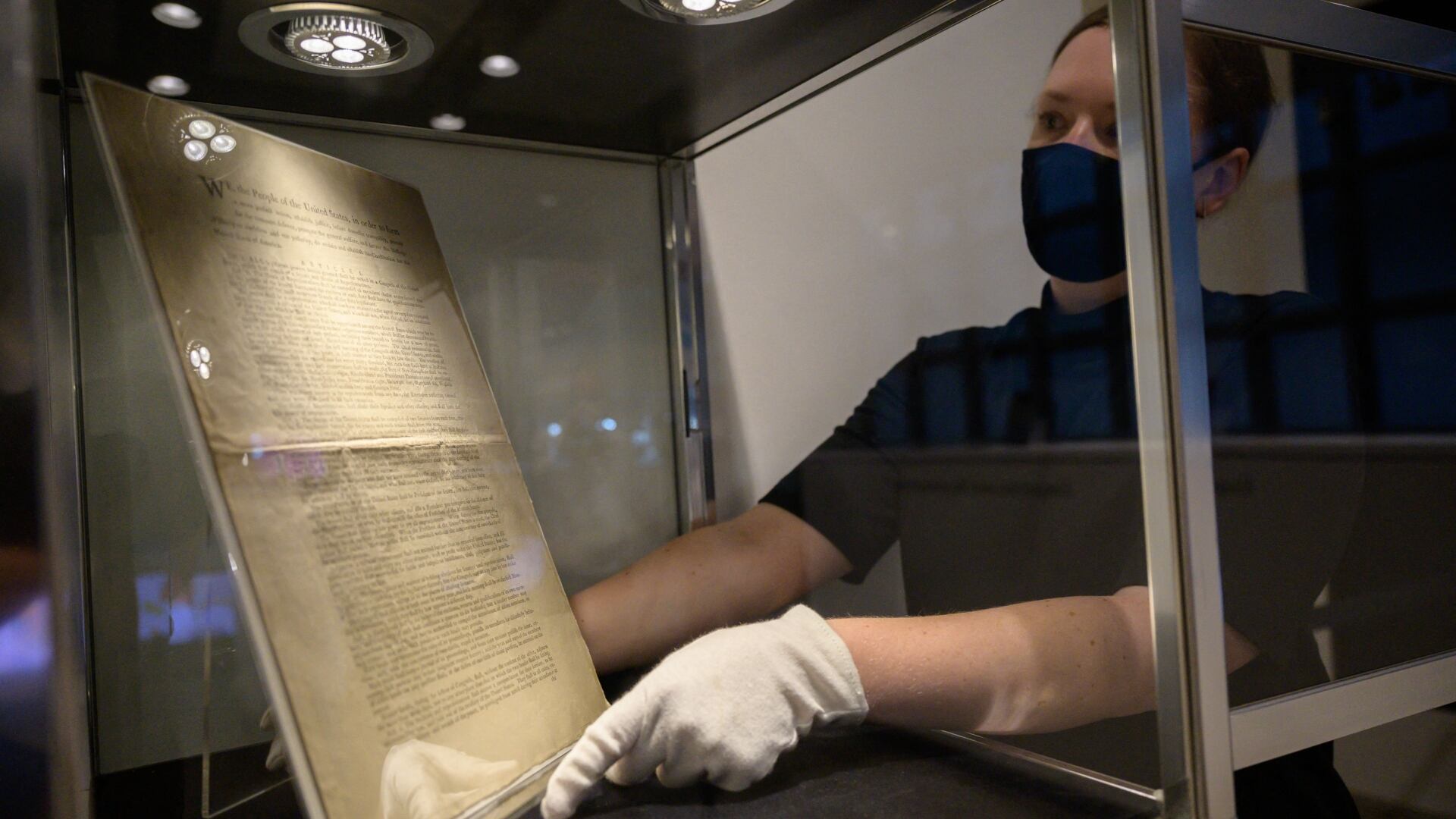
A group of crypto investors has come together to raise millions of dollars in the hopes of owning a rare piece of the U.S. Constitution. According to the crypto group, "Constitution DAO" It is time to put the constitution in the hands of the people. CEO and Founder of Metaversal Yossi Hasson, joined Cheddar to discuss more.
Over the weekend, Russia fired a missile at one of its own satellites, triggering an explosion that launched thousands of pieces of shrapnel through space and forced the astronauts aboard the International Space Station to shelter in place. Senior Writer from Space.com Chelsea 'Foxanne' Gohd, joined Cheddar to discuss more.
Twitter announced a partnership with S&P Dow Jones Indices on Thursday to build the S&P 500 Sentiment Index for monitoring the performance of 200 S&P members based on tweets with company $cashtags. Jared Podnos, strategic market development lead at Twitter, and Peter Roffman, global head of innovation and strategy at S&P Dow Jones Indices, joined Cheddar to provide some background on the partnership and to explain exactly how monitoring companies through public opinion will work. "[The S&P] taps into this conversation. They understand the real-time conversation as well as the historical trends, and then we can analyze that and understand the consumer sentiment and really build these innovative products around that conversation," Podnos added.
Cognitive healthcare platform BrainCheck recently raised $10 million in a Series B round. The platform offers neurologists a new way to detect and care for brain disorders like Alzeheimer's, and brain injuries like concussions. BrainCheck CEO Yael Katz joined Cheddar News' Closing Bell to discuss.
Jean-Denis Mariani, the chief digital officer at COTY, the parent company for major brands like Bottega Veneta, Burberry, and Kylie Skin, joined Cheddar to talk about the impact of the pandemic on the beauty industry and the rapid shift to e-commerce sales. "There is no digital strategy anymore, only strategy in a digital world," he said. Mariani also talked about personalized makeup selection for consumers as the beauty sector begins to incorporate technology like artificial intelligence.
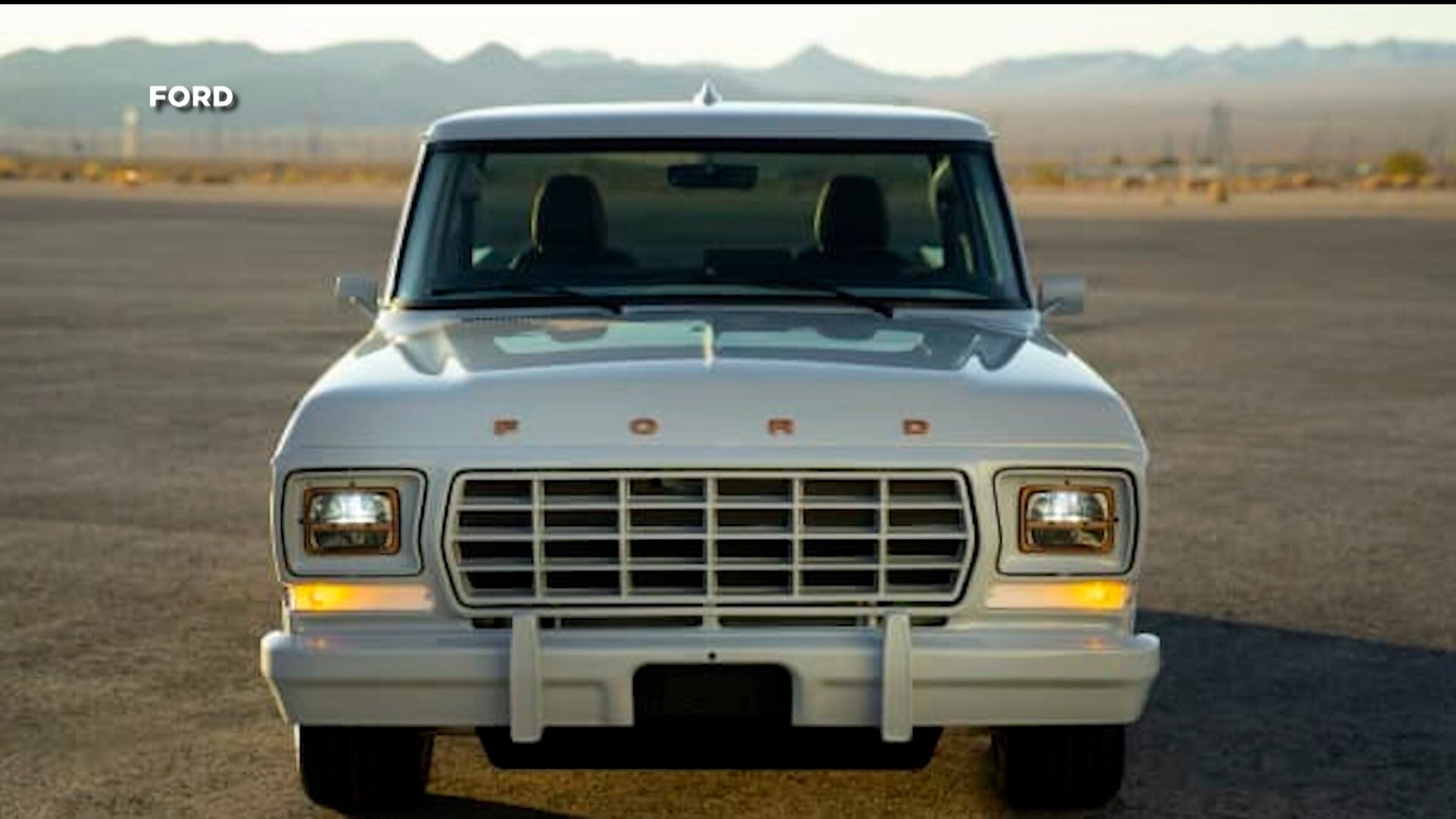
Amid an ongoing global semiconductor chip shortage, American automaker Ford has decided to open up supply chains of its own. Karl Brauer, an executive analyst at iSeeCars.com, joined Cheddar to discuss Ford's new partnership with multinational semiconductor maker GlobalFoundries to build those chips domestically. Brauer praised Ford for the move both for ongoing supply woes and the future of automobile manufacturing. "It's not just the supply chain," he said. "It's not just about getting chips, but maybe getting chips that are more customized and specific to your needs."
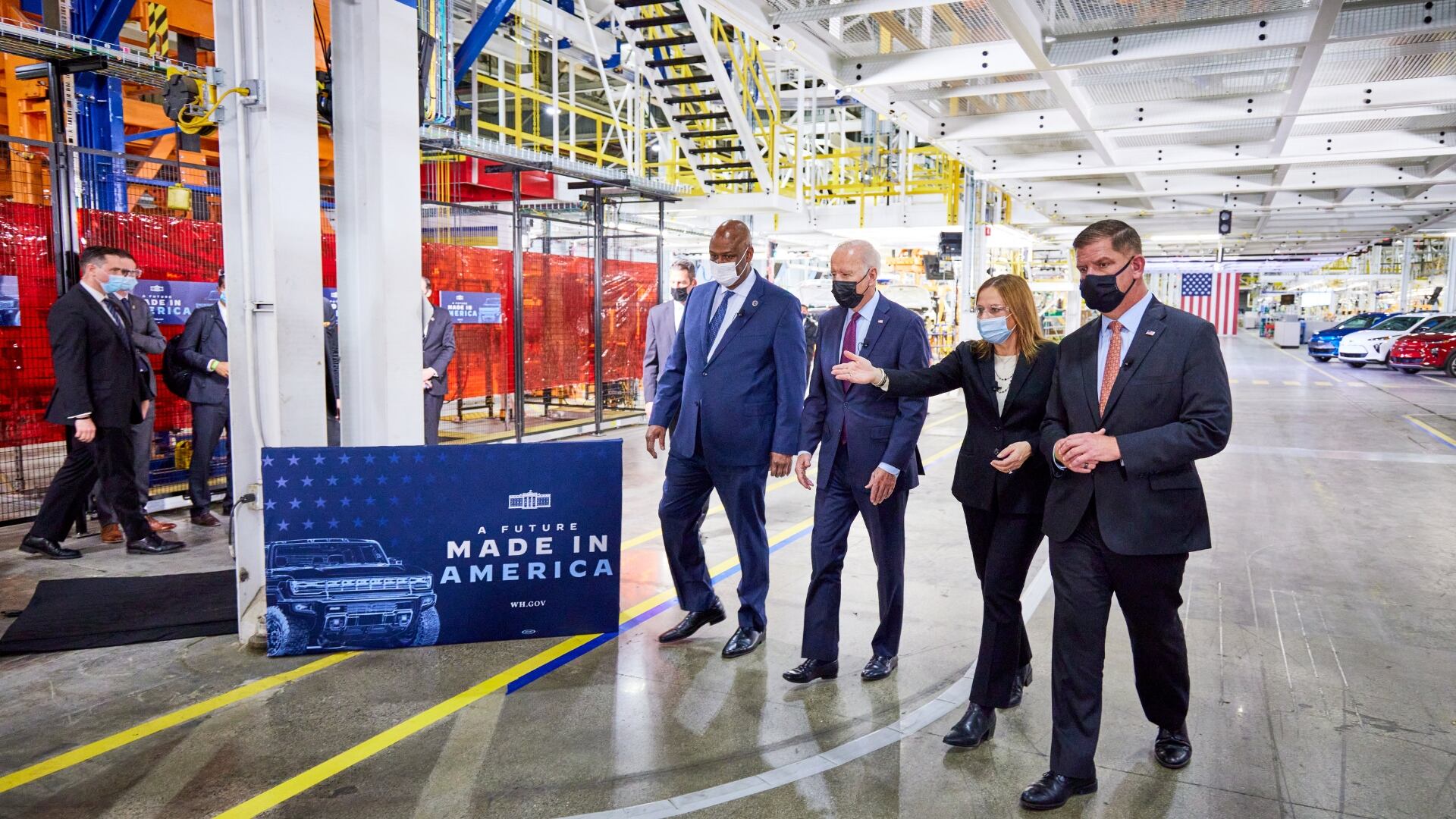
Gerald Johnson, Executive VP, Global Manufacturing and Sustainability at General Motors, joins Cheddar News to break down what Factory ZERO signifies for GM's all-electric future and why the auto manufacturer will be a leader in the growing EV industry.