By Michelle Chapman and Matt O'Brien
Microsoft, on an accelerated growth push, is buying speech recognition company Nuance in a deal worth about $16 billion.
Microsoft will pay $56 per share cash. That's a 23% premium to Nuance's Friday closing price. The companies value the transaction including debt at $19.7 billion.
Shares of Burlington, Massachusetts-based Nuance surged more than 17% in Monday morning trading.
Nuance has been one of the pioneers of commercial voice recognition technology and helped power Apple's Siri voice assistant. It has since shifted its focus to health care, including a product that can listen in on exam room conversations between physician and patient and write up the doctor's recommendations.
Microsoft’s acquisition of Nuance comes after the companies formed a partnership in 2019. The Redmond, Washington, company said that the deal will double its potential market in the health care provider industry to nearly $500 billion.
Nuance’s products include clinical speech recognition software offerings such as Dragon Ambient eXperience, Dragon Medical One and PowerScribe, all of which are built on Microsoft's Azure cloud platform. The company's products are currently used by more than 55% of physicians and 75% of radiologists in the U.S., and by 77% of U.S. hospitals. Its health care cloud revenue experienced 37% year-over-year growth in fiscal 2020.
“AI is technology’s most important priority, and healthcare is its most urgent application,” Microsoft CEO Satya Nadella said in a statement.
Microsoft also has its own digital voice assistant, Cortana, but its consumer use has been limited compared to similar features from Amazon, Google and Apple. Nuance has sought to refine its voice recognition technology beyond consumer use to better understand the complexities of medical language.
Aside from health care, Nuance provides voice-related AI technology in other products, including security features that can recognize individual voices so they can unlock an account or enter a building.
The transaction is Microsoft’s second largest deal following its $26 billion purchase of LinkedIn in 2016. Last September, it bought video game maker ZeniMax for $7.5 billion.
“This is the right acquisition at the right time with Microsoft doubling down on its health care initiatives over the coming years,” Wedbush analyst Daniel Ives wrote in a note to clients.
Ives said the transaction fits well into Microsoft's health care portfolio and comes at a time that hospitals and doctors are embracing next-generation AI capabilities.
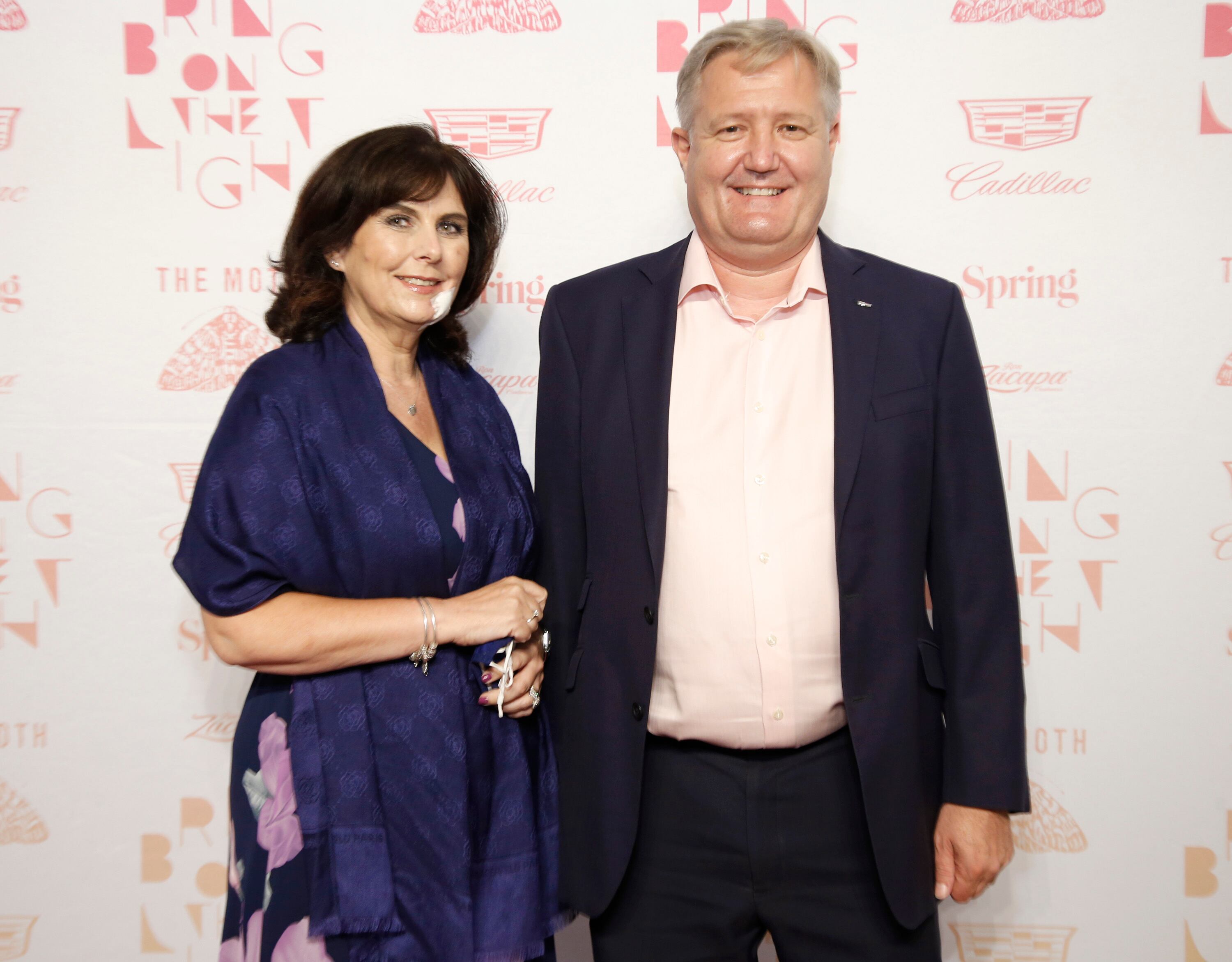
Mark Benjamin will continue as Nuance CEO.
The transaction is expected to close this year. It still needs approval from Nuance shareholders. Nuance had 7,100 employees as of September, more than half of whom were outside the U.S. — including crews that help transcribe and edit recorded speech that the AI technology might not fully understand.