Mercari, a Japanese e-commerce company, is looking to expand the market for casual online sellers in the U.S. beyond Amazon and eBay.
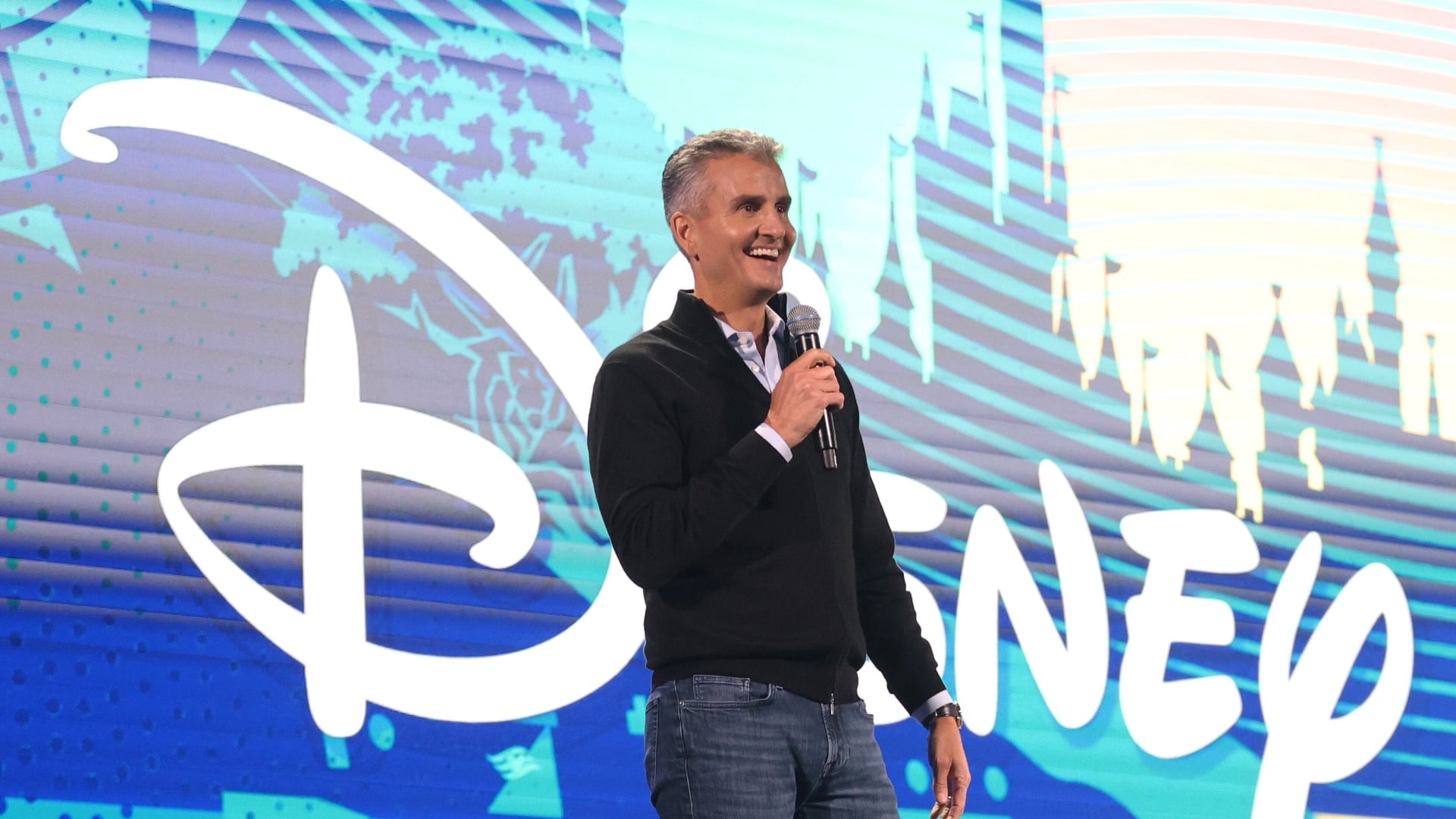
"Selling has been a thing online for quite some time, but it's been quite hard for regular folks to sell online," Mercari U.S. CEO John Lagerling told Cheddar. "It's kind of hard to go on eBay and be a successful seller if you're a beginner."
Popular online marketplaces have become increasingly professionalized, he added, as more small and medium-sized businesses move online to expand their clientele. These vendors then accumulate thousands of reviews, raising the benchmark for getting customers.
With more than 45 million downloads, Mercari is making a play for more casual sellers.
"We wanted to level the playing field in a sense, compared to these platforms," Lagerling said.
This model has proven popular amid the economic downturn brought on by coronavirus. The company reported 183 percent year-over-year growth in the U.S.
While the U.S. branch is not yet profitable, gross merchandise value (GMV) has surpassed $100 million in recent months, which Lagerling said is in the range of where the company needs to be in if it chooses to prioritize profitability over investment.
Lagerling also touts the environmental benefits of a more robust resale market, noting that one-third of items are pre-owned but never used.
"Hand on heart, we all have these items that we've bought but ended up never using," he said.
Astronauts will have to wait until next year before flying to the moon and another few years before landing on it. NASA on Tuesday announced the latest round of delays in its Artemis moon-landing program.
The Biden administration has enacted a new labor rule that aims to prevent the misclassification of workers as independent contractors. The labor department rule going into effect Tuesday replaces a scrapped Trump-era standard that lowered the bar for classifying employees as contractors
The KC-46 was to be the ideal candidate for a fixed-price development program. Instead, it has cost Boeing billions, and made industry wary of such deals.
Dave Long, CEO and Co-Founder of Orangetheory Fitness joins Cheddar to chat trends in the industry for 2024. He updates us on the company's plans to expand and what the state of the economy has meant for business.
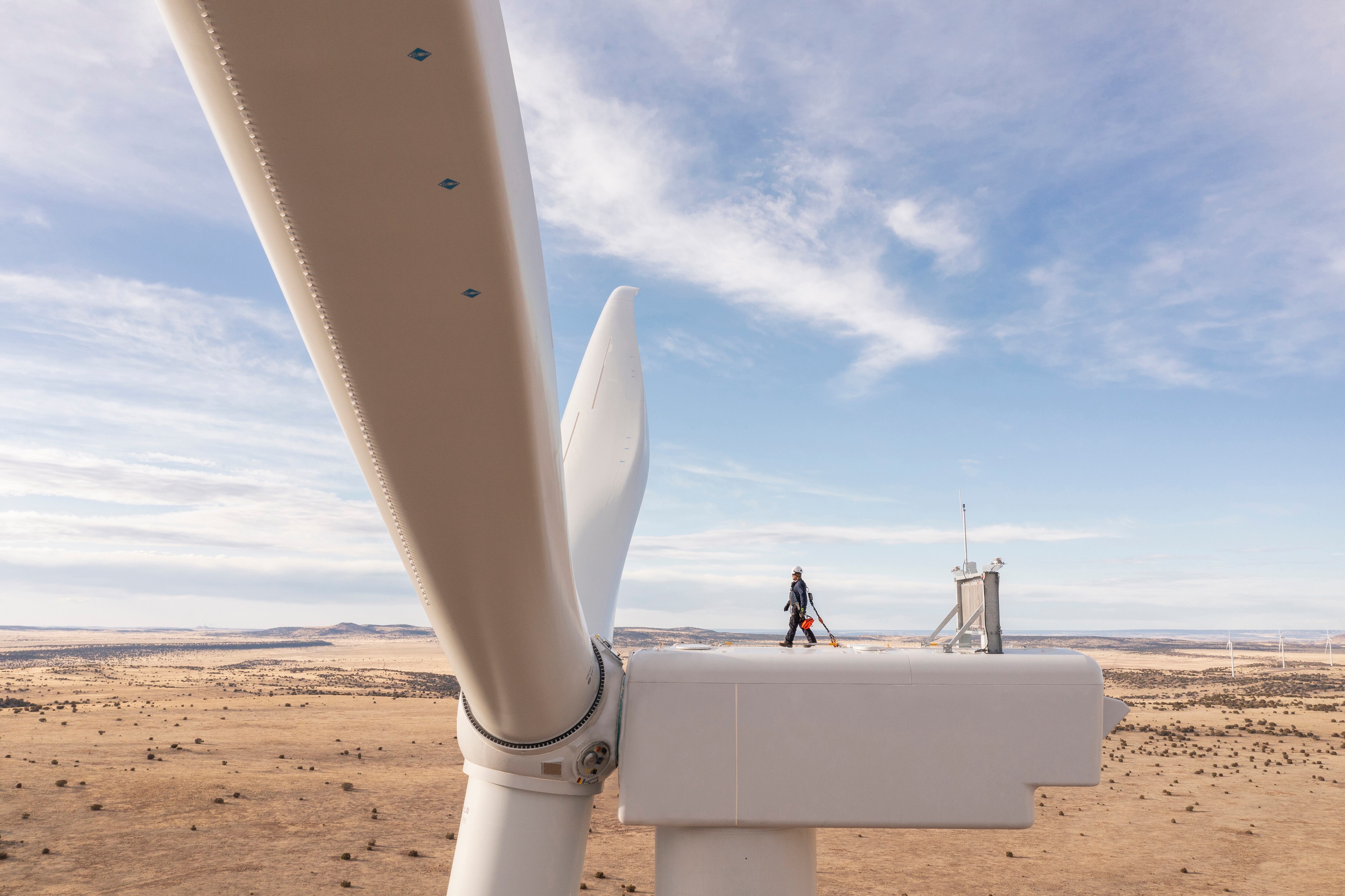
One of the world's largest renewable energy developers will be getting hundreds of wind turbines from General Electric spinoff GE Vernova as part of a record equipment order and long-term service deal.
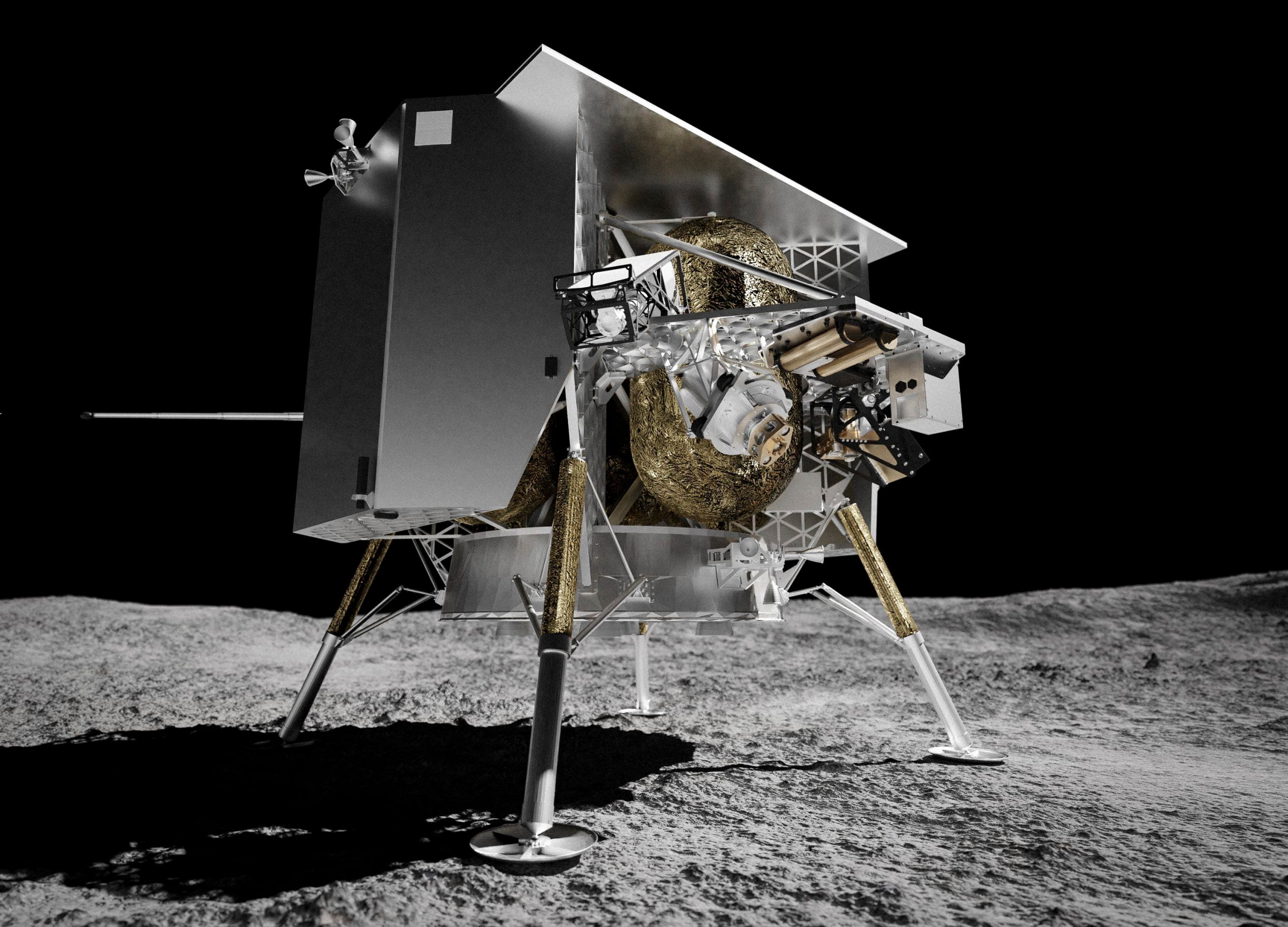
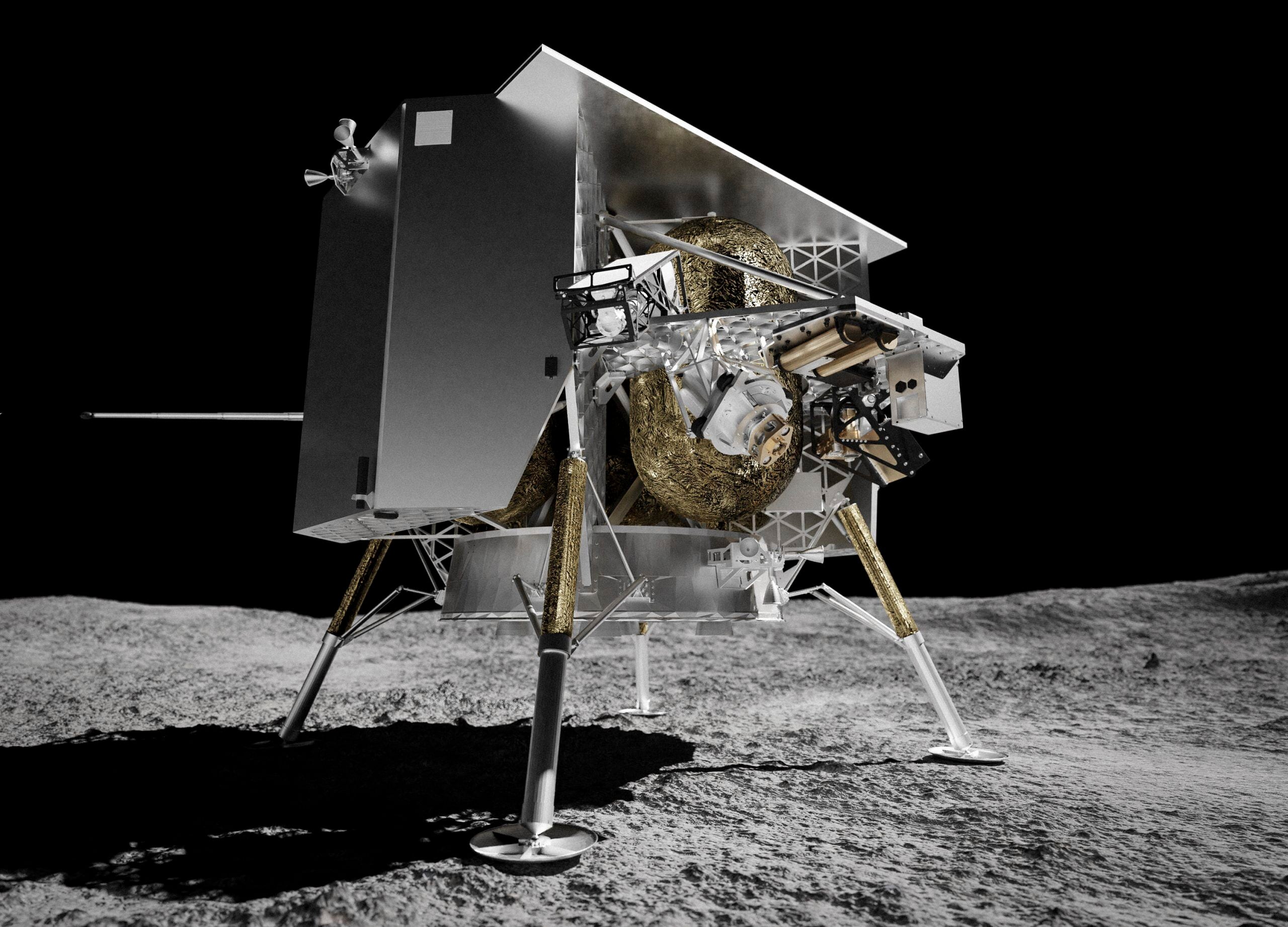
A moon landing attempt by a private US company appears doomed because of a fuel leak on the newly launched spacecraft. Astrobotic Technology managed to orient the lander toward the sun Monday so its solar panel could capture sunlight and charge its onboard battery.
Treasury Secretary Janet Yellen has announced that 100,000 businesses have signed up for a new database that collects ownership information intended to help unmask shell company owners. Yellen says the database will send the message that “the United States is not a haven for dirty money.”
A new version of the federal student aid application known as the FAFSA is available for the 2024-2025 school year, but only on a limited basis as the U.S. Department of Education works on a redesign meant to make it easier to apply.