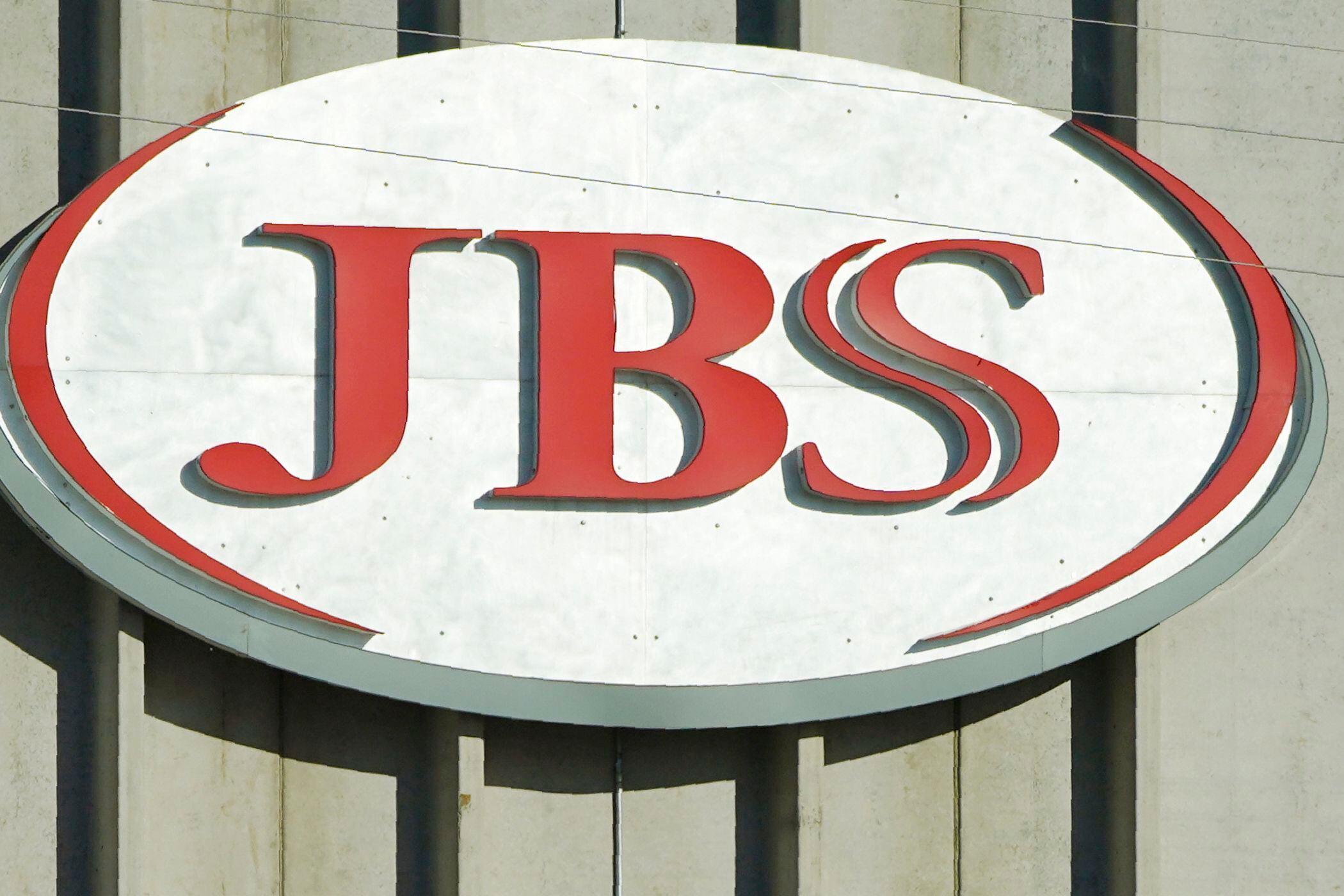
In this Oct. 12, 2020 file photo, a JBS meatpacking plant in Greeley, Colo. (AP Photo/David Zalubowski, File)
By Dee-Ann Durbin
The world’s largest meat processing company says it paid the equivalent of $11 million to hackers who broke into its computer system late last month.
Brazil-based JBS SA said on May 31 that it was the victim of a ransomware attack, but Wednesday was the first time the company’s U.S. division confirmed that it had paid the ransom.
“This was a very difficult decision to make for our company and for me personally,” said Andre Nogueira, the CEO of JBS USA. “However, we felt this decision had to be made to prevent any potential risk for our customers.”
JBS said the vast majority of its facilities were operational at the time it made the payment, but it decided to pay in order to avoid any unforeseen issues and ensure no data was exfiltrated.
The FBI has attributed the attack to REvil, a Russian-speaking gang that has made some of the largest ransomware demands on record in recent months. The FBI said it will work to bring the group to justice and it urged anyone who is the victim of a cyberattack to contact the bureau immediately.
The attack targeted servers supporting JBS’s operations in North America and Australia. Production was disrupted for several days.
Earlier this week, the Justice Department announced it had recovered most of a multimillion-dollar ransom payment made by Colonial Pipeline, the operator of the nation's largest fuel pipeline.
Colonial paid a ransom of 75 bitcoin __ then valued at $4.4 million __ in early May to a Russia-based hacker group. The operation to seize cryptocurrency reflected a rare victory in the fight against ransomware as U.S. officials scramble to confront a rapidly accelerating threat targeting critical industries around the world.
It wasn't immediately clear if JBS also paid its ransom in bitcoin.
JBS said it spends more than $200 million annually on IT and employs more than 850 IT professionals globally.
The company said forensic investigations are still ongoing, but it doesn't believe any company, customer or employee data was compromised.
Kia McCallister-Young, director of America Saves, joined Cheddar News to explain key differences to consider when making a choice between a credit union and a bank. "You want to do your research and know exactly how to gain membership to a credit union," she said, "but, again, banks often are able to be more accessible and be in neighborhoods."
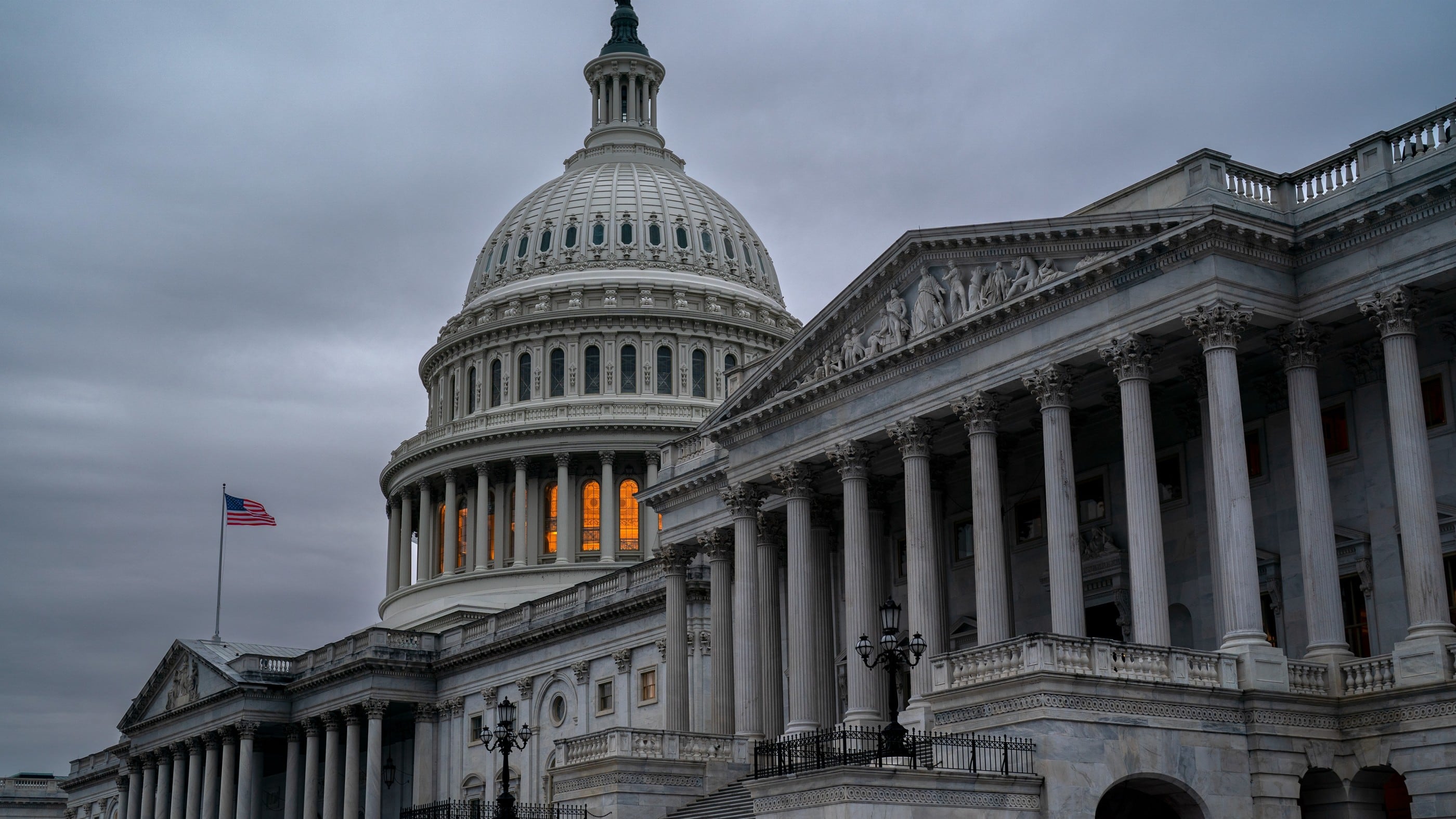
Cheddar News breaks down what to look for on The Day Ahead. The House will hold a hearing on the federal response to the recent banking issues while Starbucks CEO will testify on Capitol Hill about union-busting claims. Disney Parks workers are set to vote on a new contract proposal.
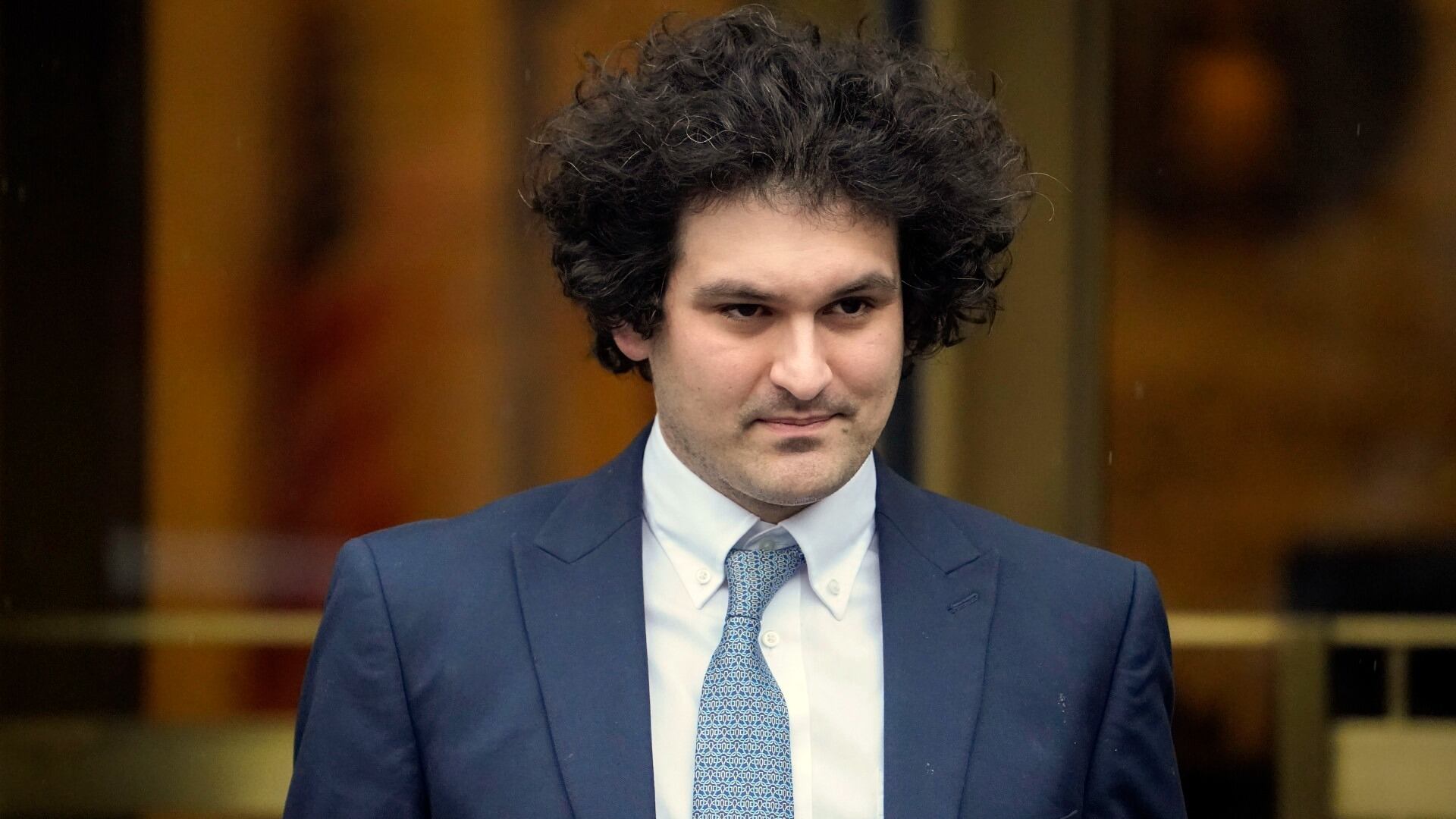
A new indictment charges FTX founder Sam Bankman-Fried with directing $40 million in bribes to one or more Chinese officials to unfreeze assets relating to his cryptocurrency business.
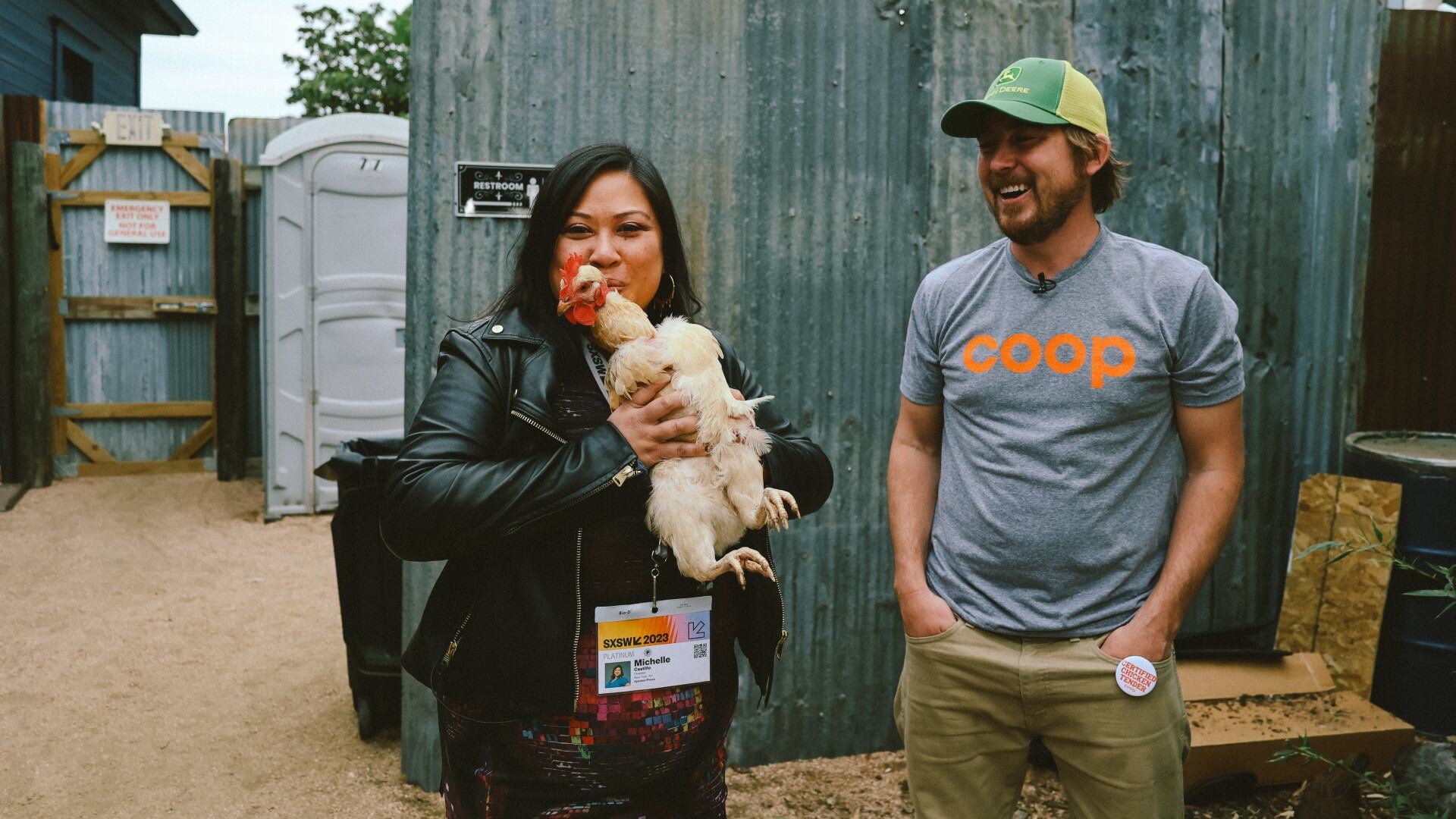
Producing your own food doesn't mean you have to own your own farm, and it might be as simple as raising some backyard chickens. Agri-tech startup Coop aims to make this easier for non-farmers with a so-called "smart" chicken coop. Cheddar News Senior Reporter Michelle Castillo found a flock to learn more.
Capitol hill is trying to get to the bottom of the bank collapses that shocked the financial system last month, and today lawmakers grilled banking regulators about why they weren't able to stop the crisis. Cheddar News correspondent Lisa Bennatan broke down the proceedings.
Alibaba is splitting itself into into six business groups as the Chinese e-commerce company attempts to become more nimble in reacting to changes in the market and increase the value of those units.
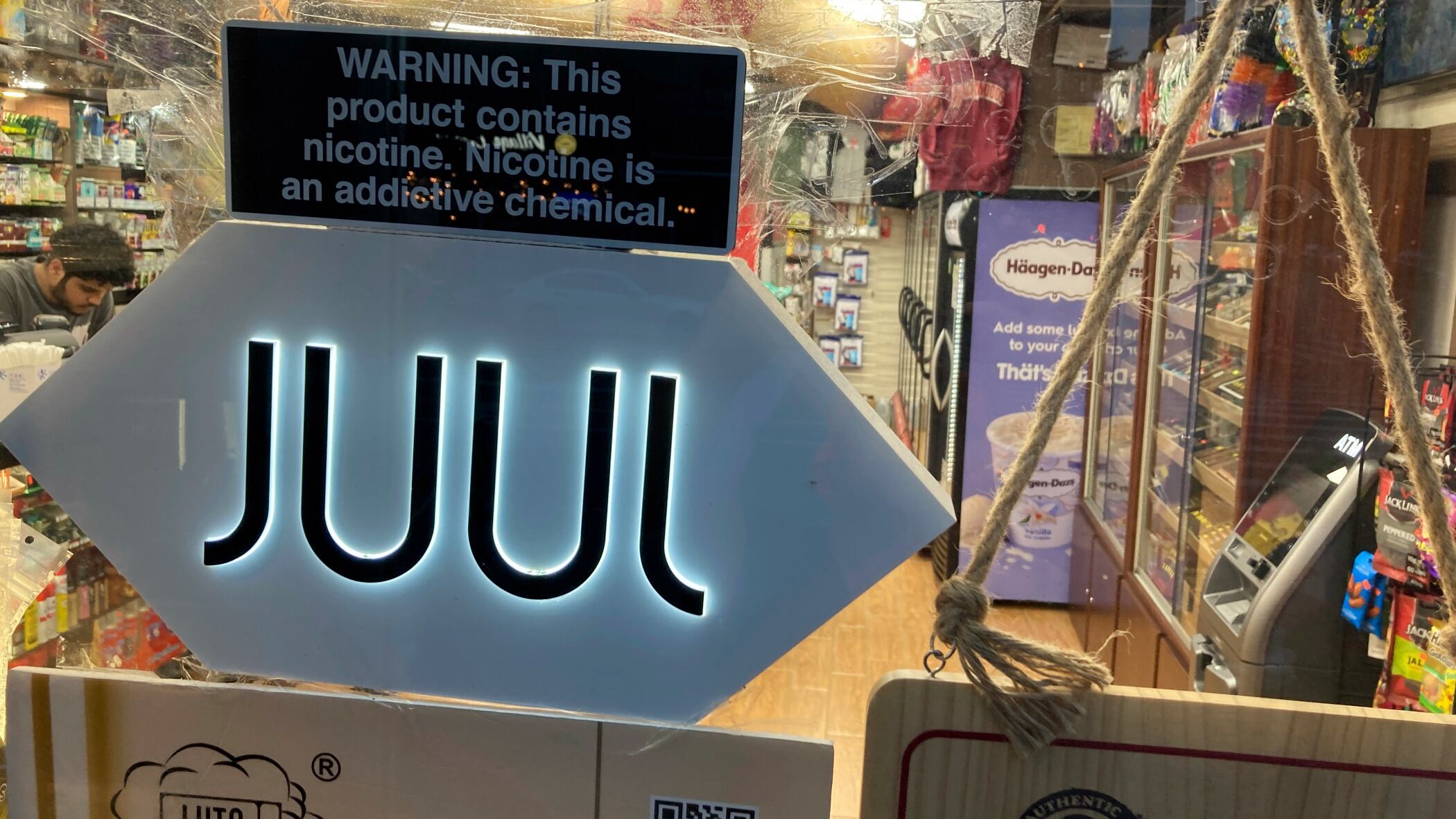
Juul will finally have its day in court for its role in the teen vaping epidemic. The Minnesota attorney general is preparing for opening arguments in the state's lawsuit against the vape maker. Here to break down the complicated backstory for this legal case is Senior Reporter Chloe Aiello.