With 8 million lunches served in 16 cities around the world since it launched two years ago, the food delivery service MealPal has found success by cozying up to the people dishing out the food.
"You've got the challenge of an industry, the restaurant industry, that historically has really low profit margins," said Mary Biggins, MealPal's co-founder. "The average restaurant has a margin of only six percent."
That's been too tight for some Silicon Valley food-delivery startups such as Maple and Munchery to operate (both went under). Postmates struggles to find its own profit within those margins.
The difference for MealPal, Biggins said in an interview on Cheddar, was that it tied its model to restaurants' profitability from the start.
"We want every restaurant on MealPal to be able to say that MealPal is their most valuable partner," she said.
Biggins first had success with Classpass, an app that allowed users to sign up for a bunch of gym classes for an affordable fee. MealPal functions similarly, offering lunch for just $6 from some of the most popular restaurants in a city.
"You need to build something that's going to resonate with consumers, but also work for the supply side as well," she said.
For full interview, [click here](https://cheddar.com/videos/digging-into-the-world-of-apps).
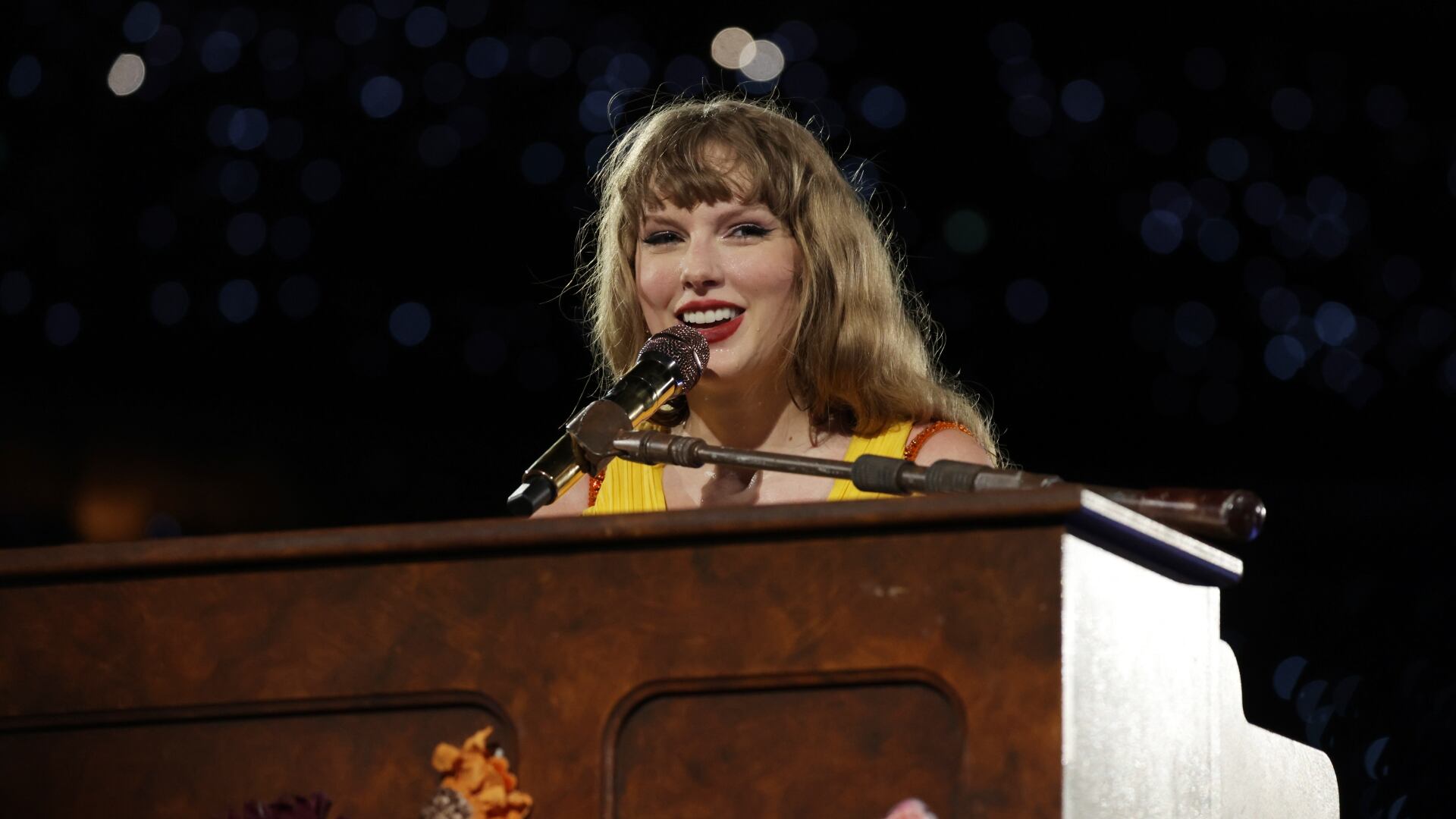
Bryan West, Gannett’s Taylor Swift reporter, recaps the many, many, theories and Easter eggs Swifties are debating as her ‘Eras Tour’ film comes to Disney+.
‘Our Biggest Fight’ author and Project Liberty founder Frank McCourt, Jr. explains his problem with the internet – and why this Tiktok bill is just a starting point.
Consumer prices in the United States picked up last month, a sign that inflation remains a persistent challenge for the Federal Reserve and for President Biden.
Jayesh Govindarajan, head of A.I. at Salesforce, explains the company's new Einstein copilot, plus other ways it is investing in artificial intelligence.
Altro founder and CEO Michael Broughton shares how his company is bringing both expanded credit access and financial wellness to underserved consumers, plus netting early investments from Tinashe, Quavo, and Jay Z’s Marcy Ventures.
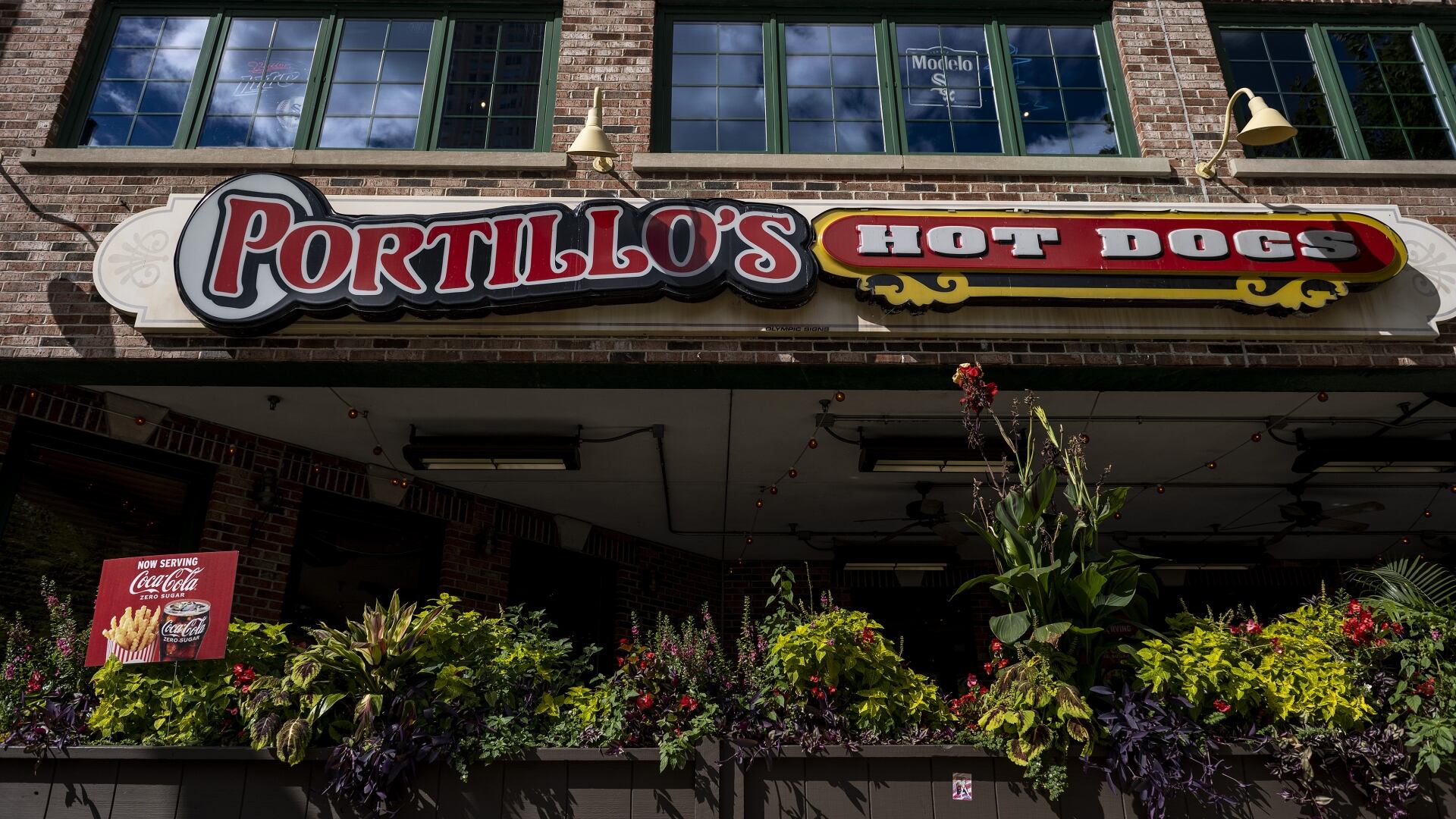
Portillo’s CEO Michael Osanloo discusses the company’s decades of profitability, opening restaurants in new markets, and why it doesn’t need trends like dynamic pricing.
Adam Turnquist, Chief Technical Strategist for LPL Financial, weighs in on the latest CPI data, what could get the Fed to lower borrowing costs, and the crypto rally.