House Republicans made post-midnight changes to their sweeping debt ceiling package to win over holdouts, as Speaker Kevin McCarthy pushed ahead Wednesday with plans to launch debate and round up support from his slim majority for a vote this week.
Facing a revolt from Midwestern Republicans over doing away with biofuel tax credits that were just passed into law last year by President Joe Biden, Republicans relented and allowed the tax credits to stay on the books.
Republicans also agreed to more quickly launch the bolstered work requirements for recipients of government aid, starting in 2024 as proposed by another holdout, Freedom Caucus' Rep. Matt Gaetz, R-Fla., who has led previous challenges to McCarthy.
The changes were approved at a 2 a.m. session of the House Rules Committee despite earlier repeated insistence by McCarthy and his leadership team that there would be no changes.
The floor debate is expected to launch at noon Wednesday, a final vote on the sprawling package likely pushes to Thursday.
Republicans hold a five-seat majority and face several absences this week, leaving McCarthy with almost no votes to spare.
“This week, we will pass the bill on this floor,” McCarthy told reporters late Tuesday.
The top Democrat on the panel, Rep. Jim McGovern, derided the “midnight seance" that produced the final package, particularly “cruelly” imposing stricter work requirements on recipients of food stamps and other government aid.
“Taking food away from people is a rotten thing to do,” said McGovern of Massachusetts in the early hours of Wednesday morning.
While the 320-page package has almost no chance of becoming law, McCarthy is using it as a strategy to shake up the debate. Biden has so far refused to engage with House Republicans on what the White House calls “hostage taking” over the debt ceiling, and threatened to veto the package, which couples a debt ceiling increase with restrictions on federal spending. McCarthy hopes passage will kickstart talks with Democrats.
But McCarthy acknowledged after closed-door meetings late Tuesday that not all House Republicans were fully on board with the proposal. He insisted that passing this bill would be merely a starting point for negotiations with Biden and Democrats, and not the final product.
“There’s a number of members that will vote for it going forward and say there are some concerns they have,” he said. But he said they will also say they are ready to vote anyway: “They want to make sure the negotiation goes forward.”
It’s a first big test for the president and the Republican speaker, coming at a time of increased political anxiety about the need to raise the federal debt limit, now at $31 trillion, to keep paying the country’s already accrued debts.
The Treasury Department is taking “extraordinary measures” to pay the bills, but funding is expected to run out this summer. Economists and experts warn that even the threat of a federal debt default would send shockwaves through the economy.
In exchange for raising the debt limit by $1.5 trillion into 2024, the bill would rollback federal spending to fiscal 2022 levels and cap future spending increases at 1% a year for the next decade.
The package would also impose tougher work requirements on recipients of food stamps and government aid, halt Biden’s plans to forgive up to $20,000 in student loans and end the landmark renewable energy tax breaks Biden signed into law last year. It would tack on a sweeping Republican bill to boost oil, gas and coal production.
A nonpartisan Congressional Budget Office analysis released Tuesday showed the Republican plan would reduce federal deficits by $4.8 trillion over the decade if the proposed changes were enacted into law.
Elon Musk asked Twitter if he should sell about $20 billion worth of his Tesla stock and about 58 percent of those who answered said yes. The Tesla CEO pledged to abide by the results of the poll, whichever way it went. Arun Sundararajan, NYU Stern professor & author of "The Sharing Economy: The End of Employment and the Rise of Crowd-Based Capitalism," joined Cheddar to discuss what the Twitter poll says about America's attitude towards billionaires and the nation's tax system.
Dr. Nasia Safdar, Doctor at UW Madison, joined Wake Up With Cheddar to discuss the implications of Merck sharing its antiviral pill, which has been shown in early trials to cut hospitalizations and deaths by half, with poorer nations around the globe.
The Federal Reserve finally announced its taper plan on Wednesday saying that it planned to scale back on bond purchases as growth slows, and would not rush to raise interest rates. Ross Mayfield, Investment Strategy Analyst at Baird spoke on whether or not a decrease in inflation could be in the country’s future amidst comments made by Fed chairman Jerome Powell. Baird also broke down ADP jobs numbers ahead of the Labor Department's October jobs report.
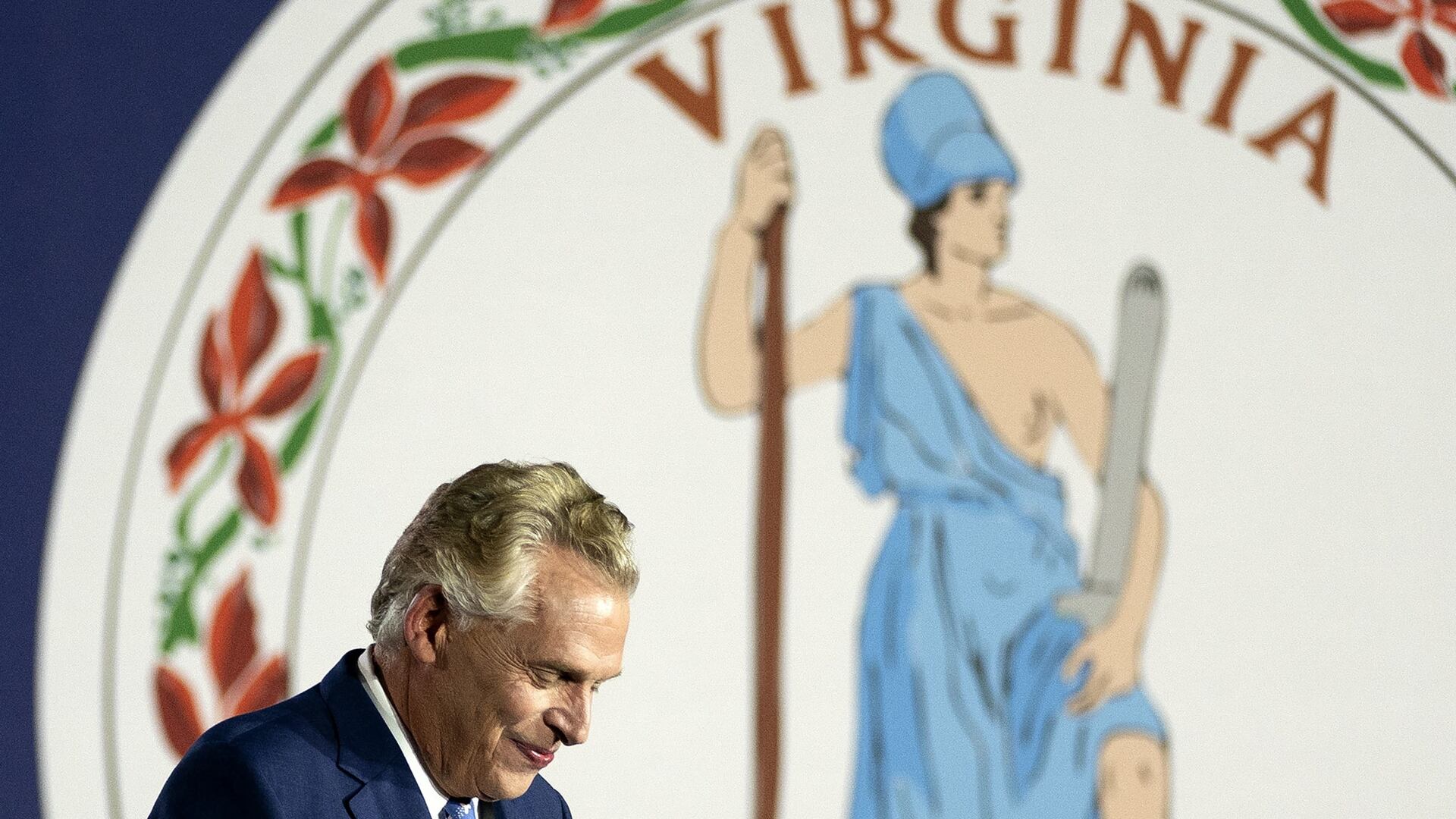
Going into election day on Tuesday, many of us had an inkling it might not be a great day for Democrats. History tells us the president's party tends to lose congressional seats, governorships and state legislature seats in off-year and midterm elections. Tuesday turned out to be a big wake-up call for democrats. Not only did Terry McAuliffe lose in the Virginia governor's race, Gov. Phil Murphy won re-election by an incredibly slim margin. Both races saw continued Democratic losses in rural areas and a shift of suburban voters back to the GOP. Liz Landers, chief political correspondent at Vice News, joins Cheddar Politics to discuss.
Week one of UN climate summit is coming to an end, world leaders made a number of promises to save the planet. President Biden attended the first two days of the meeting.
Alan Neuhauser, vice president of Silverline Communications, joined Cheddar Politics to talk more about the pledges that came out from the summit and their significance.
It's been a busy week for the Supreme Court. It heard arguments on three of the most watched cases in the docket for this term. The court heard arguments in two cases challenging the Texas abortion law on Monday - one filed by abortion providers and the other by the justice department. Instead of weighing in on the constitutionality of the matter itself, justices focused on the unusual structure of the law that enables citizens to enforce the law, not the state government.
On Wednesday, the court heard arguments in the biggest Second Amendment case in more than a decade. The dispute is over a New York gun law that requires people seeking a license to carry a handgun in public to show a "proper cause." The challengers in this case claim the law inhibits their constitutional Second Amendment rights.
Amy Howe, co-founder of SCOTUSBlog, joined Cheddar Politics to break the cases down.
This is the first installment of Cheddar Changemakers, where we spotlight young activists making a difference in the world and speaking up on issues regarding mental health, voting, and climate change.
Republicans are considered, and often act like, the party opposed to action on climate change. They've made a point of fighting even modest regulations on businesses related to stemming the worst effects of climate change. But Republicans aren't a monolith on climate change, and our next guest reminds us that "conservation" and "conservative" have the same word root.
Quill Robinson, VP of government affairs at the American Conservation Coalition, joins Cheddar Politics to discuss.
The mayor of Portland, Oregon, Ted Wheeler joined Cheddar News Wrap to discuss his plans to get an increase in the city's police budget for more personnel, changes to public safety response, and more body cameras. The Democratic mayor addressed the growth in violent crimes amid the pandemic, but noted the need for officers who take their roles seriously. We want officers who understand that policing is an important responsibility, it's a high calling," he said. "We also want a police bureau that is accountable and responsible to the public it serves."