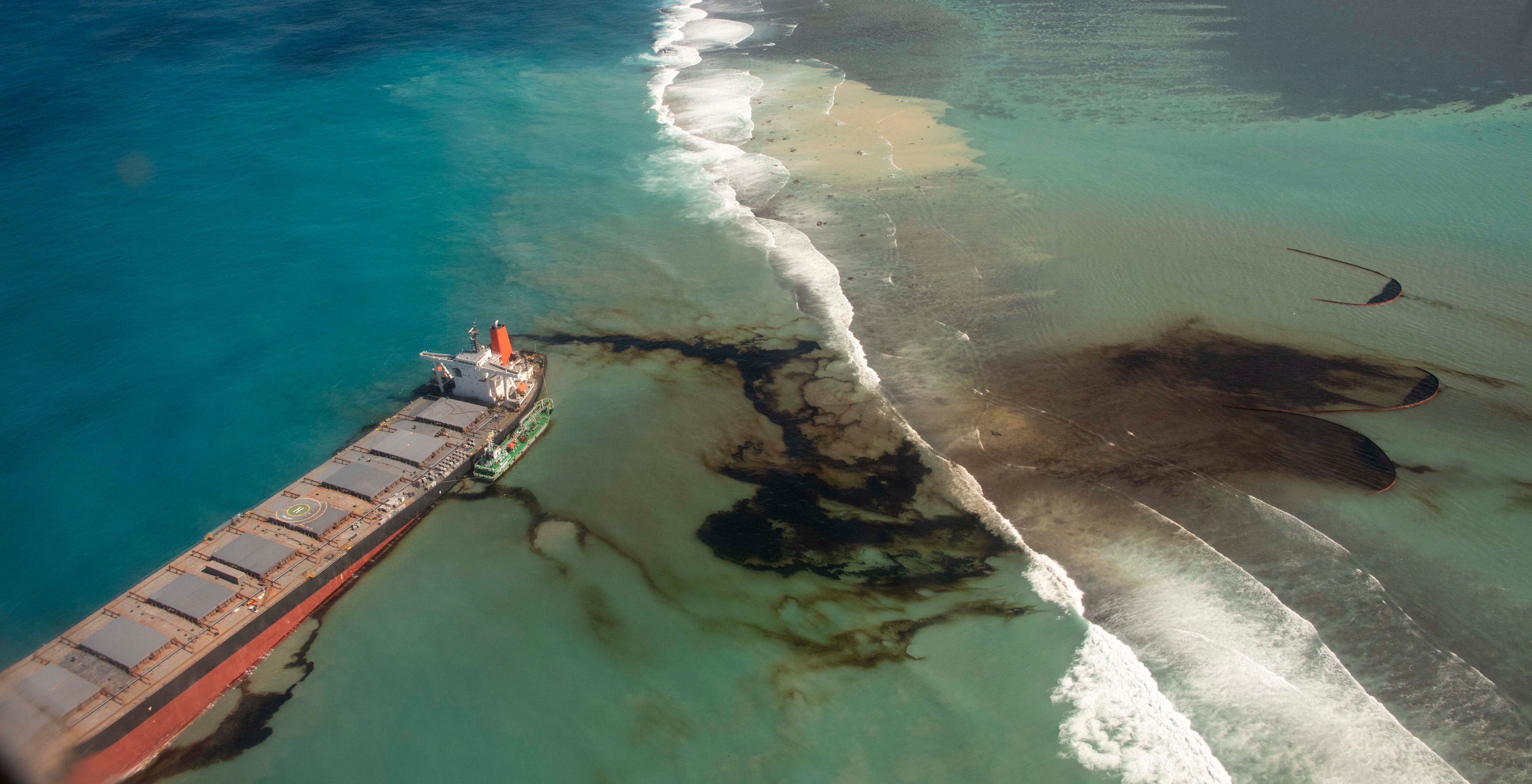
This photo provided by the French Defense Ministry shows oil leaking from the MV Wakashio, a bulk carrier ship that recently ran aground off the southeast coast of Mauritius,, Sunday Aug.9, 2020. The Indian Ocean island of Mauritius has declared a "state of environmental emergency" after the Japanese-owned ship that ran aground offshore days ago began spilling tons of fuel. (Gwendoline Defente/EMAE via AP)
By Andrew Meldrum
Urgent efforts increased in Mauritius on Monday to empty a stranded Japanese ship of an estimated 2,500 tons of oil before the vessel breaks up and increases the contamination of the island's once-pristine Indian Ocean coastline.
Already more than 1,000 tons of fuel has washed up on the eastern coast of Mauritius, polluting its coral reefs, protected lagoons, and shoreline.
High winds and waves are pounding the MV Wakashio, which was showing signs of splitting apart and dumping its remaining cargo oil into the waters surrounding Mauritius. The bulk carrier ran aground on a coral reef two weeks ago.
"We are expecting the worst," Mauritian Wildlife Foundation manager Jean Hugues Gardenne said.
"The ship is showing really big, big cracks. We believe it will break into two at any time, at the maximum within two days," Gardenne said. "So much oil remains in the ship, so the disaster could become much worse. It's important to remove as much oil as possible. Helicopters are taking out the fuel little by little, ton by ton."
French experts arrived from the nearby island of Reunion and were deploying booms to try to contain any new oil spill, Gardenne said. France sent a navy ship, military aircraft, and technical advisers after Mauritius appealed for international help Friday.
"The booms should be in place within hours, which we hope will help to protect the coastline from further damage," he said. The booms will boost the improvised barriers that thousands of volunteers in Mauritius created from fabric tubes stuffed with straw and sugar cane leaves.
Amid the rough seas, efforts were also underway to get other ships close enough to pump large amounts of oil out of the MV Wakashio.
"The danger of the ship breaking into two is increasing hour by hour," environmental consultant Sunil Dowarkasing, a former member of parliament in Mauritius, said. "The cracks have now reached the base of the ship and there is still a lot of fuel on the ship. Two ships are headed to the site so that fuel can be pumped into them, but it is very difficult."
The ship ran aground on July 25 but work to remove the oil it was carrying only started last week when the hull cracked and started emptying the fuel into the sea, according to Dowarkasing.
The MV Wakashio's owner, Nagashiki Shipping, said Monday that two ships arrived at the scene to pump oil from the endangered vessel. "A hose connection has been successfully established ... and the transfer of fuel oil is underway," said the company in a statement. It said it is working with Mauritian authorities "to mitigate the spill. The primary focus at this time is reducing the effects of the spill and protecting the environment."
Pressure is mounting on the government of Prime Minister Pravind Jugnauth to explain why it did not take immediate action to avert the environmental disaster. Jugnauth has declared the oil spill a national emergency, but some residents say he acted too late.
The opposition and activists are calling for the resignation of the environment and fisheries ministers. Volunteers have ignored a government order to leave the clean-up operation to local officials.
Japan said Sunday it would send a six-member expert team to assist.
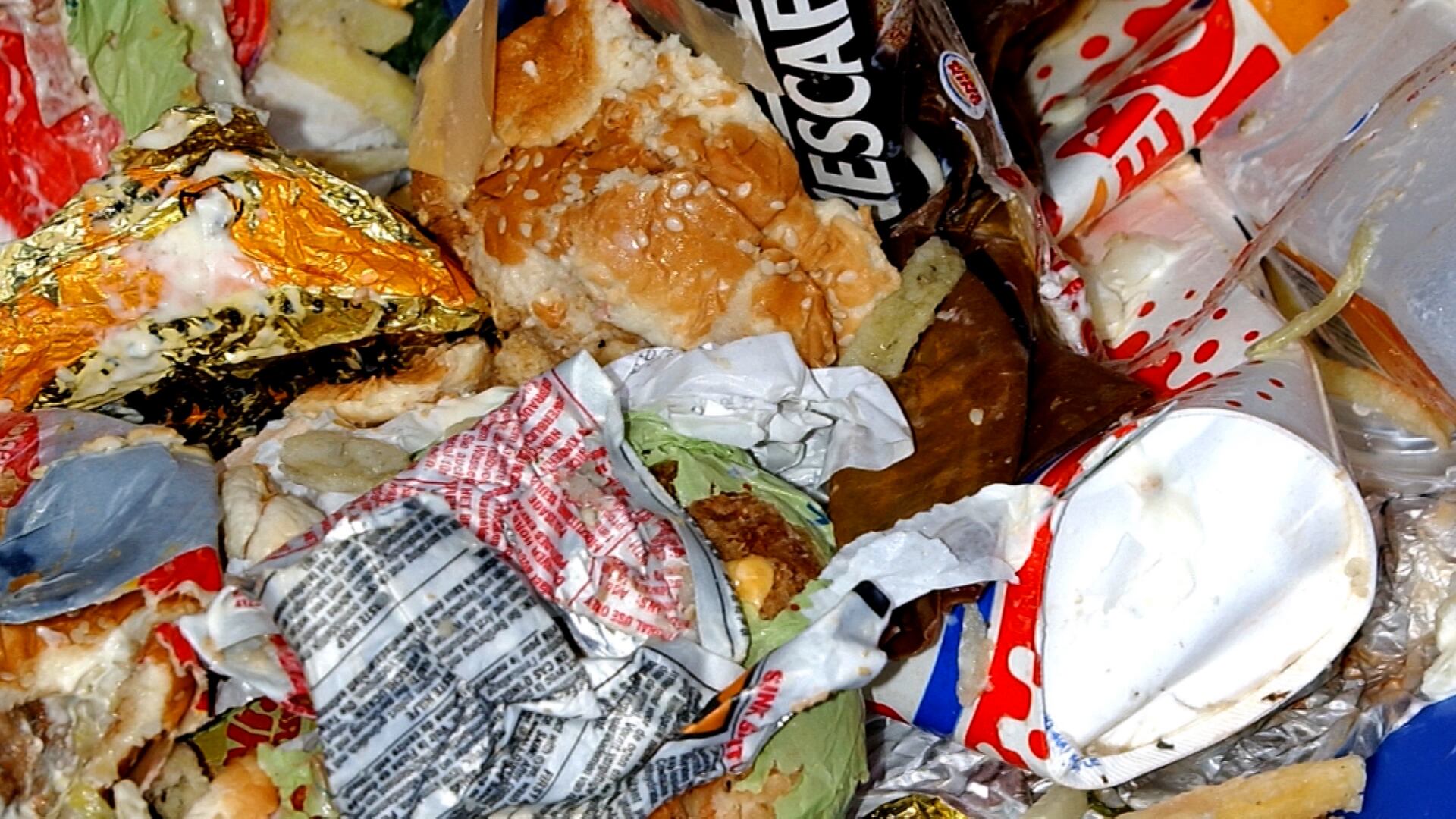
California's new composting law will affect what residents do in their kitchens. As of this week, Californians will have to recycle excess food in an effort to reduce emissions caused by food waste. Cities and counties will turn recycled food into compost or use it as a renewable energy source. California's new law is the largest mandatory residential food waste recycling program in the country. Rachel Wagoner, Director of the California Department of Resources, Recycling and Recovery called the law 'the biggest change to trash' since recycling started in the 1980s. She joined Cheddar Climate to discuss.
Fast-casual restaurant chain Sweetgreen is rolling out its first salad subscription service called sweetpass as it looks to customers tackling new year weight loss and health goals. Members will receive up to 30 percent off of purchases.
Washington DC and the surrounding areas saw a record breaking snow storm Monday as a strong storm system works its way across the eastern U.S. The extreme weather event caused extensive damage in the greater Washington area, leaving thousands in the region without power. Jonathan Porter, Chief Meteorologist, AccuWeather, joined Wake Up with Cheddar to discuss the fierce storm.
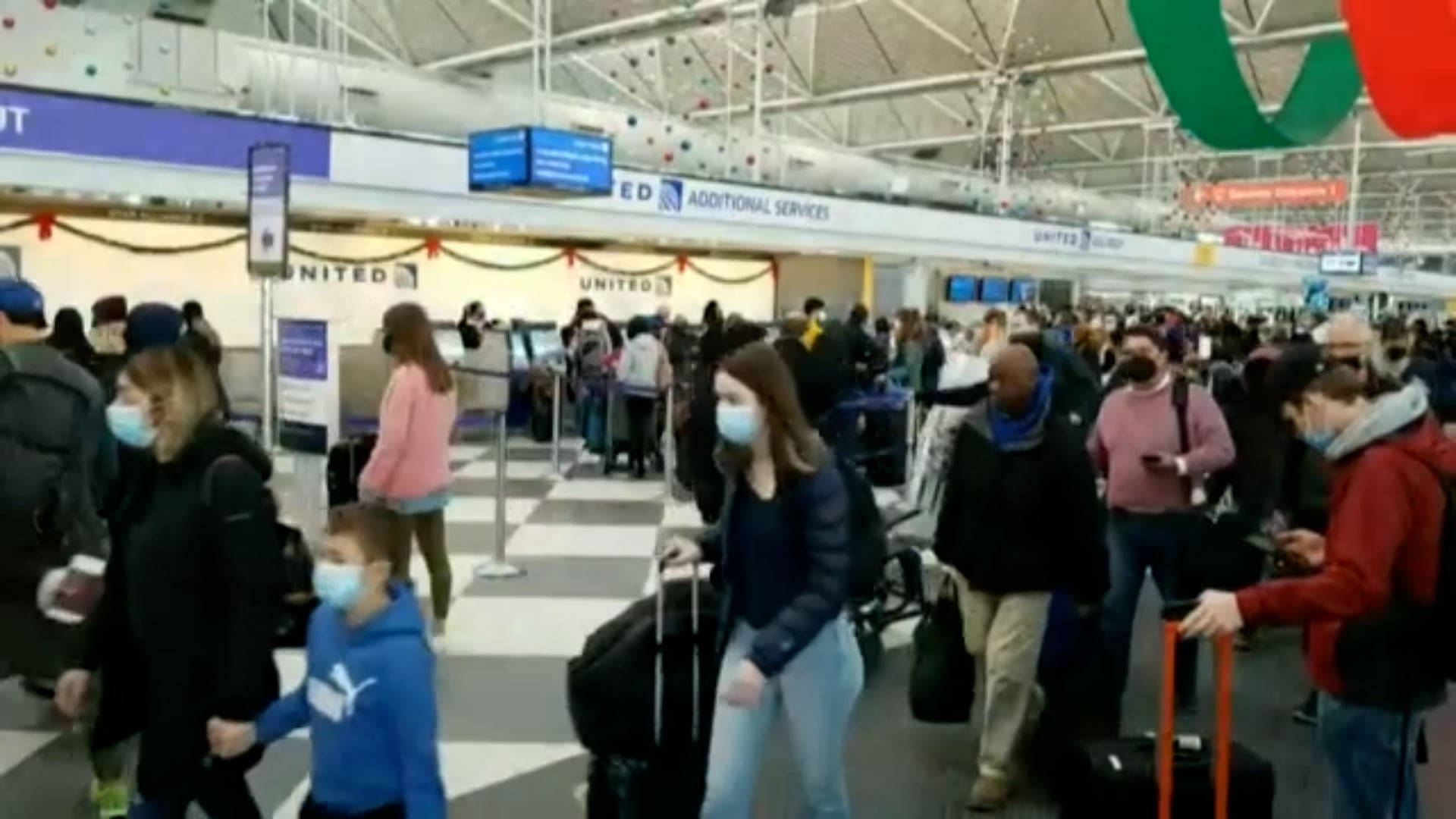
Airlines canceled more than 3,000 flights on Monday over severe weather and crew shortages. The cancellations come on one of the busiest travel days of the holiday season, and is a continuation of the industry-wide disruption that started before Christmas. Thomas Pallini, Aviation Reporter for Insider joined Wake Up with Cheddar to discuss.
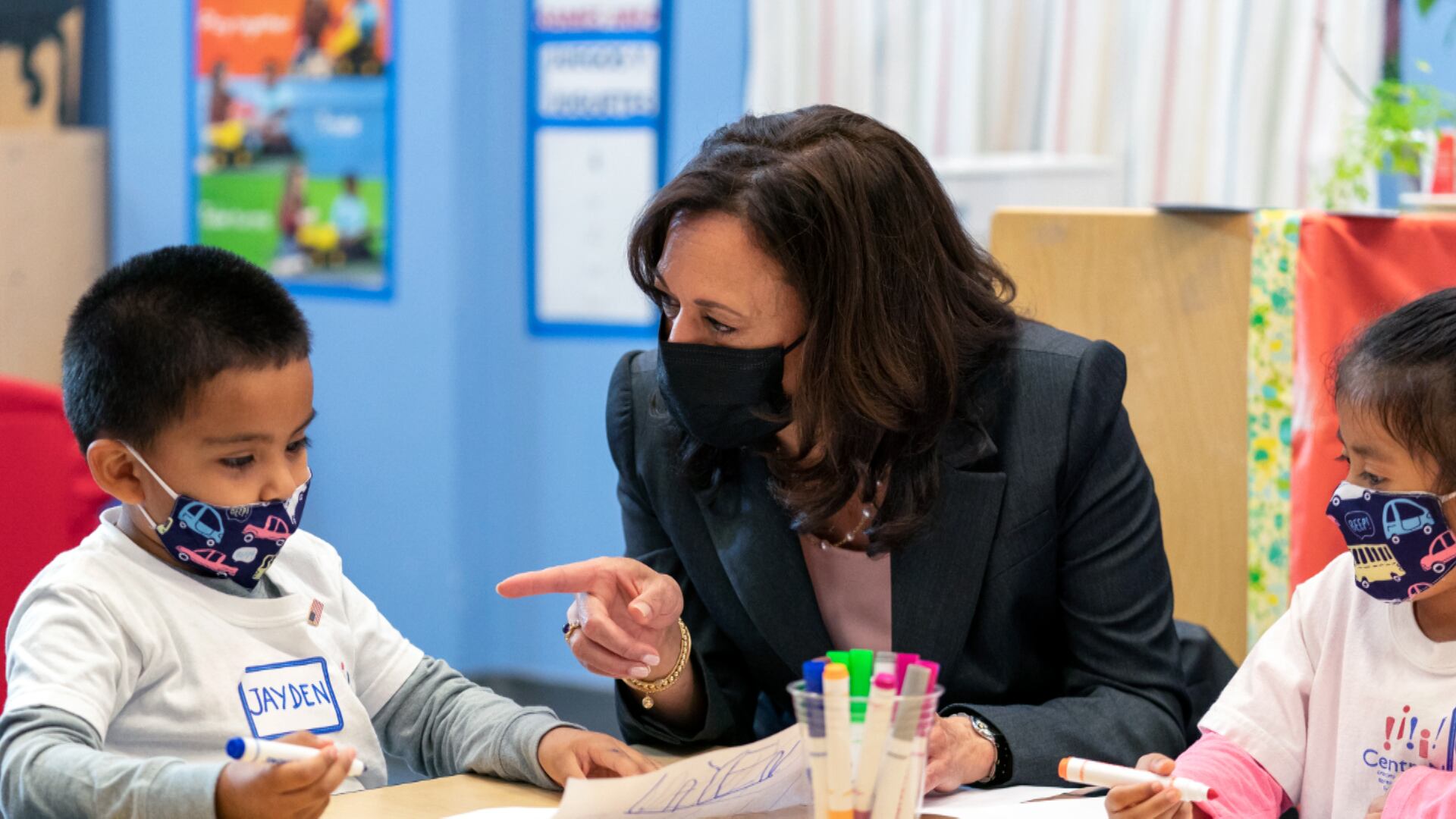
Millions of Americans with young children have relied on the child tax credit since the federal government began issuing checks in July 2021. The last round of payments was sent out just before the Christmas holiday — at the same time as the omicron variant surged. Leah Hamilton, associate professor of social work at Appalachian State University, joined Cheddar to discuss what the end to the tax credit means as the U.S. sees the end of many relief programs and its highest number of COVID cases since the start of the pandemic. "It'll become harder for families to meet their basic needs, increasing national childhood poverty rates and the proportion of families who have difficulty putting food on the table, maintaining stable housing, and paying their bills," Hamilton said. She also pointed to research that the credit as a long-term investment in children offsets claims that it contributes to macroeconomic impacts like inflation.
Several Silicon Valley insiders are being accused of contorting a 1990s-era tax break to avoid taxes on millions of dollars of investment profits. The tax break is known as the qualified small business stock exemption, and it allows early investors in certain companies to avoid half of the taxes on up to $10 million in capital gains. A piece recently published in the New York Times says venture capital firms like Andreessen Horowitz replicated the tax exemption by giving shares of companies to friends and family, who would otherwise face a 23.8% capital gains bill. The CEO of Roblox is also accused of replicating the tax break for his family members at least 12 times. Although the loophole known as 'stacking' is considered to be legal, the Times piece implies that the exemption has been manipulated for the ultra-wealthy to become more wealthy. Greycroft co-founder and Chairman Emeritus Alan Patricof joins Cheddar News' Closing Bell to discuss.
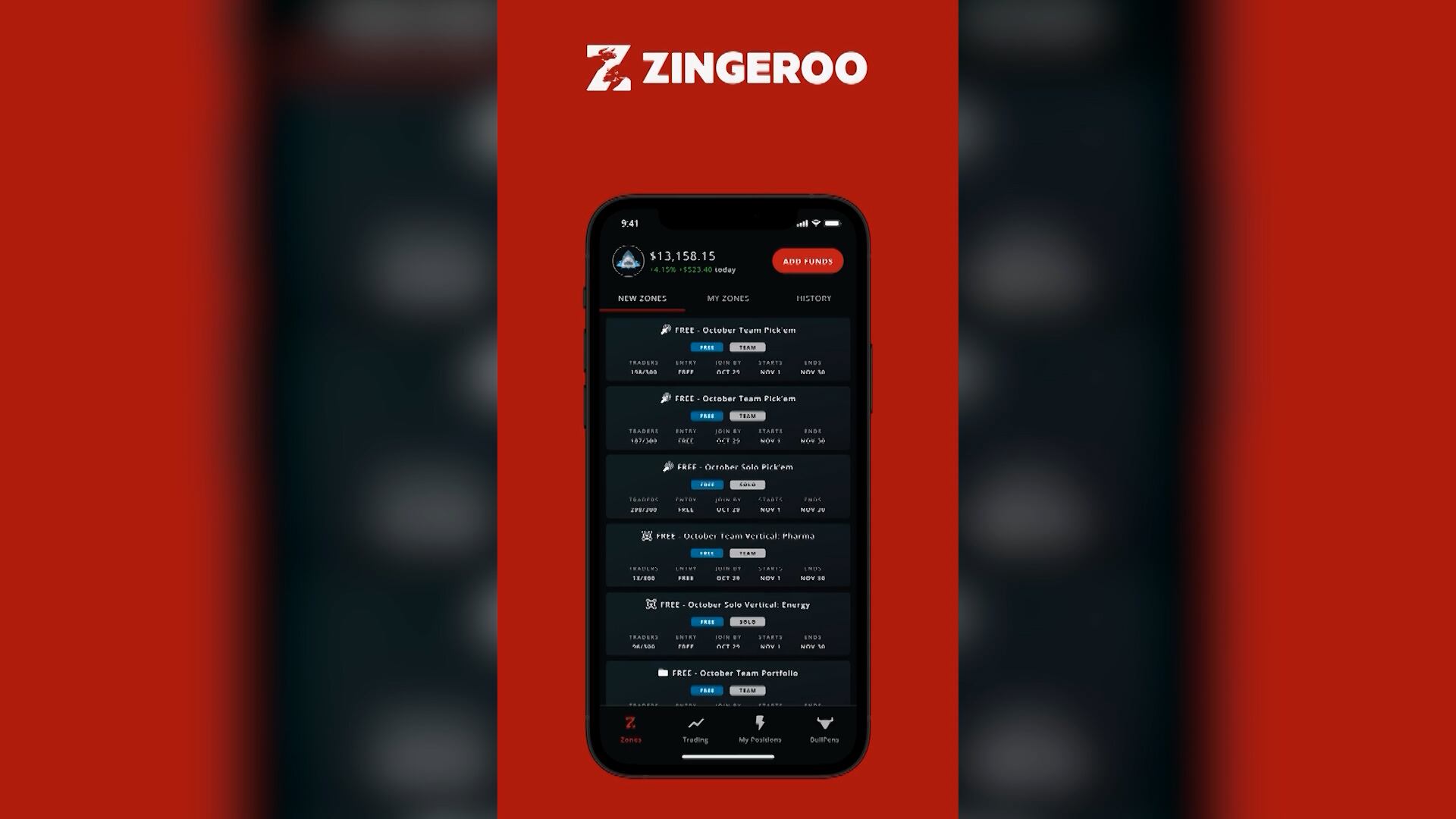
There is a new player in the mobile app stock trading space.
Zingeroo recently announced a funding round of $8.5 million. The company says it aims to bring 'friendly competition' to stock trading, by literally breaking trading down into daily and weekly competitions between friends. Zingeroo also says it hopes its new approach can make trading more accessible, educational, and social than ever before. Zingeroo co-founder and CEO Zoe Barry joins Cheddar News' Closing Bell for more.