In Maryland, the Montgomery County Council has introduced a resolution deeming racism a public health crisis.
In an interview with Cheddar, councilmember Will Jawando says disparities the black community faces are staggering. Recent social uprisings might have lit the flame under Jawando to introduce the resolution but the issue of racial inequality goes back hundreds of years, he said.
"Racism is the direct result, for 401 years, we've been either property or legally discriminated against for most of that time," Jawando told Cheddar.
In Montgomery County, systemic racism is not limited to just over-assertive and sometimes lethal policing of the black community, he said. It's also running rampant in the healthcare system. As COVID-19 continues to ravage communities of color nationwide, 18 percent of the black population in his county makes up a quarter of the deaths related to the virus.
For Jawando, racism in the Washington DC suburb is simply a reflection of society on a smaller scale.
"If you look at maternal health and childbirth, black women die at three times the rate," he said. "When they come in with problems, often doctors — look at Serena Williams — don't believe that they're sick."
Introducing the resolution, which he expects to pass next week, is a first step for curing the public health crisis in his county, Jawando said, but he hopes the measure is eventually recognized on both the state and federal levels. He also supports other methods of combating racism including the growing call to defund police departments nationwide.
"We shouldn't have stats driven by policing," he explained. "De-escalation, that should be rewarded just as much as we reward arrests and tickets."
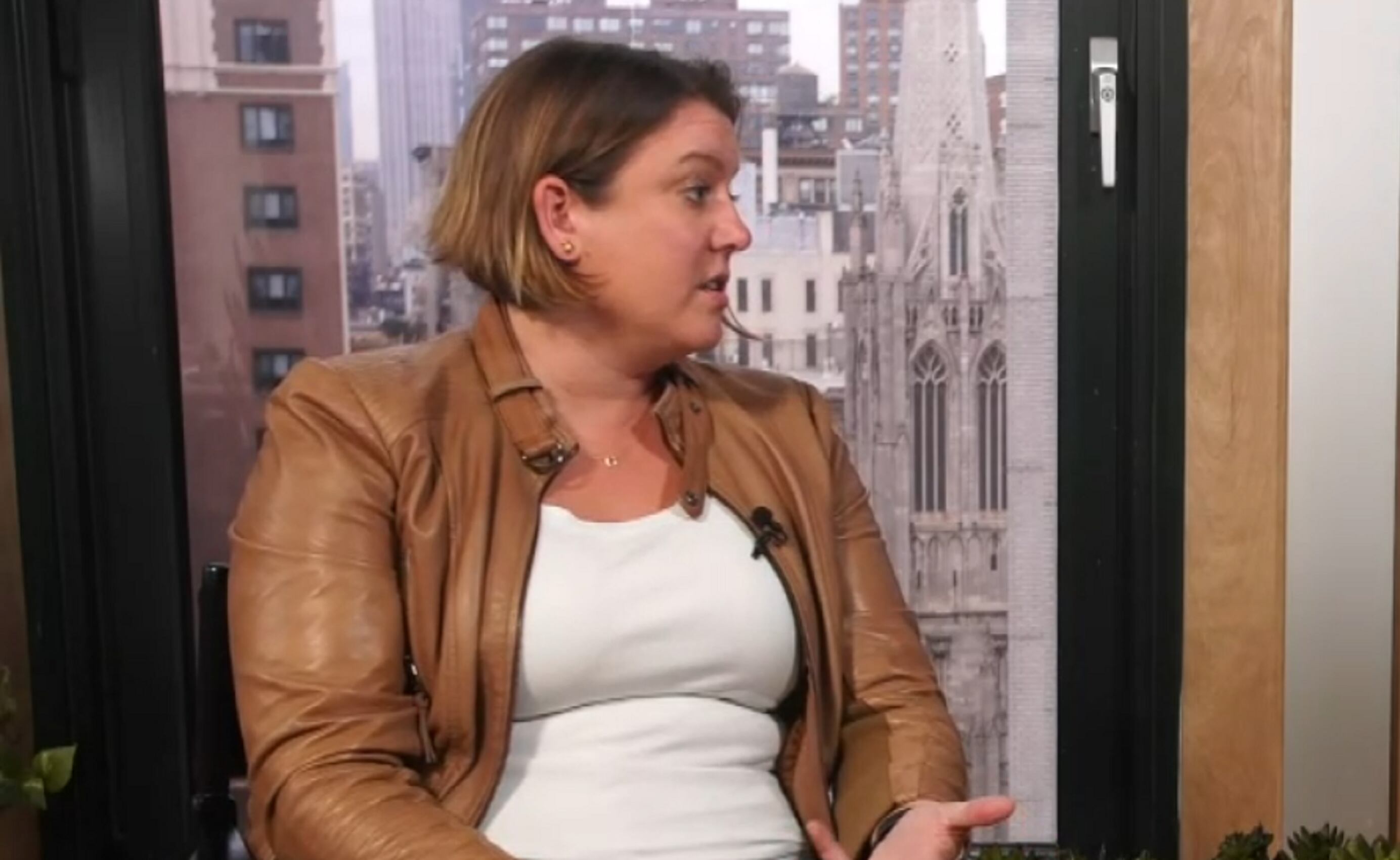
After months of damaging headlines and privacy mishaps, Facebook may be down, but it's not out ー especially not in the case of the U.S. midterms, according to the company's director of outreach. Katie Harbath, global politics and government outreach director at Facebook spoke with Cheddar's Hope King about fighting fake news from the company's "war room" in an exclusive interview.
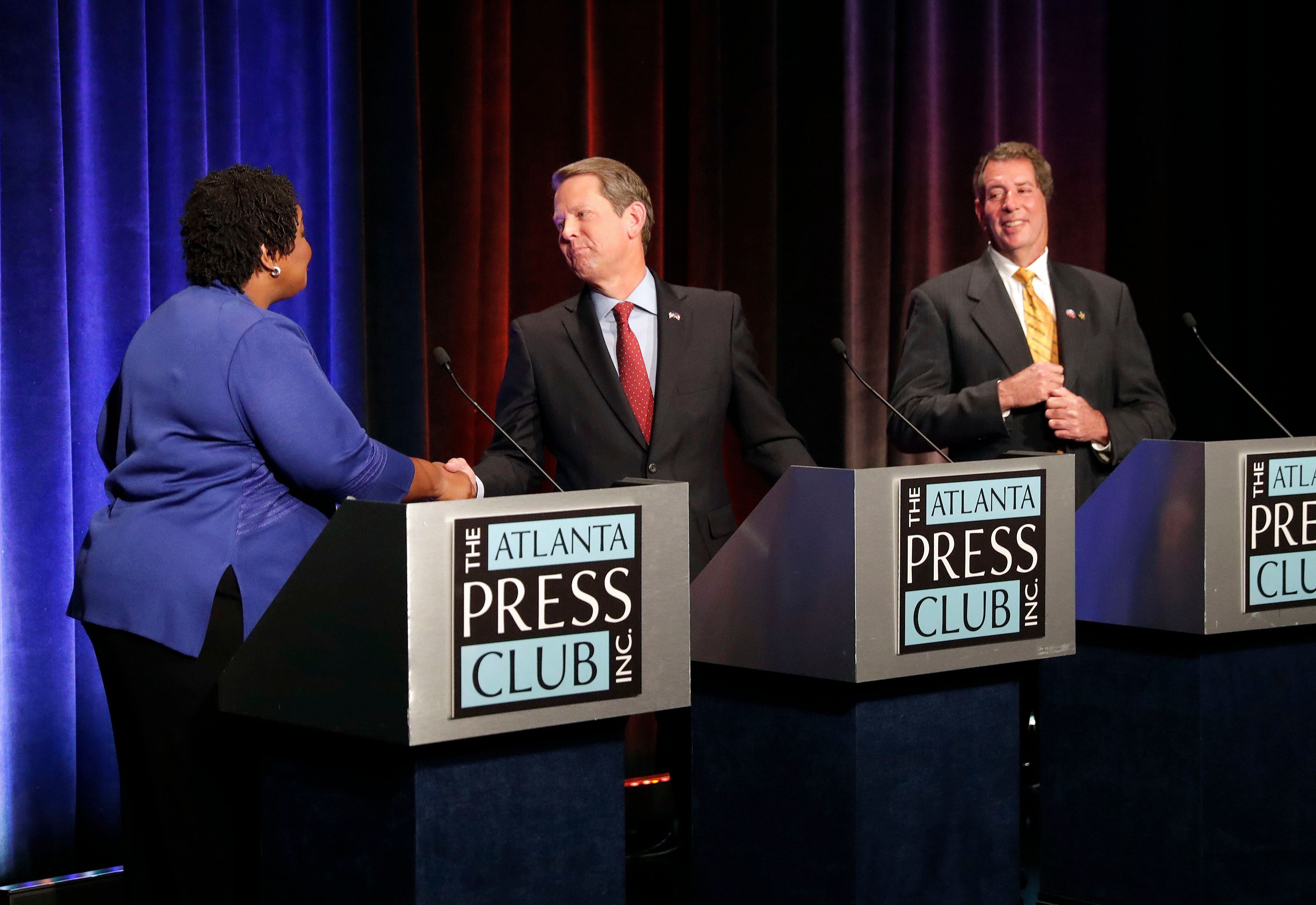
Eugene Scott, political reporter for The Washington Post, and Michael Harriot, columnist for The Root, weigh in on Georgia's close race for governor between Brian Kemp (R) and Stacey Abrams (D).
These are the headlines you Need 2 Know.
A record number of women are on the ballot next week, but many have struggled to finance their campaigns. Sarah Chamberlain, president and CEO of Republican Main Street Partnership, explains the funding gap that follows women on the campaign trail.
Axios is taking a different approach to success than many of its traditional media rivals. In a click-bait media universe, the digital media start-up is prioritizing engagement over page views. "We need engaged users, not just users," co-founder Roy Schwartz told Cheddar.
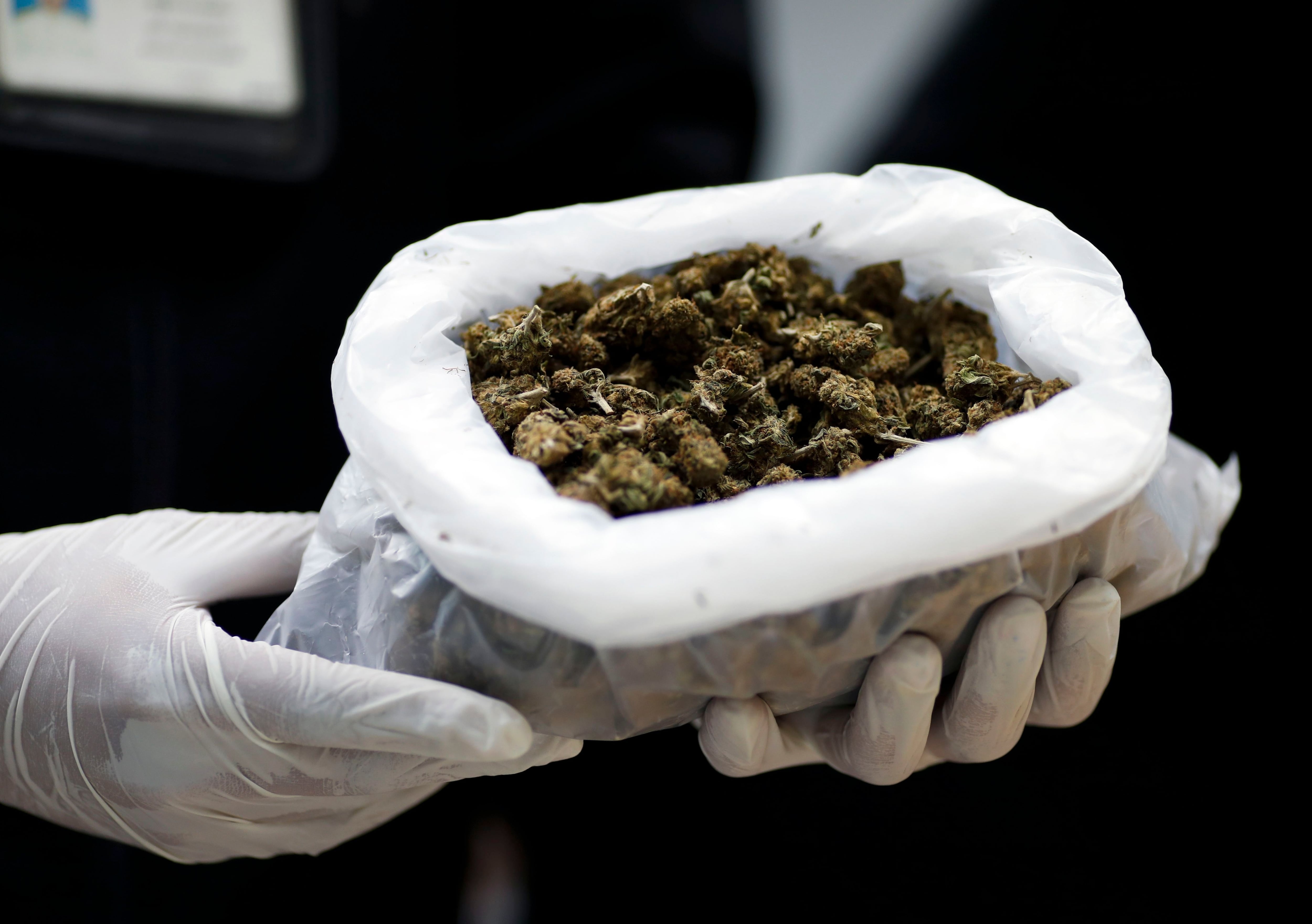
On Tuesday, Missouri could become the 32nd state in the U.S. to legalize medical marijuana. Cannabis legalization has garnered more public support in recent years, and medical pot is often thought to be the gateway to fuller legalization. While the Missouri medical community is split on the drug's medicinal value, much of the student body at the University of Missouri has a pro-legalization stance.
These are the headlines you Need 2 Know.
Debbie Mucarsel-Powell, the Democratic candidate running in Florida's 26th district, is slamming ads attacking her, including one that shows a man pointing a gun. Mucarsel-Powell lost her father to gun violence.
The markets looked to recover losses for October in the last day of trading for the month. Facebook shares were making solid gains on the heels of its third-quarter earnings results. Revenue slowed but the company beat estimates on earnings per share. Plus, Debbie Mucarsel-Powell, an Ecuadorian immigrant running to represent Florida's 26th district, tells Cheddar the changes she would make if elected to office. The midterms are just six days out.
October's reputation as a volatile month for stocks will remain unbroken ー at least for now. The S&P 500 will close its worst October since the financial crisis a decade ago and its worst month in eight years. The gains in equities from a summer rally have been wiped out across just about every slice of the market.