In Maryland, the Montgomery County Council has introduced a resolution deeming racism a public health crisis.
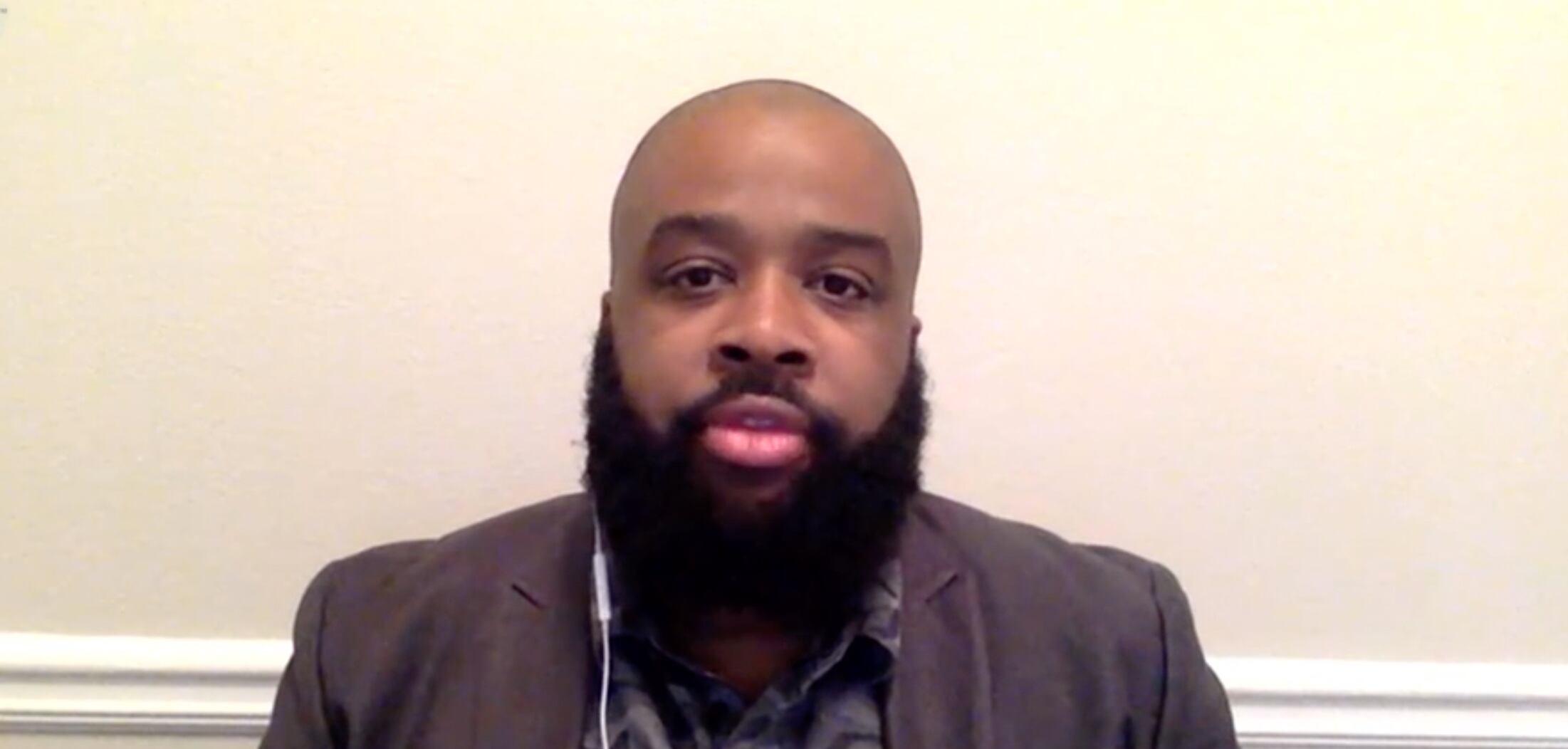
In an interview with Cheddar, councilmember Will Jawando says disparities the black community faces are staggering. Recent social uprisings might have lit the flame under Jawando to introduce the resolution but the issue of racial inequality goes back hundreds of years, he said.
"Racism is the direct result, for 401 years, we've been either property or legally discriminated against for most of that time," Jawando told Cheddar.
In Montgomery County, systemic racism is not limited to just over-assertive and sometimes lethal policing of the black community, he said. It's also running rampant in the healthcare system. As COVID-19 continues to ravage communities of color nationwide, 18 percent of the black population in his county makes up a quarter of the deaths related to the virus.
For Jawando, racism in the Washington DC suburb is simply a reflection of society on a smaller scale.
"If you look at maternal health and childbirth, black women die at three times the rate," he said. "When they come in with problems, often doctors — look at Serena Williams — don't believe that they're sick."
Introducing the resolution, which he expects to pass next week, is a first step for curing the public health crisis in his county, Jawando said, but he hopes the measure is eventually recognized on both the state and federal levels. He also supports other methods of combating racism including the growing call to defund police departments nationwide.
"We shouldn't have stats driven by policing," he explained. "De-escalation, that should be rewarded just as much as we reward arrests and tickets."
These are the headlines you Need 2 Know for Friday, Nov. 30, 2018.
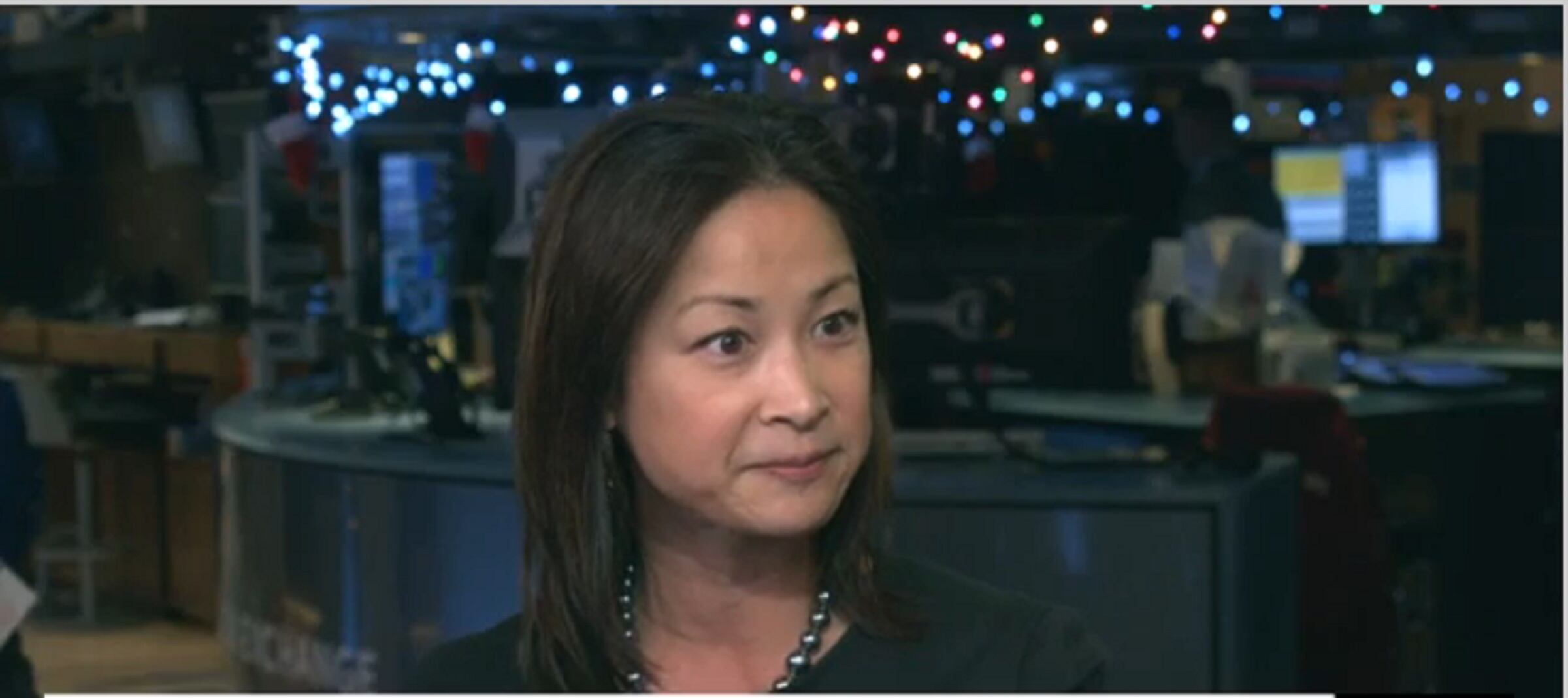
Ignorance is a major impediment in the effort to reverse climate change, said the former chief sustainability officer for the Obama administration. “I think lot of it is lack of awareness, these are topics that a lot of energy nerds like myself have been thinking of for a long time," Christine Harada, the president of i(x) Investments told Cheddar on Wednesday.
This morning on Cheddar Big News: President Trump says a pardon is "not off the table" for his former campaign chairman Paul Mananfort; families of victims of the Santa Fe, Tex. school shooting sue the parents of the gunman; and highlights from the National Tree Lighting in Washington, D.C.
These are the headlines you Need 2 Know for Thursday, Nov. 29, 2018.
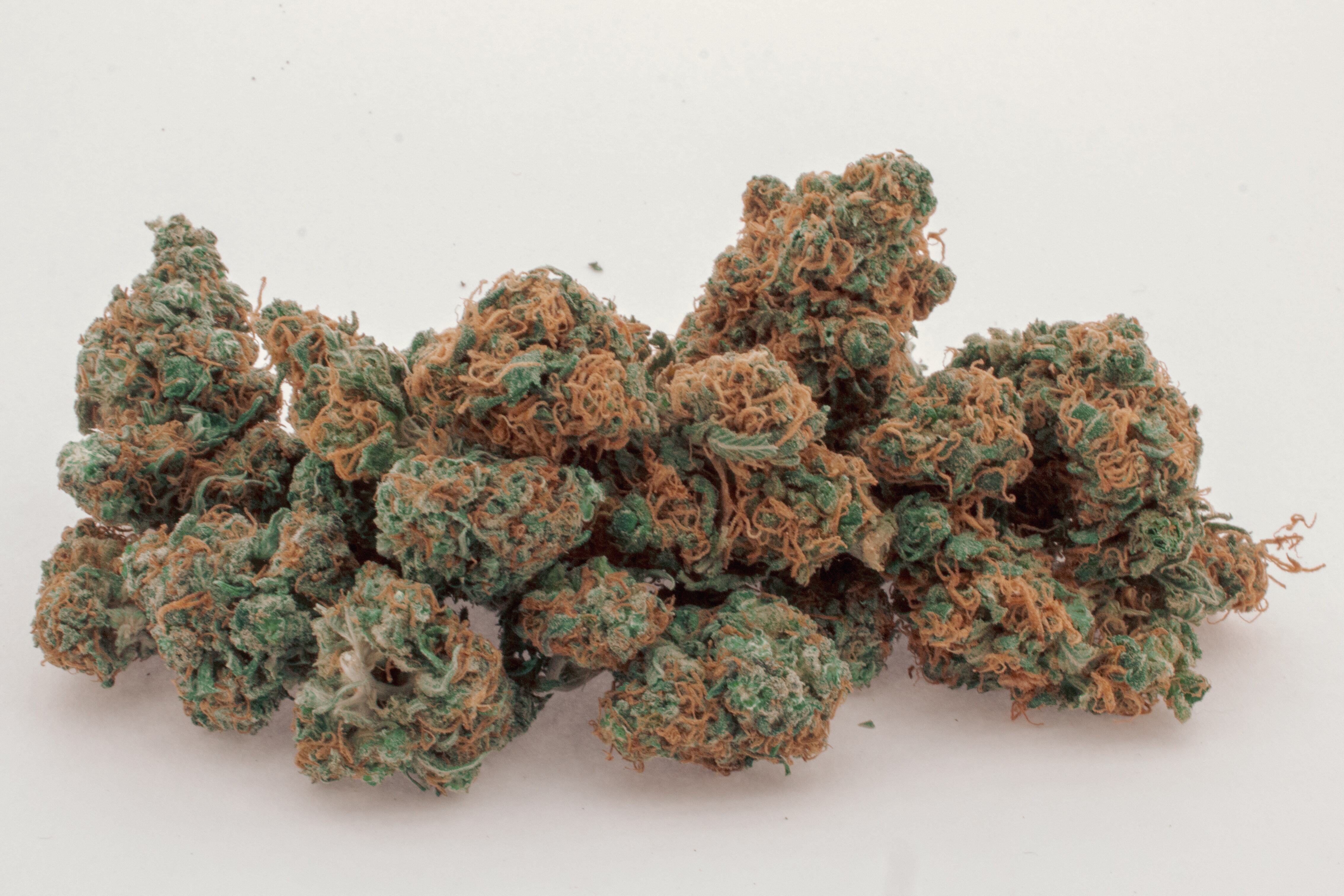
Committees in the New Jersey state Senate and Assembly may have both approved a bill that would legalize recreational marijuana in the state, but the bill's success isn't certain, said Politico New Jersey Reporter Sam Sutton.
Facebook has failed to properly address its “black people problem,” a former employee told Cheddar Wednesday. Earlier this month, former partnerships manager Mark Luckie sent a searing memo criticizing the company’s lack of racial diversity to Facebook employees shortly before he left his post. He recently published the memo, which quickly went viral.
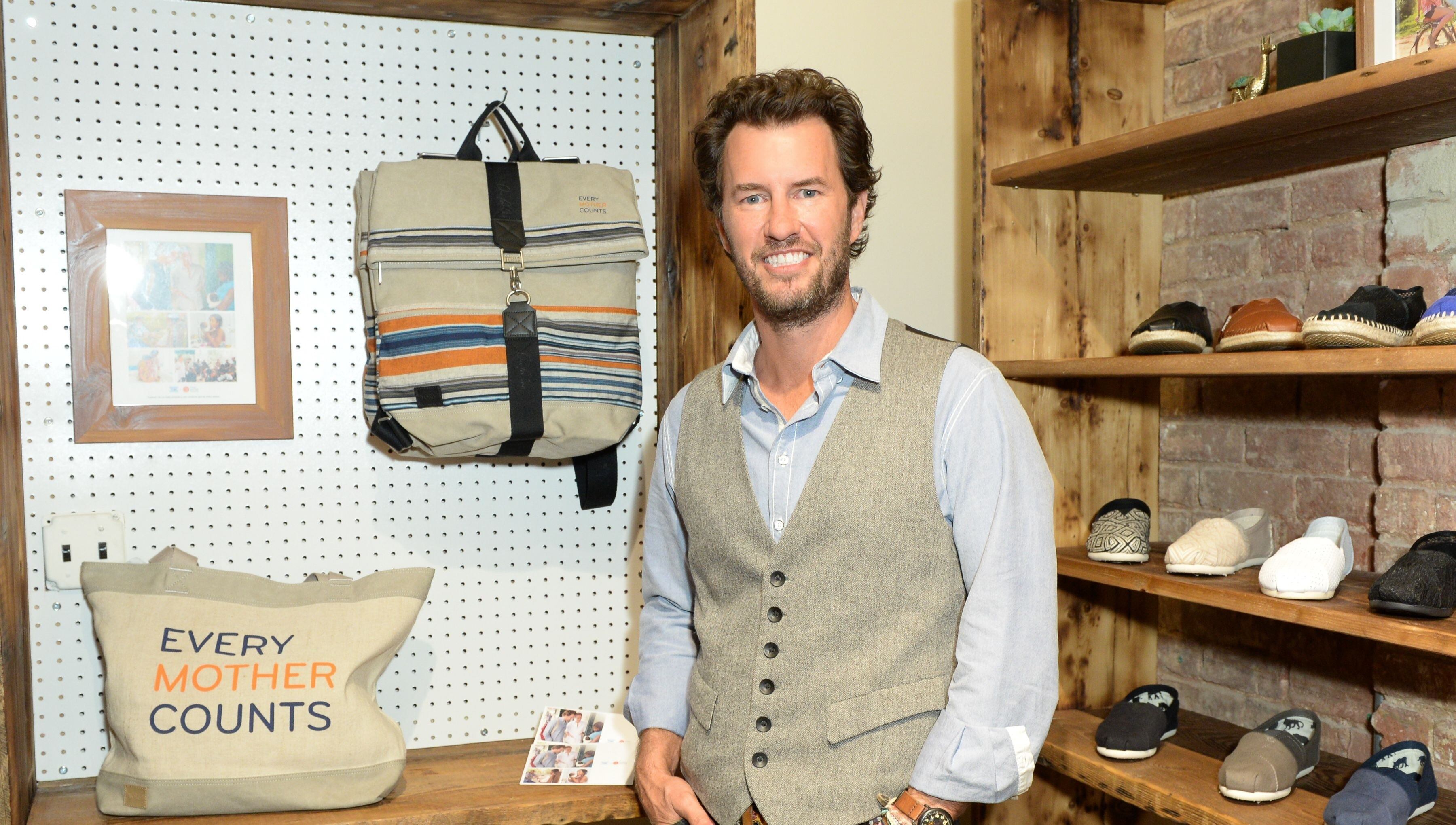
TOMS Founder Blake Mycoskie told Cheddar in an interview he decided after the recent shooting in Thousand Oaks, Calif., near his home, that it was incumbent on businesses to act where lawmakers could not.
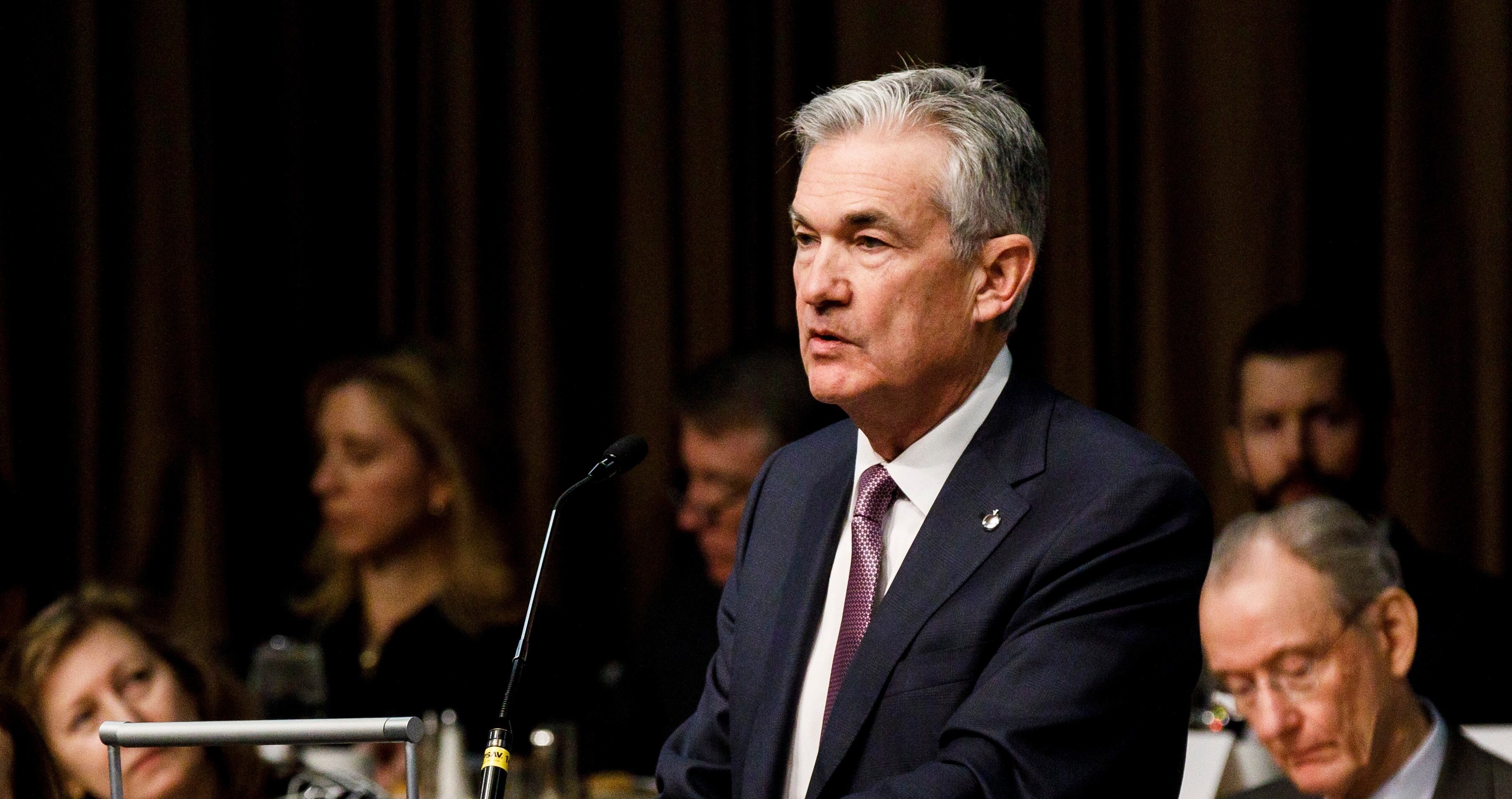
Fed Chair Jerome Powell addressed a luncheon Tuesday with a tone that suggested interest rate hikes may slow. Investors loved what they heard, and markets soared in the wake of Powell's remarks.
Venezuela, once a vibrant economy with some of the richest oil reserves in the world, is now in economic crisis. Brian Price, executive producer of a new documentary "Venezuela: State of Disaster," explores how a country with so much promise devolved into utter economic disaster, where hospital patients are now told to "bring their own lightbulbs" to surgery so the doctor can see.
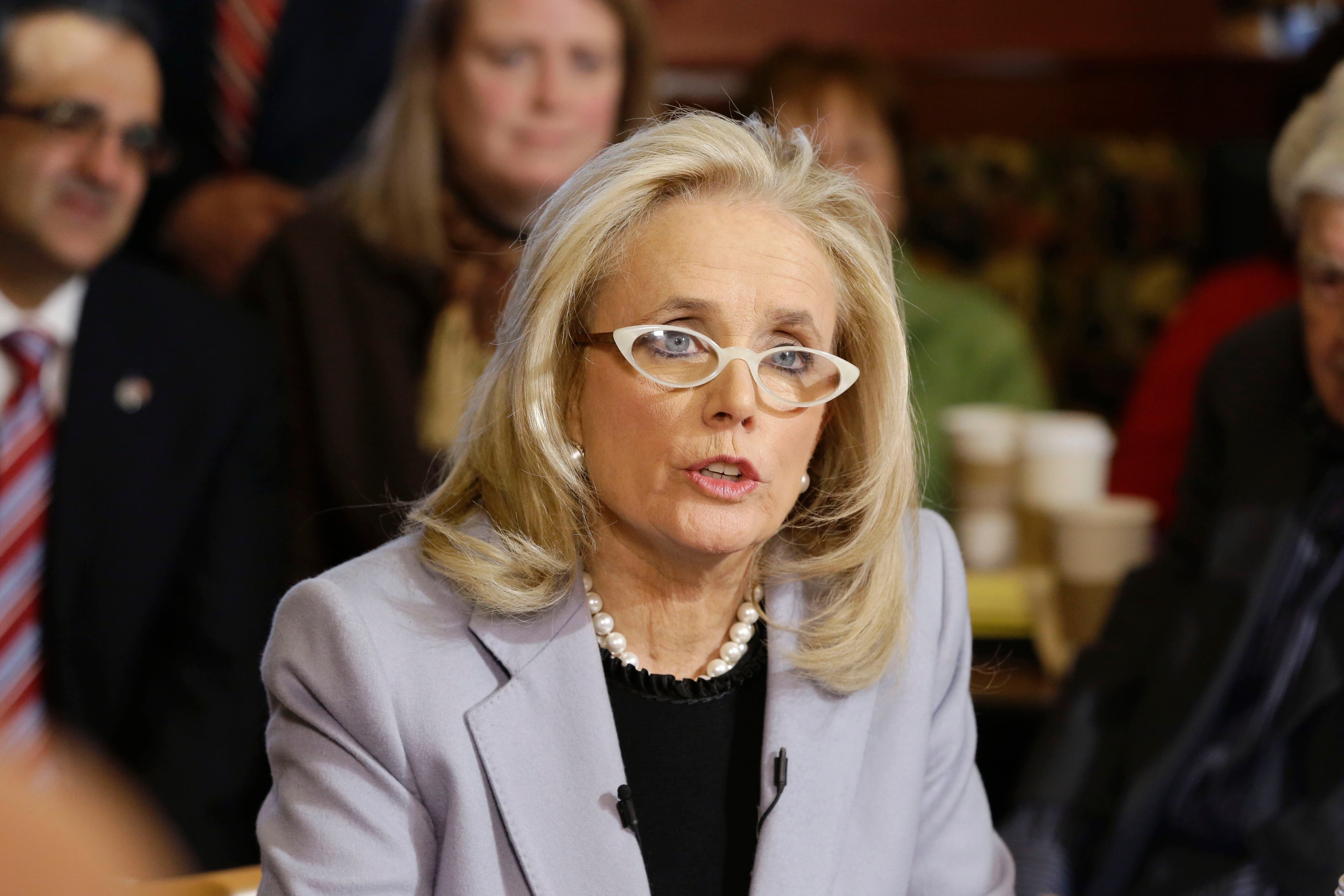
After General Motors announced it will be closing several plants and reducing its workforce significantly, there was bipartisan criticism from Americans and Congress. Democrat Debbie Dingell, a representative from a small suburb of Detroit, told Cheddar that she was backing out of her support for President Trump's trade policies if they meant GM jobs would be going to Mexico.