It's January, and many are taking the first steps to follow through on their New Year's resolutions. Maybe that's more time at the gym, a diet, or a weekly reading goal. Regardless, almost anyone will tell you that sticking to your goals is tough. So psychiatrist Dr. Yalda Sophie has some tips for those trying to go the distance.
Number one, don't over do it. "Most people get too ambitious," she said. For example, if you've never worked out before, don't make it your New Year's resolution to run a marathon by January."
Not only is that probably impossible, your failure will discourage you from working out more regularly — which is the real goal, not running a marathon.
The best approach, she said, is to focus on small changes that can be made over time. "You can't create a habit overnight. You can't break a habit overnight. So give yourself time." In other words, it's about the process rather than the end goal.
That way, every time you make some progress, you get a little dopamine hit. This can create a positive feedback loop that will make the changes lasting, rather than blip in January.
Sophie said this applies to a common New Year's goal: dry January.
While every person has to assess their own drinking behavior, she stressed that it's best to cut down on alcohol consumption "little by little every day" rather than going "cold turkey."
"Once you start and get the momentum going, it gets easier in the process," she said.
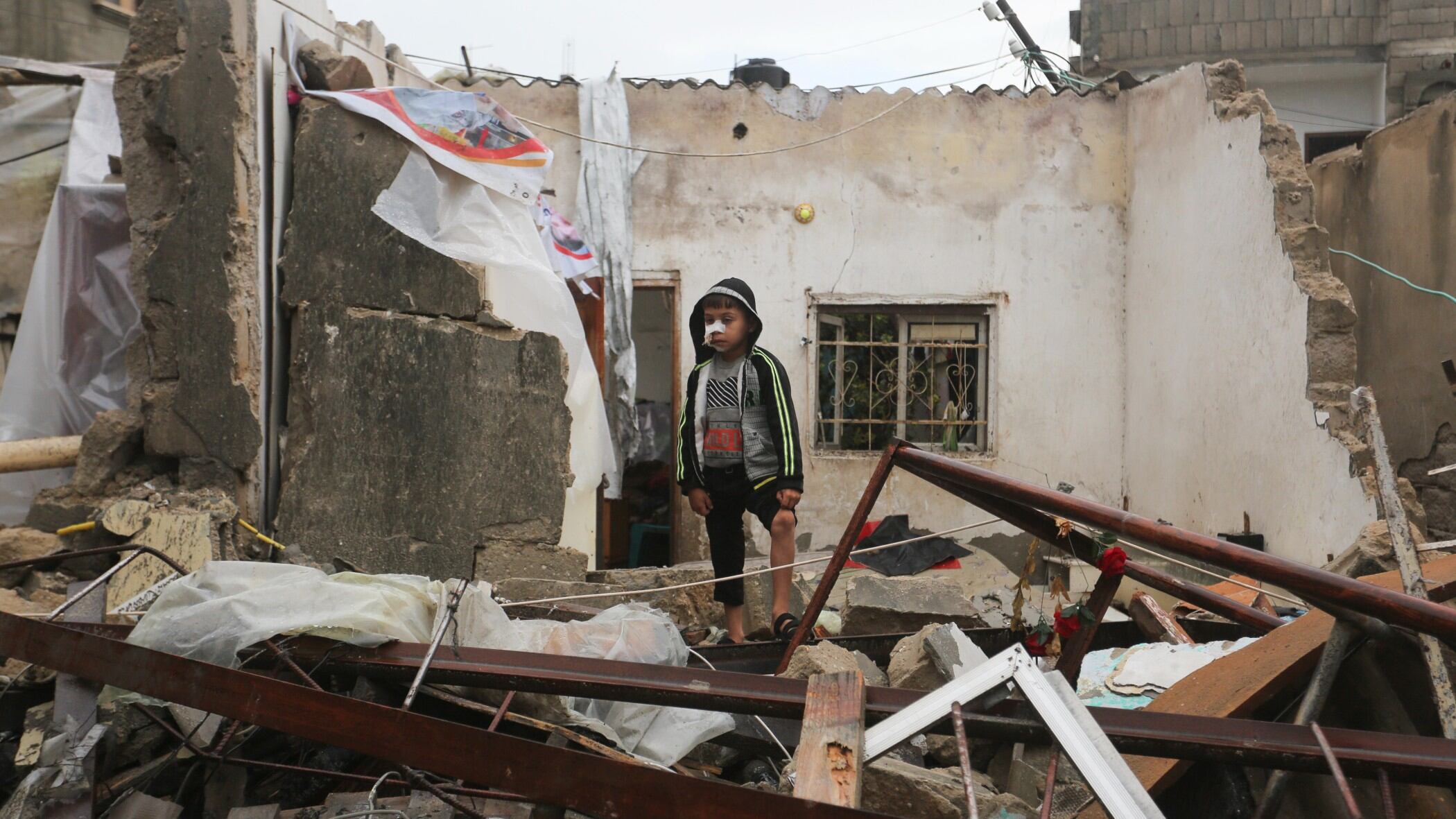
Communications systems in the Gaza Strip were down for a second day with no fuel to power the internet and phone networks, causing aid agencies to halt cross-border deliveries of humanitarian supplies even as they warned people may soon face starvation.
Nearly nine out of 10 parents believe their child is performing at grade level despite standardized tests showing far fewer students are on track, according to a poll released Wednesday by Gallup and the nonprofit Learning Heroes.
An Iowa teen convicted in the 2021 beating death of a high school Spanish teacher was sentenced Wednesday to life in prison with a possibility of parole in 25 years.
There were still deep differences on economic competition and global security threats. But Biden said they agreed to “pick up the phone” and talk if urgent issues arise. Biden said “that's important progress."
Israel has threatened to expand operations in the south, where hundreds of thousands of people who heeded earlier evacuation orders are crowded into U.N.-run shelters and family homes.
Eight Las Vegas teenagers ranging from 13 to 17 years old have been arrested and will be charged with murder for the death of 17-year-old Jonathan Lewis Jr.