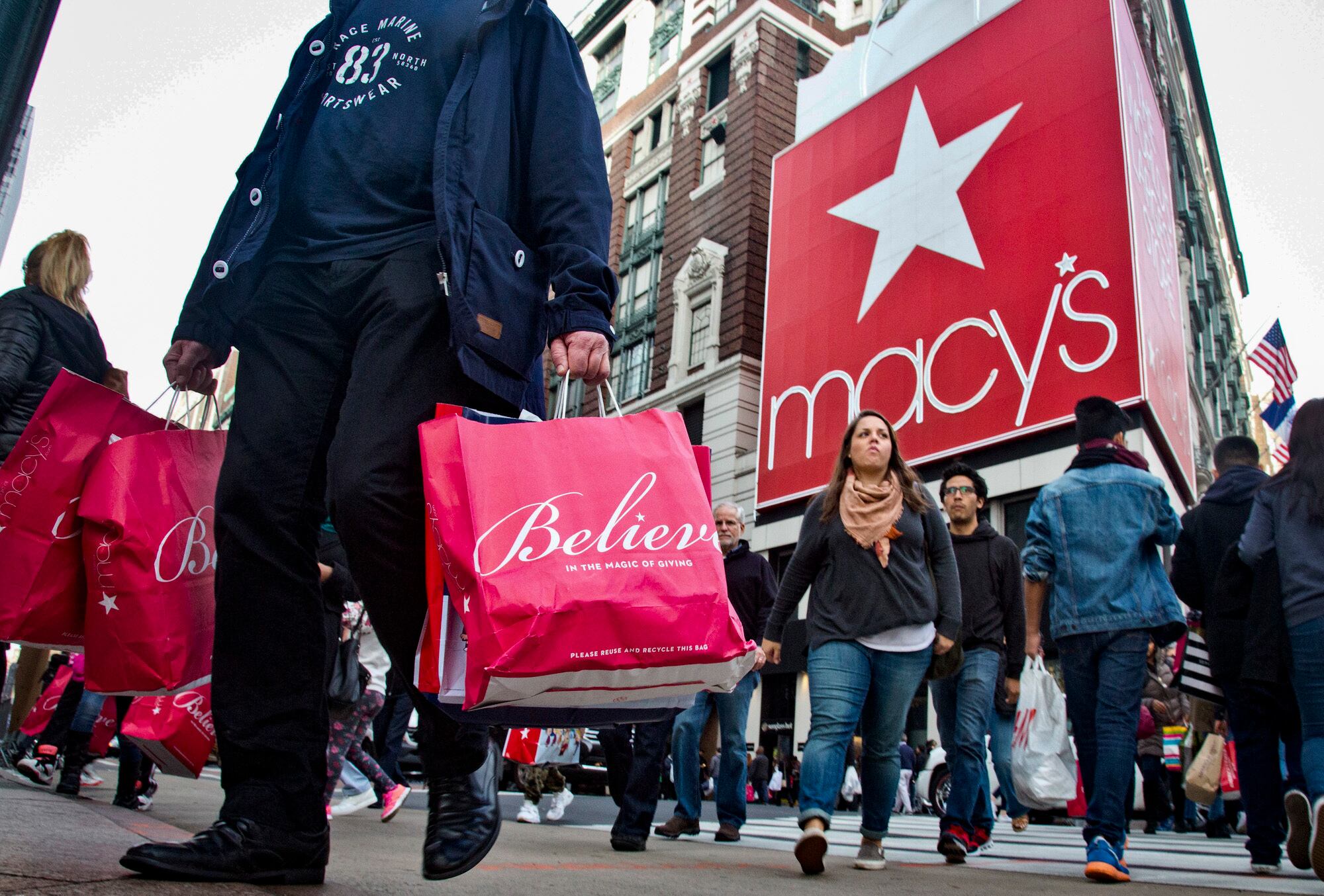
This file photo from Monday Oct. 17, 2016, shows shoppers and pedestrians in a crosswalk near a giant billboard next to Macy's flagship department store in Herald Square in New York. Macy's has filed a lawsuit against the company that owns the billboard, fighting to prevent Amazon from taking over the advertising space that carried Macy's name for almost 60 years. (AP Photo/Bebeto Matthews, File)
Macy's has filed a lawsuit against the company that owns the giant billboard next to its flagship Manhattan store, fighting to prevent Amazon from taking over the advertising space that carried Macy's name for almost 60 years.
In the lawsuit, filed last week in state Supreme Court in Manhattan, the department store retailer said there has been a restrictive covenant in place since 1963 barring the billboard space from being used by any Macy's competitor.
But Macy's said that when it tried to negotiate a lease renewal this year, the billboard's owners, the Kaufman Organization, told them they were in discussions with a “prominent online retailer," and there was “little doubt" that meant Amazon, according to the lawsuit.
Messages were left with the Kaufman Organization seeking comment. Amazon had no comment.
In the lawsuit, Macy's asked the judge for an injunction that would keep Kaufman from leasing the space to Amazon or any other competitor.
“The damages to Macy’s customer goodwill, image, reputation and brand, should a ‘prominent online retailer’ (especially, Amazon) advertise on the billboard are impossible to calculate," the company said in the lawsuit.
The lawsuit pointed out that the billboard is highly visible in its annual Thanksgiving Day parade, which is nationally televised.
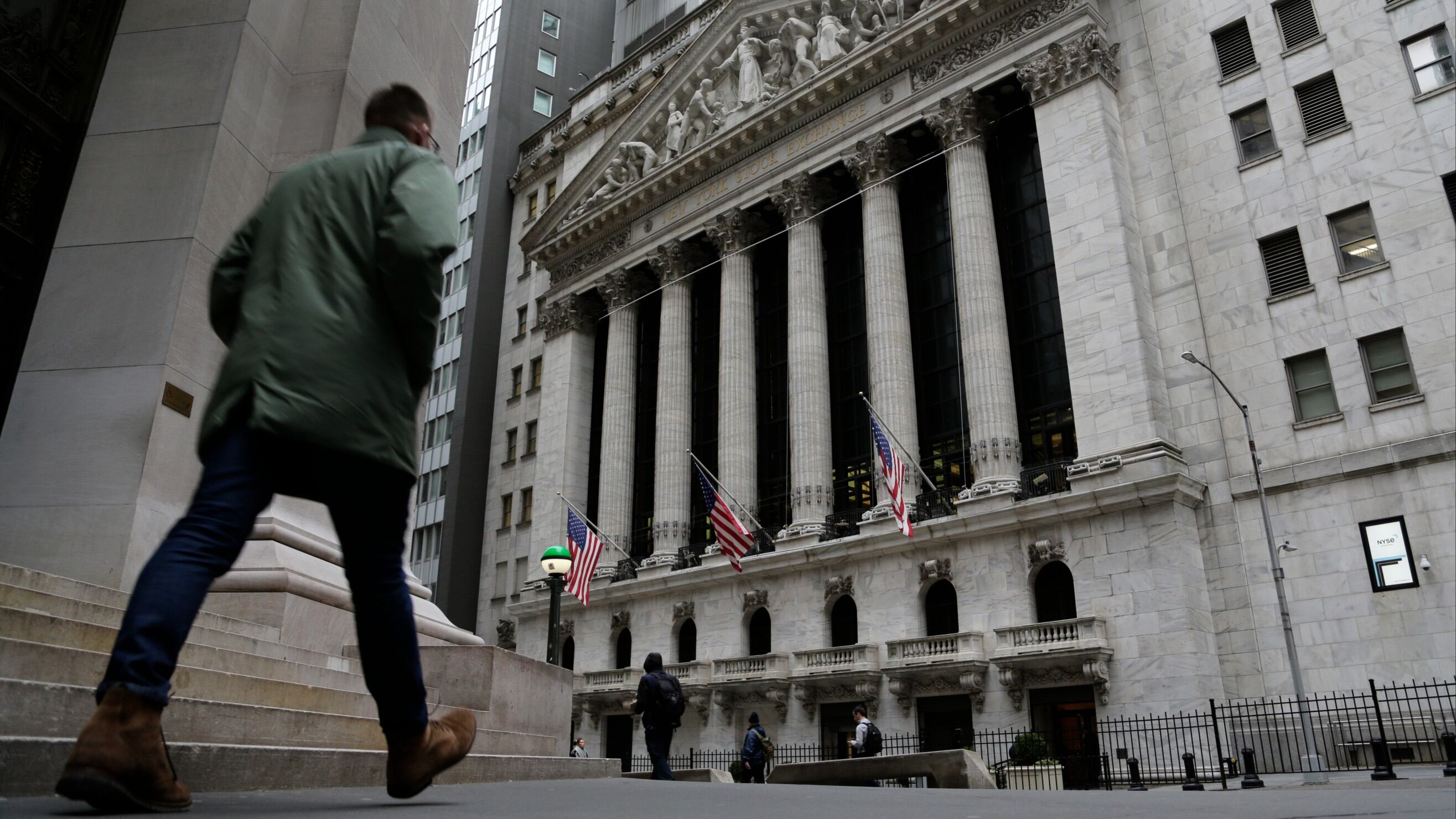
Stocks are holding relatively steady Wednesday as Wall Street bides its time until the Federal Reserve’s announcement in the afternoon about whether it will tighten the screws further on the economy.
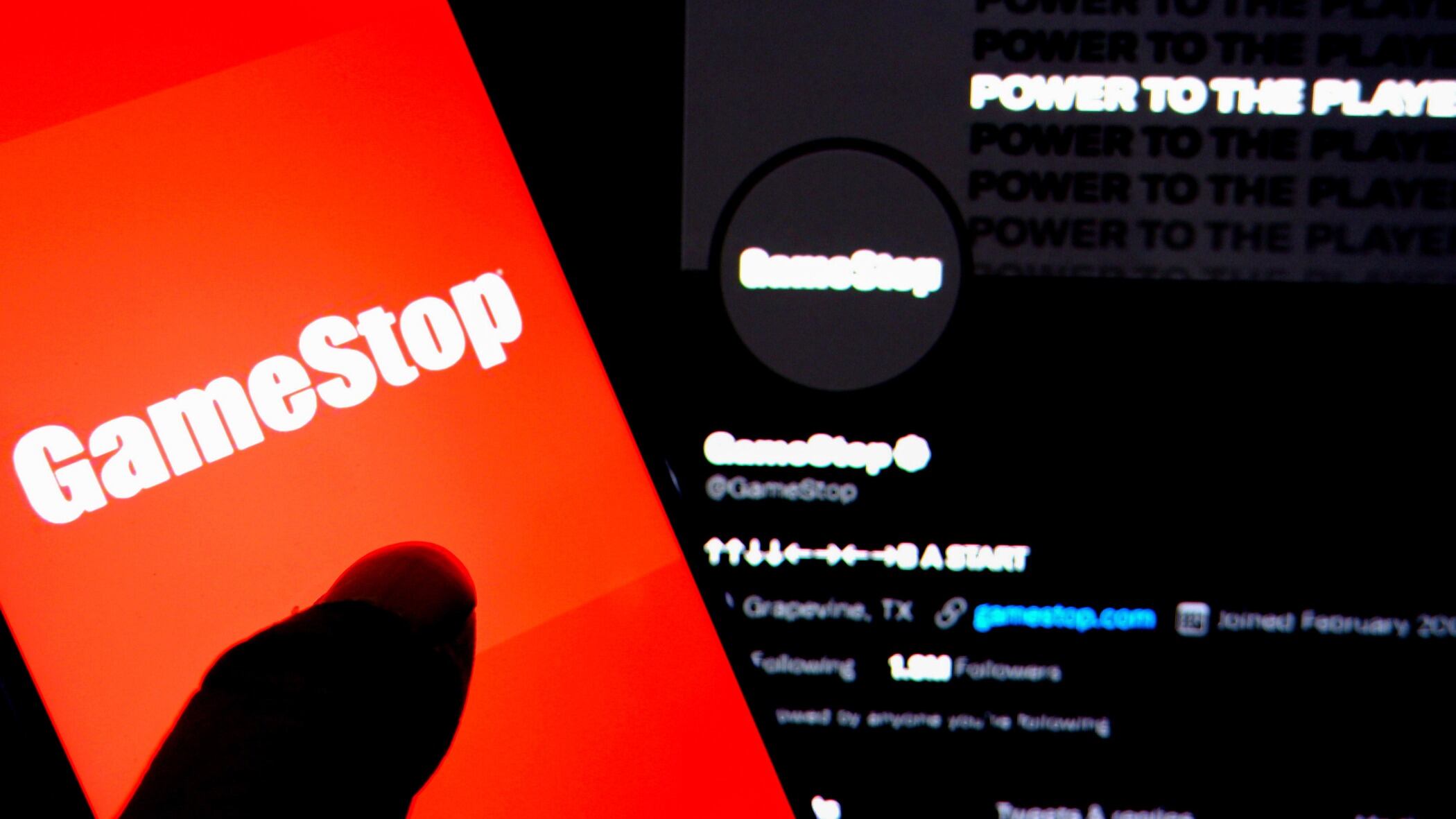
Meme stocks are rising before the opening bell Wednesday after GameStop, one of the most heavily traded off-brand stocks during the pandemic, posted a surprise profit for the fourth quarter.
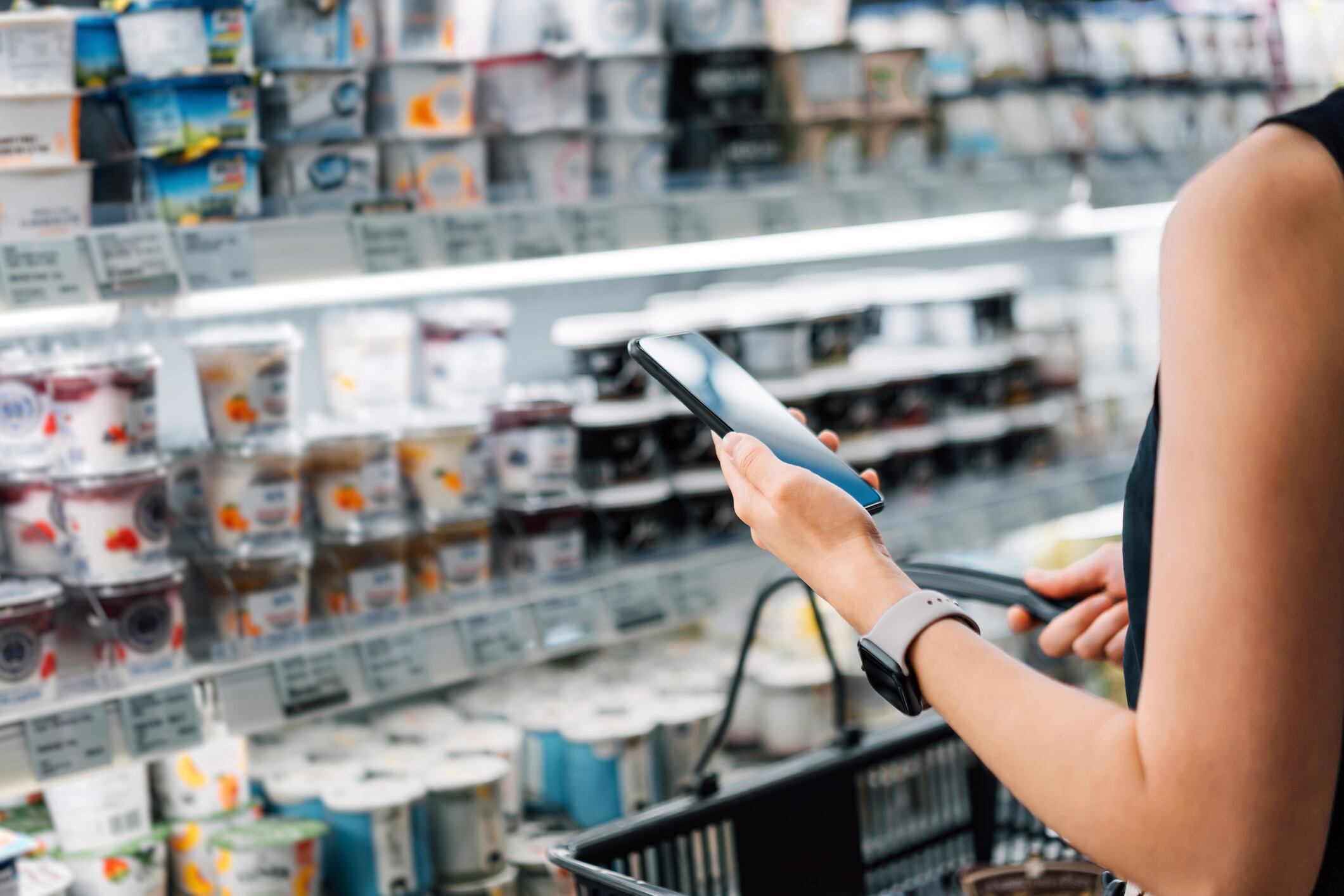
The rising cost of groceries is pushing more consumers to use Buy Now Pay Later (BNPL) services for necessities such as groceries, according to new data from Adobe Analytics.
White Claw helped make hard seltzer a staple for American drinkers. Now it's getting into the spirit business with its own vodka brand because of new rules passed during the pandemic.
TikTok is banning deepfakes amid increasing pressure from the U.S. government over privacy and security concerns. CEO Shou Zi Chew announced the policy in a TikTok video on Tuesday two days ahead of his scheduled appearance before congress.