Macron's Concessions Won't Satisfy Paris Protesters for Long
*By Chloe Aiello*
The famously stoic president of France may have conceded on fuel taxes to protesters, but his decision was most likely a product of circumstance, not an act of altruism. In this case, said Erin Zaleski of the Daily Beast, Emmanuel Macron had no one with whom he could negotiate. But small concessions, like a fuel tax moratorium, won't be enough to satisfy protesters who are wreaking havoc in the streets of Paris.
"People aren't impressed by this concession by the government. They are very suspicious. They are saying, 'Oh well, six months from now, they are just going to reimpose the taxes again so nothing will change,'" Zaleski said.
The protesters "are actually calling for another demonstration this Saturday," she added.
Macron's government on Tuesday announced France will suspend for six months a tax on gas and diesel, originally intended to go into effect in January. The decision follows widespread disruption in the nation's capital, [according the the New York Times](https://www.nytimes.com/2018/12/04/world/europe/france-fuel-tax-yellow-vests.html?action=click&module=Top%20Stories&pgtype=Homepage), from demonstrations that turned violent and destructive. At least three are dead and about 100 injured in clashes between police and yellow vest-clad protesters, called "Yellow Jackets" or "Gilets Jaunes," named for the for the roadside safety vests they wear.
The Gilets Jaunes movement, which is decentralized and organized online, seem to consist largely of working-class individuals who live and work on the outskirts of cities or in rural France and require their cars to commute. Alice Preat and Joseph Cavetz, students at the American University in Paris who witnessed the demonstrations, said the mix of protesters was remarkable.
"People from all over the country are coming to Paris to protest ー its not just Parisians, which is kind of unheard of in terms of Paris protests," Preat said.
"There's definitely a sense of unity in their cause of anti-Macron," Cavetz said. "In America you typically have some element of polarization where the far left and far right wouldn't attend the same protest, but here its a ... very spread out kind of opposition."
Macron's latest fuel tax would add a few cents per gallon to the price of gas to improve France's environmental rap sheet. It proved a breaking point for protesters, who aren't as concerned with environmental reform as they are disgruntled about stagnating wages and rising living costs.
"Generally French people of the lower social classes take issue with it because they feel that the government is hiding behind environmental policies in order to just tax the poor more," Preat said.
Like Zaleski, Preat was not convinced the protests in Paris would cease after Macron's gas tax moratorium. She added the events of the past few weeks would likely undermine his authority.
"His opposition is going to be able to use the violence over these past couple weekends as justification for any counter moves they want to take against him," she said.
Macron has not historically allowed the will of the people to influence his policy-making ー most recently when he faced opposition over the summer to his railway reforms. But this time is different, because Macron is alone at the negotiating table, Zaleski said.
"What's different in this instance is these aren't unions, these aren't companies to negotiate with. These are very loosely organized protests. It has actually sort of evolved into a movement ... there's no one to negotiate with, there's no company, these are the people in the streets," Zaleski said.
And the protests are especially poignant because they're happening in pristine, photogenic, and touristy central Paris.
"I think he sort of felt caught between a rock and a hard place, because the protesters don't seem to be backing down. And again the fact that this violence erupted in central Paris ... you see fires at the Champs Elysees, you see vandalism at the Place Vendome," Zaleksi said.
A new report from ProPublica and the Washington Post found that Facebook Groups played a major role in the spread of misinformation linked to the January 6 insurrection with more than 650,000 posts claiming that Joe Biden's election victory was illegitimate.
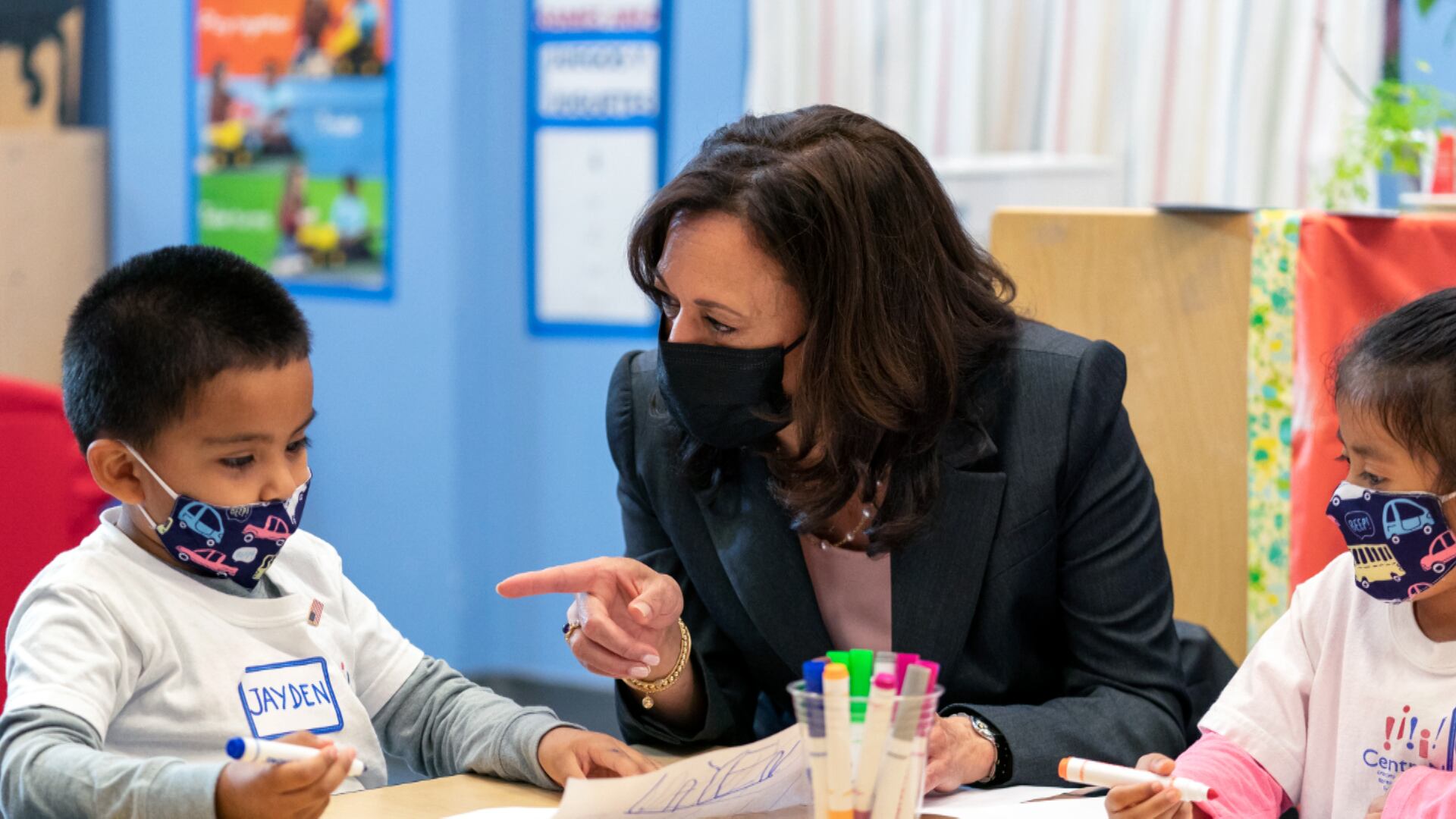
Millions of Americans with young children have relied on the child tax credit since the federal government began issuing checks in July 2021. The last round of payments was sent out just before the Christmas holiday — at the same time as the omicron variant surged. Leah Hamilton, associate professor of social work at Appalachian State University, joined Cheddar to discuss what the end to the tax credit means as the U.S. sees the end of many relief programs and its highest number of COVID cases since the start of the pandemic. "It'll become harder for families to meet their basic needs, increasing national childhood poverty rates and the proportion of families who have difficulty putting food on the table, maintaining stable housing, and paying their bills," Hamilton said. She also pointed to research that the credit as a long-term investment in children offsets claims that it contributes to macroeconomic impacts like inflation.
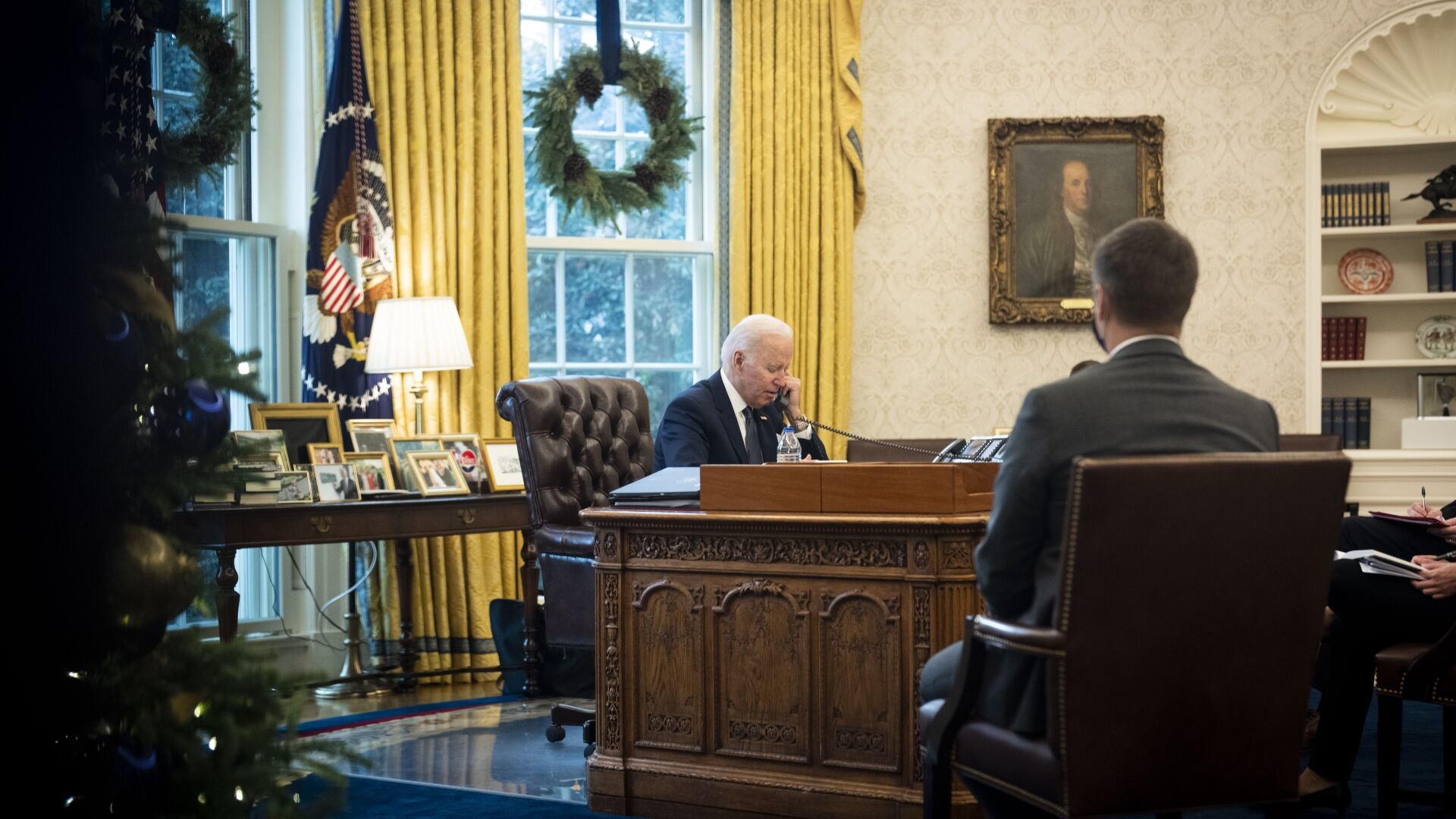
U.S. President Joe Biden spoke with Ukrainian President Volodymyr Zelensky over the week-end, just days after he spoke with Russian President Vladimir Putin. The call comes as Washington prepares to meet with Moscow on January 10, as tensions mount over Russia's military build up near its border with Ukraine. Cheddar News speaks with Mustafa Tameez, a former advisor to the U.S. Department of Homeland Security, about the issue.
Several Silicon Valley insiders are being accused of contorting a 1990s-era tax break to avoid taxes on millions of dollars of investment profits. The tax break is known as the qualified small business stock exemption, and it allows early investors in certain companies to avoid half of the taxes on up to $10 million in capital gains. A piece recently published in the New York Times says venture capital firms like Andreessen Horowitz replicated the tax exemption by giving shares of companies to friends and family, who would otherwise face a 23.8% capital gains bill. The CEO of Roblox is also accused of replicating the tax break for his family members at least 12 times. Although the loophole known as 'stacking' is considered to be legal, the Times piece implies that the exemption has been manipulated for the ultra-wealthy to become more wealthy. Greycroft co-founder and Chairman Emeritus Alan Patricof joins Cheddar News' Closing Bell to discuss.
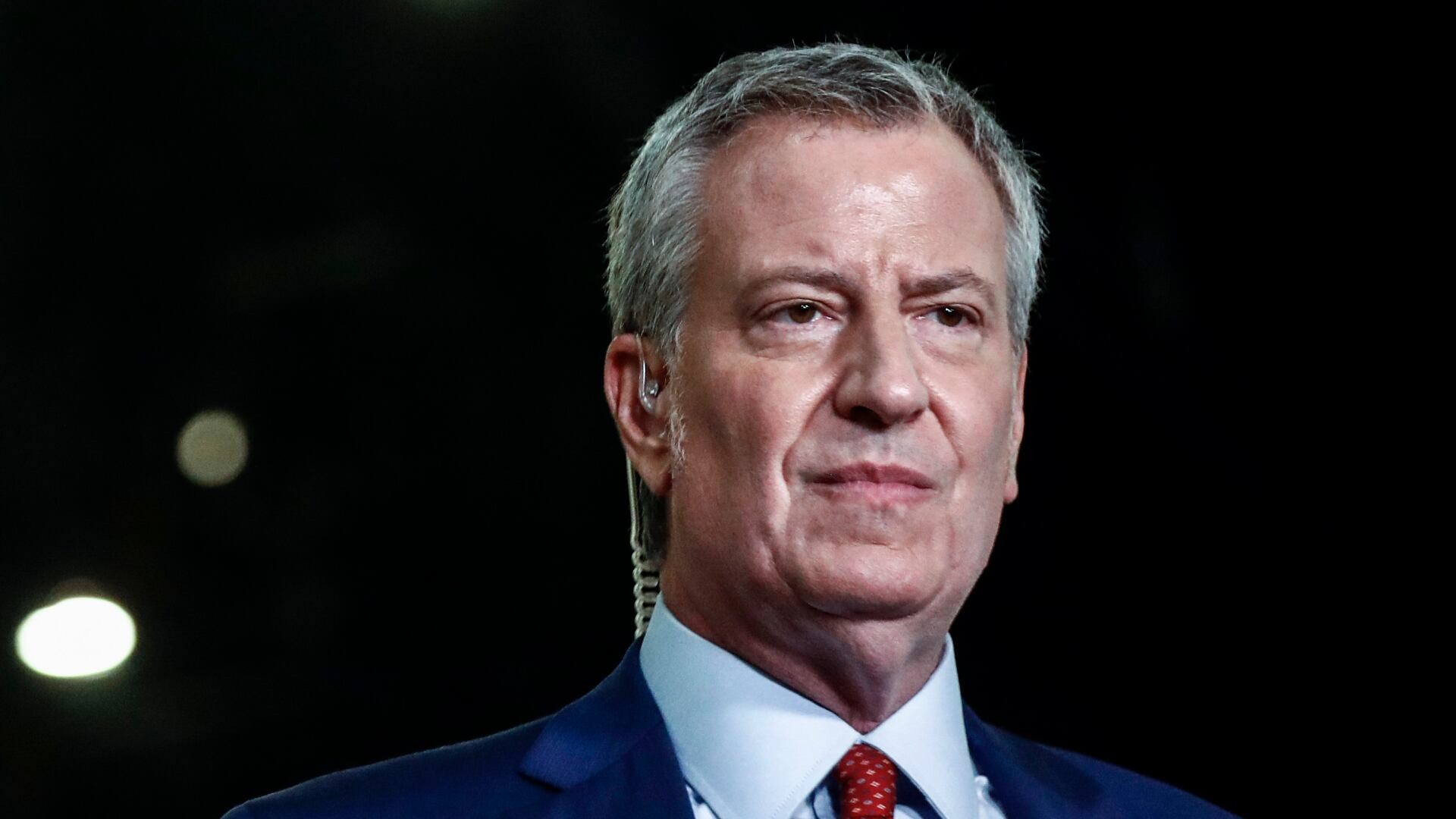
Chris Sommerfeldt, City Hall reporter for the New York Daily News, joins Cheddar News' Closing Bell, where he discusses both the wins and losses of Bill de Blasio's eight years as New York City Mayor.
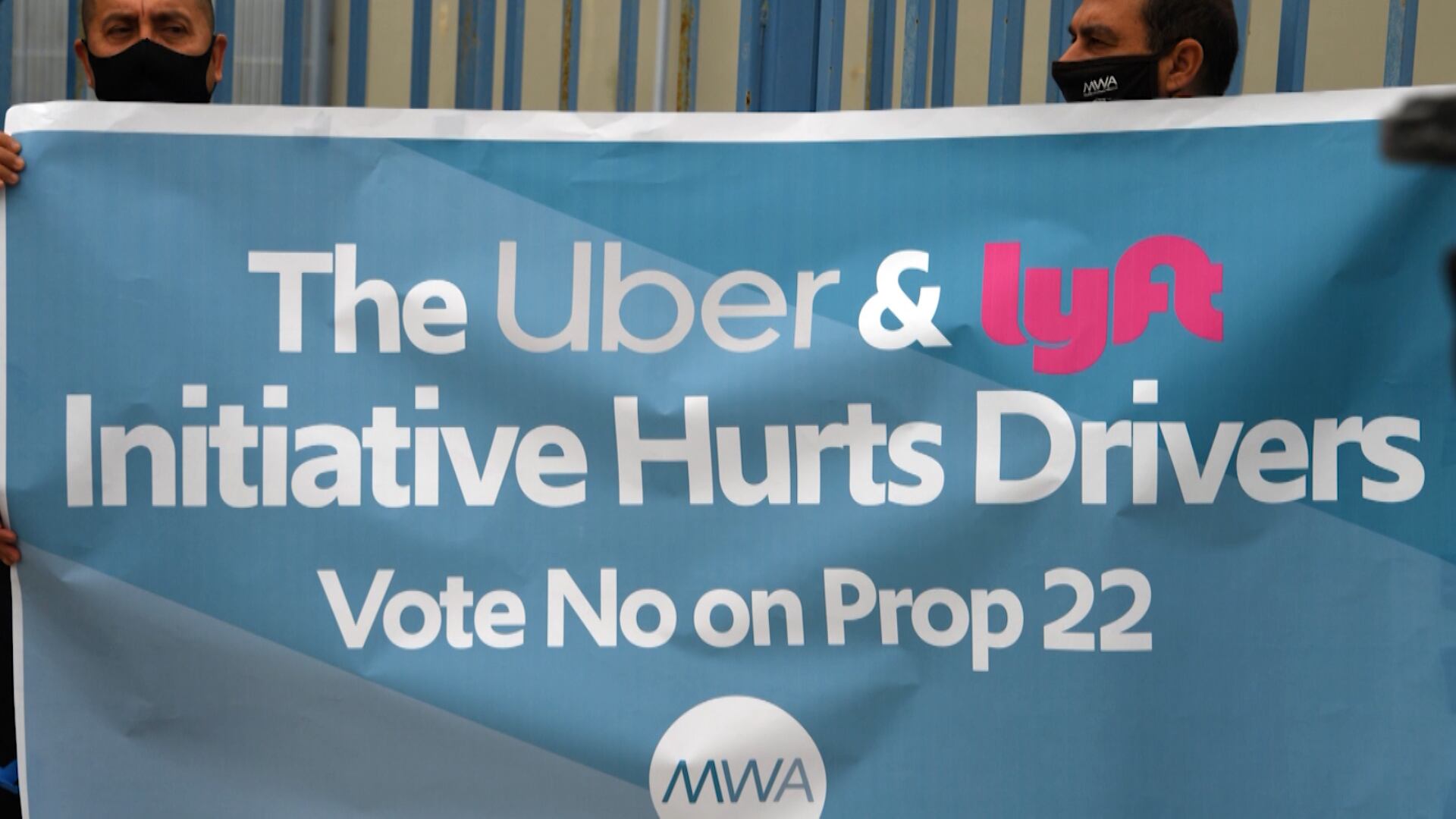
The push to regulate the gig worker economy is gaining steam as the share of workers who participate in freelancing through businesses like Uber and Lyft have also exponentially grown during the pandemic. Employment attorney Mark Kluger, founding partner at Kluger Healey, LLC, joined Cheddar to break down how the battle to reclassify gig workers will continue in the new year, and why the issue continues to generate conflict. "More and more workers are using gig work as their primary source of income and as a result of that they are not like employees in the sense that they don't have benefits like health insurance," Kluger noted.
2021 saw markets continue to be impacted by the onslaught of the coronavirus pandemic -most recently in the form of the Omicron variant- in addition to the global supply chain shortage, and increased inflation. But it wasn't all bad news, as crypto soared throughout the year, and meme stocks continued to have a moment. With the year coming to a close, investors are keeping an eye out to see if they should expect more of the same in the new year. Chris Vecchio, Senior Analyst, at DailyFX tells us what market trends to be on the watch for in 2022.