An initiative from philanthropists Melinda French Gates, MacKenzie Scott and the family foundation of billionaire Lynn Schusterman awarded $40 million Thursday to four promoting gender equality projects in tech, higher education, caregiving and minority communities.
The projects are the winners of The Equality Can’t Wait Challenge, a funding competition launched in June 2020 with the goal of expanding women’s power and influence in the United States. According to an announcement released Thursday by Lever for Change, an affiliate of the MacArthur Foundation that managed the challenge, the awardees, selected from a pool of more than 500 proposals submitted from across the country, will receive $10 million each.
Equality Can't Wait will fund: Building Women’s Equality through Strengthening the Care Infrastructure, a project by a coalition of organizations working on the societal perceptions of caregiving; Changing the Face of Tech, an initiative to offer women more opportunities in the tech sector; Girls Inc.’s Project Accelerate, which aims to help young women through college and career entry; and The Future is Indigenous Womxn, an initiative to support businesses owned by Native American women.
The three funders have all given contributions to gender equality initiatives in the past. And French Gates, whose investment and incubation company Pivotal Ventures hosted the competition, has pledged to spend $1 billion toward such projects in the U.S., citing low rates of women in leadership positions. That money is slated to be spent through Pivotal, which unlike a traditional charity, is able to invest in high-risk, for-profit entities and become more politically involved. It also doesn't have to disclose information on all the groups it funds.
French Gates said in a statement Thursday that “we can break the patterns of history" and advance gender equality if there's a commitment to support organizations, like the awardees, "that are ready to lift up women and girls.” While Scott, who's given more than $8 billion in three rounds of funding since last year, praised the awardees for having “strong teams working on the front lines and from within communities to help women build power in their lives and careers.”
Separately, additional funding of $8 million will be split between two finalists: one project working to combat physical, sexual and other forms of violence inflicted by romantic partners and another aiming to help young women become more politically active.
Nicole Bates, Pivotal Ventures’ director of strategic partnerships and initiatives, declined to say how Scott and Scott's husband, Dan Jewett, became involved with the funding competition, but noted it was “exciting to join forces and make a collective statement about the importance of gender equality.”
“Those of us who share values, particularly in gender, we see each other and we respect each other’s work,” Bates said.
French Gates also serves as a co-chair and trustee at The Bill and Melinda Gates Foundation, the largest charitable foundation in the world. The foundation said earlier this month that French Gates would continue in her role after her divorce from Bill Gates. However, if after two years, the two decide they cannot continue in their roles, she will resign.
_____
The Associated Press receives support from the Lilly Endowment for coverage of philanthropy and nonprofits. The AP is solely responsible for all content.
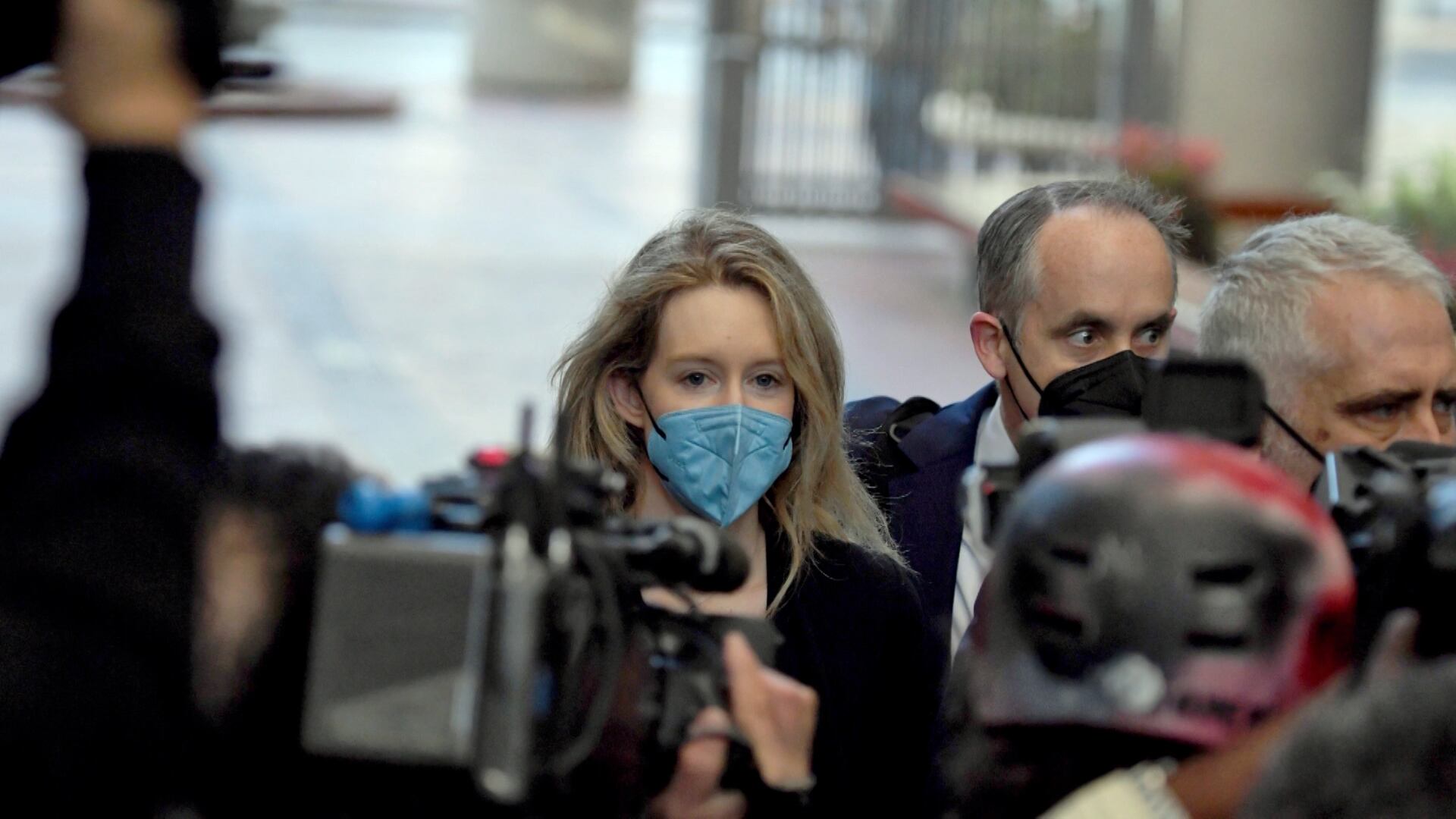
The six-month trial of Theranos founder Elizabeth Holmes has come to an end with the former tech startup star found guilty of four out of 11 counts of fraud. Michael S. Weinstein, Esq, chair of the white collar criminal defense practice at Cole Schotz, and former Department of Justice trial attorney, joined Cheddar News Wrap to discuss what happens next for the former mogul. "Do I think it's going to be more than five or seven years? Probably yes. I think that's probably a fair range at this point," he said about her potential prison sentence.
We are just one day away from what has been called the most influential tech event in the world. CES 2022 will officially kick off on Wednesday in Las Vegas, but the annual tech summit is being impacted by COVID-19, like so many other recent events. The Consumer Technology Association originally planned for a hybrid event to take place from January 5-8, with some in-person events and some virtual; however, a few big-name companies announced they will not be attending in-person, so the CTA decided to shorten the event by one day, with it now ending on Friday. Consumer electronics senior analyst Will Greenwald joins Cheddar News' Closing Bell to discuss.
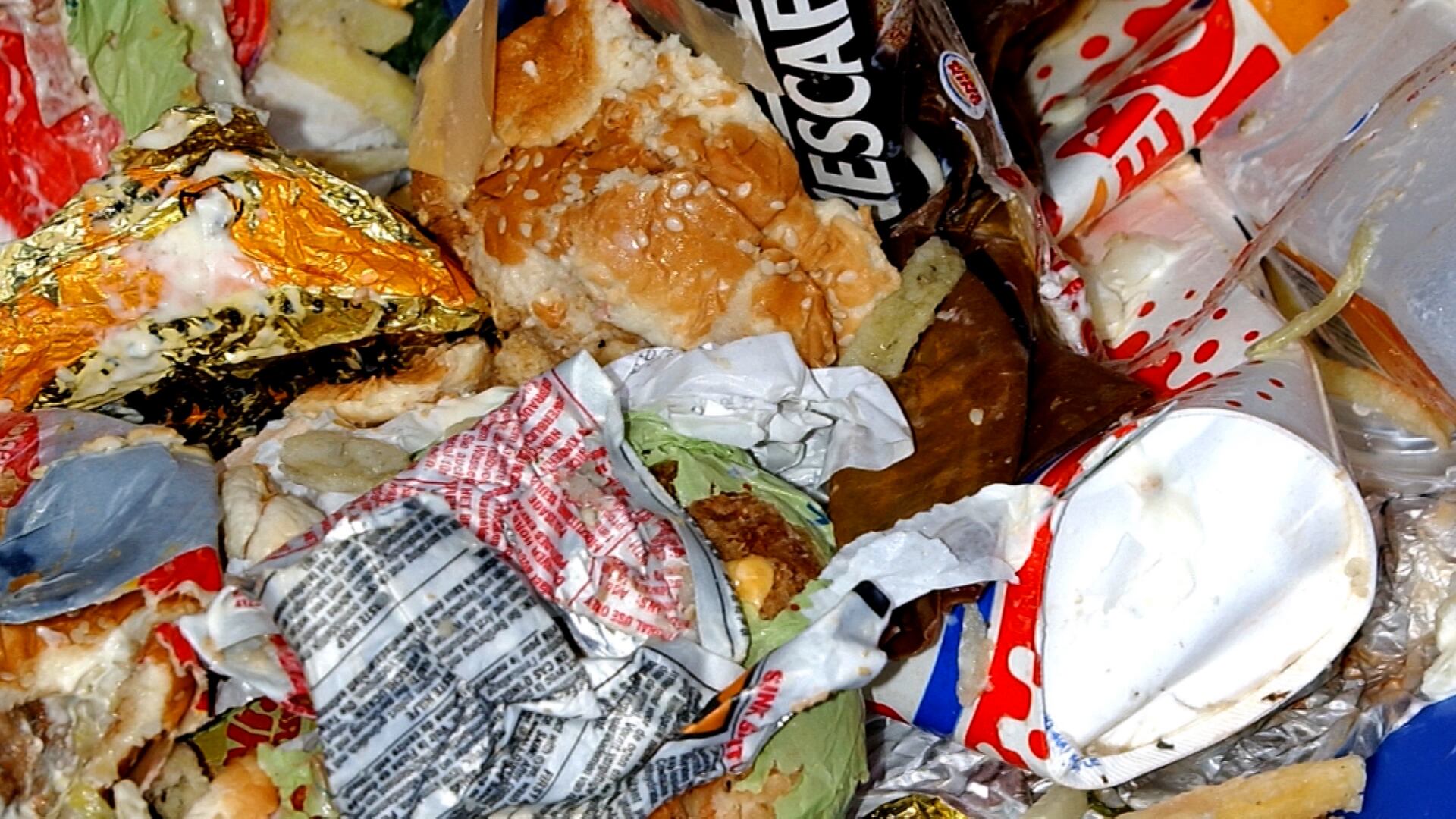
California's new composting law will affect what residents do in their kitchens. As of this week, Californians will have to recycle excess food in an effort to reduce emissions caused by food waste. Cities and counties will turn recycled food into compost or use it as a renewable energy source. California's new law is the largest mandatory residential food waste recycling program in the country. Rachel Wagoner, Director of the California Department of Resources, Recycling and Recovery called the law 'the biggest change to trash' since recycling started in the 1980s. She joined Cheddar Climate to discuss.
Fast-casual restaurant chain Sweetgreen is rolling out its first salad subscription service called sweetpass as it looks to customers tackling new year weight loss and health goals. Members will receive up to 30 percent off of purchases.
Washington DC and the surrounding areas saw a record breaking snow storm Monday as a strong storm system works its way across the eastern U.S. The extreme weather event caused extensive damage in the greater Washington area, leaving thousands in the region without power. Jonathan Porter, Chief Meteorologist, AccuWeather, joined Wake Up with Cheddar to discuss the fierce storm.
Airlines canceled more than 3,000 flights on Monday over severe weather and crew shortages. The cancellations come on one of the busiest travel days of the holiday season, and is a continuation of the industry-wide disruption that started before Christmas. Thomas Pallini, Aviation Reporter for Insider joined Wake Up with Cheddar to discuss.
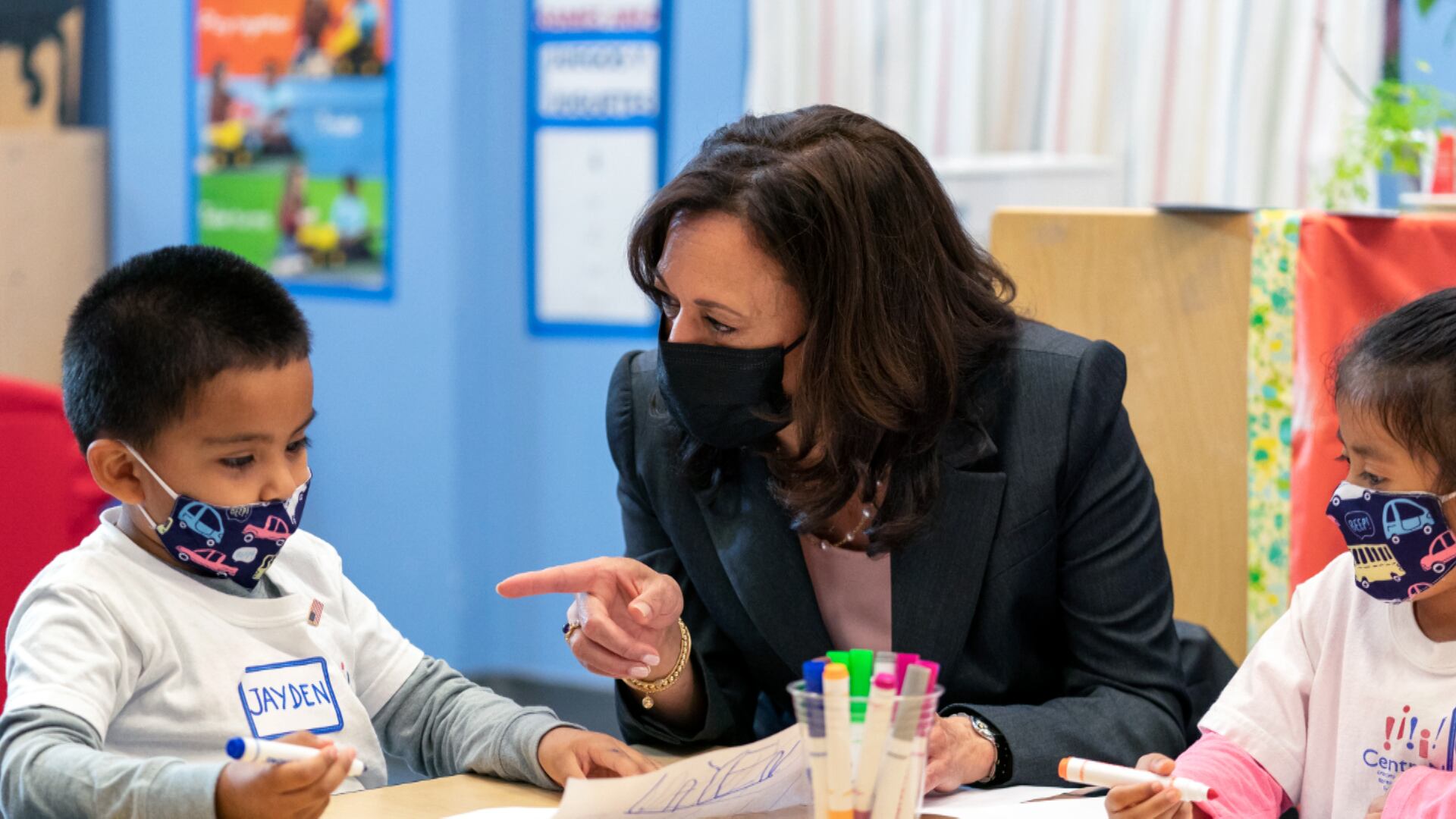
Millions of Americans with young children have relied on the child tax credit since the federal government began issuing checks in July 2021. The last round of payments was sent out just before the Christmas holiday — at the same time as the omicron variant surged. Leah Hamilton, associate professor of social work at Appalachian State University, joined Cheddar to discuss what the end to the tax credit means as the U.S. sees the end of many relief programs and its highest number of COVID cases since the start of the pandemic. "It'll become harder for families to meet their basic needs, increasing national childhood poverty rates and the proportion of families who have difficulty putting food on the table, maintaining stable housing, and paying their bills," Hamilton said. She also pointed to research that the credit as a long-term investment in children offsets claims that it contributes to macroeconomic impacts like inflation.
Several Silicon Valley insiders are being accused of contorting a 1990s-era tax break to avoid taxes on millions of dollars of investment profits. The tax break is known as the qualified small business stock exemption, and it allows early investors in certain companies to avoid half of the taxes on up to $10 million in capital gains. A piece recently published in the New York Times says venture capital firms like Andreessen Horowitz replicated the tax exemption by giving shares of companies to friends and family, who would otherwise face a 23.8% capital gains bill. The CEO of Roblox is also accused of replicating the tax break for his family members at least 12 times. Although the loophole known as 'stacking' is considered to be legal, the Times piece implies that the exemption has been manipulated for the ultra-wealthy to become more wealthy. Greycroft co-founder and Chairman Emeritus Alan Patricof joins Cheddar News' Closing Bell to discuss.