Lyft Takes Next Step to Go Public, Registers for IPO
*By Carlo Versano*
Lyft filed for its initial public offering in a confidential registration [statement](http://pdf.reuters.com/htmlnews/htmlnews.asp?i=43059c3bf0e37541&u=urn:newsml:reuters.com:20181206:nPn2d3W3Ja.) with the Securities and Exchange Commission, it announced in a [press release](https://www.prnewswire.com/news-releases/lyft-announces-confidential-submission-of-draft-registration-statement-for-proposed-initial-public-offering-300761224.html) Thursday morning.
The ride-hailing company said it has not yet determined the number of shares or price range for the IPO.
The company's statement is the first official step in becoming a public company. Lyft had previously lined up the banks, reportedly JPMorgan and Jeffries, that will do the deal. It now must wait for the SEC to complete its review before it can initiate the offering. The company was most recently valued around $15 billion, and a successful float could raise that number.
The IPO is expected to commence in the first half of 2019. Rival Uber also has an IPO in the works, which is sure to eclipse Lyft's valuation when it is priced. Uber has been speculated to be worth as much as $120 billion.
For Lyft, "there's a lot of advantages to going first" said Maya Kosoff of Vanity Fair.
Lyft is closer to profitability than Uber (though neither is there yet), benefits from better PR, and any regulatory changes that stem from Lyft's rollout could affect Uber's valuation, Kosoff noted.
Lyft, which only operates in North America, has sought to diversify from ride-hailing, and recently acquired Motivate, the country's largest bike-share operator. It is also piloting electric scooters in select markets. Uber has made similar moves, though both companies get the lion's share of their revenues from the commissions generated from the car rides users book on their apps.
Housing has been one of the bright spots in the broader economy in 2021, as Americans borrowed more than ever to buy homes. Mortgage lenders issued an estimated $1.61 trillion in purchase loans this past year with sales of existing homes expected to reach their highest level since 2006. Orla McCaffrey, reporter at The Wall Street Journal, joins Cheddar News.
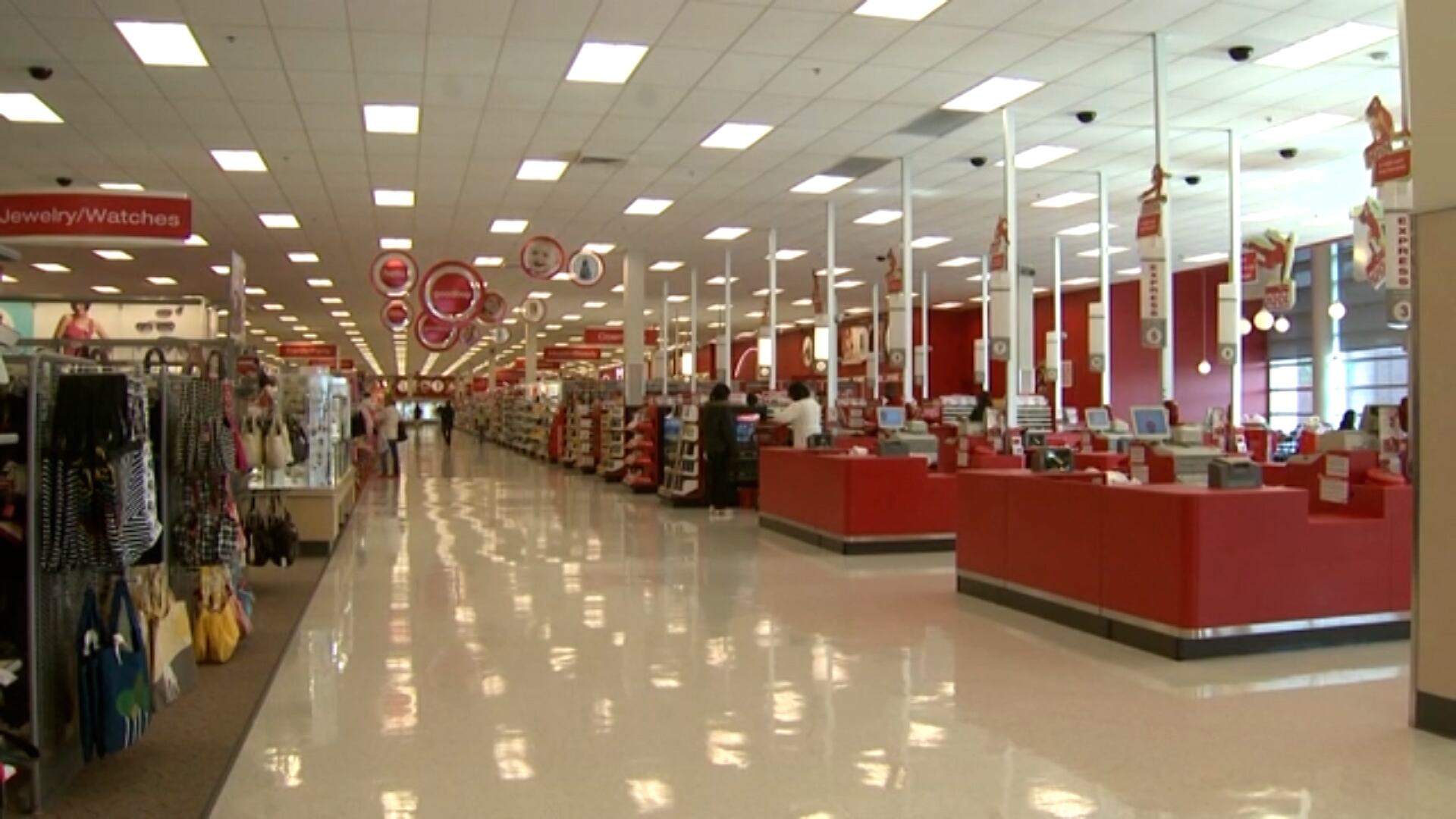
Brian Walker, Chief Strategy Officer at Bloomreach, breaks down the impact returning gifts have on retailers and how stores can benefit from the rise in ecommerce.
Events and media company Emerald X has acquired Colorado-based news company Marijuana Business Daily for $120 million, which includes the live business conference, MJBizCon. David Doft, chief financial officer at Emerald X, and Chris Walsh, CEO at MJBizDaily, joined Cheddar to talk about the deal and what it means for the growth of the legal cannabis industry. As cannabis becomes more mainstream, Walsh noted that part of the industry's growth will come from major corporations that now "feel more comfortable" conducting business with the industry.
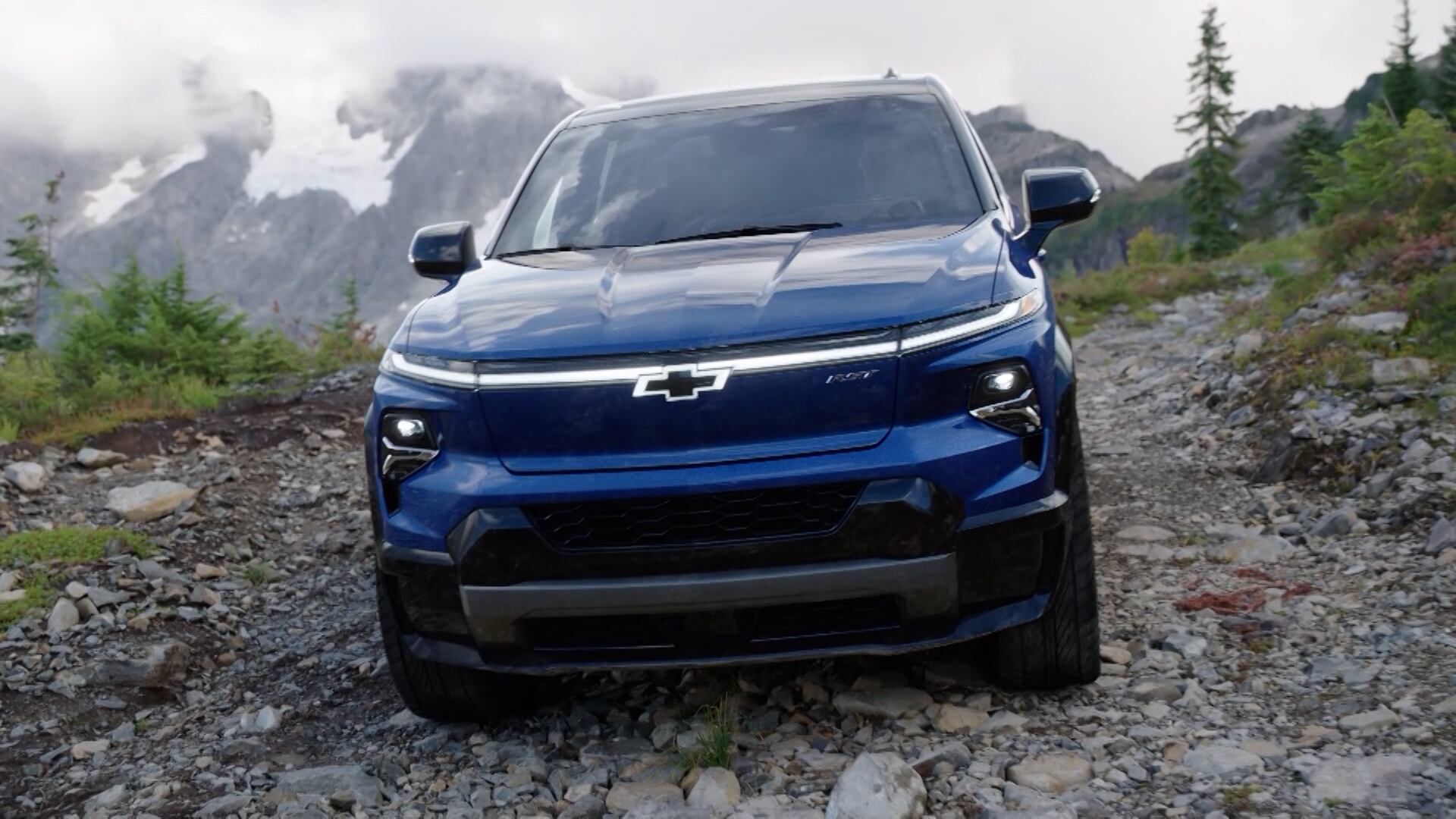
General Motors rolled out the newest addition to its EV fleet with the all-electric Silverado pickup truck. Deborah Wahl, chief marketing officer at GM, joined Cheddar to talk about the latest EV offering and how it matches up to its past gas-powered versions. She said she expects demand to soar after the "first-level truck" sold out in just 12 minutes and talked about steps GM plans to take to regain its title as top U.S. auto seller after being dethroned by Toyota in 2021 with emphasis on the EV market. "I think this is an exciting new inflection point for the market overall, for [an] idea of an all-electric future, and certainly shows that we're extremely committed to the idea of everybody in an electric vehicle," said Wahl.
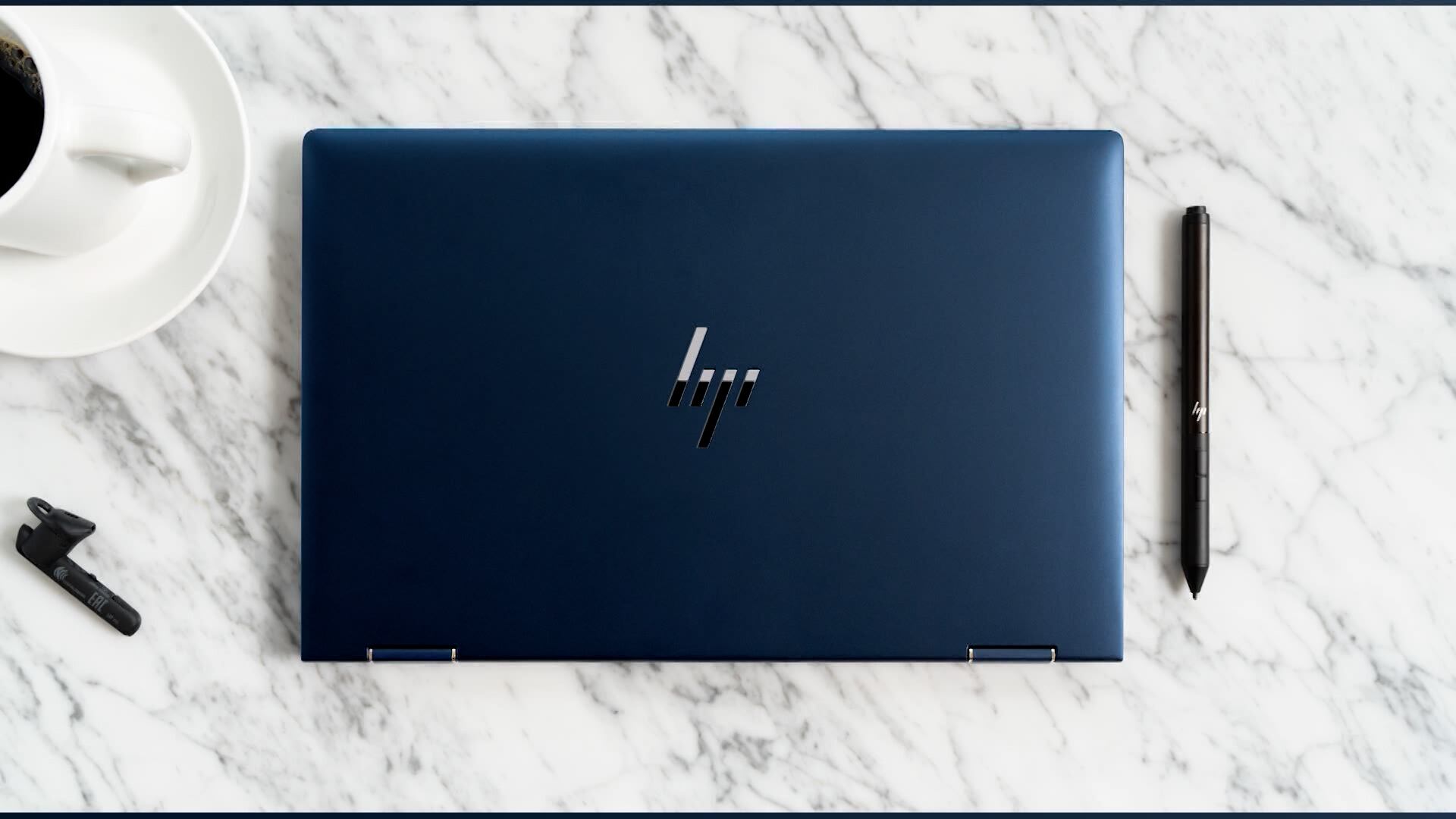
With the annual CES convention underway amid COVID, HP unveiled rolled out a number of new products virtually this year, including new gaming PCs and 4K display monitors. But as industries look toward a greener future, HP is working with the climate crisis in mind. James McCall, chief sustainability officer at HP, joined Cheddar's Kristen Scholer to discuss the company's climate goals, which includes reducing its carbon footprint to net-zero by 2040. He admitted that reaching the ambitious goal will be difficult because much of the company's emissions totals come from third parties. "A large part of our footprint is outside of HP's direct control. A lot of it comes either from our incoming supply chain, the materials, our manufacturing process, or about 30 to 40 percent of it comes from our consumer-use base," McCall told Cheddar.
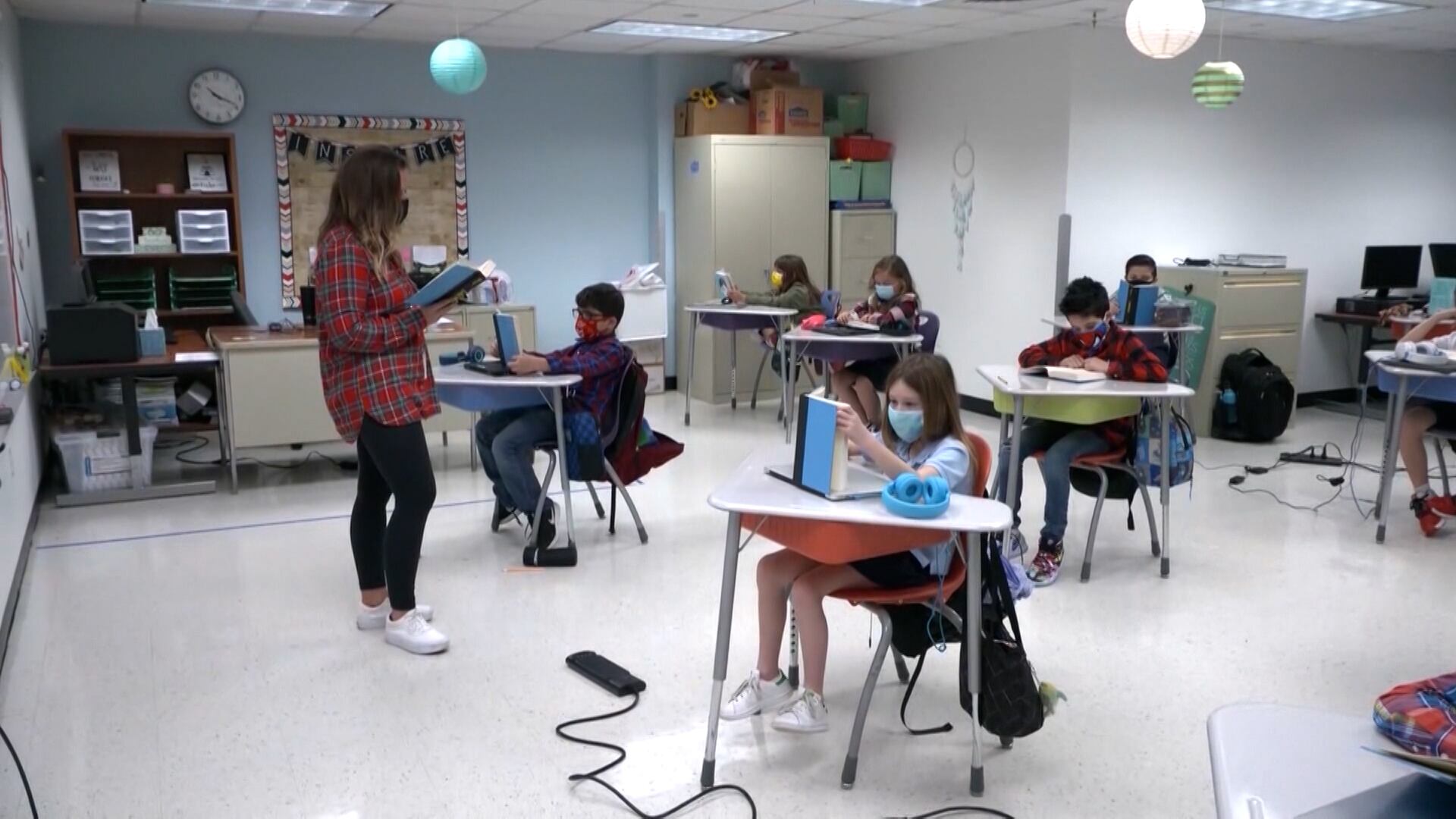
Jared C. Bass, senior director for Higher Education at the Center for American Progress, joins Cheddar News to discuss how schools are navigating the Omicron variant.
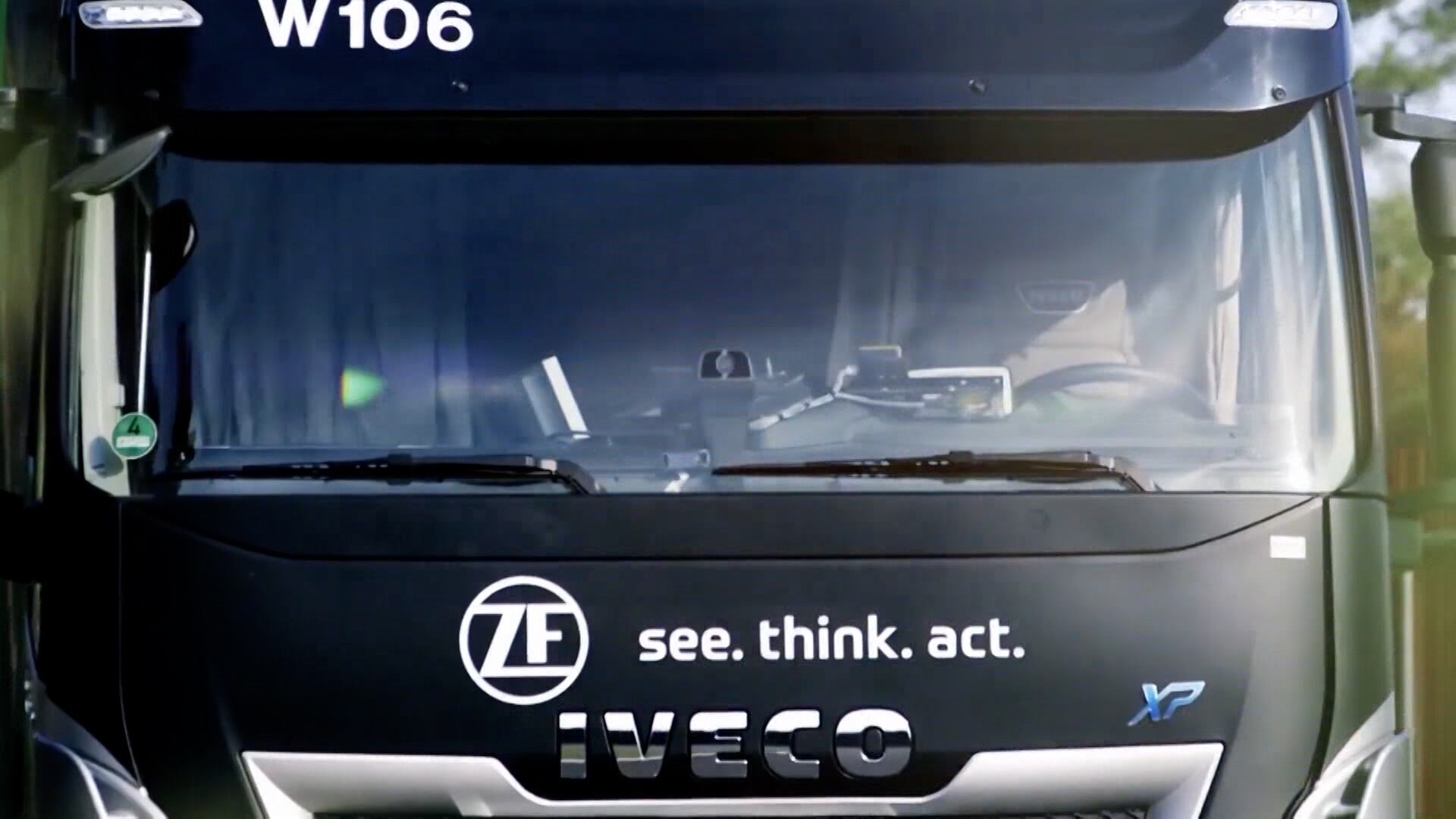
Martin Fischer, president of technology supplier for cars and commercial vehicles ZF North America, joined Cheddar to discuss the company's solutions for next-generation mobility in autonomous vehicles and its plans to usher in the next phase of electric vehicles. He also talked about the rising demand for self-driving technology on a global scale. "Whereas we are really active also there for passenger cars and commercial vehicles, what we showcase at CES now virtually is our autonomous shuttles," he said. "So, what that means is we bring these vehicles to busy city centers and can take traffic levels down."