Cheddar is partnering with StackCommerce to bring you the Cheddar Shop. This article doesn’t constitute editorial endorsement, and we earn a portion of all sales.
Cryptocurrency trading has been a trending topic as of late, highlighting some major opportunities to make money. In fact, Bitcoin finally hit $60,000 last weekend. Even the creative industry has made its way into the crypto space, with artists and musicians recently releasing NFTs and digital artwork.
Don’t get left behind – if you already have some knowledge of these concepts, take your skills to the next level through the Quantitative Crypto Trading Strategies for Intermediate to Advanced Learners Bundle. Designed to help you master this fast-paced business, you’ll learn how to implement automated trading using different algorithms and Python programming language to get a leg up on the competition.
Take a deep dive into crypto trading strategies through two 4-star courses: one on the intermediate level and the other covering more advanced topics. Perfect for programmers and quants alike, you’ll be taught how to create three intraday trading strategies in Python. Then, learn to implement automated trading, including how to use techniques like machine learning and statistical arbitrage.
To ensure your knowledge is well-rounded, you’ll take a 4.5-star rated course on quantitative trading strategies and models. Learn to differentiate between quantitative trading and technical trading as well as how to code different trading strategies based on technical indicators. You’ll also apply your learnings to live markets, giving you an opportunity to get real-life analysis experience before putting any money in. By the end of the lessons, you will understand what models (read: acronyms) like ARIMA, GARCH, and BSM Options represent.
Jump on the opportunity to get this smart course pack for 74% off. Get the Quantitative Crypto Trading Strategies for Intermediate to Advanced Learners Bundle for $144.99 (Reg. $577)
At a time when banks in countries like Australia and Spain are offering customers cryptocurrency assets for the first time, Josh Goodbody, COO of Qredo, believes we're going to see more financial institutions across the world unveil their crypto solutions this year after developing them behind the scenes last year. He joined Cheddar News' Closing Bell to discuss.
The new year has just gotten underway, but the clock is already ticking for the Democratic-led Congress to pass bills regulating big tech. Evan Greer, Director for Fight For the Future, joins Cheddar News to explain why Democratic lawmakers would want to push legislation now, and what a Republican takeover would mean for the industry.
Americans looking to purchase at-home COVID-19 tests will now have to shell out a bit more money after an agreement expired between the White House and companies to sell the tests at cost. The price of Abbot's BinaxNow test kit from October to December was $14 apiece; on Tuesday, Walmart's website listed the test for $19.88, and Kroger listed the tests for $23.99. Carbon Health Regional Clinical Director Dr. Bayo Curry-Winchell joined Cheddar News' Closing Bell to discuss the impact higher prices will have as the nation experiences another surge in cases.
2022 is set to be a big year for autonomous technology. After many new partnerships, acquisitions, and developments in 2021, all eyes will be on the self-driving sector to see what progress, or lack there-of, will be made this year. Soroush Salehian, CEO and co-founder of Aeva, gives a look at what's ahead for the industry.
The largest tech convention in the world kicks off this week. CES, organized by the Consumer Technology Association, will run from Wednesday Jan. 5 through Friday Jan. 7, featuring more than 2,000 exhibitors showing off their latest tech products in Las Vegas. Ian Sherr, editor at large at CNET, gives a first look at some of the biggest trends expected this year.
Verizon and AT&T have agreed to delay the launch of their 5G networks for two weeks following pressure from the Federal Aviation Administration, airline companies and even Transportation Secretary Pete Buttigieg. The aviation industry is concerned the 5G rollout could bring technical challenges or safety concerns on top of the current disruptions they're already dealing with from COVID and severe weather. Hugh Odom, founder and president of Vertical Consultants and former AT&T attorney, discusses how the Biden administration was able to come to this agreement with the wireless carriers.
Angelo Zino, Senior Industry Analyst & Vice President at CFRA Research, breaks down the tech giants' valuation milestone and discusses the areas of Apple's business that could see further growth.
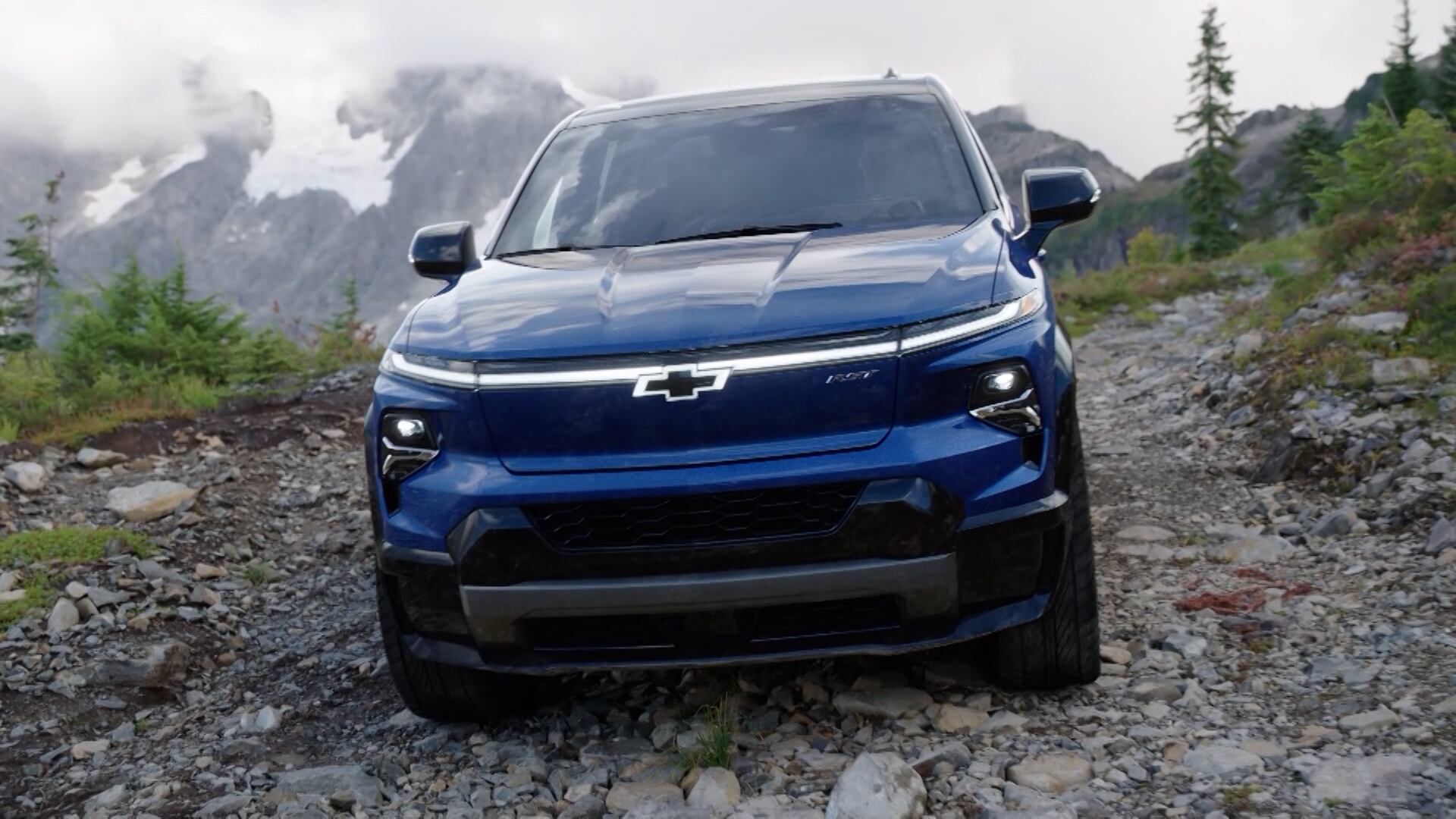
General Motors rolled out the newest addition to its EV fleet with the all-electric Silverado pickup truck. Deborah Wahl, chief marketing officer at GM, joined Cheddar to talk about the latest EV offering and how it matches up to its past gas-powered versions. She said she expects demand to soar after the "first-level truck" sold out in just 12 minutes and talked about steps GM plans to take to regain its title as top U.S. auto seller after being dethroned by Toyota in 2021 with emphasis on the EV market. "I think this is an exciting new inflection point for the market overall, for [an] idea of an all-electric future, and certainly shows that we're extremely committed to the idea of everybody in an electric vehicle," said Wahl.
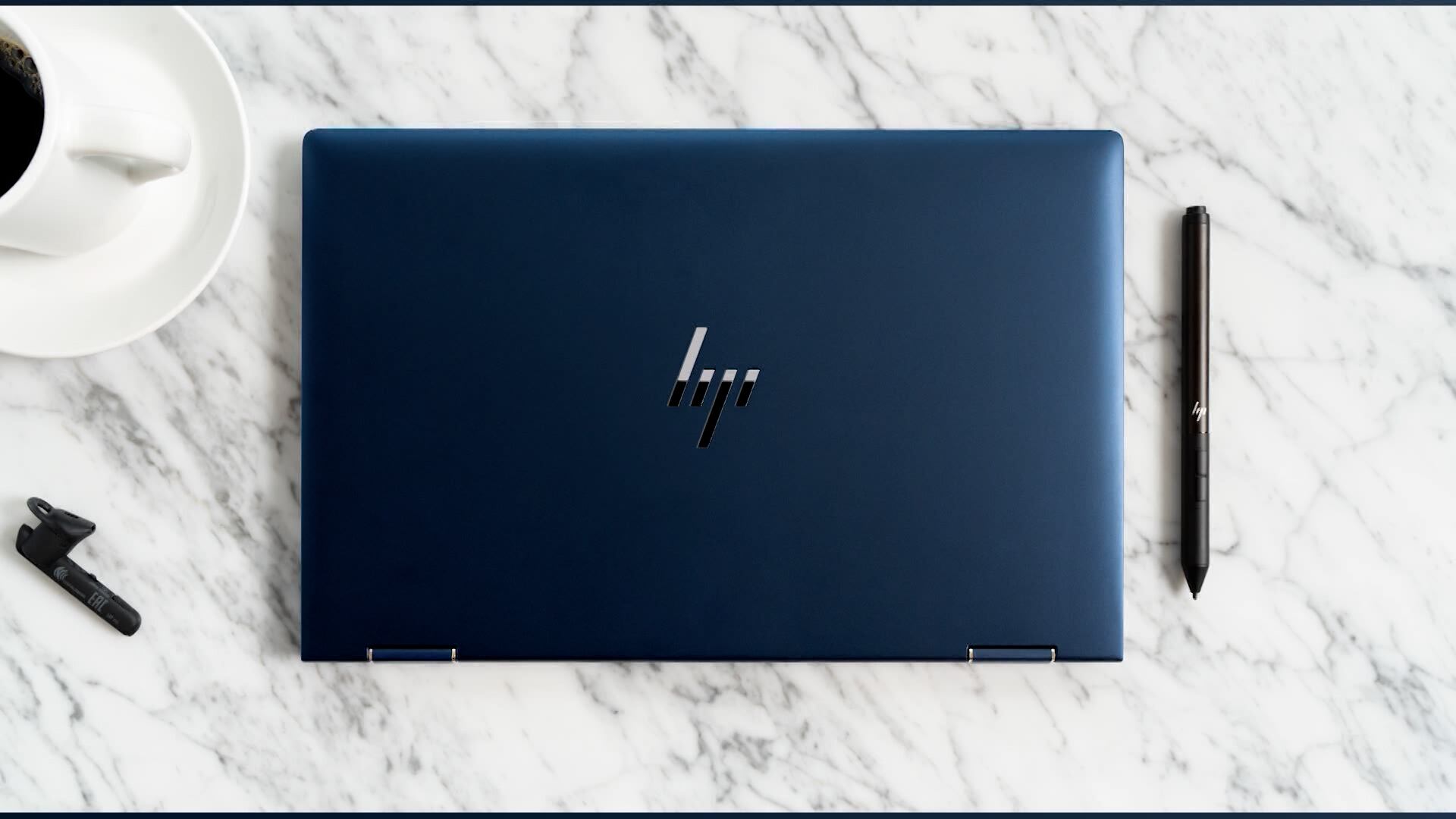
With the annual CES convention underway amid COVID, HP unveiled rolled out a number of new products virtually this year, including new gaming PCs and 4K display monitors. But as industries look toward a greener future, HP is working with the climate crisis in mind. James McCall, chief sustainability officer at HP, joined Cheddar's Kristen Scholer to discuss the company's climate goals, which includes reducing its carbon footprint to net-zero by 2040. He admitted that reaching the ambitious goal will be difficult because much of the company's emissions totals come from third parties. "A large part of our footprint is outside of HP's direct control. A lot of it comes either from our incoming supply chain, the materials, our manufacturing process, or about 30 to 40 percent of it comes from our consumer-use base," McCall told Cheddar.