In a hearing full of interruptions, objections about processes, and varied interpretations of the same facts, Democratic lawmakers presented the impeachment case against the president and the Republicans defended his conduct.
After statements from the top lawmakers on the House Judiciary committee, the committee's lawyers gave their opening statements. The lawyers for both parties on the Intelligence Committee where the initial public hearings were held last month, had the opportunity to present findings from their respective investigations.
Today's hearing will set the scene for how Democrats will presumably phrase articles of impeachment for a vote which could come before Christmas. Much of the language used Monday by Democratic lawyer Daniel Goldman in summarizing the House Intelligence Committee's findings may be echoed in the formal articles. Goldman used his opening statement to summarize the case against the president, defended the speed of his investigation, and laid out four "critical findings."
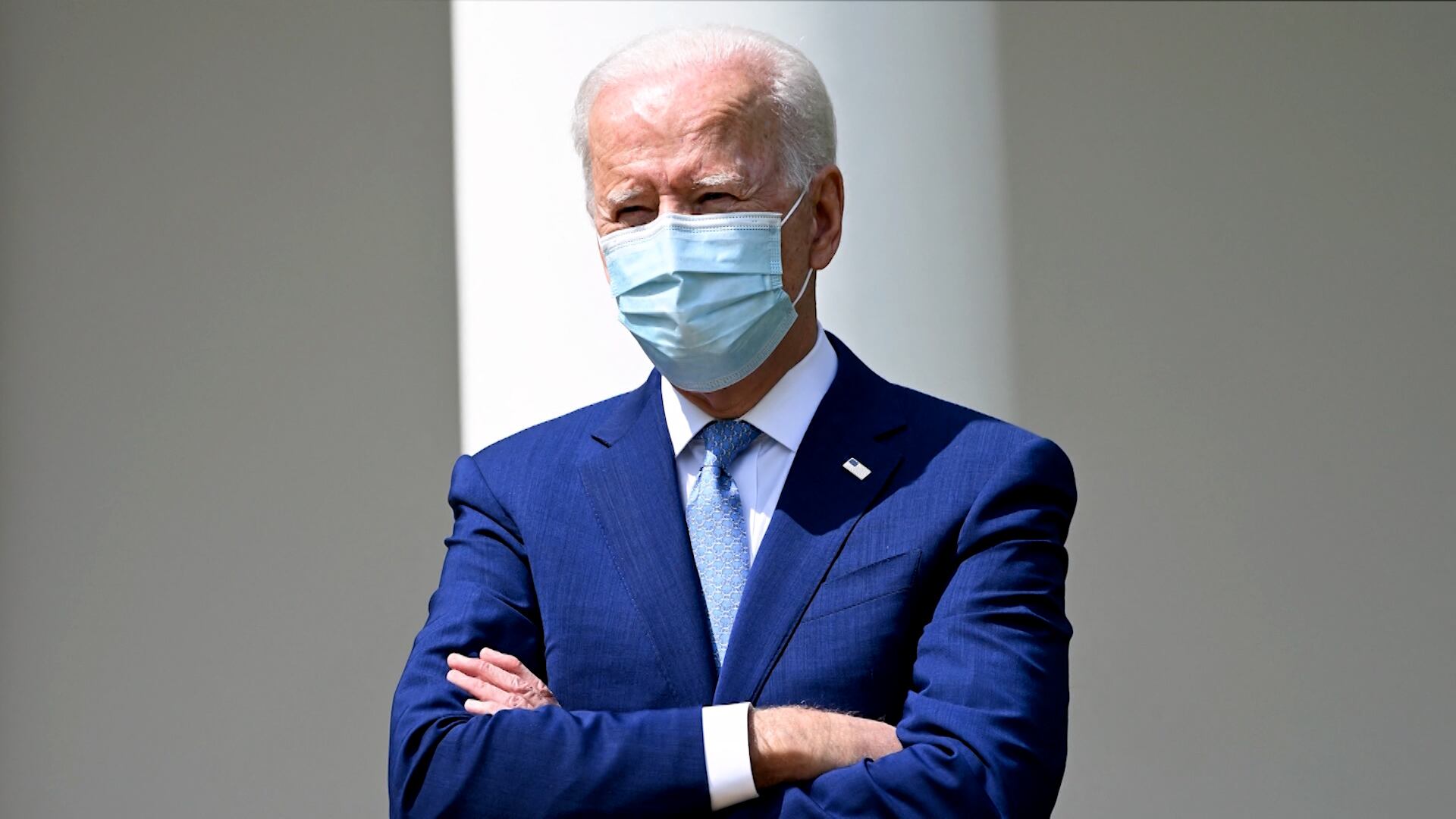
The Democrats' case is centered on the allegation that President Trump tried to pressure Ukraine to announce investigations into the president's political rival, former Vice President Joe Biden, and an unsubstantiated claim that Ukraine conspired with Democrats to interfere in the 2016 U.S. presidential election.
Goldman, the Intel committee's top investigative counsel, noted key findings that the president abused the power of his office to pressure a foreign nation to interfere in U.S. elections, withheld aid and a White House meeting with Ukraine's President Volodymyr Zelensky to do so, undermined U.S. national security, and engaged in an "unprecedented effort" to obstruct the Congressional inquiry.
Republicans argue the president did nothing wrong in his conduct with Ukraine, and after a break, will present their own Intelligence report. The White House has refused to participate in the hearing and in the larger impeachment inquiry, but the President has been tweeting about the "Do Nothing Democrats" throughout the morning.
However, Goldman clearly argued, "We are here today because Donald J. Trump, the 45th president of the United States, abused the power of his office, the American presidency, for his political and personal benefit."
PRESIDENT PRESENTS "CLEAR AND PRESENT DANGER," DEMOCRATS ARGUE
"The evidence is overwhelming," the Judiciary Committee's Democratic counsel Barry Berke testified Monday morning.
After Judiciary Committee chairman Jerrod Nadler began the hearing by saying President Trump "put himself before country," setting the stage for articles of impeachment, Berke said the facts were "uncontradicted" and "cannot be disputed." (Although White House Press Secretary Stephanie Grisham tweeted different set of "indisputable facts" about the president's conduct Monday morning.)
During his opening statement, Berke told committee members the president's actions were "so brazen, so clear," that the president had clearly abused his power to advance his own interests over those of his nation.
The president "did what a president of our nation is not allowed to do," Berke said. Trump's actions, he argued "threaten our rule of law, they threaten our institutions, and, as James Madison warned us, they threaten our republic."
"This is a big deal" Berke said during his statement, in which he played key moments from previous witness testimony, including the hearing in which Russia expert and diplomat Dr. Fiona Hill described Ambassador Gordon Sondland as working on a "domestic political errand."
"None of these excuses hold any water" Burke said of the Republicans case, as he placed today's hearing in the context of special counsel Robert Mueller III's investigation into Russian interference in the 2016 presidential election.
Berke said the president had obstructed the Russia investigation and made a case for the urgency of moving quickly on impeachment. "Our imagination is the only limit on what President Trump may do next." Burke said.
On the Intel side, responding to criticism from Republican lawmakers and lawyers, Goldman defended his case, noting "this investigation moved swiftly and intensively — as all good investigations should."
He also said, "to the extent that other witnesses would be able to provide more context and detail about this scheme, their failure to testify is due solely to the fact that President Trump obstructed the inquiry and refused to make them available."
"President Trump's persistent and continuing effort to coerce a foreign country to help him cheat to win an election is a clear and present danger to our free and fair elections and to our national security," Goldman said.
The attorney argued that the president continues to try to meddle in the 2020 presidential election, including his comments to reporters that his personal lawyer Rudy Giuliani would make a report to the Justice Department about Democrats.
REPUBLICANS DEFEND THE PRESIDENT
"Democrats are obsessed with impeaching the president," Republican counsel Steve Castor said in his opening statement, in which he began by expressing complaints about process.
Castor, who is serving as Republican counsel for both the Intel and Judiciary Committees, devoted much of his opening statement to criticizing how the Democrats have conducted the investigation.
"There is simply no clear evidence that President Trump acted with malicious intent in withholding a meeting or security assistance. Indeed there are — and the Republican report articulates them — legitimate explanations for these actions that are not nefarious as the Democrats allege," he said.
Castor said the president did not pursue his own personal interests, but rather was trying to help Ukraine.
Castor, who focused on the actions of the Democrats said "to impeach a president, who 63 million people voted for, over eight lines in a call transcript is baloney." During Castor's second statement, in which he presented findings from the Republican Intelligence investigation, he repeated that Zelensky said he felt no pressure from Trump.
He also said the Democratic case is full of "hearsay, presumptions, and speculations," highlighting the Republican strategy in the impeachment hearing: trying to raise doubts about the evidence presented.
Meanwhile, at the same time Republicans and Democrats battled it out on Capitol Hill Monday, the presidents of Ukraine and Russia met for the first time in Paris to hold peace talks.