Kudlow: Tech Stocks Still 'Ain't Bad', Even With Correction
*By Carlo Versano*
The White House dispatched chief economic adviser Larry Kudlow to speak to reporters Thursday morning as markets turned deep red in a day marked by volatility and which added to the sell-off in tech stocks.
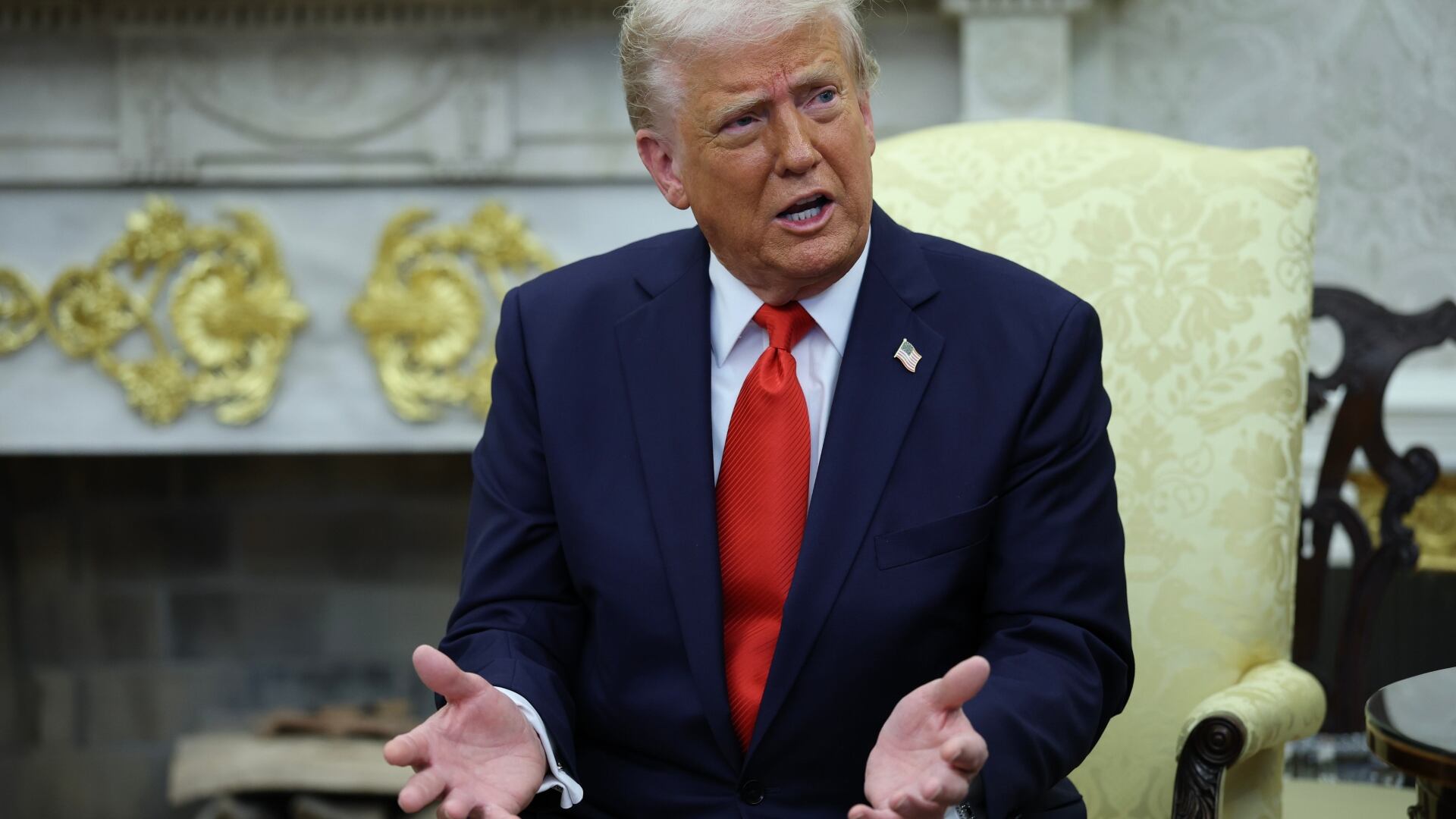
Kudlow told Cheddar's J.D. Durkin the administration remains bullish on the economy ー and he noted that the tech sector, in particular, was up 50 percent since President Trump's election, "even with this correction."
"That ain't bad," he said.
Kudlow wouldn't disclose whether he advises Trump to speak less critically of the actions of the Federal Reserve ー for which presidents typically reserve a church-and-state type attitude. Trump, for his part, called the Fed "loco" on Wednesday for raising interest rates.
Kudlow told Cheddar: "The advice I give to the president is the advice I give to the president. It's entirely private."
Real estate software company RealPage has agreed to stop sharing nonpublic information between landlords as part of a settlement with the Department of Justice.
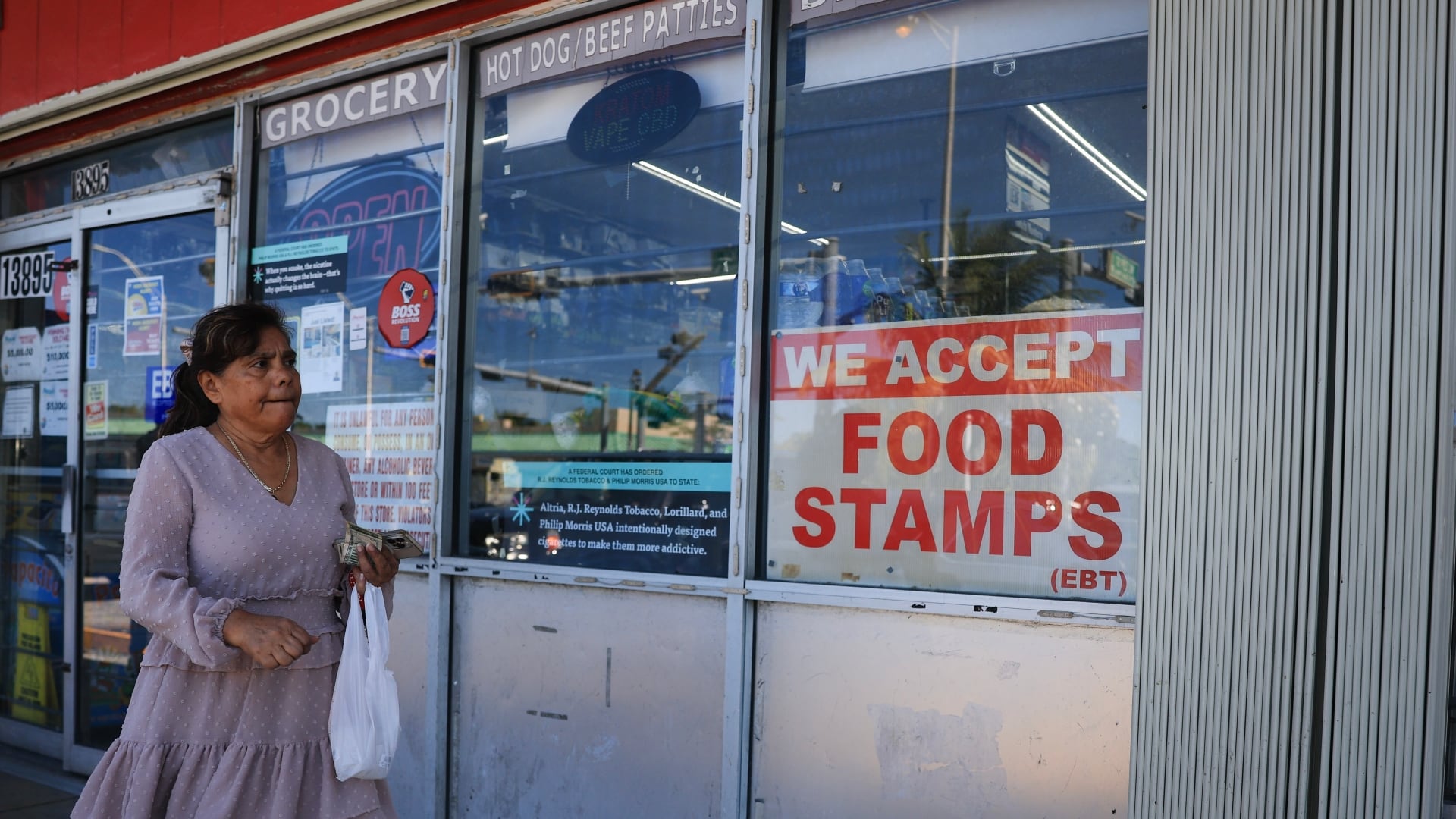
A legislative package to end the government shutdown appears on track. A handful of Senate Democrats joined with Republicans to advance the bill after what's become a deepening disruption of federal programs and services. But hurdles remain. Senators are hopeful they can pass the package as soon as Monday and send it to the House. What’s in and out of the bipartisan deal has drawn criticism and leaves few senators fully satisfied. The legislation includes funding for SNAP food aid and other programs while ensuring backpay for furloughed federal workers. But it fails to fund expiring health care subsidies Democrats have been fighting for, pushing that debate off for a vote next month.
Sabrina Siddiqui, National Politics Reporter at The Wall Street Journal, joins to break down the SNAP funding delays and the human cost of the ongoing shutdown.
Arguments at the Supreme Court have concluded for the day as the justices consider President Donald Trump's sweeping unilateral tariffs in a trillion-dollar test of executive power.