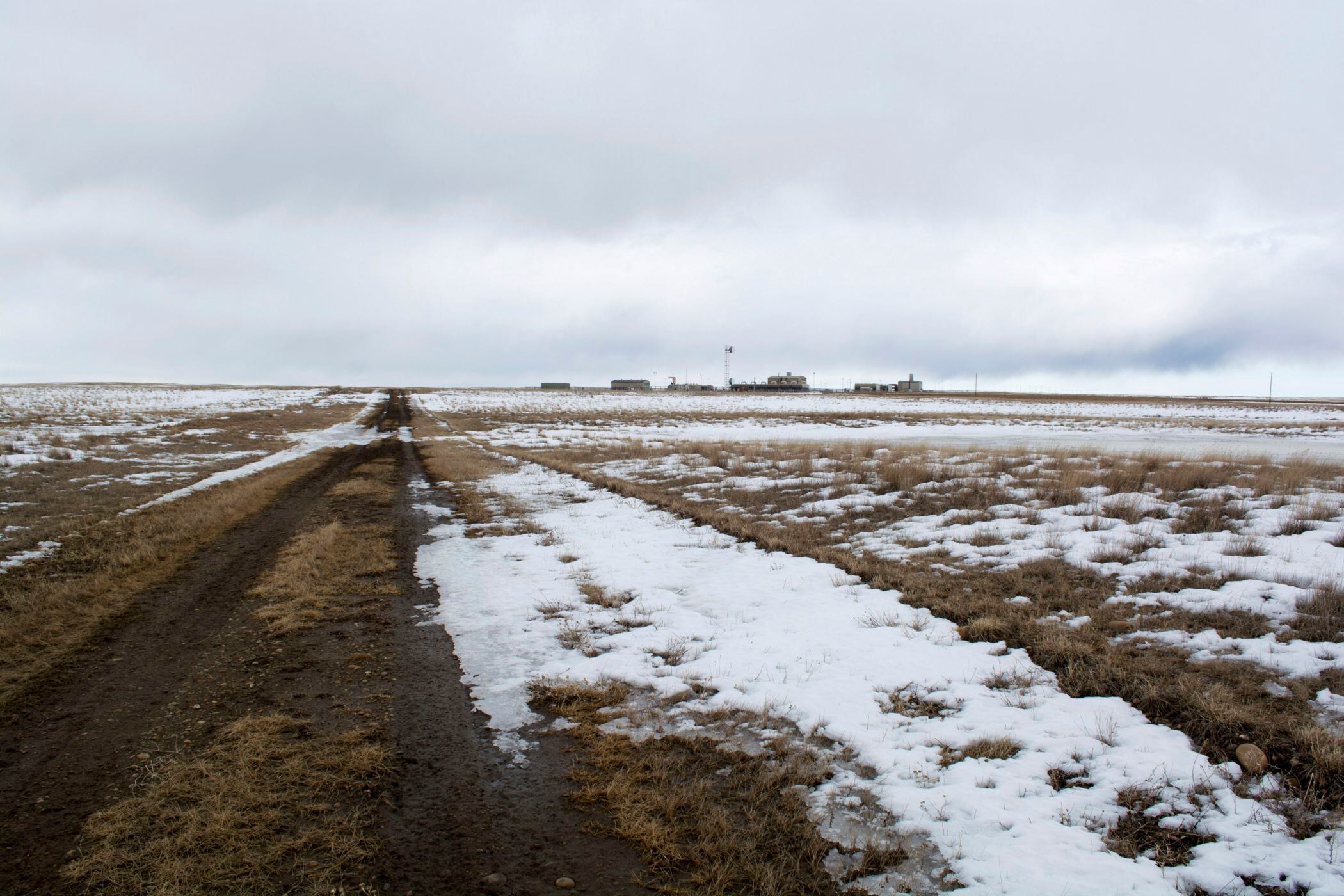
This March 11, 2020 photo provided by the Bureau of Land Management shows the proposed route of the Keystone XL oil pipeline where it crosses into the U.S. from Canada in Phillips County, Montana. (Al Nash/Bureau of Land Management via AP)
By Rob Gillies
The Canadian company behind the Keystone XL oil pipeline said Wednesday it has suspended work on the pipeline in anticipation of incoming U.S. President Joe Biden revoking its permit.
Biden’s Day One plans included moving to revoke a presidential permit for the pipeline.
The 1,700-mile (2,735-kilometer) pipeline would carry roughly 800,000 barrels of oil a day from Alberta to the Texas Gulf Coast, passing through Montana, South Dakota, Nebraska, Kansas, and Oklahoma.
“As a result of the expected revocation of the Presidential Permit, advancement of the project will be suspended,” the Calgary, Alberta-based company said in a statement.
First proposed in 2008, the pipeline has become emblematic of the tensions between economic development and curbing the fossil fuel emissions that are causing climate change. The Obama administration rejected it, but President Donald Trump revived it and has been a strong supporter. Construction already started.
Kirsten Hillman, Canada’s ambassador to the United States, said Canada needs to move on now that Biden has made a decision.
“Of course we’re disappointed. We worked hard over the past number of months trying to make the case for Keystone XL," Hillman told the Canadian Broadcasting Corporation.
“He had made a commitment during his campaign and he lived up to that commitment. I think we have to accept that and move forward.”
Prime Minister Justin Trudeau raised Keystone XL as a top priority when he spoke with Biden in a phone call in November. The project is meant to expand critical oil exports for Canada, which has the third-largest oil reserves in the world.
Jason Kenney, premier of the oil-rich province of Alberta, said late Tuesday he urged Trudeau to tell Biden that “rescinding the Keystone XL border crossing permit would damage the Canada-US bilateral relationship.”
Trudeau and Biden are politically aligned and there are expectations for a return to normal relations after four years of Trump, but the pipeline is an early irritant as Biden has long said he would cancel it.
Trudeau has tried to balance the oil industry’s desire for more pipelines with environmentalists’ concerns. He canceled one major pipeline to the Pacific coast from oil-rich Alberta, but approved another and instituted a national carbon tax.
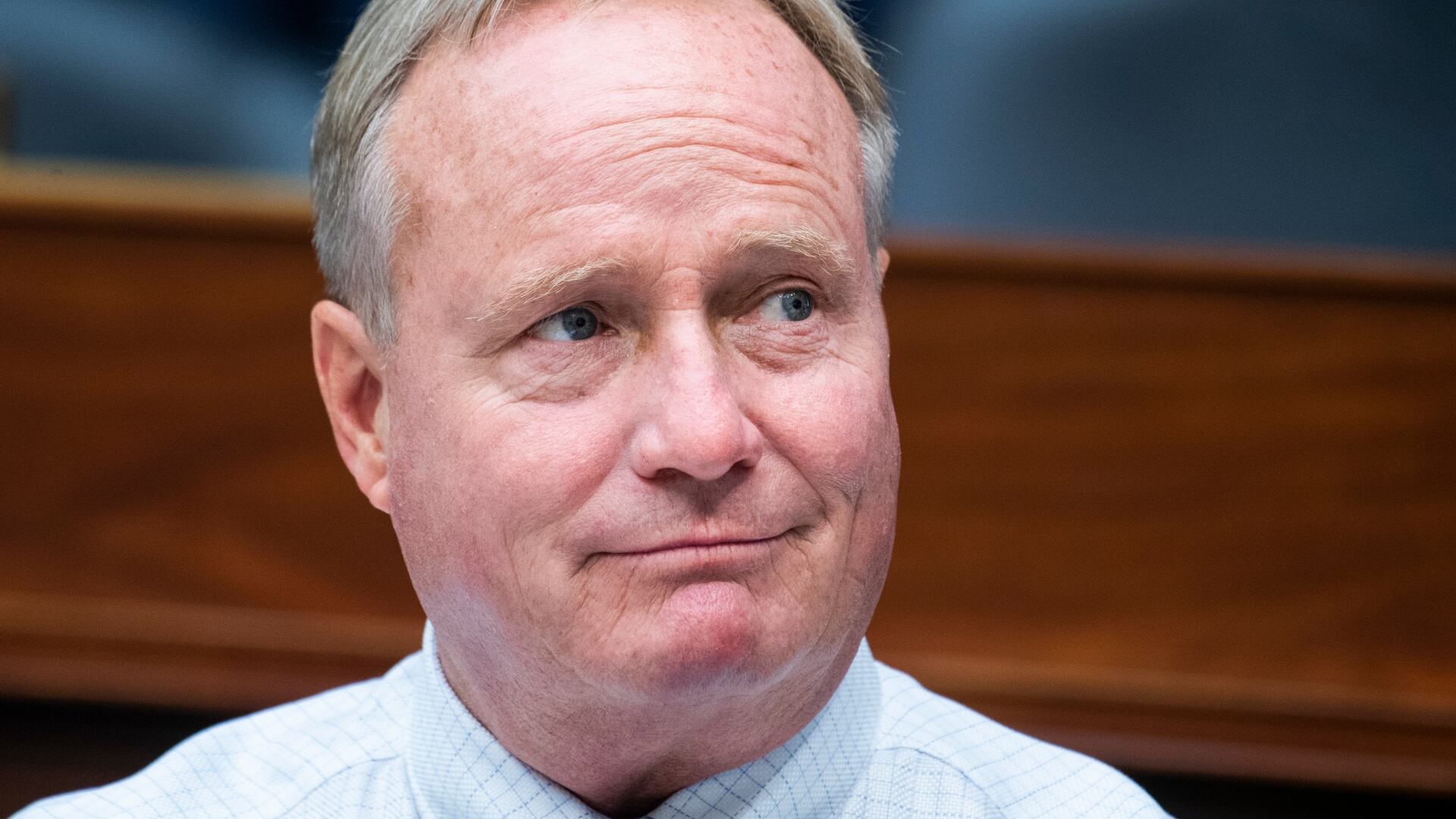
A new bill in Congress shows just how bipartisan cannabis really is. Rep. David Joyce, a Republican from Ohio, teamed up with progressive Rep. Alexandria Ocasio-Cortez on a cannabis expungement bill. Cheddar cannabis reporter Chloe Aiello spoke with the congressman about the legislation.
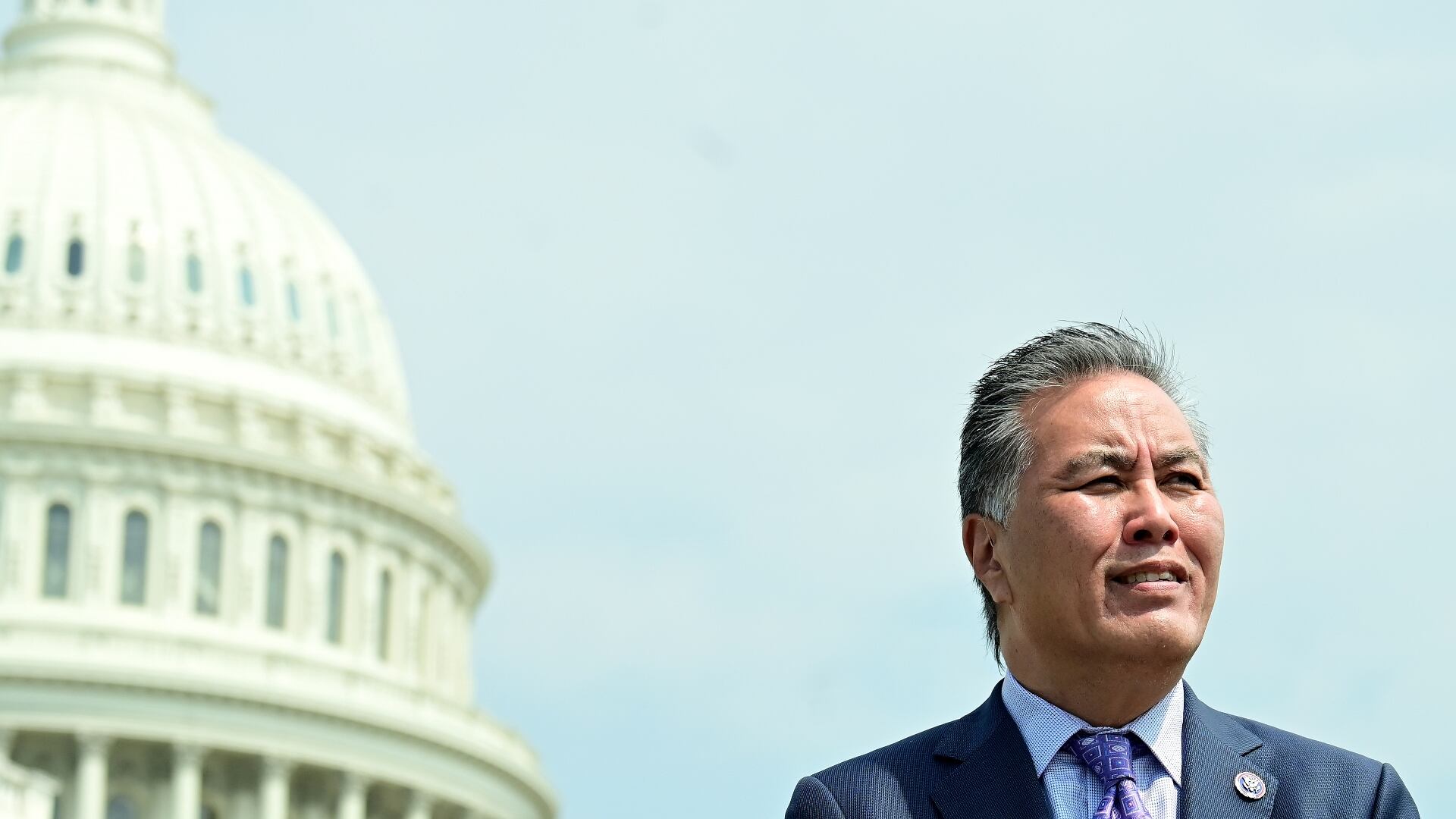
The Congressional Progressive Caucus have lined up to support the Thirty-Two Hour Workweek Act introduced by Rep. Mark Takano (D-Calif. 41st District). The representative joined Cheddar to discuss how instituting a four-day workweek in the United States can be beneficial for both employees with the need of a work-life balance and employers looking both to retain talent amid a labor shortage and improve efficiency in their workforces. "We live in a different time than 90 years ago when we established a 40-hour workweek," he said. "We've had a lot of technological changes, the American worker is exponentially more productive than previous generations, so it's time to reexamine Americans and the way in which they relate to work."
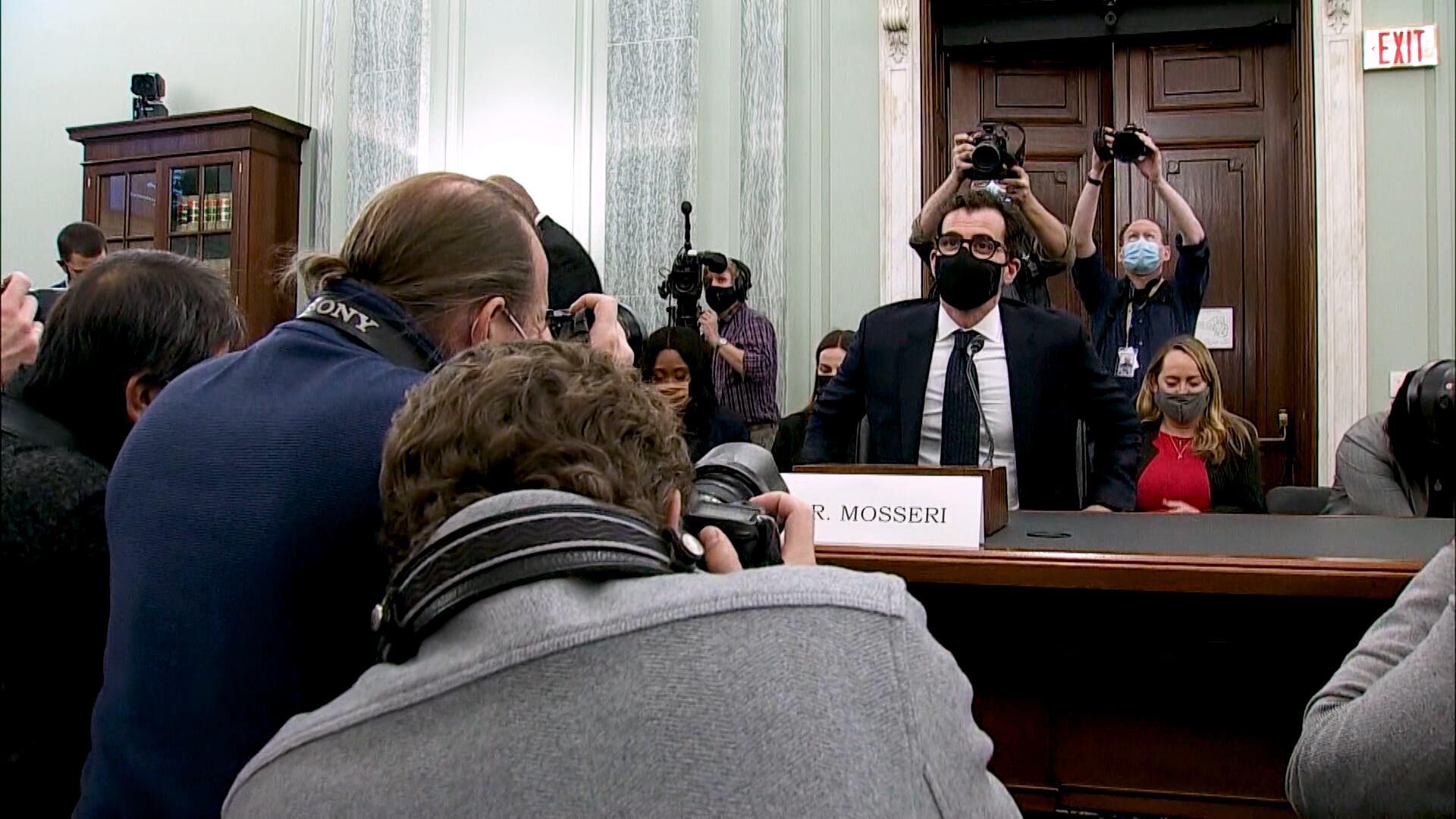
Instagram CEO Adam Mosseri faced a bipartisan Congressional grilling this week as the Senate inquired about safety practices for protecting the mental wellbeing of young people on the platform. Sen. Marsha Blackburn (R-Tenn.) joined Cheddar to talk about the hearing and how she was disappointed in Instagram coming unprepared with relevant information or documents. Blackburn also offered concern that the platform could continue with building a kids-only version despite having drawn significant opposition from the public.
The Great Resignation has shown some signs of slowing in October with the number of those who quit their jobs falling by 4.7 percent to 4.16 million. This comes as worker strikes and calls for unionization ramp up. Jane Oates, president at WorkingNation joined Cheddar's "Opening Bell" to discuss the implications.
U.S. markets opened lower despite positive jobs data, which saw weekly claims drop to a 52-year low. Kevin Nicholson, Co-CIO Global Fixed Income, RiverFront Investment Group joined Cheddar's Opening Bell to discuss the labor market, inflation, and the impact of the Omicron variant on global markets.
A packed Thursday pod: Carlo and Baker cover the latest developments in the Ghislaine Maxwell, Jussie Smollett and Elizabeth Holmes trials. Plus, Dems are losing the Hispanic vote, Boris Johnson in trouble again, and is it possible that Adele has peaked?
Jim Bruderman, Vice Chairman at 1879 Advisors, joins Cheddar News' Closing Bell, where he says investors experienced a 'panic attack' last week with the spread of the Omicron variant and the Fed's tapering plans. As a result, he says we're now seeing stocks climb due to a growing comfort level toward both developments.
Adam Mosseri, head of Instagram, faced withering questions on Capitol Hill about the reports the social media app was aware of the severe mental health impacts it was having on teenage girls. Karen Kornbluh, the director of digital innovation and democracy for the German Marshall Fund, joined Cheddar to discuss the rare show of bipartisan outrage on display at the Senate hearing. "The senators came really loaded for bear on both sides of the aisle," she said. Kornbluh explained how senators like Richard Blumenthal (D-Conn.) set up fake Instagram accounts with teen girl profiles in order to research the effects firsthand.