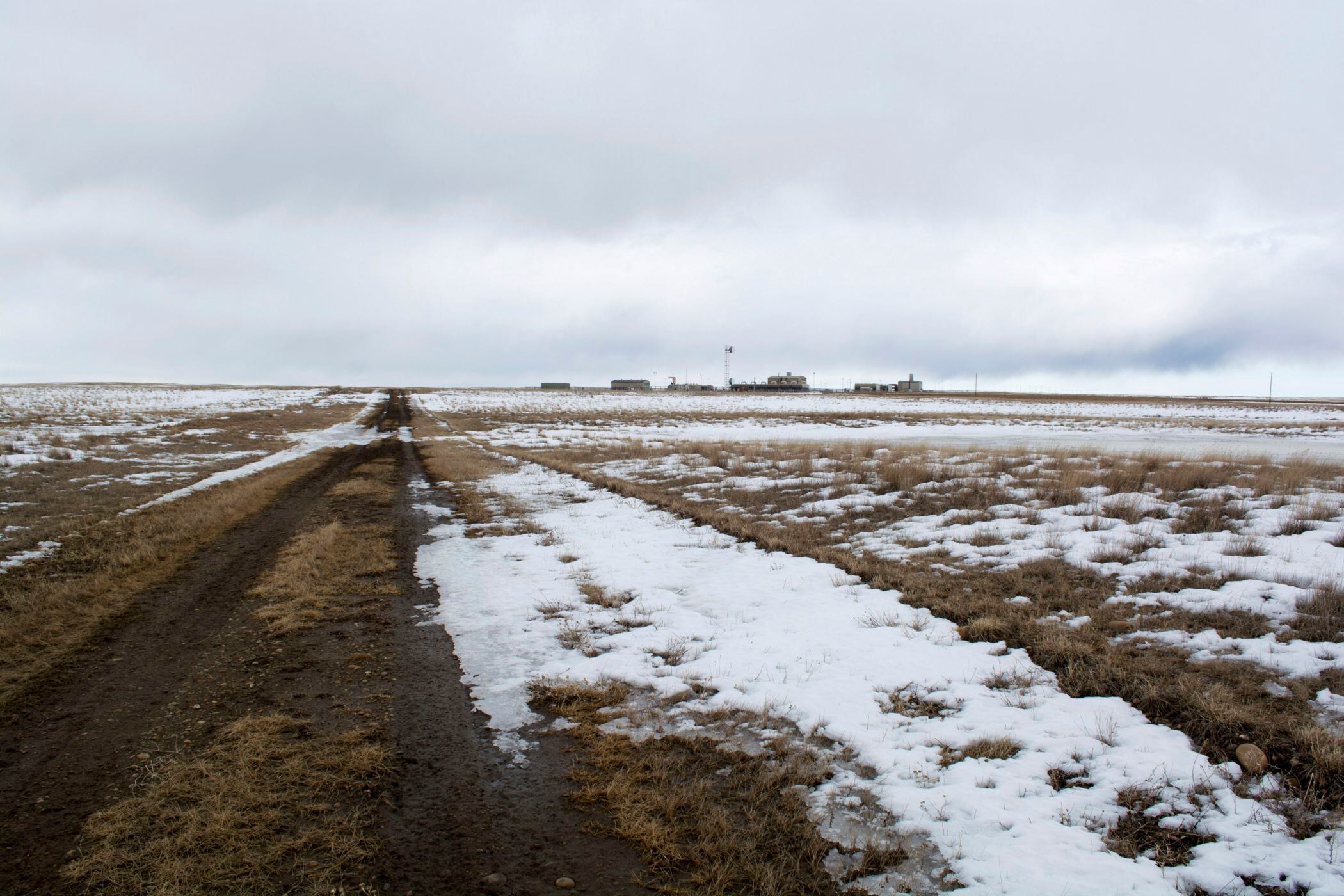
This March 11, 2020 photo provided by the Bureau of Land Management shows the proposed route of the Keystone XL oil pipeline where it crosses into the U.S. from Canada in Phillips County, Montana. (Al Nash/Bureau of Land Management via AP)
By Rob Gillies
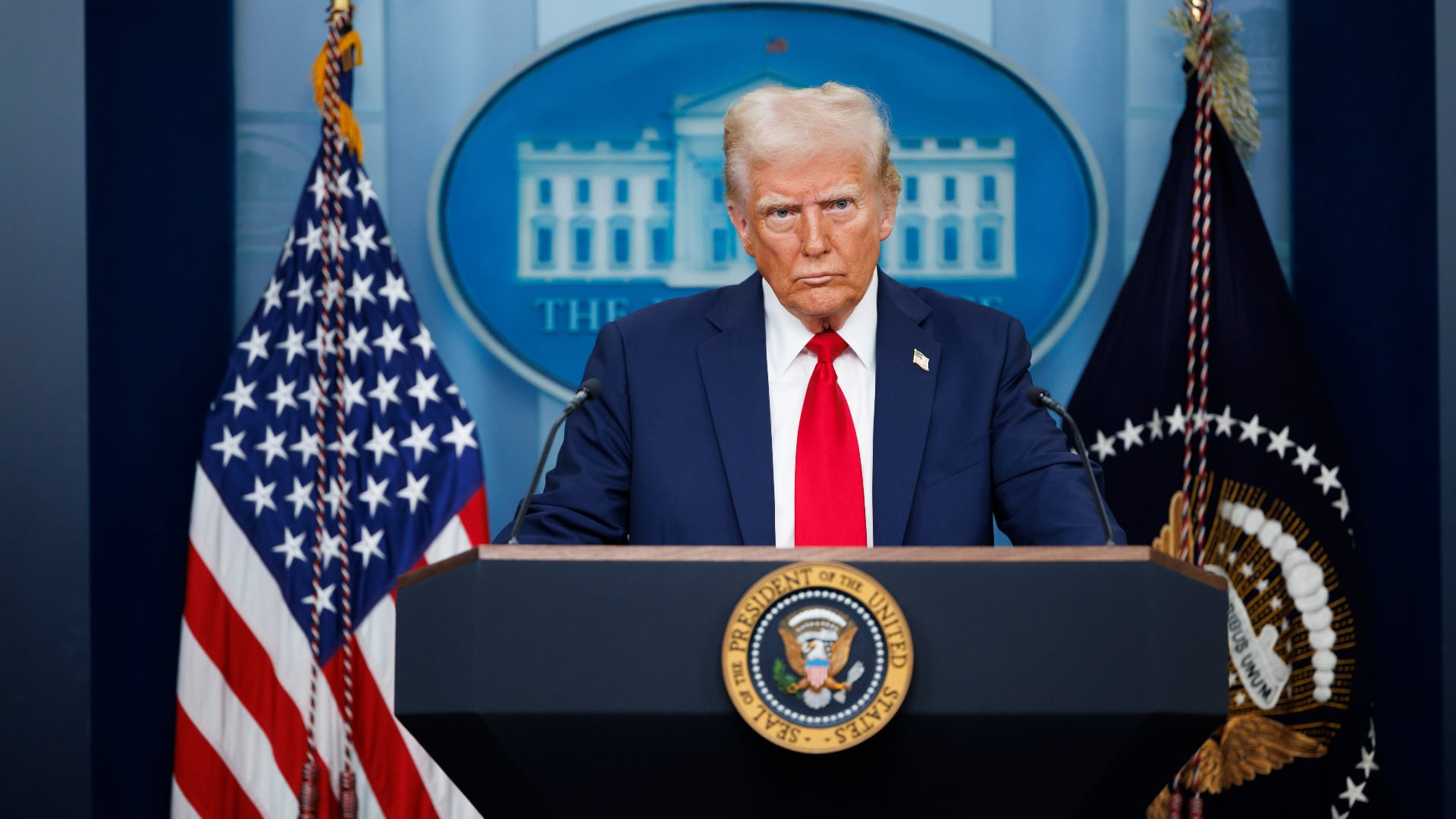
The Canadian company behind the Keystone XL oil pipeline said Wednesday it has suspended work on the pipeline in anticipation of incoming U.S. President Joe Biden revoking its permit.
Biden’s Day One plans included moving to revoke a presidential permit for the pipeline.
The 1,700-mile (2,735-kilometer) pipeline would carry roughly 800,000 barrels of oil a day from Alberta to the Texas Gulf Coast, passing through Montana, South Dakota, Nebraska, Kansas, and Oklahoma.
“As a result of the expected revocation of the Presidential Permit, advancement of the project will be suspended,” the Calgary, Alberta-based company said in a statement.
First proposed in 2008, the pipeline has become emblematic of the tensions between economic development and curbing the fossil fuel emissions that are causing climate change. The Obama administration rejected it, but President Donald Trump revived it and has been a strong supporter. Construction already started.
Kirsten Hillman, Canada’s ambassador to the United States, said Canada needs to move on now that Biden has made a decision.
“Of course we’re disappointed. We worked hard over the past number of months trying to make the case for Keystone XL," Hillman told the Canadian Broadcasting Corporation.
“He had made a commitment during his campaign and he lived up to that commitment. I think we have to accept that and move forward.”
Prime Minister Justin Trudeau raised Keystone XL as a top priority when he spoke with Biden in a phone call in November. The project is meant to expand critical oil exports for Canada, which has the third-largest oil reserves in the world.
Jason Kenney, premier of the oil-rich province of Alberta, said late Tuesday he urged Trudeau to tell Biden that “rescinding the Keystone XL border crossing permit would damage the Canada-US bilateral relationship.”
Trudeau and Biden are politically aligned and there are expectations for a return to normal relations after four years of Trump, but the pipeline is an early irritant as Biden has long said he would cancel it.
Trudeau has tried to balance the oil industry’s desire for more pipelines with environmentalists’ concerns. He canceled one major pipeline to the Pacific coast from oil-rich Alberta, but approved another and instituted a national carbon tax.
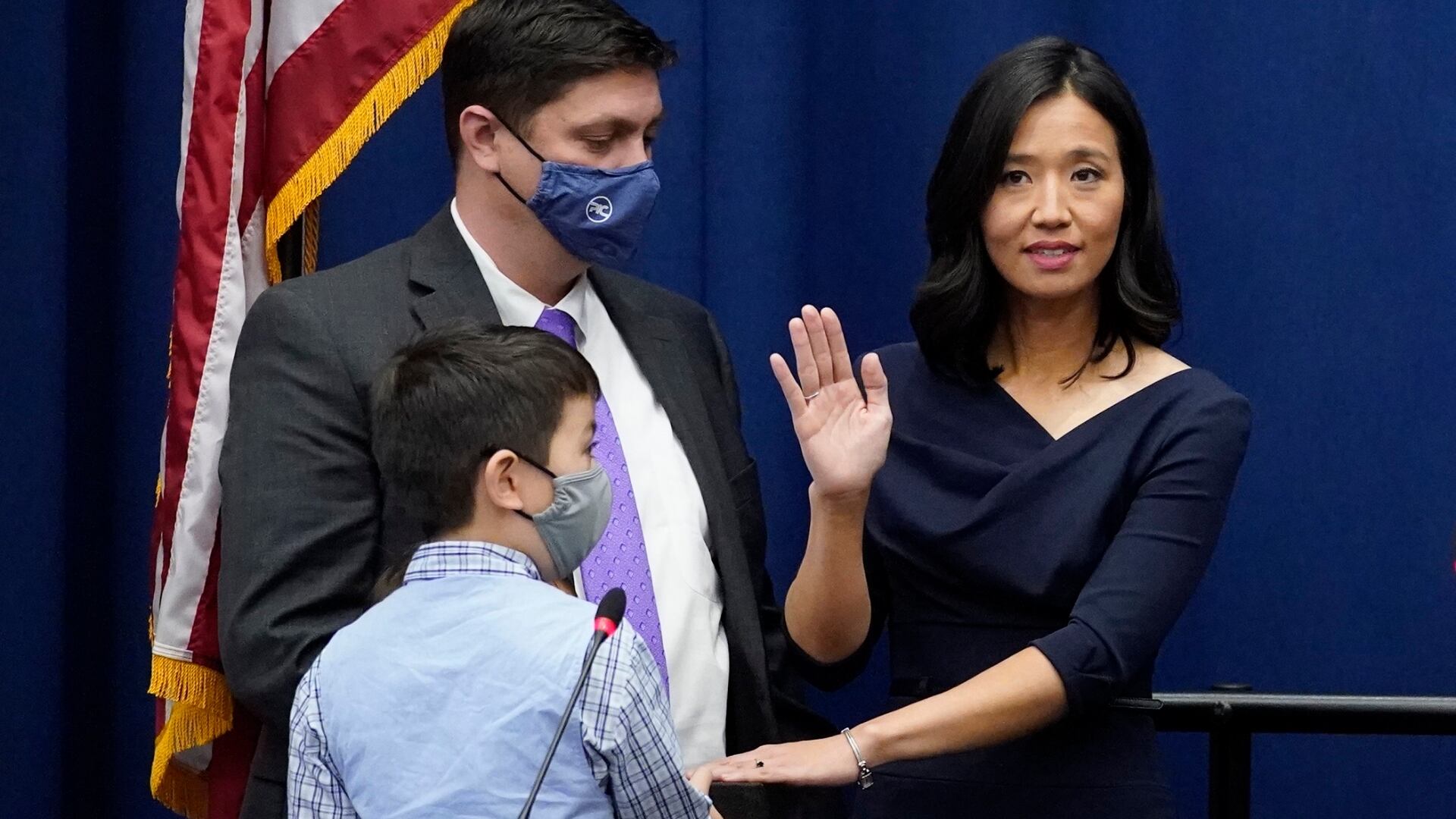
As the 2022 midterm elections fast approach, here are some politicians Americans should be on the lookout for. Democratic Massachusetts state senator Sonia Chang-Diaz, who was the first Latina and Asian American woman to be elected to the state's senate, now has her eye on the governorship with Republican Charlie Baker leaving. New Jersey GOP candidate for Congress, Billy Prempeh also bears watching, and while Boston's newest mayor, Democrat Michelle Wu, was already sworn in last month, all eyes will be on Beantown as the first woman and first person of color to hold the office tries to usher in a new era for the city.
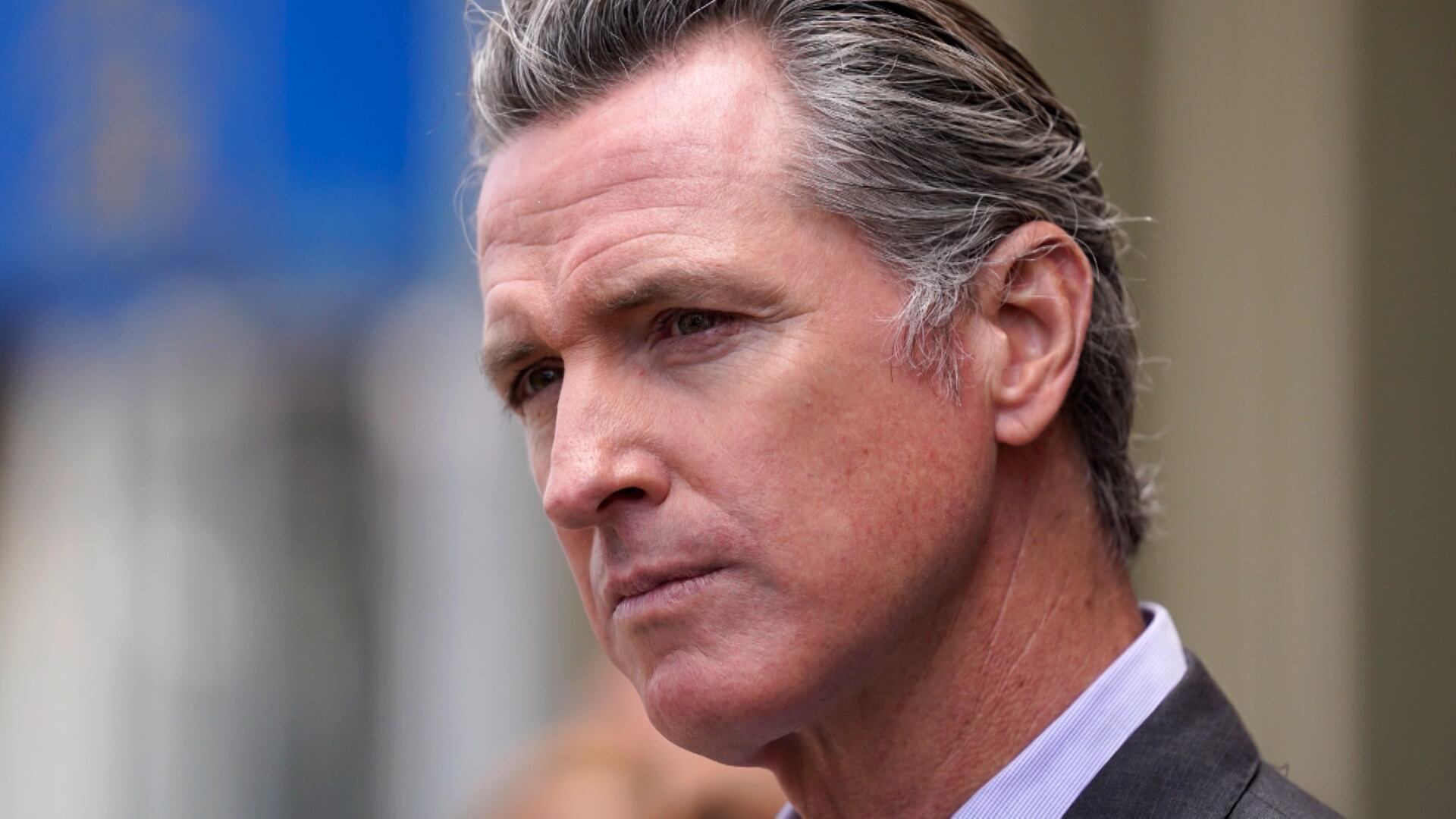
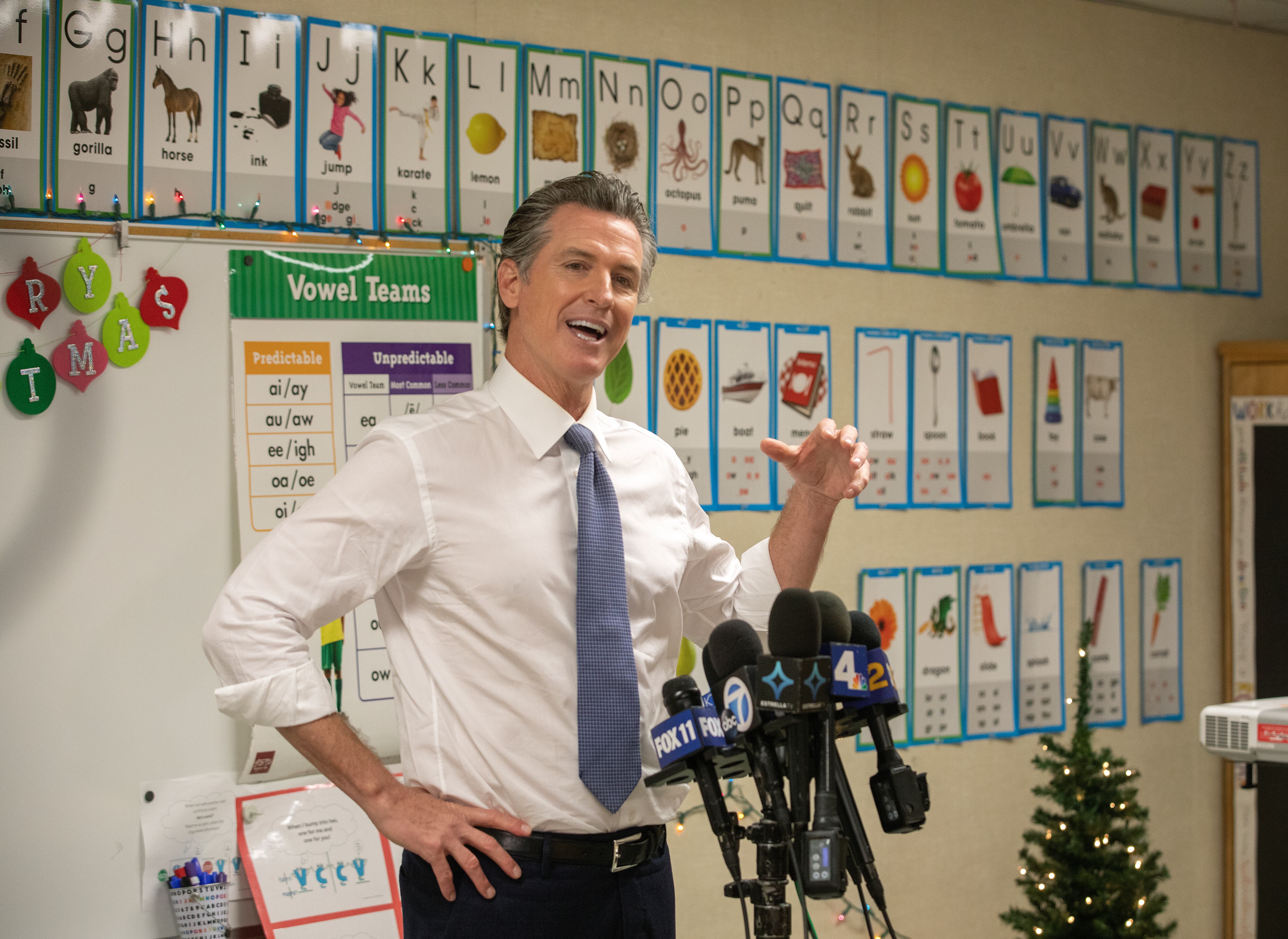
Emily Hoeven, newsletter editor at CalMatters, joins Cheddar News to discuss California Governor Gavin Newsom's gun law modeled after Texas's abortion law.
Chuck Rocha, host of 'Nuestro' podcast and opinion contributor at The New York Times, joins Cheddar News to discuss why Democrats are losing Hispanic voters.
More businesses are requiring workers to return to the office, but there is concern that many employees in the middle class, especially women and people of color, need remote work options for reasons including childcare and financial security. Joan Williams, director of the Center for WorkLife Law at the University of California, joined Cheddar to discuss why office mandates could be detrimental to the middle class. She noted that while companies claim a return to offices would help foster more collaboration and efficiency, reports show that they are successfully able to do their jobs from home.
The U.S. postal service has confirmed that it secretly developed and tested a blockchain-based mobile voting system ahead of the 2020 election. Susan Greenhalgh, senior advisor on election security, Free Speech for People, joins Cheddar News to discuss the cybersecurity complications of a mobile voting system.
The U.S. Supreme Court ruled to allow the controversial Texas abortion law to remain in effect, banning abortion at six weeks and allowing any private citizen to sue a person or doctor aiding or abetting someone seeking an abortion. Outraged at this decision, California Governor Gavin Newsom is working to draft a proposal in line with the law as it relates to guns. Shawn Hubler, California correspondent at the New York Times, joins Cheddar News to discuss.