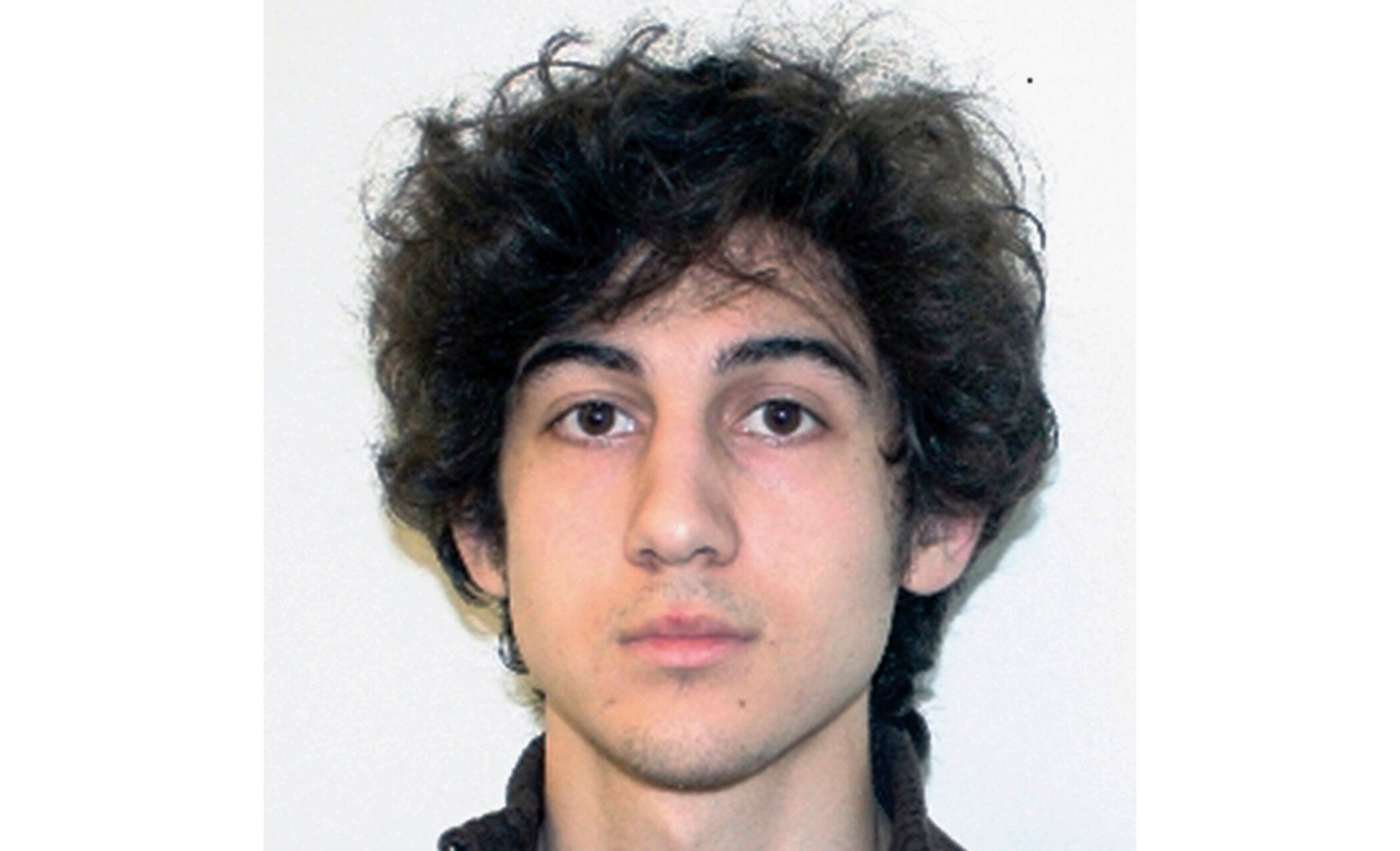
A U.S. District Court judge agreed to let federal prosecutors use convicted Boston Marathon bomber Dzhokhar Tsarnaev's $1,400 COVID-19 stimulus payment, as well as other money held in his inmate trust account, to help pay the millions of dollars he was ordered to pay his victims, The Wall Street Journal reported Thursday.
In a filing Wednesday, the U.S. attorney's office in Boston asked a judge to order the federal Bureau of Prisons to turn the money over to the Clerk of the Court “as payment towards his outstanding criminal monetary penalties, including unpaid special assessment and restitution."
In addition to the stimulus payment, Tsarnaev, who's being held at a maximum security prison in Florence, Colorado, has received money from dozens of sources during his incarceration, including the federal public defender's office and regular payments from individuals living in Indiana, New Jersey and Maryland, according to the filing by acting U.S. Attorney for Massachusetts, Nathaniel Mendell.
As of Dec. 22, Tsarnaev had $3,885 and change in his account.
He was convicted in 2015 of 30 charges in connection with the 2013 bombing at the Boston Marathon finish line that killed three spectators and injured more than 260 others. In 2016 he was ordered to pay a $3,000 special assessment and more than $101 million in criminal restitution.
So far, Tsarnaev has paid a little more than $2,200 of that, all toward the assessment, according to the filing.
And although he has not paid a penny in restitution, Tsarnaev has used his inmate account to pay his siblings for items such as “gifts,” “support,” and “books,” according to the filing.
“The United States submits that the requested relief is reasonable and appropriate in this instance, especially in light of the defendant prioritizing payments to his siblings over the victims of his crimes,” prosecutors wrote.
An email seeking comment was left with Tsarnaev's attorneys.
Tsarnaev was originally sentenced to death, but the federal appeals court in Boston threw out the death sentence in July 2020 because, it said, the judge at his trial did not do enough to ensure the jury would not be biased against him. He is currently serving a life sentence.
The Biden administration has asked the Supreme Court to reinstate Tsarnaev's death sentence. The high court heard arguments in October but has yet to rule.
Marvel's "Spiderman: No Way Home" is the third highest-grossing film of the year and could be the only one to reach the $1 billion mark of 2021 with ticket sales already surpassing $750 million.
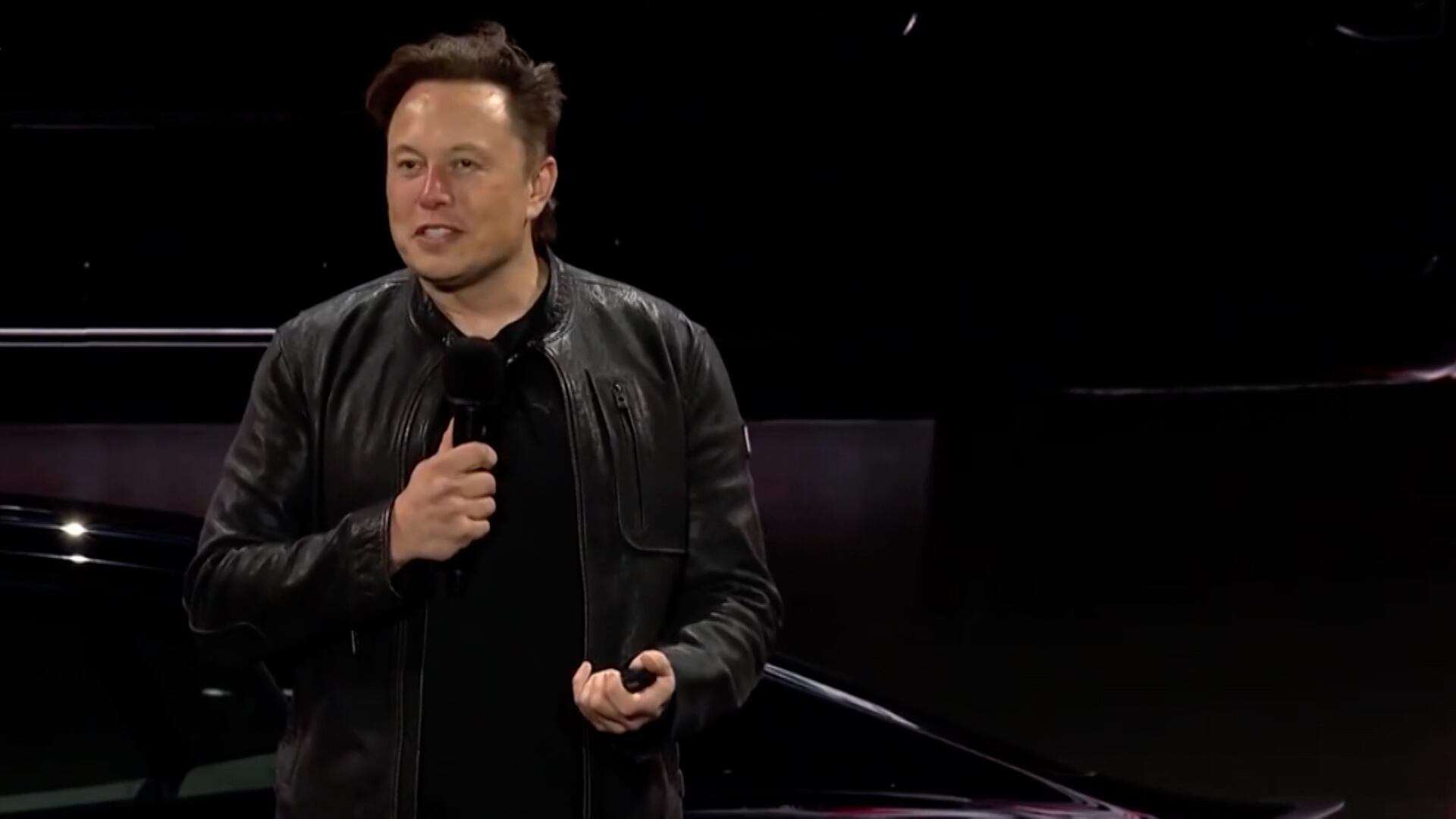
Although still early in development, blockchain technology, Web3, also known as Web 3.0 has been getting a lot of attention from some top tech names lately. Web3 is based on blockchain technology, which powers NFT’s and cryptocurrencies such as bitcoin. With Web3, users would ideally control their own data, rather than have it be controlled by a few large companies. But, Tesla CEO Elon musk isn't buying into Web3 just yet, tweeting over the weekend that the decentralized iteration of the internet seems more like a marketing "buzzword" right now than reality. Twitter co-founder Jack Dorsey also chiming in to the conversation, expressing doubt over whether or not Web3 would actually be decentralized if ownership still belonged to venture capital firms. Parker McCurley, co-founder & CEO of Decent Labs explains the significance of Web3 catching the eye of the tech giants, and what Web3 could mean for the future of the internet.
Carlo and Baker cover the heartening news on the Covid front ahead of the holiday, plus President Biden punting student loan repayments again, a new space telescope and Love, Hate, Ate: Christmas Eve Eve Edition!
This year's worldwide semiconductor shortage limited the supply of everything from new cars to smartphones; and now, many in the chip industry expect the shortage to continue deep into 2022, and maybe even 2023. Semiconductor senior research analyst for Robert W. Baird & Co., Tristan Gerra, joins Cheddar News' Closing Bell to discuss.
Pavel Bains, the Executive Producer of MixMob and CEO of Bluzelle, joins Cheddar News' Closing Bell to elaborate on an opinion piece he wrote for CoinDesk in which he compares the cultural significance of crypto to hip hop in the 1990s.
Direct health care company Nomi Health recently raised $110 million in a Series A round. Nomi Health lets public and private organizations directly purchase healthcare at reduced costs, and pay providers in real-time. It also delivers healthcare directly to under-served communities via its fleet of mobile care units, which the company says is the largest in the country. Nomi Health says its mission is to improve the health care experience for all Americans. Nomi Health CEO Mark Newman joined Cheddar News' Closing Bell to discuss.
Darby Fox, child and adolescent family therapist, joins Cheddar News to discuss how parents can navigate their child's mental wellness during the holidays.
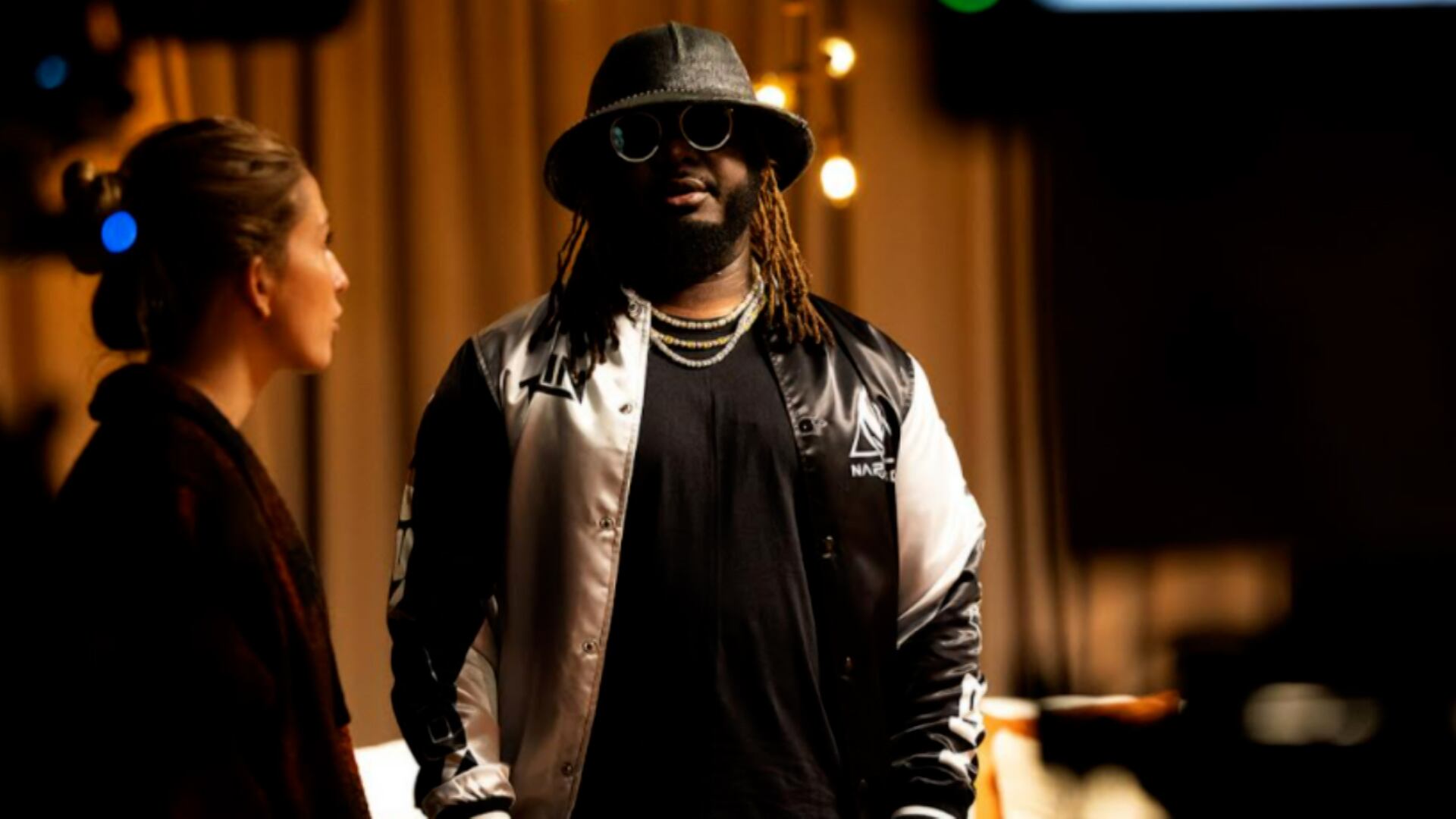
A new series is looking to advance Black founders who have disruptive ideas and companies. 'Bet on Black' is a new series that allows black entrepreneurs to pitch their businesses in the hopes of securing $200,000 in funding. Revolt TV and Target teamed up to create the show. Detavio Samuels, CEO of Revolt, joins Cheddar News to discuss.