The inventor of Narcan, the nasal spray that can reverse an opioid overdose, said the decision by an Oklahoma judge to hold Johnson & Johnson responsible for fueling the state's opioid crisis is a major step in the nation's effort to combat the epidemic.
While the $570 million judgment was a fraction of the $17 billion requested by the state, Dr. Roger Crystal said that it illustrates "that the states are taking this crisis very seriously."
Narcan, which administers naloxone, blocks opioid receptor sites in a person's nervous system and can reverse the effects of an overdose — if administered quickly enough.
The nasal spray was first approved by the federal Food and Drug Administration in November 2015. Since then, the product has been used countless times to reverse overdoses from opioids, which include drugs such as oxycodone, hydrocodone, morphine, and illegal fentanyl, among others.
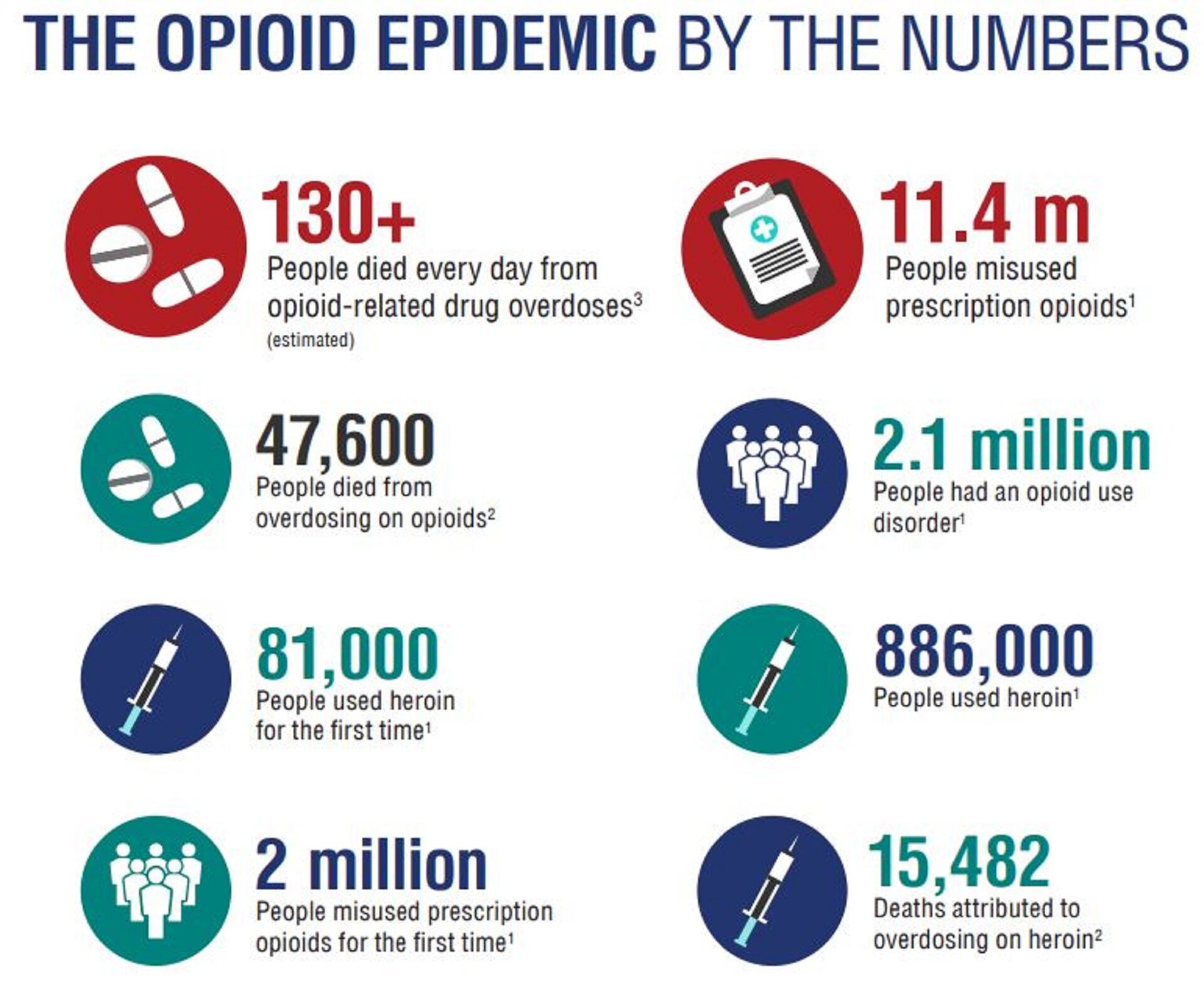
<i>The opioid epidemic in 2017 by the numbers. Credit: U.S. Department of Health and Human Services</i>
Each dose costs roughly $37, which, Crystal said is "totally appropriate" for a drug that can save a life. Still, roughly 130 people die everyday from opioid overdoses, according to government estimates.
The Johnson & Johnson decision is a "recognition of a serious opioid crisis," Crystal said, adding that opioids have "been the biggest killer of young Americans."
Crystal added, however, that while opioid manufacturers have "significantly contributed" to the crisis, addressing the issue will require a broader restructuring of how painkillers are prescribed and how doctors approach pain management.
Monday's court ruling also coincides with International Overdose Awareness Day, which is observed every year on August 31.
Ari Redbord, head of legal and government affairs and TRM Labs, joins Cheddar News to discuss why Facebook is ditching its crypto project and what that means for the space.
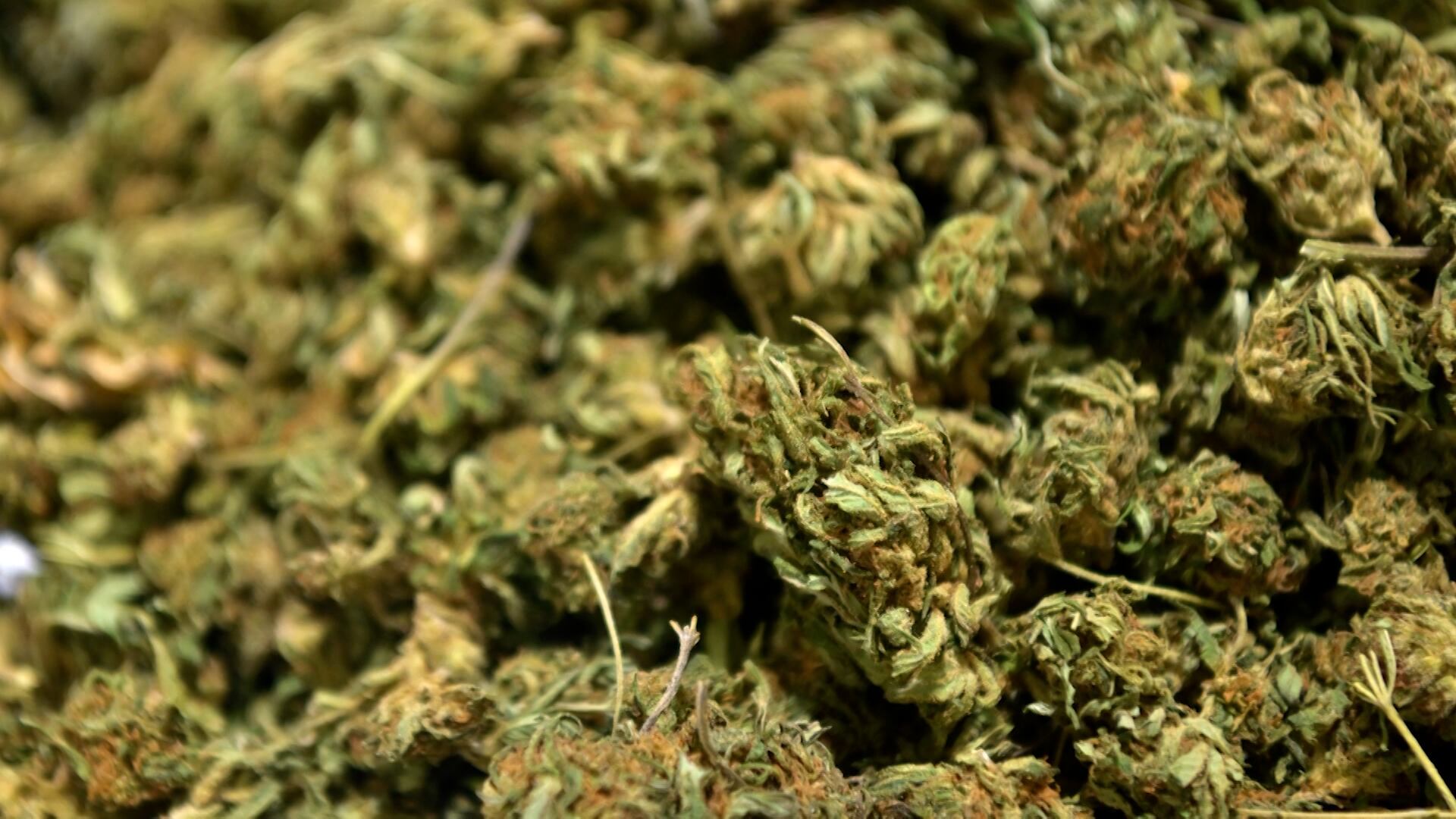
Natalie Fertig, federal cannabis policy reporter at Politico Pro, joins Cheddar News to discuss a new YouGov poll that looks at how Americans feel about marijuana and politics.
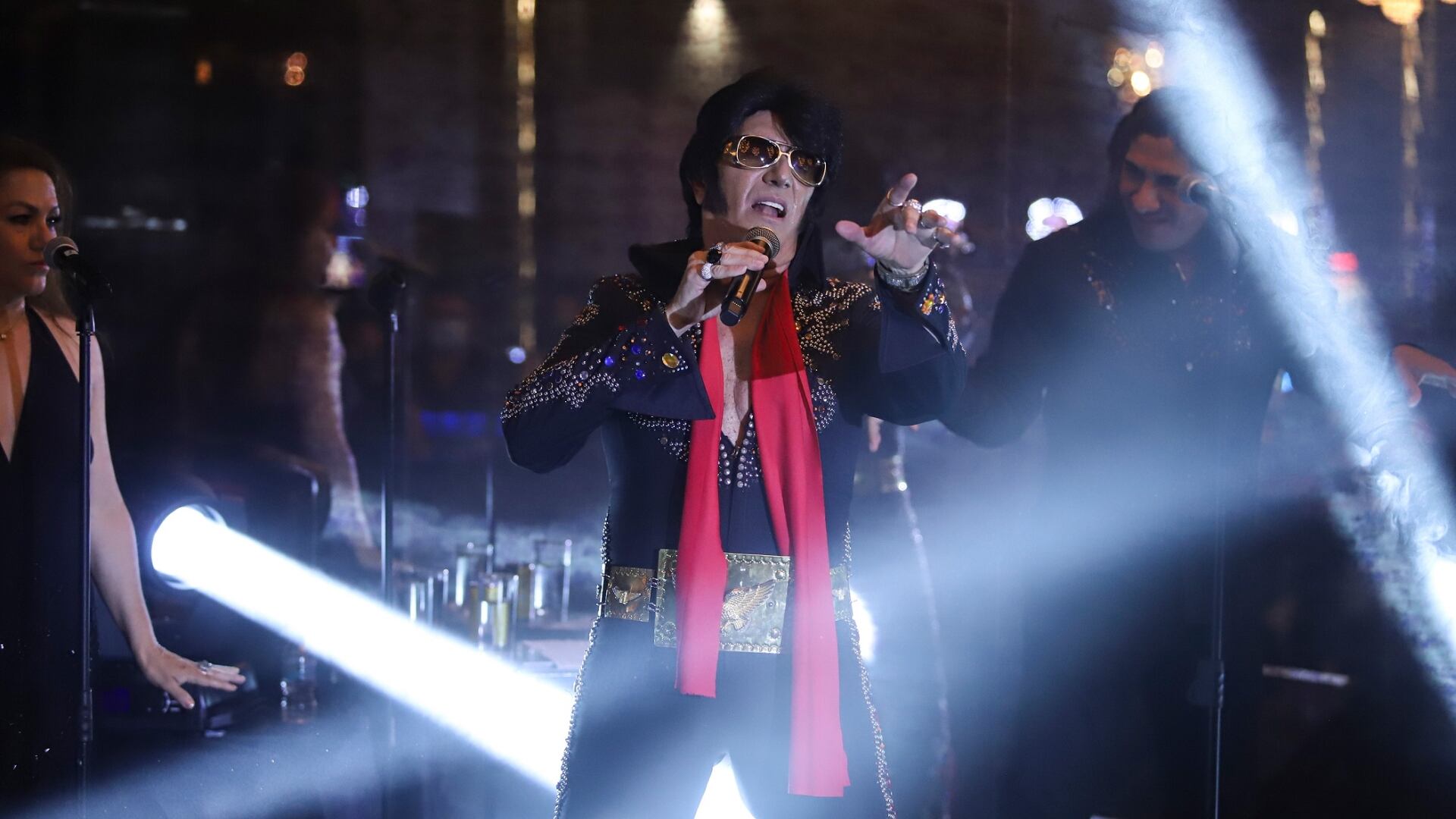
A virtual gathering in the online space, Decentraland, of Elvis Presley impersonators is looking to grab the Guinness World Record for most Elvis impersonators in one place after the record-keeping org recently approved the use of avatars as stand-ins for people.
A powerful winter storm hit the Northeast over the weekend leaving 100,000 New Yorkers in the dark as well as snowfall up to 30.9 inches in parts of Massachusetts. The nor'easter hit with blizzard conditions of wind speed and poor visibility.
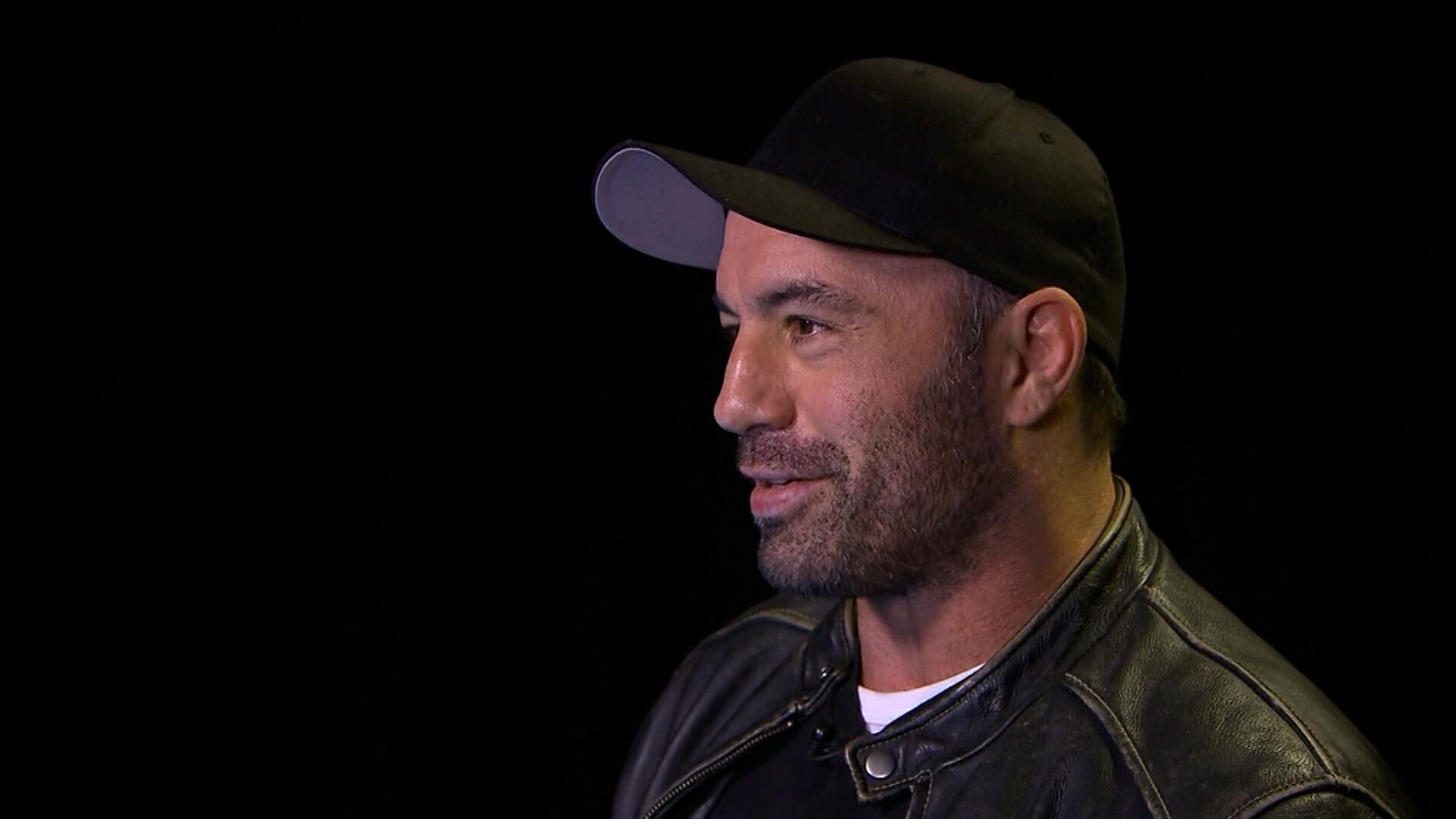
After classic rocker Neil Young demanded removal of his music from Spotify over vaccine misinformation coming from The Joe Rogan Experience podcast, the platform made the decision to take down Young's songs and continue supporting Rogan with whom they have an exclusive contract. The move touched off a firestorm of controversy, leading to responses from both the streaming service and the podcasting host. Evan Nierman, CEO of Red Banyan Crisis PR, joined Cheddar to break down the latest on the fracas. "I think when [Spotify] initially said, we're not going to be commenting on that, that was a silly move because guess what? They did end up commenting about it, and nine times out of 10, when an organization says they're not going to be issuing a comment, they ultimately do," Nierman noted.
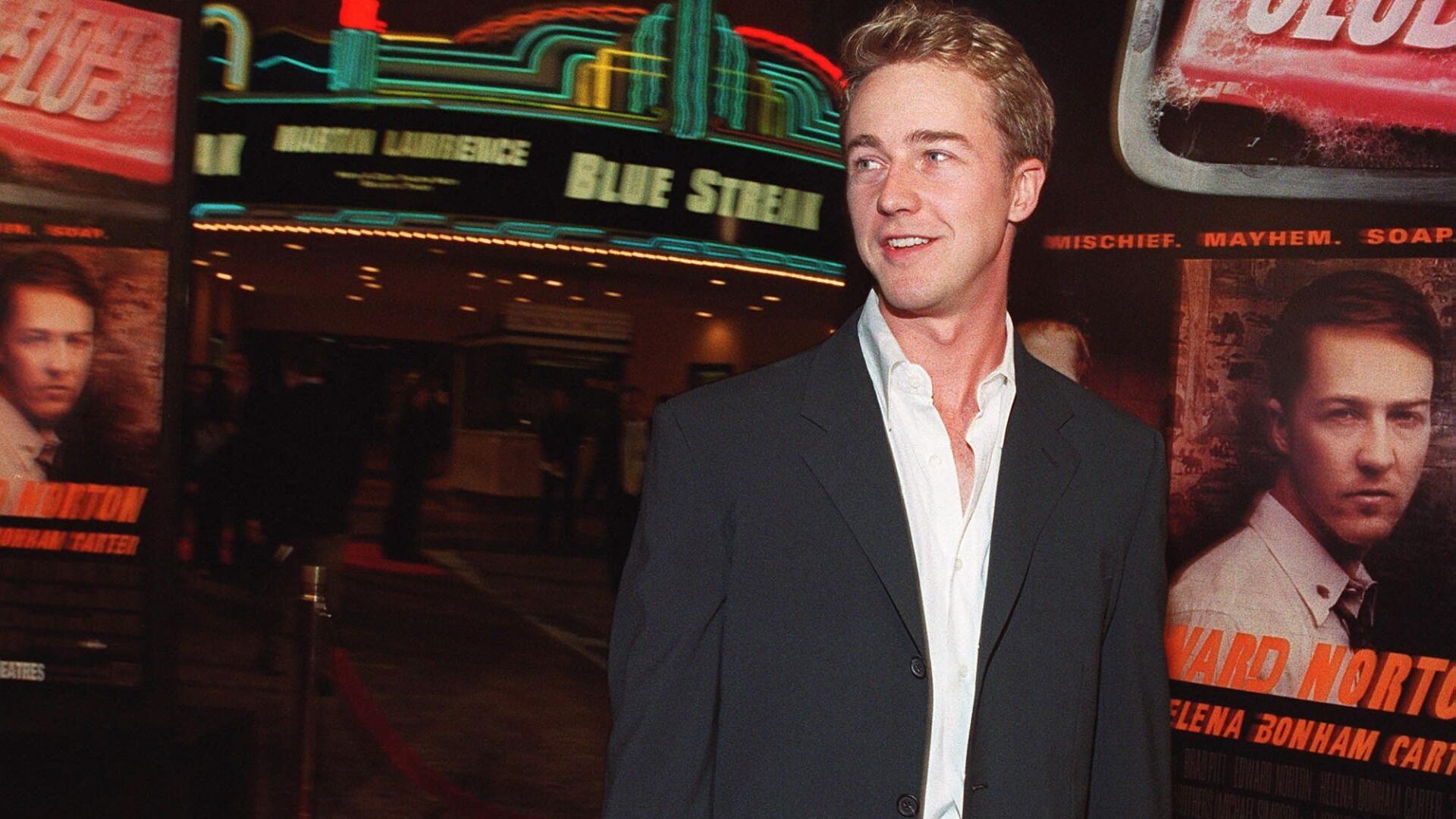
The 1999 cult classic "Fight Club" has been given a very different ending in China — and this time, the authorities win. Cheddar News speaks with Joan Solsman, senior media reporter at CNET who breaks down how China is using films for political messaging.
NFT art platform TRLab recently raised $4.2 million in funding. TRLab launched just last year but says its platform focused on NFT curation and distribution is growing quickly. The company hopes to bridge traditional and digital art worlds and help artists explore NFTs as an emerging medium. TRLab co-founder and chairwoman Xin Li-Cohen and co-founder and CEO Audrey Ou joined Cheddar News' Closing Bell to discuss.