The inventor of Narcan, the nasal spray that can reverse an opioid overdose, said the decision by an Oklahoma judge to hold Johnson & Johnson responsible for fueling the state's opioid crisis is a major step in the nation's effort to combat the epidemic.
While the $570 million judgment was a fraction of the $17 billion requested by the state, Dr. Roger Crystal said that it illustrates "that the states are taking this crisis very seriously."
Narcan, which administers naloxone, blocks opioid receptor sites in a person's nervous system and can reverse the effects of an overdose — if administered quickly enough.
The nasal spray was first approved by the federal Food and Drug Administration in November 2015. Since then, the product has been used countless times to reverse overdoses from opioids, which include drugs such as oxycodone, hydrocodone, morphine, and illegal fentanyl, among others.
<i>The opioid epidemic in 2017 by the numbers. Credit: U.S. Department of Health and Human Services</i>
Each dose costs roughly $37, which, Crystal said is "totally appropriate" for a drug that can save a life. Still, roughly 130 people die everyday from opioid overdoses, according to government estimates.
The Johnson & Johnson decision is a "recognition of a serious opioid crisis," Crystal said, adding that opioids have "been the biggest killer of young Americans."
Crystal added, however, that while opioid manufacturers have "significantly contributed" to the crisis, addressing the issue will require a broader restructuring of how painkillers are prescribed and how doctors approach pain management.
Monday's court ruling also coincides with International Overdose Awareness Day, which is observed every year on August 31.
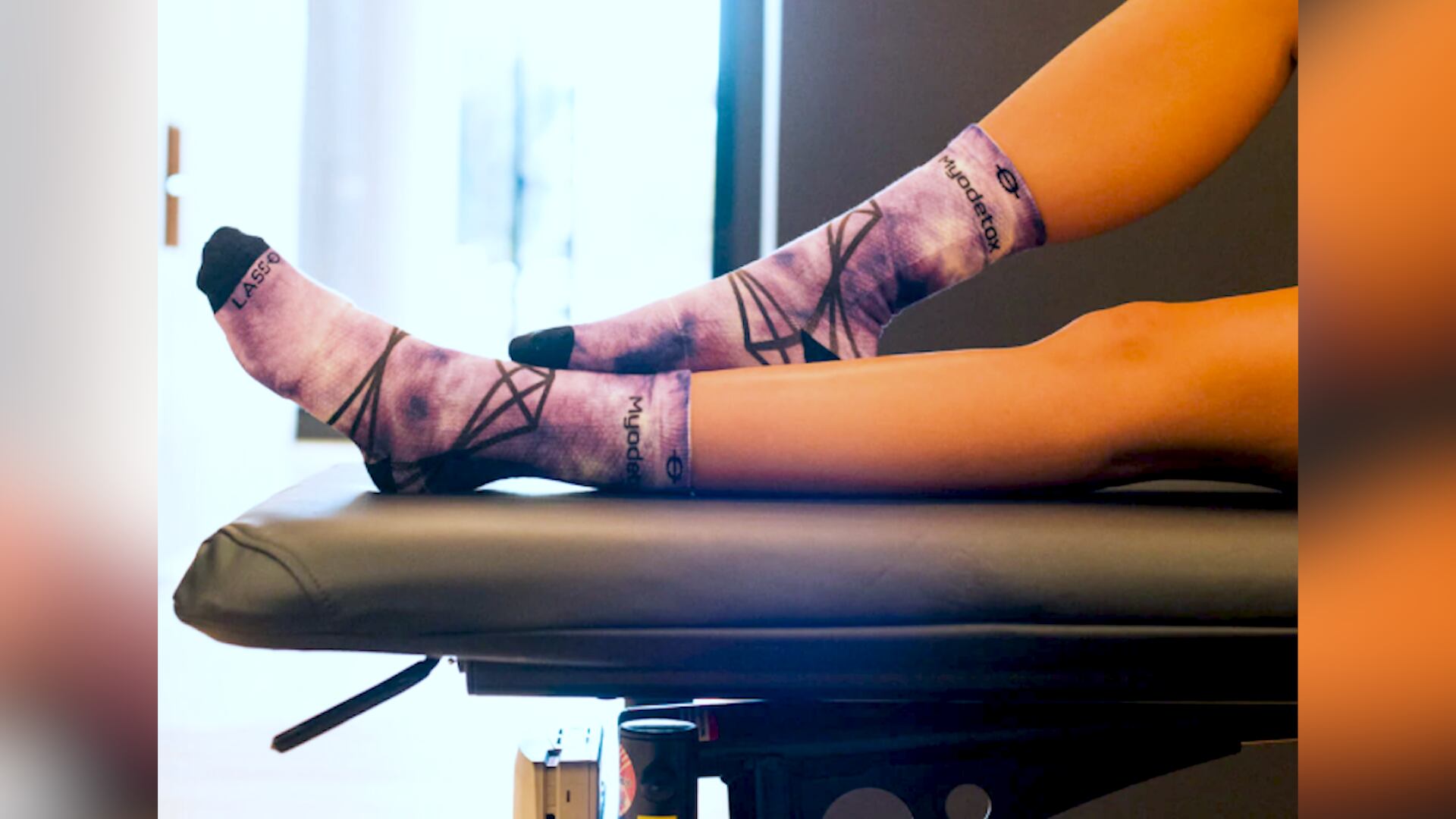
Partha Unnava, Founder and CEO and Lasso, joins Cheddar Innovates to discuss how the design behind these compression socks can prevent injuries and improve performance.
On this episode of Cheddar Innovates: Vision Marine Technologies CEO discusses how e-boats will play a role in the fight against the climate crisis; Lasso CEO breaks down how the design behind these compression socks can prevent injuries and improve performance; Cheddar gets a look at Curiosity Stream's 'The Tombs Of Egypt.'
Catriona Campbell, CTIO, UK and Ireland, EY, joins Cheddar News to discuss how business leaders can bridge the gap between their technology investments and their aspirations, and breaks down the human aspects of A.I.
Tens of thousands of people have fled Ukraine in attempts to escape the Russian Invasion. According to the U.N. neighboring countries like Poland, Hungary, and even Romania have seen half a million refugees. While the hospitality is being welcomed by many, it also highlights the mistreatment of migrants and refugees from the Middle East and Africa. Professor of Philosophy and Director of Politics at Northeastern University Serena Parekh, joined Cheddar, to discuss more.
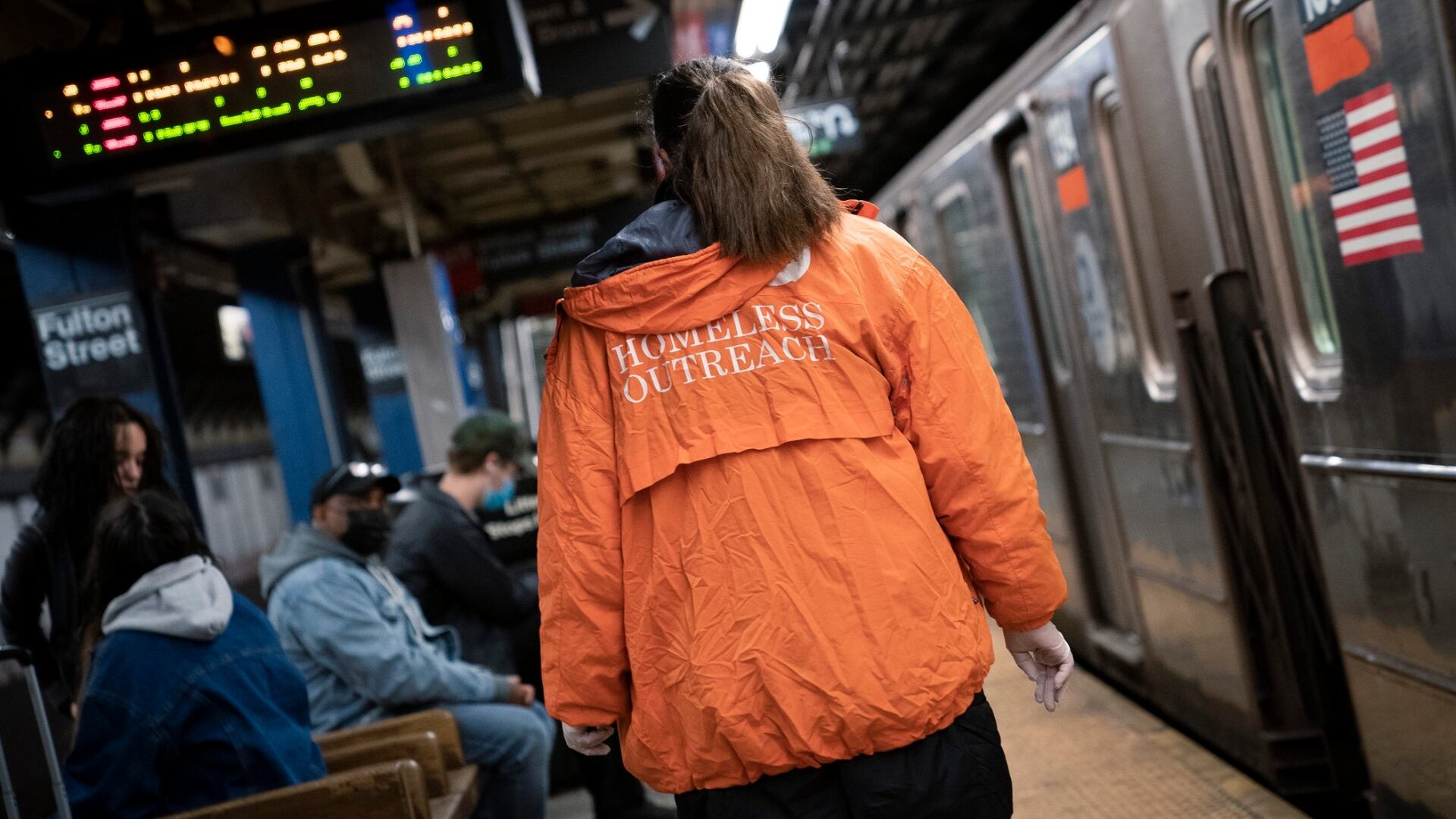
New York's MTA unveiled a new plan to boost the safety for the Big Apple's public transit system to go into effect on the heels of a violent weekend on the subways. The six separate attacks follow a rise of 60 percent in violent subway crimes year to date. The plan will attempt to address the surge in violence, as well as separately offer services to the homeless found within the system, according to the transportation authority. Cheddar's Chloe Aiello explains.
On this episode of Cheddar Reveals, Kim Severson, National Food Correspondent, The New York Times, dives into some of the top trends in the food industry for the upcoming year; Renowned Harlem chef & restaurateur Melba Wilson discusses her inspirations and rise in the food industry, and giving back to her community through food; Cheddar gets a look at Curiosity Stream's 'The History of Food.'
Kim Severson, National Food Correspondent, The New York Times, joins Cheddar Reveals to dive into some of the top trends in the food industry for the upcoming year.
Renowned Harlem chef & restaurateur Melba Wilson joins Cheddar to discuss her inspirations and rise in the food industry, and giving back to her community through food.