The inventor of Narcan, the nasal spray that can reverse an opioid overdose, said the decision by an Oklahoma judge to hold Johnson & Johnson responsible for fueling the state's opioid crisis is a major step in the nation's effort to combat the epidemic.
While the $570 million judgment was a fraction of the $17 billion requested by the state, Dr. Roger Crystal said that it illustrates "that the states are taking this crisis very seriously."
Narcan, which administers naloxone, blocks opioid receptor sites in a person's nervous system and can reverse the effects of an overdose — if administered quickly enough.
The nasal spray was first approved by the federal Food and Drug Administration in November 2015. Since then, the product has been used countless times to reverse overdoses from opioids, which include drugs such as oxycodone, hydrocodone, morphine, and illegal fentanyl, among others.
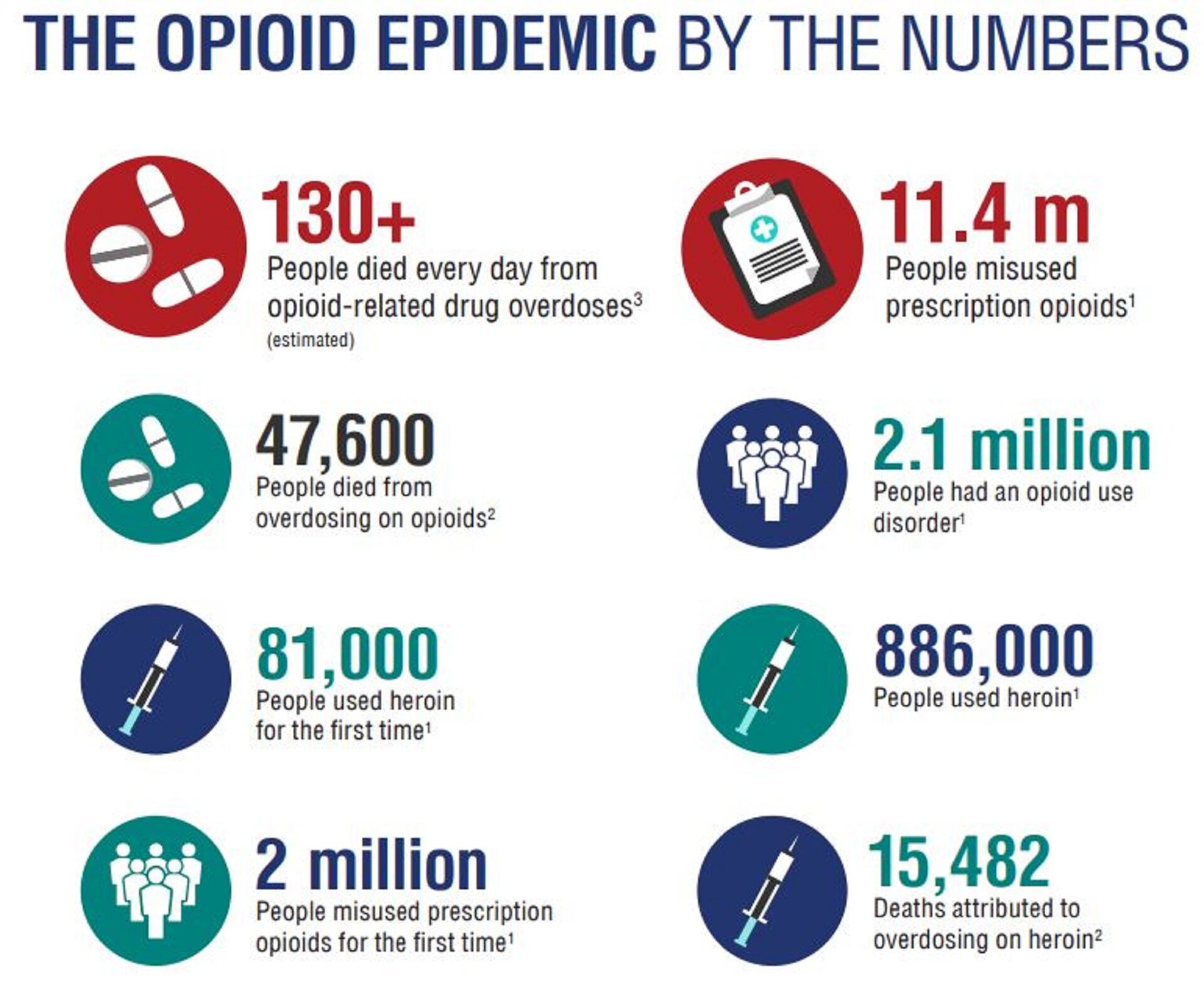
<i>The opioid epidemic in 2017 by the numbers. Credit: U.S. Department of Health and Human Services</i>
Each dose costs roughly $37, which, Crystal said is "totally appropriate" for a drug that can save a life. Still, roughly 130 people die everyday from opioid overdoses, according to government estimates.
The Johnson & Johnson decision is a "recognition of a serious opioid crisis," Crystal said, adding that opioids have "been the biggest killer of young Americans."
Crystal added, however, that while opioid manufacturers have "significantly contributed" to the crisis, addressing the issue will require a broader restructuring of how painkillers are prescribed and how doctors approach pain management.
Monday's court ruling also coincides with International Overdose Awareness Day, which is observed every year on August 31.
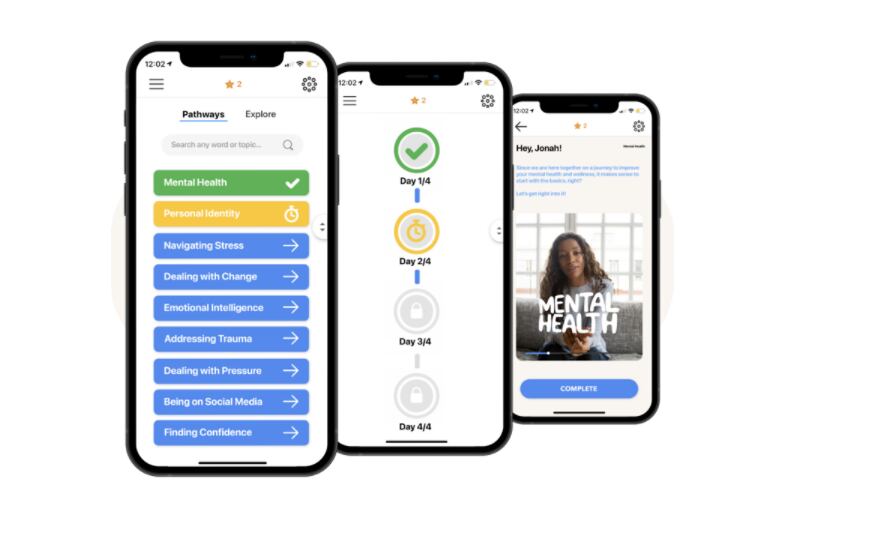
Two friends have joined forces to come up with an app dedicated to making mental health more approachable and to provide users with the tools needed to improve their mental health and overall well-being. Co-Founders of the Dial App Jonah Salita and Marcel Johnson, joined Cheddar to discuss more.
Miss Universe 2021 Harnaaz Sandhu and Smile Train CEO Susie Schaefer join Cheddar News to talk about how Smile Train continues to support those with a cleft lip this International Women's Day.
On this International Women’s Day, Deb Cupp, president of Microsoft U.S., joined Cheddar News to talk about the implementation of her pillars to extend the company's culture, such as acting with care and putting the team first. "What I like about the pillars is they're very simple, so it's easy for us to think about how they show up every day in our lives," Cupp said.
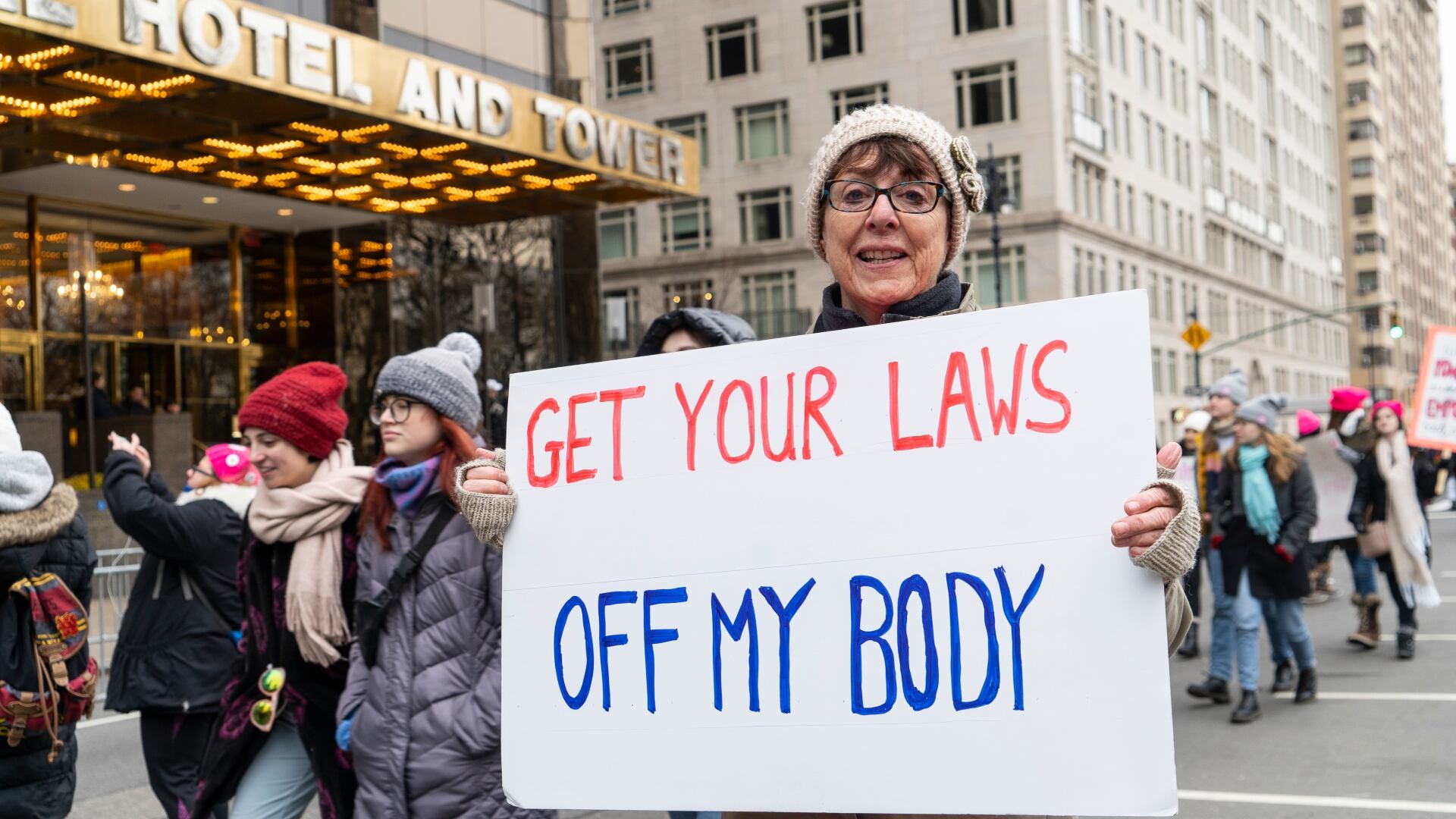
Christian Nunes, President of the National Organization for Women, joins Cheddar Reveals to take a look at where the women's rights movement stands today and where it's headed.
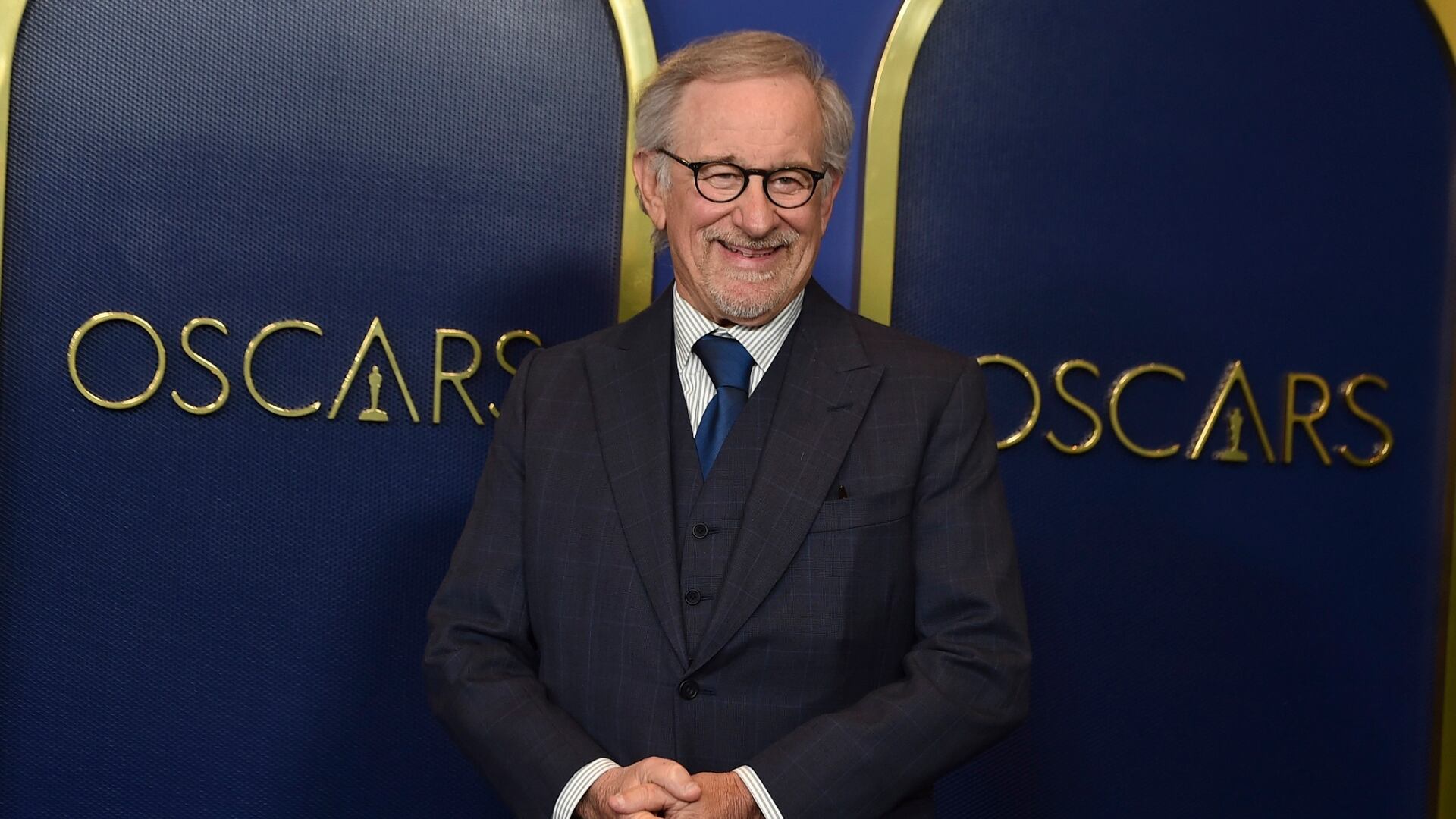
Steven Spielberg has spoken out against the Motion Picture Academy’s decision to move the presentation of eight categories to the pre-show off-air for this year’s Oscars. "We should all have a seat at the supper table together, live at five," said the Academy Award-winning director, who is also nominated for two statues at this year's event.
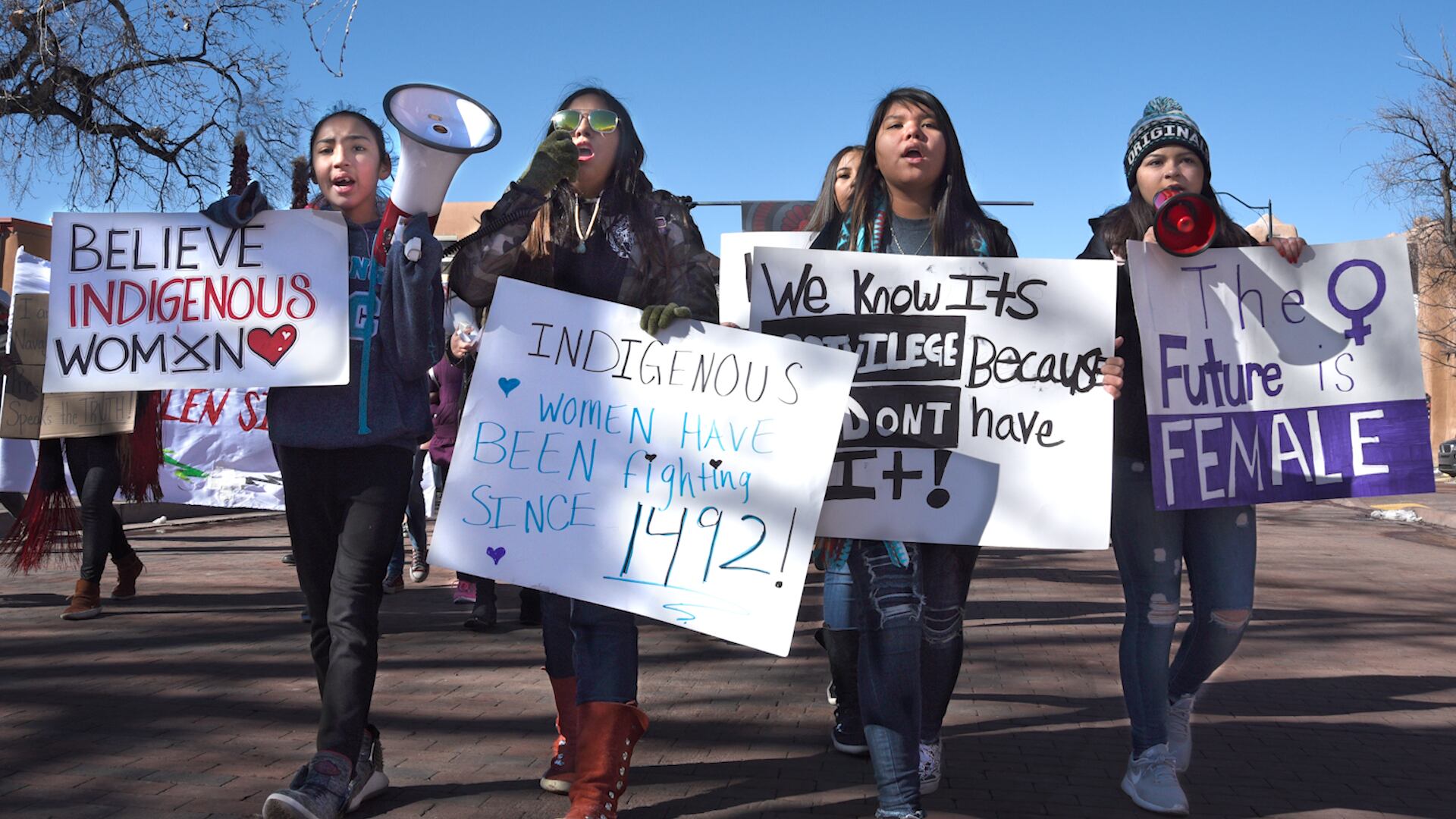
On this episode of Cheddar Reveals, Sally Roesch Wagner, Historian & Executive Director, The Matilda Joslyn Gage Foundation, discusses how the early women's rights movement evolved and the hidden influence of Native American women on early American feminists.; Christian Nunes, President of the National Organization for Women, takes a look at where the women's rights movement stands today and where it's headed; Cheddar gets a look at Curiosity Stream's 'Ascent of Woman.'
Sally Roesch Wagner, Historian & Executive Director, The Matilda Joslyn Gage Foundation, joins Cheddar Reveals to discuss how the early women's rights movement evolved and the hidden influence of Native American women on early American feminists.