Jacob Chansley, the spear-carrying Jan. 6 rioter whose horned fur hat, bare chest and face paint made him one of the more recognizable figures in the assault on the Capitol, was sentenced Wednesday to 41 months in prison.
Chansley, who pleaded guilty to a felony charge of obstructing an official proceeding, was among the first rioters to enter the building. He has acknowledged using a bullhorn to rile up the mob, offering thanks in a prayer while in the Senate for having the chance to get rid of traitors and scratching out a threatening note to Vice President Mike Pence saying, “It’s Only A Matter of Time. Justice Is Coming!"
Though he isn’t accused of violence, prosecutors say Chansley, of Arizona, was the “public face of the Capitol riot” who went into the attack with a weapon, ignored repeated police orders to leave the building and gloated about his actions in the days immediately after the attack.
Before he was sentenced, Chansley told U.S. District Judge Royce Lamberth it was wrong for him to enter the Capitol and that he accepts responsibility for his actions. He emphasized he wasn’t an insurrectionist and is troubled with the way he was portrayed in news stories in the aftermath of the riot.
“I have no excuse,” Chansley said. “No excuses whatsoever. My behavior is indefensible.”
The judge said Chansley’s remorse appeared to be genuine but noted the seriousness of his actions in the Capitol. “What you did was terrible,” Lamberth said. “You made yourself the center of the riot."
The image of Chansley holding a flagpole topped with a spear tip and looking as if he were howling was one of the most striking to emerge from the riot. He previously called himself the “QAnon Shaman” but has since repudiated the QAnon movement, which is centered on the baseless belief that former President Donald Trump was fighting a cabal of Satan-worshipping, child sex trafficking cannibals.
He is among 650 people charged in the riot that forced lawmakers into hiding as they were meeting to certify President Joe Biden’s Electoral College victory. More than 120 defendants have pleaded guilty, mostly to misdemeanor charges of demonstrating in the Capitol that carry a maximum of six months in prison.
Chansley and Scott Fairlamb, a New Jersey gym owner sentenced last week for punching a police officer during the attack, have received the longest prison sentences out of the 38 Capitol riot defendants who been punished so far.
Chansley, who has been in jail for 10 months, sought to be sentenced to time served. His lawyer, Albert Watkins, said his client has longstanding mental health problems that were worsened by being held in solitary confinement due to COVID-19 protocols and is in dire need of mental health treatment.
In the year before the Capitol riot, Chansley appeared in costume at pro-Trump events, protests over face mask requirements and at a gathering of Trump supporters in November 2020 outside an election office in downtown Phoenix where votes from the presidential race were being counted.
His attorney has said Chansley was “horrendously smitten” by Trump and believed like other rioters that Trump had called him to the Capitol, but later felt betrayed after Trump refused to grant him and others who participated in the insurrection a pardon.
Watkins has said Chansley had been under pressure from family members not to plead guilty because they believed Trump would be reinstated as president and pardon him.
After spending his first month in jail, Chansley said he re-evaluated his life, felt regret for having stormed the building and apologized for causing fear in others.
He twice quit eating while in jail and lost 20 pounds (9 kilograms) until he was given organic food.
The judge had previously rejected Chansley’s claims that the six-foot flagpole he carried during he riot wasn’t a weapon and that the metal spear tip was an ornament, saying the sharpened six-inch point could have been used to stab people from a distance. _____
A new report from ProPublica and the Washington Post found that Facebook Groups played a major role in the spread of misinformation linked to the January 6 insurrection with more than 650,000 posts claiming that Joe Biden's election victory was illegitimate.
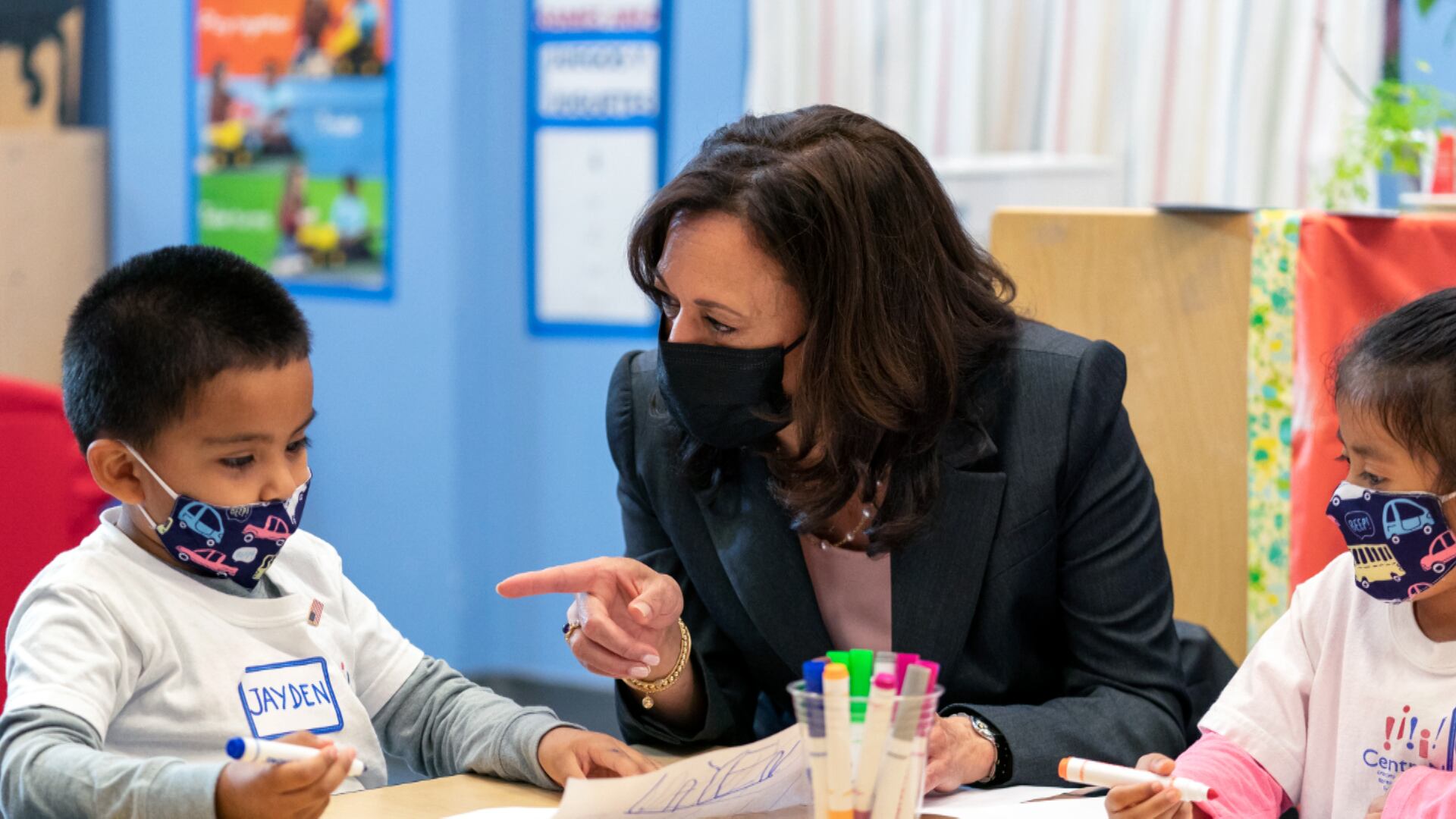
Millions of Americans with young children have relied on the child tax credit since the federal government began issuing checks in July 2021. The last round of payments was sent out just before the Christmas holiday — at the same time as the omicron variant surged. Leah Hamilton, associate professor of social work at Appalachian State University, joined Cheddar to discuss what the end to the tax credit means as the U.S. sees the end of many relief programs and its highest number of COVID cases since the start of the pandemic. "It'll become harder for families to meet their basic needs, increasing national childhood poverty rates and the proportion of families who have difficulty putting food on the table, maintaining stable housing, and paying their bills," Hamilton said. She also pointed to research that the credit as a long-term investment in children offsets claims that it contributes to macroeconomic impacts like inflation.
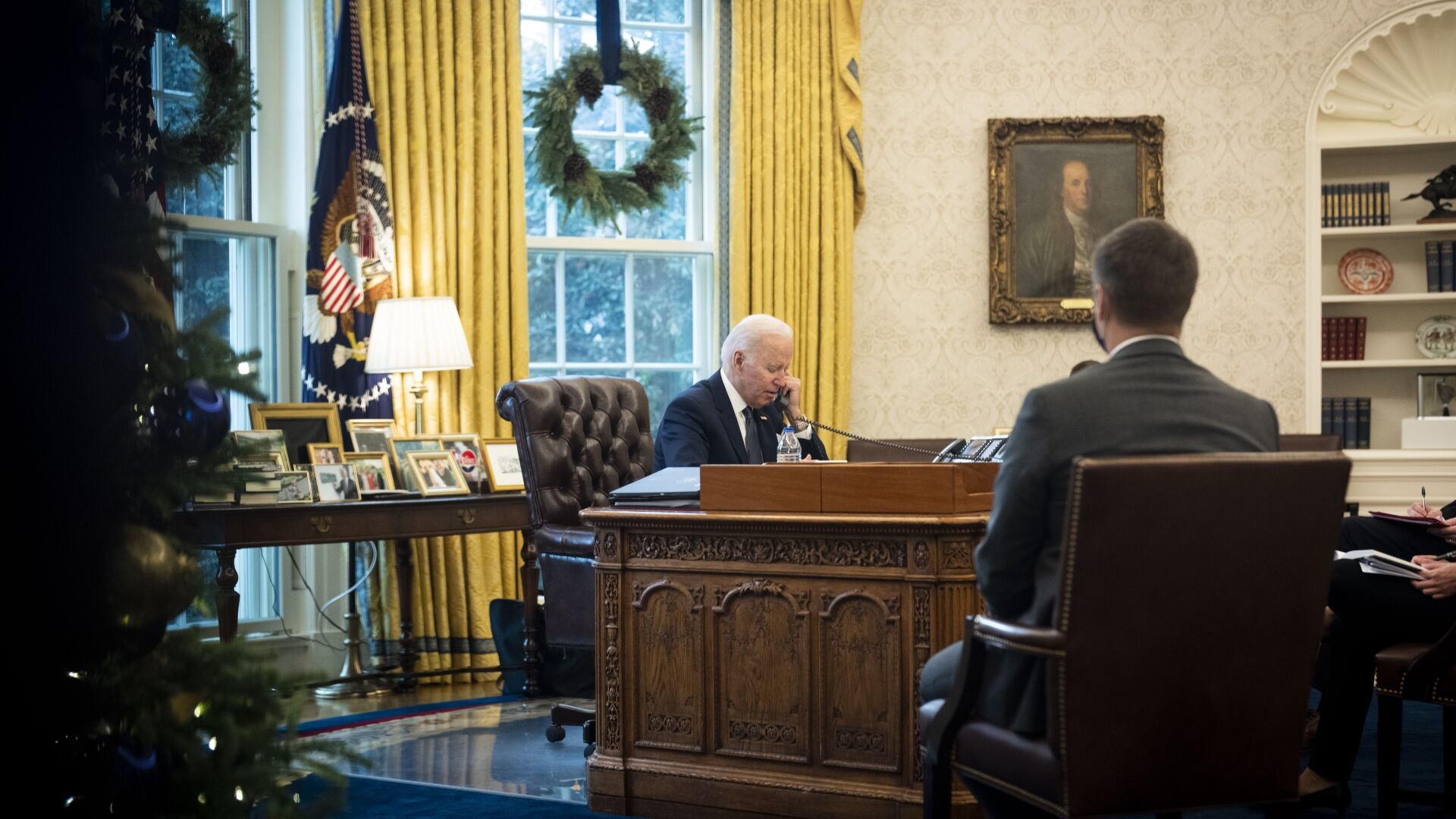
U.S. President Joe Biden spoke with Ukrainian President Volodymyr Zelensky over the week-end, just days after he spoke with Russian President Vladimir Putin. The call comes as Washington prepares to meet with Moscow on January 10, as tensions mount over Russia's military build up near its border with Ukraine. Cheddar News speaks with Mustafa Tameez, a former advisor to the U.S. Department of Homeland Security, about the issue.
Several Silicon Valley insiders are being accused of contorting a 1990s-era tax break to avoid taxes on millions of dollars of investment profits. The tax break is known as the qualified small business stock exemption, and it allows early investors in certain companies to avoid half of the taxes on up to $10 million in capital gains. A piece recently published in the New York Times says venture capital firms like Andreessen Horowitz replicated the tax exemption by giving shares of companies to friends and family, who would otherwise face a 23.8% capital gains bill. The CEO of Roblox is also accused of replicating the tax break for his family members at least 12 times. Although the loophole known as 'stacking' is considered to be legal, the Times piece implies that the exemption has been manipulated for the ultra-wealthy to become more wealthy. Greycroft co-founder and Chairman Emeritus Alan Patricof joins Cheddar News' Closing Bell to discuss.
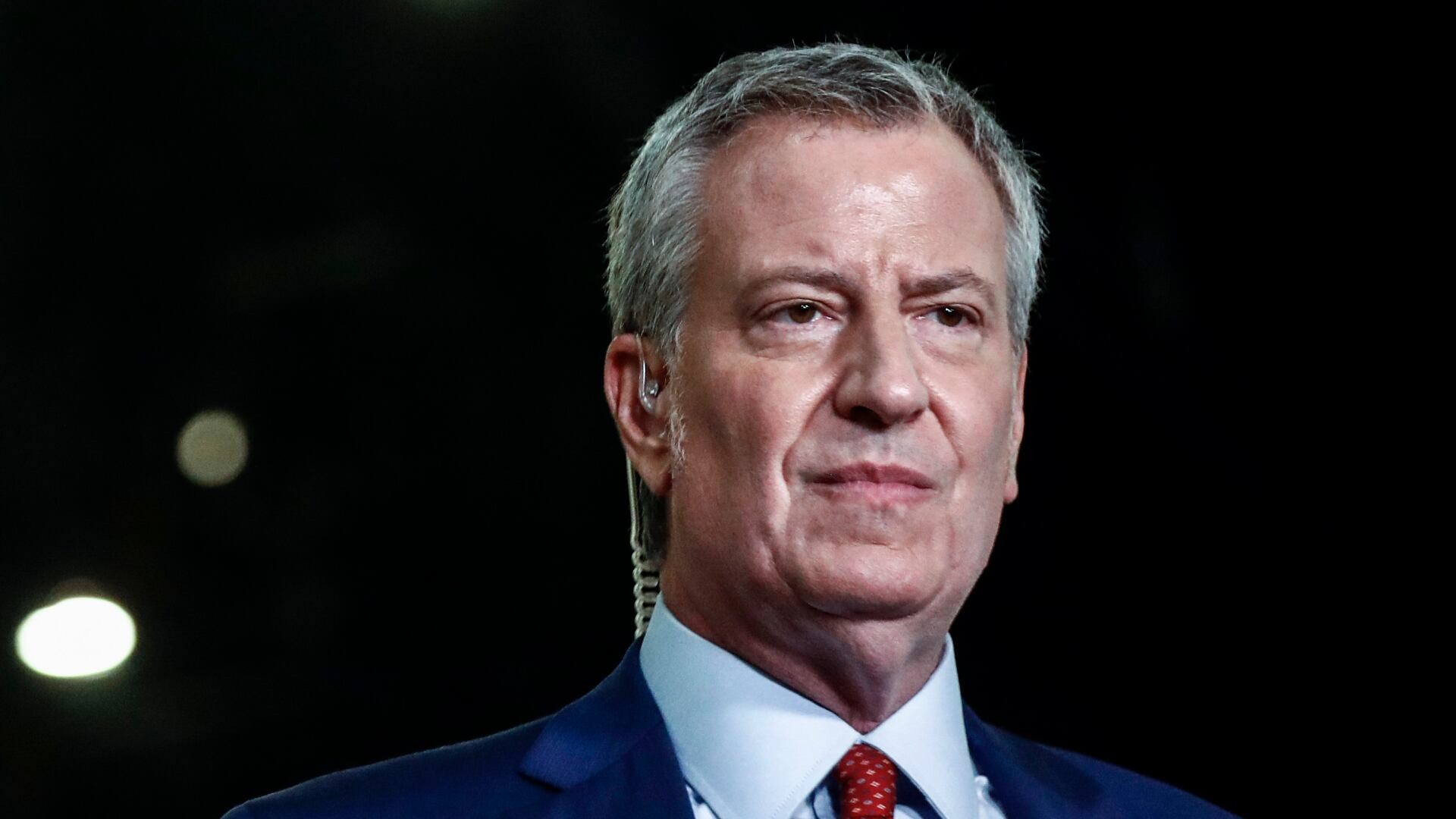
Chris Sommerfeldt, City Hall reporter for the New York Daily News, joins Cheddar News' Closing Bell, where he discusses both the wins and losses of Bill de Blasio's eight years as New York City Mayor.
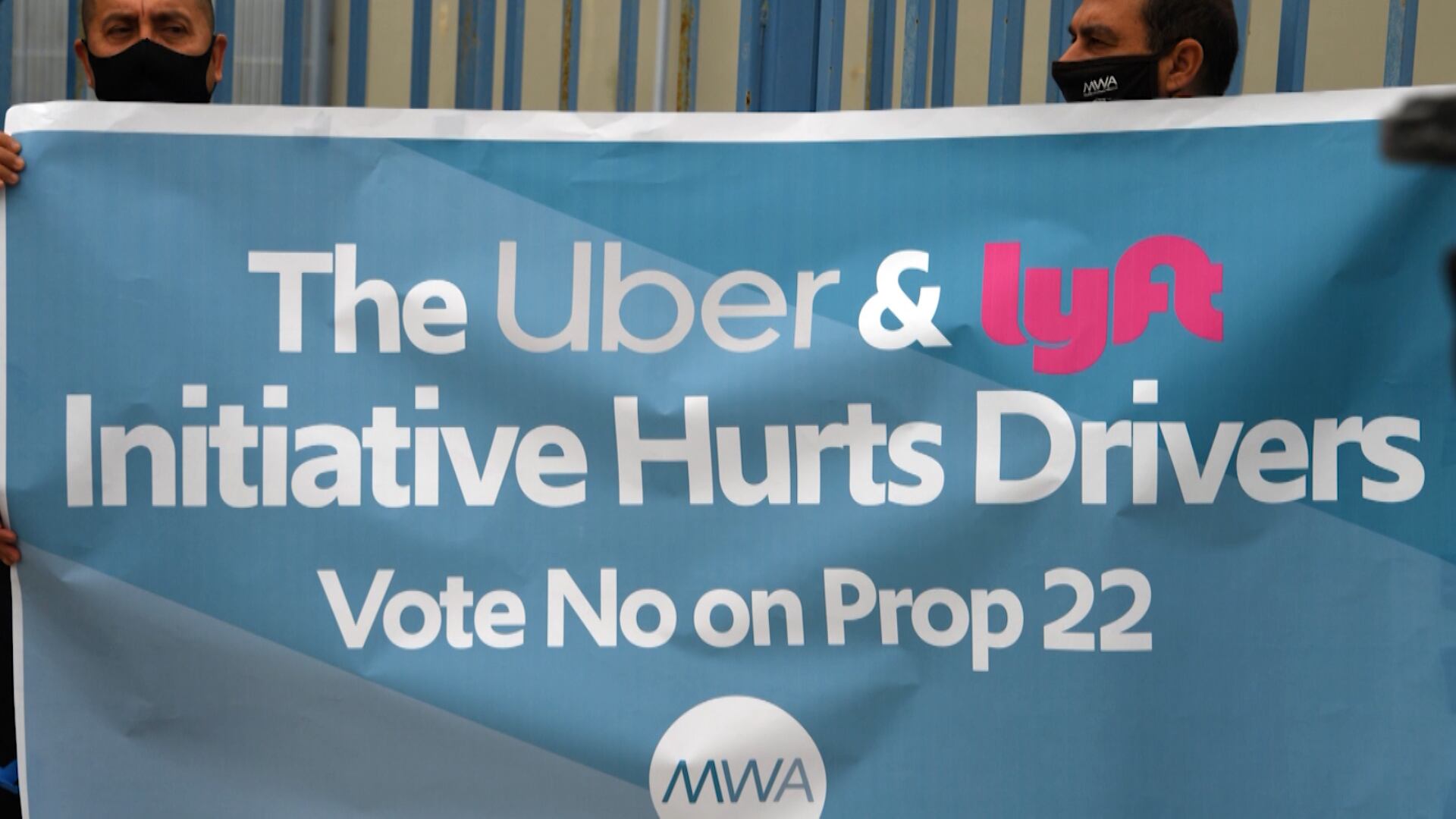
The push to regulate the gig worker economy is gaining steam as the share of workers who participate in freelancing through businesses like Uber and Lyft have also exponentially grown during the pandemic. Employment attorney Mark Kluger, founding partner at Kluger Healey, LLC, joined Cheddar to break down how the battle to reclassify gig workers will continue in the new year, and why the issue continues to generate conflict. "More and more workers are using gig work as their primary source of income and as a result of that they are not like employees in the sense that they don't have benefits like health insurance," Kluger noted.
2021 saw markets continue to be impacted by the onslaught of the coronavirus pandemic -most recently in the form of the Omicron variant- in addition to the global supply chain shortage, and increased inflation. But it wasn't all bad news, as crypto soared throughout the year, and meme stocks continued to have a moment. With the year coming to a close, investors are keeping an eye out to see if they should expect more of the same in the new year. Chris Vecchio, Senior Analyst, at DailyFX tells us what market trends to be on the watch for in 2022.