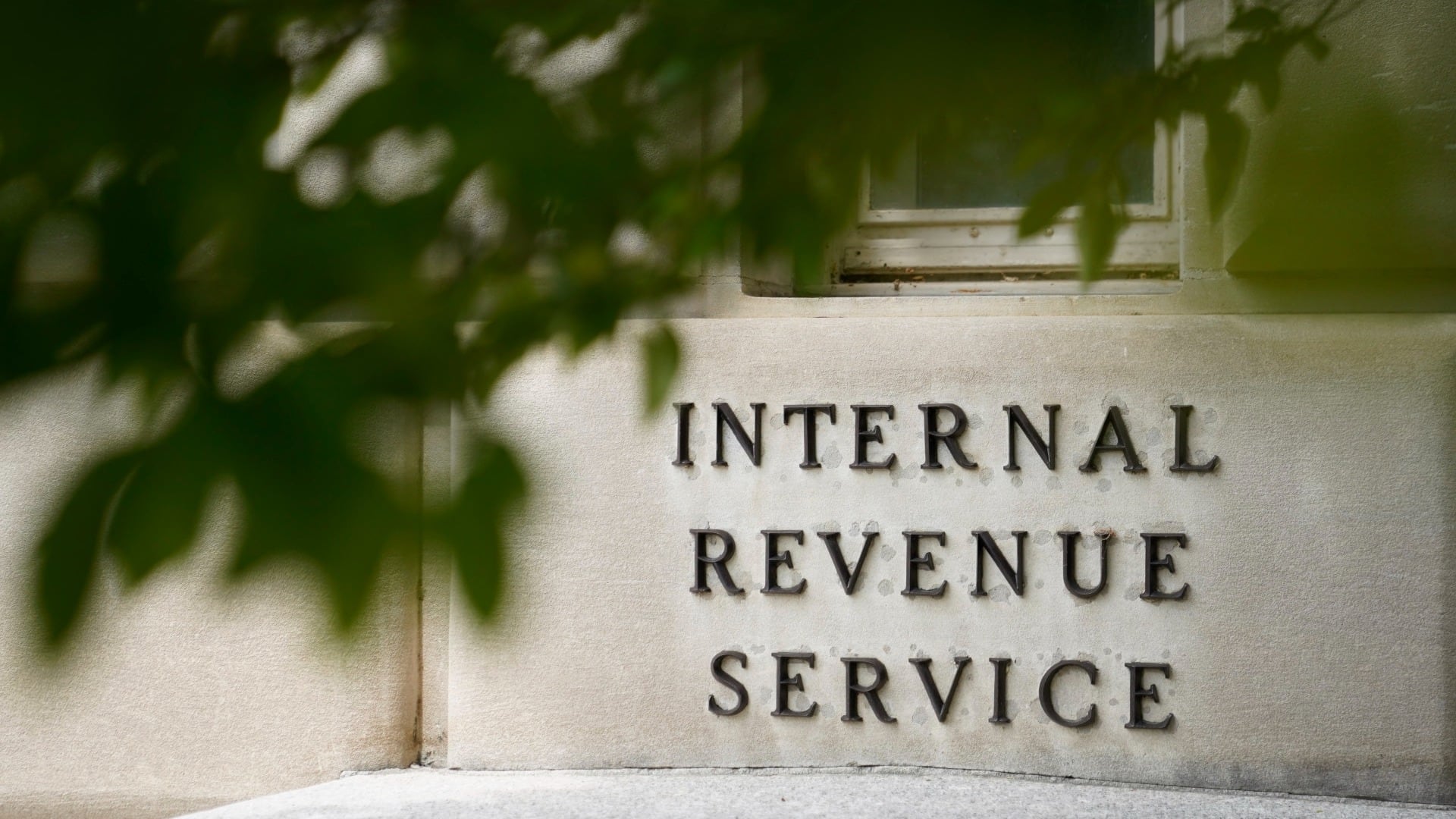
A sign is displayed outside the Internal Revenue Service building May 4, 2021, in Washington. (AP Photo/Patrick Semansky, File)
The IRS plans to go after 125,000 high-income earners who did not file tax returns going back to 2017 — and the agency says hundreds of millions of dollars of unpaid taxes are involved in these cases.
Beginning this week, the IRS will start sending out noncompliance letters to more than 25,000 people who earn more than $1 million per year and 100,000 people with incomes between $400,000 and $1 million who failed to pay their taxes between 2017 and 2021.
The campaign announced Thursday is part of the agency’s ongoing effort to pursue high wealth tax cheats — mandated in part by funding provided through Democrats’ Inflation Reduction Act passed into law in 2022 and a directive from Treasury Secretary Janet Yellen to IRS leadership not to increase audit rates on people making less than $400,000 a year annually.
“When people don’t file a tax return they’re required to, it’s not fair to those hardworking taxpayers who responsibly do their civic duty under the laws of our nation,” IRS Commissioner Daniel Werfel told reporters Thursday morning.
Elizabeth Renter, Senior Economist at NerdWallet, breaks down how inflation and oil price shocks are driving higher costs and squeezing consumers today.
David Branch of Wells Fargo explains why cocoa prices are falling but some candy costs remain high and when consumers may finally see relief at checkout.
Colonel Chris Hadfield, astronaut and best-selling author, breaks down Artemis II and why NASA’s next crewed mission is key to returning humans to the Moon.
Ben Geman, Energy Reporter at Axios, explains how the Iran war could reshape global energy—disrupting supply, shifting power, and accelerating a new regime.
Emily Peck, National Correspondent at Axios, explains why office vacancies hit 21% despite RTO pushes, highlighting a lasting shift in how Americans work.
Tobias Bauer, CEO & President of Rolling Stock at Siemens Mobility North America, shares insights on a $220M investment reshaping U.S. rail infrastructure.