By Fatima Hussein
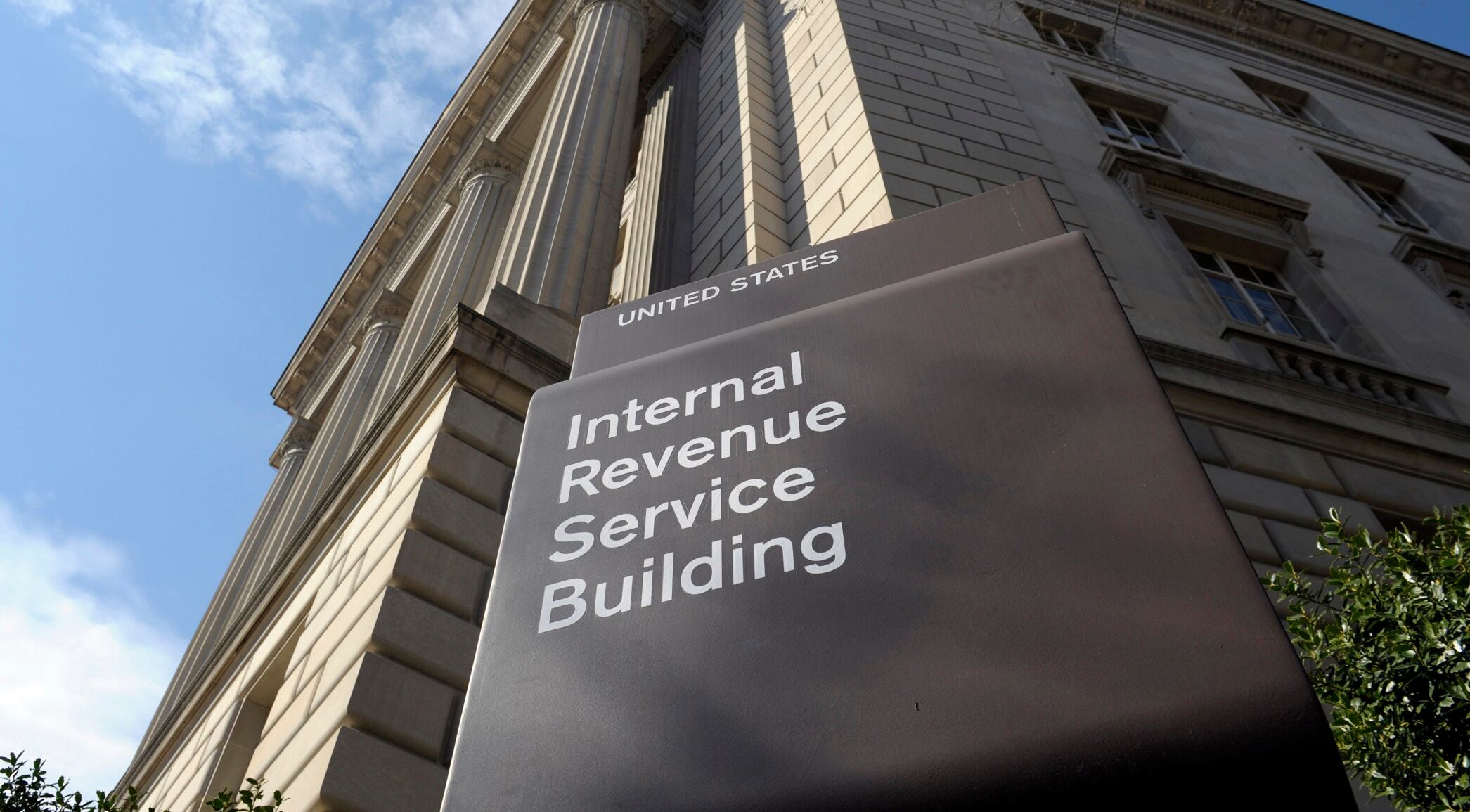
The IRS said Monday it will suspend the use of facial recognition technology to authenticate people who create online accounts after the practice was criticized by privacy advocates and lawmakers.
The agency said it would no longer use a third-party service, called ID.me, for facial recognition. Critics of the software said the database could become a target for cyberthreats. They also expressed concern about how the information could be used by other government agencies, among other concerns.
Earlier Monday, Senate Finance Committee Chair Ron Wyden, D-Ore., called on the agency to end its use of the ID.me software. After the IRS announced the practice would be suspended, Wyden said "the Treasury Department has made the smart decision to direct the IRS to transition away from using the controversial ID.me verification service.”
"No one should be forced to submit to facial recognition to access critical government services,” he added.
The IRS is currently grappling with a worker shortage and an expanded workload from processing tax filings and administering pandemic-related programs. Legislation that would have given the agency billions of dollars to more expeditiously process returns is stalled.
“The IRS takes taxpayer privacy and security seriously, and we understand the concerns that have been raised,” said IRS Commissioner Chuck Rettig.
“Everyone should feel comfortable with how their personal information is secured, and we are quickly pursuing short-term options that do not involve facial recognition.”
The agency said the transition would occur “over the coming weeks in order to prevent larger disruptions to taxpayers during filing season.”
These are the headlines you Need 2 Know for Friday, Dec. 14, 2018.
The arrest of Huawei CFO Meng Wanzhou was an "enforcement action, not a trade-related action," according to Commerce Secretary Wilbur Ross. Ross told Cheddar's Megan Pratz that the arrest of Meng in Vancouver was a response to her flouting of sanctions ー and not a retaliatory strike or warning shot against a major Chinese telecom corporation.
These are the headlines you Need 2 Know for Thursday, Dec. 13, 2018.
A new platform is inviting politically progressive consumers to vote with their wallets. The Progressive Shopper platform is designed to educate left-leaning shoppers about political donations made by their favorite brands.
All eyes were focused on Google CEO Sundar Pichai when he testified in front of Congress on Tuesday. But stealing the spotlight was a face in the background ー the Monopoly Man, resurfacing to troll corporate America once again. According to Ian Madrigal, the D.C. attorney behind the viral persona, the mustachioed figure is the ultimate symbol of corporate malfeasance.
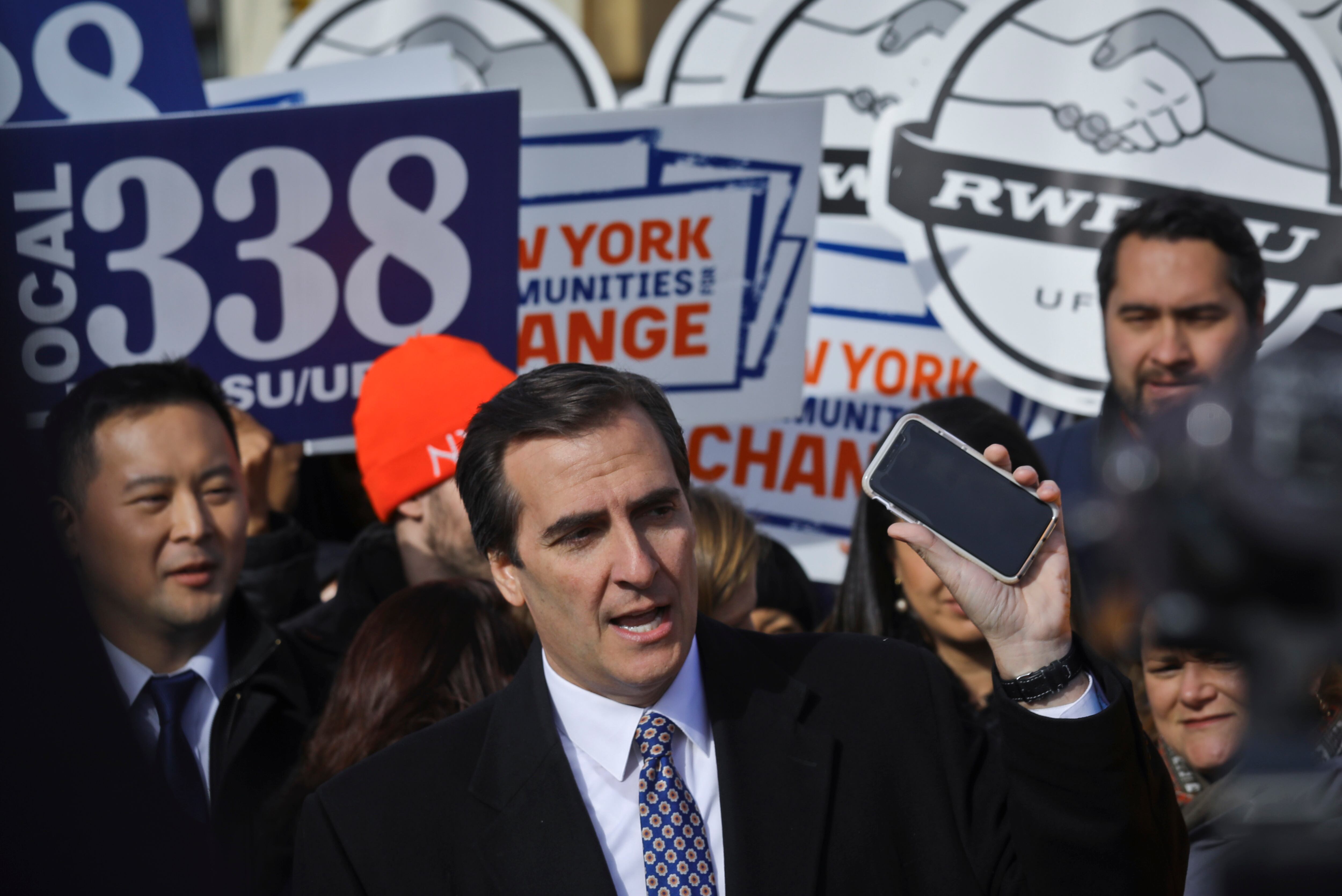
Amazon's HQ2 decision was among the greatest "PR scams" in history, according to the state senator that represents the New York district that will be home to one-half of the new split headquarters. Michael Gianaris, the Democratic state senator from New York's 12th district, which includes Long Island City, told Cheddar that the state badly misplayed its hand in giving Amazon billions in incentives to build an outpost in the booming Queens waterfront neighborhood.
Sensing the shifting political winds, New York Gov. Andrew Cuomo is reportedly planning to introduce a "green new deal" that would legalize recreational pot as part of the inaugural speech he will deliver from Ellis Island on New Year's Day.
These are the headlines you Need 2 Know for Wednesday, Dec. 12, 2018.
Gene Munster isn't worried about Apple. The managing partner of Loup Ventures and venture capitalist told Cheddar Tuesday that the tit-for-tat with Qualcomm over iPhone sales in China is insignificant for Apple's long-term value.
These are the headlines you Need 2 Know for Tuesday, Dec. 11, 2018.