By Fatima Hussein
The IRS plans to invite select taxpayers across 13 states to try out the agency's pilot electronic free file tax return system beginning in January.
The agency estimates that hundreds of thousands of taxpayers will participate in the limited rollout of the program for the 2024 filing season.
The IRS faces intense blowback from private tax preparation companies that have made billions from charging people to use their software. The introduction of a government-run option could upend the industry and fundamentally change the way taxpayers interact with IRS.
All eyes are on the agency to get it right — and avoid a roll-out reminiscent of the disastrous healthcare.gov website rollout a decade ago, when many users encountered challenges accessing and using the website.
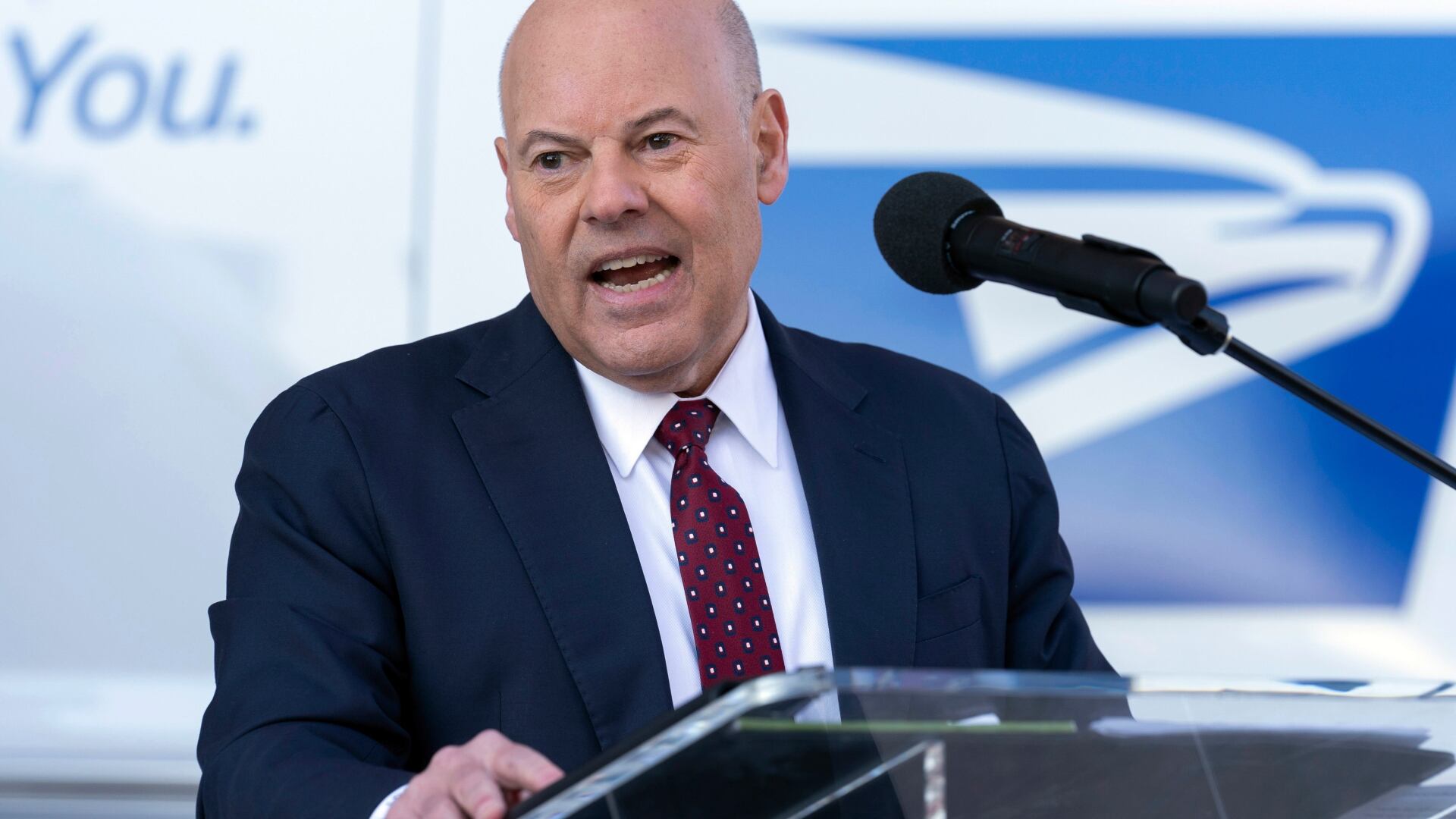
“The plan is to roll it out in increments that get larger and larger, consistent with how products like this are rolled out in the private sector,” IRS Commissioner Daniel Werfel said on a call with reporters previewing the latest details of the program.
“We want to make sure it is an easy to understand pilot” Werfel said. He added that the data pulled from the pilot will be “imperative” in determining the usefulness of the program.
The agency plans to work with nonprofits, congressional offices, states and others to identify taxpayers who are eligible for the pilot program, based on the types of income, tax credits and deductions that they claim.
Werfel said the pilot is meant to be "just another choice taxpayers have” to file their taxes. “Our work to evaluate the feasibility of direct file is just one of many examples of how we're working to transform the IRS.”
Derrick Plummer, an Intuit spokesman, said the program is “a solution in search of a problem, and that half-baked solution now has the potential to become a financial nightmare for tens of millions of Americans while unnecessarily costing billions of dollars for something free of charge today.”
Several organizations offer free online tax preparation assistance to taxpayers under certain income limits.
The IRS was tasked with looking into how to create a “direct file” system as part of the funding it received from the Inflation Reduction Act, which President Joe Biden signed into law last summer. It gave the IRS nine months and $15 million to report on how such a program would be implemented.
The IRS published a feasibility report in May laying out taxpayer interest in direct file, how the system could work, its potential cost, operational challenges and more.
One of the main criticisms of the program is that it the direct file pilot only covers individual federal tax returns and does not prepare state returns. However, IRS officials said they are working with Arizona, California, Massachusetts and New York for filing season 2024 to integrate state taxes into the pilot.
Organizations like Code for America are working with the states to create their own state filing programs to be integrated in to the direct file tool.
Gabriel Zucker, associate policy director for tax benefits at Code for America, said his non-profit is working with Arizona’s Department of Revenue and New York’s Department of Taxation and Finance to create a state filing tool.
The states are “really blazing the trail for this exciting project and finding a way for state filing to work within the context of this, ” Zucker said. “This is a team that’s committed to doing government technology right."
Taxpayers in nine other states that don't have an income tax – Alaska, Florida, New Hampshire, Nevada, South Dakota, Tennessee, Texas, Washington and Wyoming — may also be eligible to participate in the pilot, according to the IRS.
Werfel said more details on who they choose to invite to the program will be released in January.
“In terms of that first set of taxpayers, we are still working the details — to find the right size and the best approach.”