Iowa Governor Kim Reynolds is urging lawmakers in Washington to ratify the United States-Mexico-Canada Agreement (USMCA), which she says will help bring stability to her state's agriculture industry.
"Our message to Congress is to please rectify the USMCA. That'll bring a lot of certainty and predictability to the market," Reynolds told Cheddar on Thursday.
Following a year of negotiations, the USMCA was signed by President Donald Trump, now former Mexican President Enrique Peña Nieto, and Canadian Prime Minister Justin Trudeau last November at the G-20 Summit in Buenos Aires. The trade deal was meant to replace the North American Free Trade Agreement (NAFTA), which was established in 1994 and created a free trade zone between the three neighbors.
In an overwhelming vote last week, Mexico's General Congress approved the USMCA making Mexico the first country to fully sign onto the deal. The U.S. Congress and the Canadian Parliament have yet to ratify the pact.
"This is a very important advance," Mexican President Andrés Manuel López Obrador said at a press conference last week. "It is a clear sign that there is unity in the country."
Canada and Mexico are currently the second and third largest trading partners with the U.S., with total trade topping $617 billion and $611 billion in 2018 respectively, according to government figures.
The USMCA covers numerous aspects of cross-border trade, including labor laws, environmental standards, and intellectual property rights. It also has specific provisions for various sectors like auto manufacturers, digital services, and agriculture. The U.S., for instance, negotiated hard for easier access to the Canadian dairy market.
Democrats, however, have expressed concerns over weak enforcement measures on workers' rights and environmental regulations, and have refused to hold a vote on the deal in the House.
"Without real enforcement mechanisms we would be locking American workers into another bad deal. A new trade agreement without enforcement is not progress for the American worker, just a press release for the President," House Speaker Nancy Pelosi (D-Calif.) said in a statement in May. "We have been on a path to yes, but it must be a path that leads to an agreement that delivers positive results for American workers and farmers."
Nonetheless, Reynolds told Cheddar that Iowa's economy is growing, despite "some significant challenges with agricultural." Iowa is currently the second largest agricultural exporter in the U.S., with nearly 50 percent of its exports going to Canada and Mexico in 2018.
Farmers "really, really, really would like to see USMCA ratified," the Republican governor said.
The largest tech convention in the world kicks off this week. CES, organized by the Consumer Technology Association, will run from Wednesday Jan. 5 through Friday Jan. 7, featuring more than 2,000 exhibitors showing off their latest tech products in Las Vegas. Ian Sherr, editor at large at CNET, gives a first look at some of the biggest trends expected this year.
Verizon and AT&T have agreed to delay the launch of their 5G networks for two weeks following pressure from the Federal Aviation Administration, airline companies and even Transportation Secretary Pete Buttigieg. The aviation industry is concerned the 5G rollout could bring technical challenges or safety concerns on top of the current disruptions they're already dealing with from COVID and severe weather. Hugh Odom, founder and president of Vertical Consultants and former AT&T attorney, discusses how the Biden administration was able to come to this agreement with the wireless carriers.
Angelo Zino, Senior Industry Analyst & Vice President at CFRA Research, breaks down the tech giants' valuation milestone and discusses the areas of Apple's business that could see further growth.
Housing has been one of the bright spots in the broader economy in 2021, as Americans borrowed more than ever to buy homes. Mortgage lenders issued an estimated $1.61 trillion in purchase loans this past year with sales of existing homes expected to reach their highest level since 2006. Orla McCaffrey, reporter at The Wall Street Journal, joins Cheddar News.
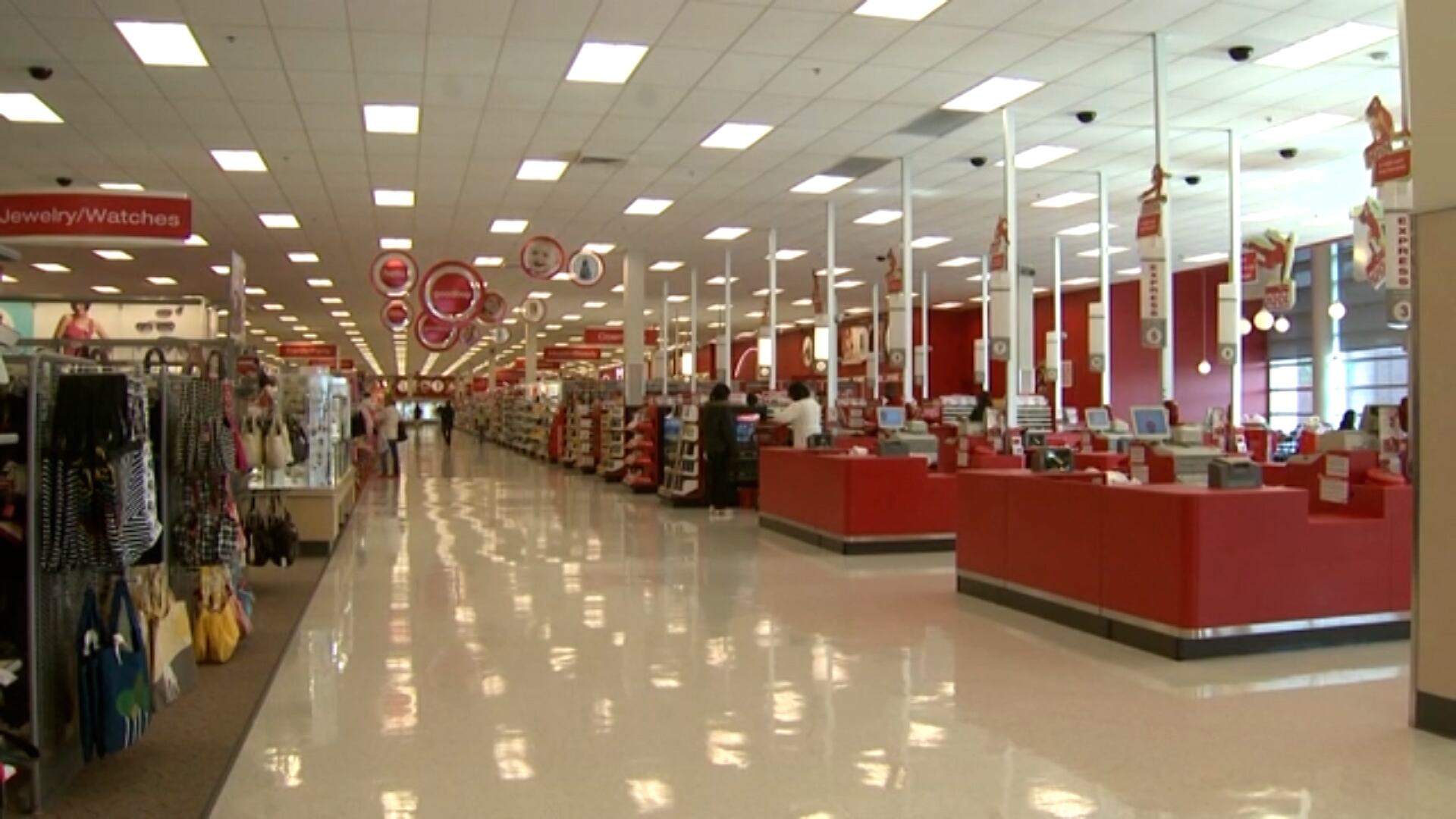
Brian Walker, Chief Strategy Officer at Bloomreach, breaks down the impact returning gifts have on retailers and how stores can benefit from the rise in ecommerce.
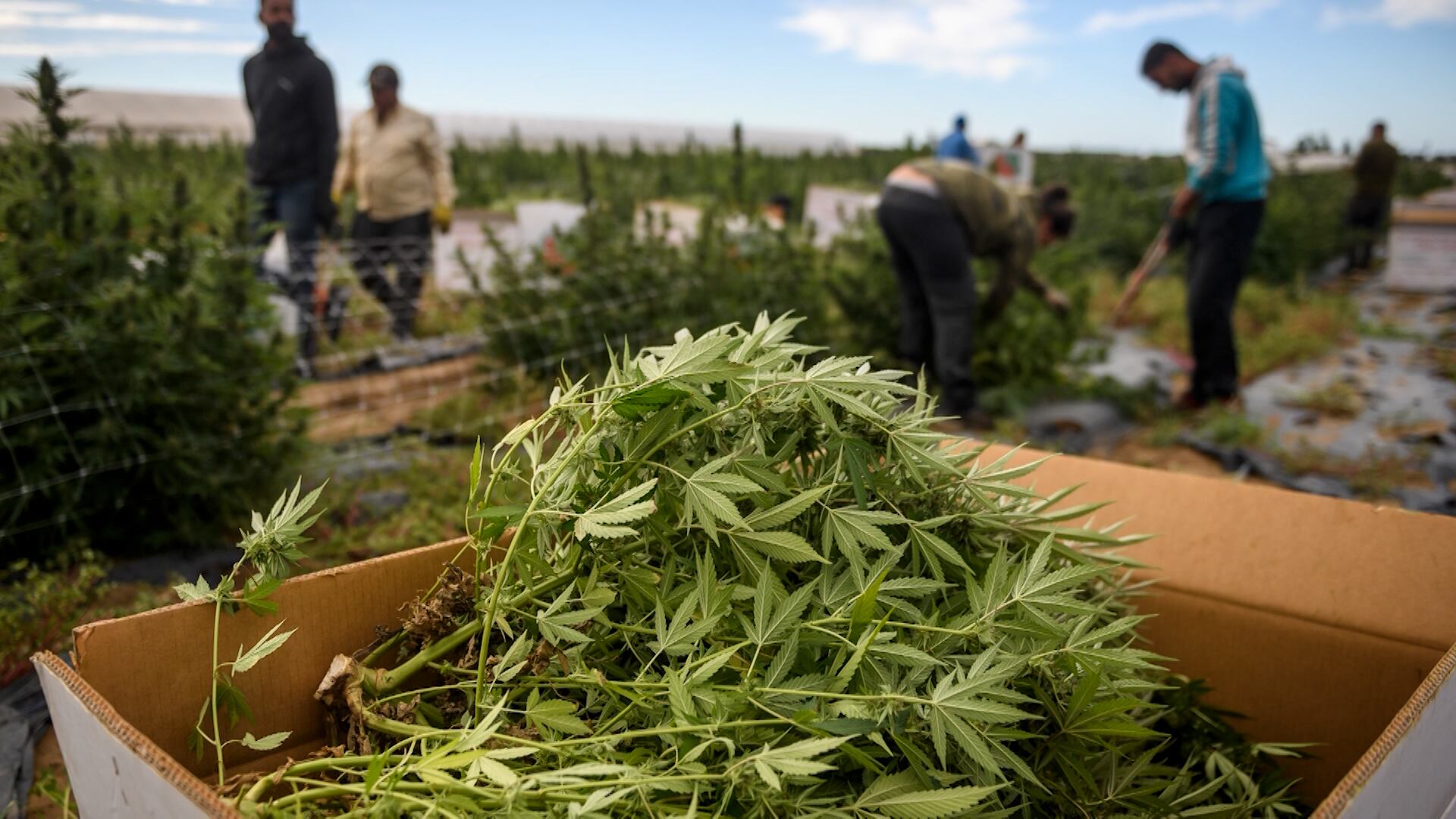
Events and media company Emerald X has acquired Colorado-based news company Marijuana Business Daily for $120 million, which includes the live business conference, MJBizCon. David Doft, chief financial officer at Emerald X, and Chris Walsh, CEO at MJBizDaily, joined Cheddar to talk about the deal and what it means for the growth of the legal cannabis industry. As cannabis becomes more mainstream, Walsh noted that part of the industry's growth will come from major corporations that now "feel more comfortable" conducting business with the industry.
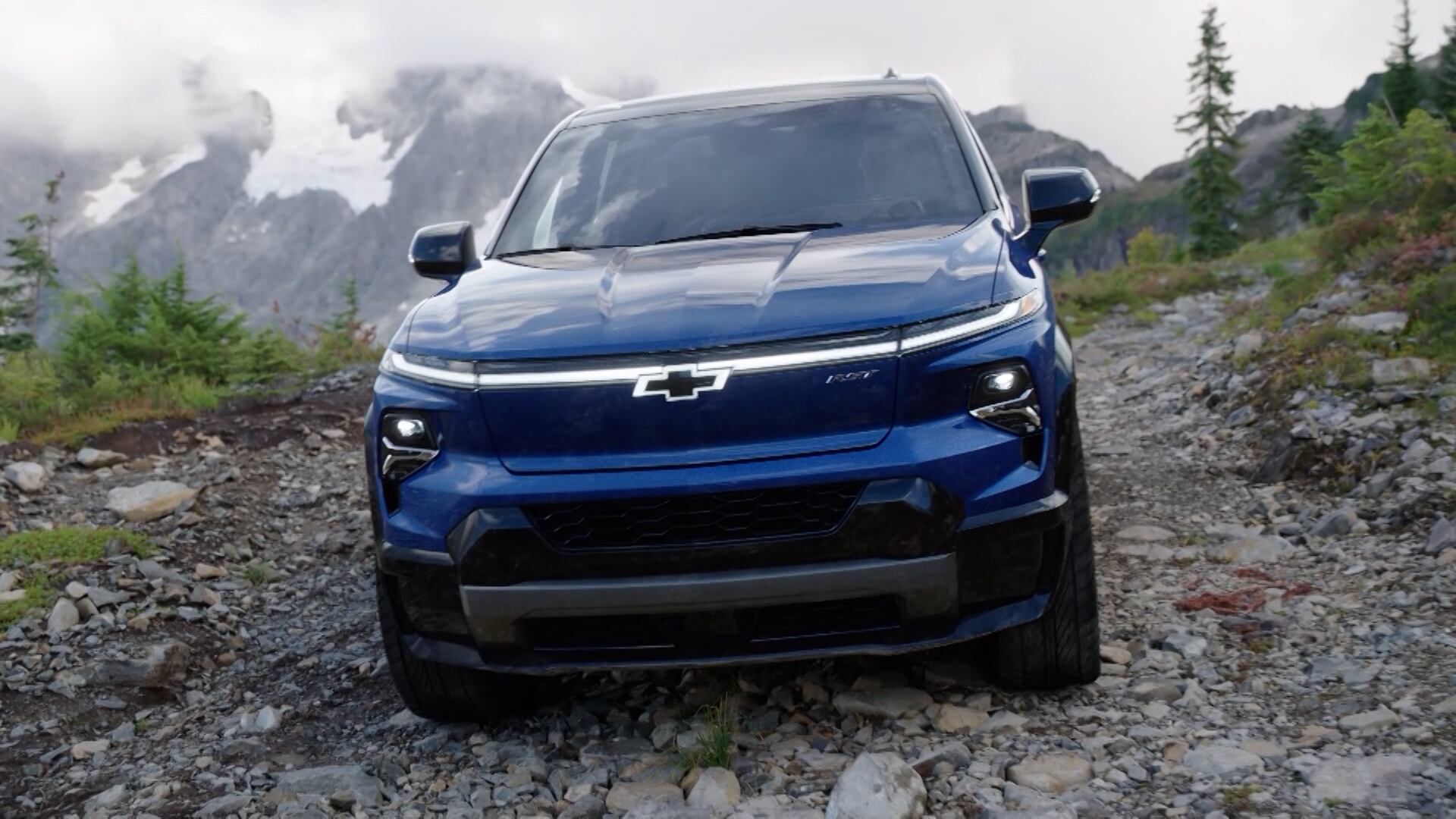
General Motors rolled out the newest addition to its EV fleet with the all-electric Silverado pickup truck. Deborah Wahl, chief marketing officer at GM, joined Cheddar to talk about the latest EV offering and how it matches up to its past gas-powered versions. She said she expects demand to soar after the "first-level truck" sold out in just 12 minutes and talked about steps GM plans to take to regain its title as top U.S. auto seller after being dethroned by Toyota in 2021 with emphasis on the EV market. "I think this is an exciting new inflection point for the market overall, for [an] idea of an all-electric future, and certainly shows that we're extremely committed to the idea of everybody in an electric vehicle," said Wahl.
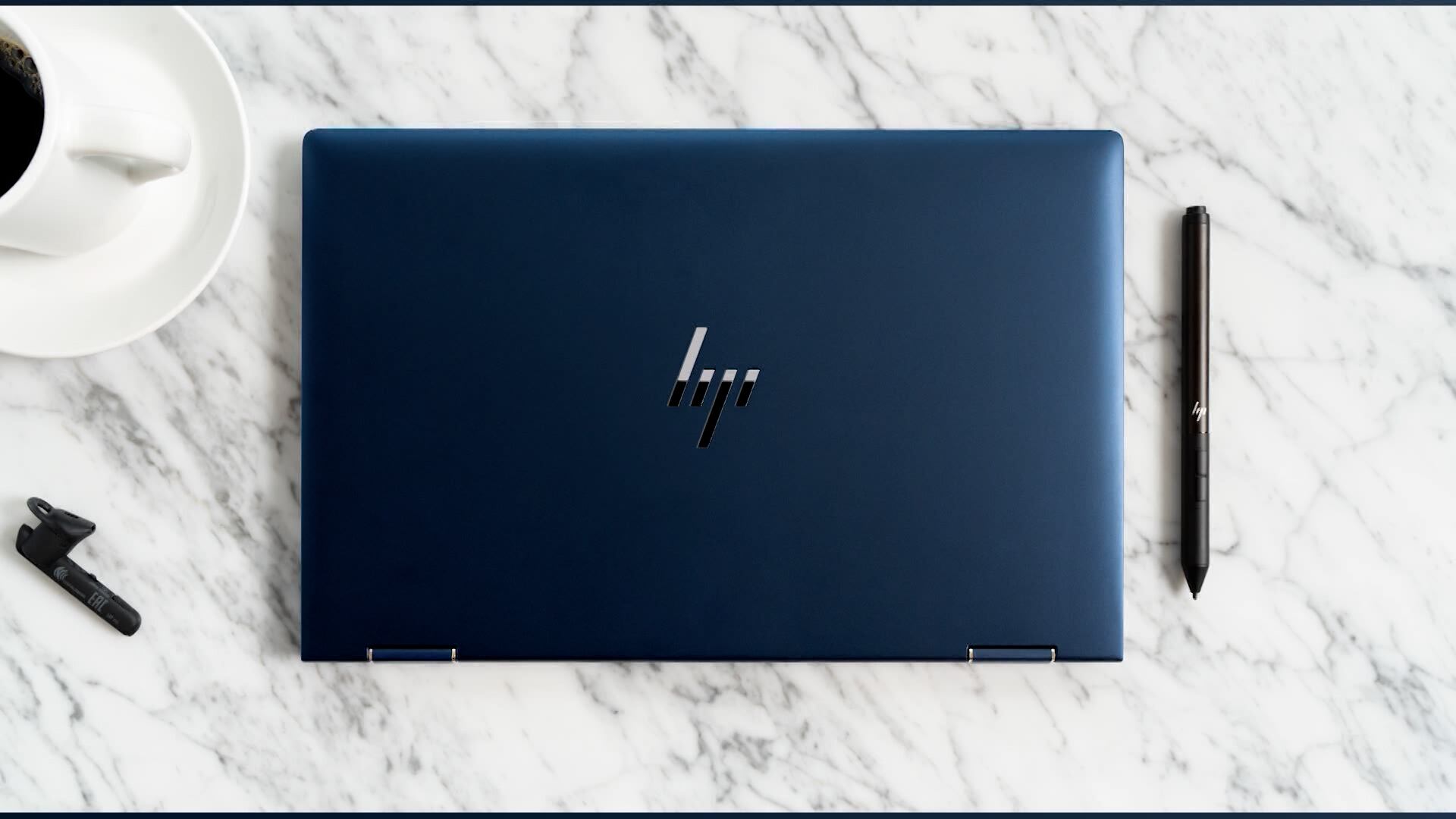
With the annual CES convention underway amid COVID, HP unveiled rolled out a number of new products virtually this year, including new gaming PCs and 4K display monitors. But as industries look toward a greener future, HP is working with the climate crisis in mind. James McCall, chief sustainability officer at HP, joined Cheddar's Kristen Scholer to discuss the company's climate goals, which includes reducing its carbon footprint to net-zero by 2040. He admitted that reaching the ambitious goal will be difficult because much of the company's emissions totals come from third parties. "A large part of our footprint is outside of HP's direct control. A lot of it comes either from our incoming supply chain, the materials, our manufacturing process, or about 30 to 40 percent of it comes from our consumer-use base," McCall told Cheddar.