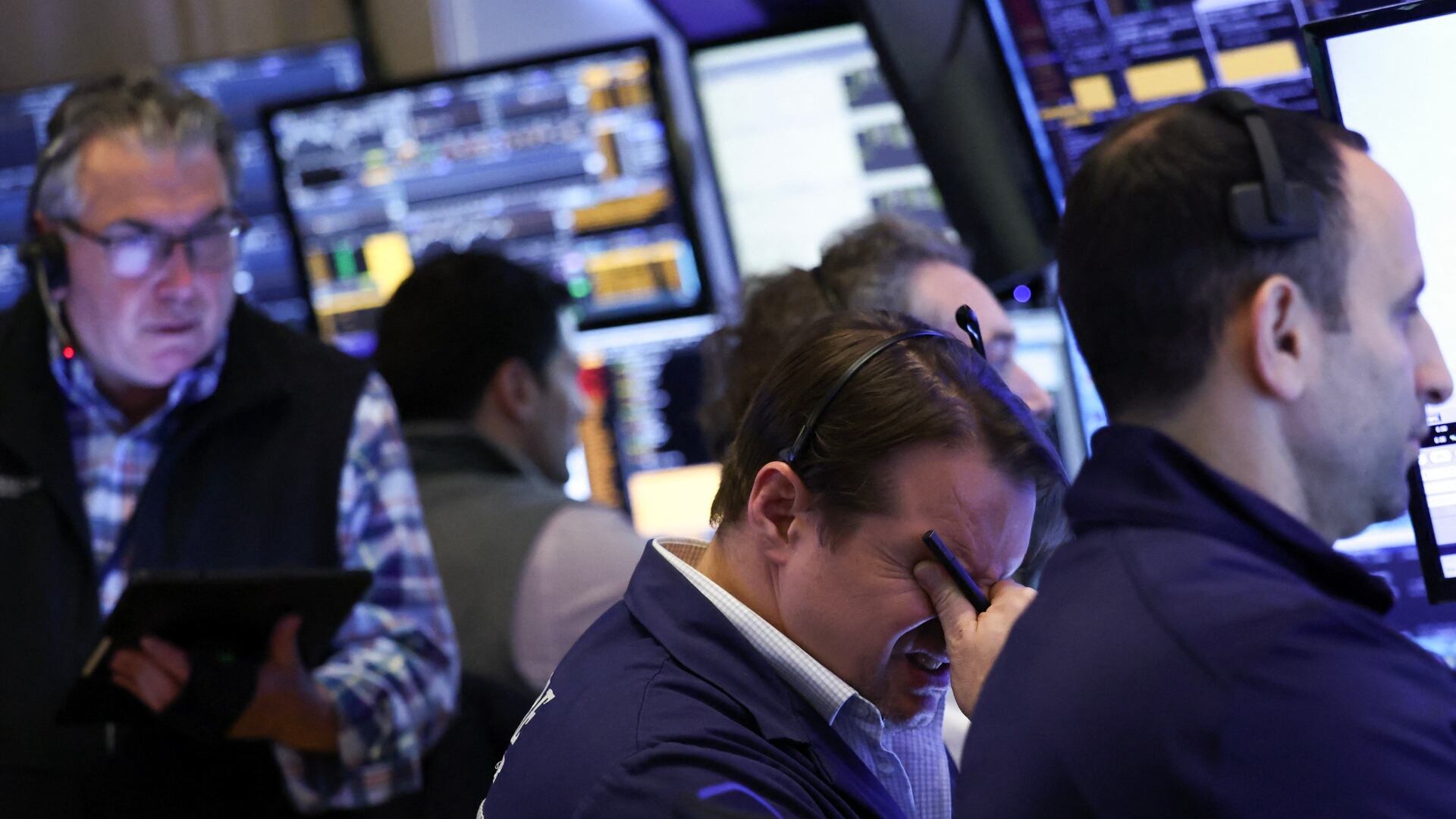
*By Carlo Versano* October's reputation as a volatile month for stocks will remain unbroken ー at least for now. Despite strong gains on both Tuesday and Wednesday, the S&P 500 will close its worst October since the financial crisis a decade ago and its worst month in eight years. The gains in equities from a summer rally have been wiped out across just about every slice of the market. A witch's brew of mounting concerns over borrowing costs, global growth, and tariffs have collided head-on with the run-up to a critical U.S. election ー which by itself would have led to a spike in volatility, according to Adam Sarhan, the CEO of 50 Park Investments. "This midterm election holds a lot of weight with the market," he said. "Investors don't like uncertainty." October's losses were especially apparent in light of the preceding rally, which had gone on more or less unimpeded for two years after the election of Donald President Trump. "I always like to step back and put it in perspective," Sarhan said. Some analysts point to a valuation metric that argues stocks are still under-valued ー especially given low interest rates ー and suggest markets will continue to go higher after this correction. But technical analysts who study charts might see the pullback as an indication that we're in a late-stage bull market, with volatility suggestive of a "big top that's forming." Indeed, the volatility in the markets, as measured by the VIX index, is the indicator from the past month that is most conspicuous to Sarhan. "The big thing that changed in October is that we finally had fear pick up," he said. As investors look to the final two months of the year ー regardless of the outcome of the election ー Sarhan said he would take a technician's approach: if stocks touch the lows they hit last February (an outlier month that wiped out stocks in the midst of the bull run), he expects they will go much lower. Conversely, if stocks break through the highs reached in September, the bull market could get back on track. "Until either one of those are broken, we have to expect this large sideways action to continue." He added: "Stocks don't go up forever." For full interview [click here](https://cheddar.com/videos/a-scary-october-for-markets).