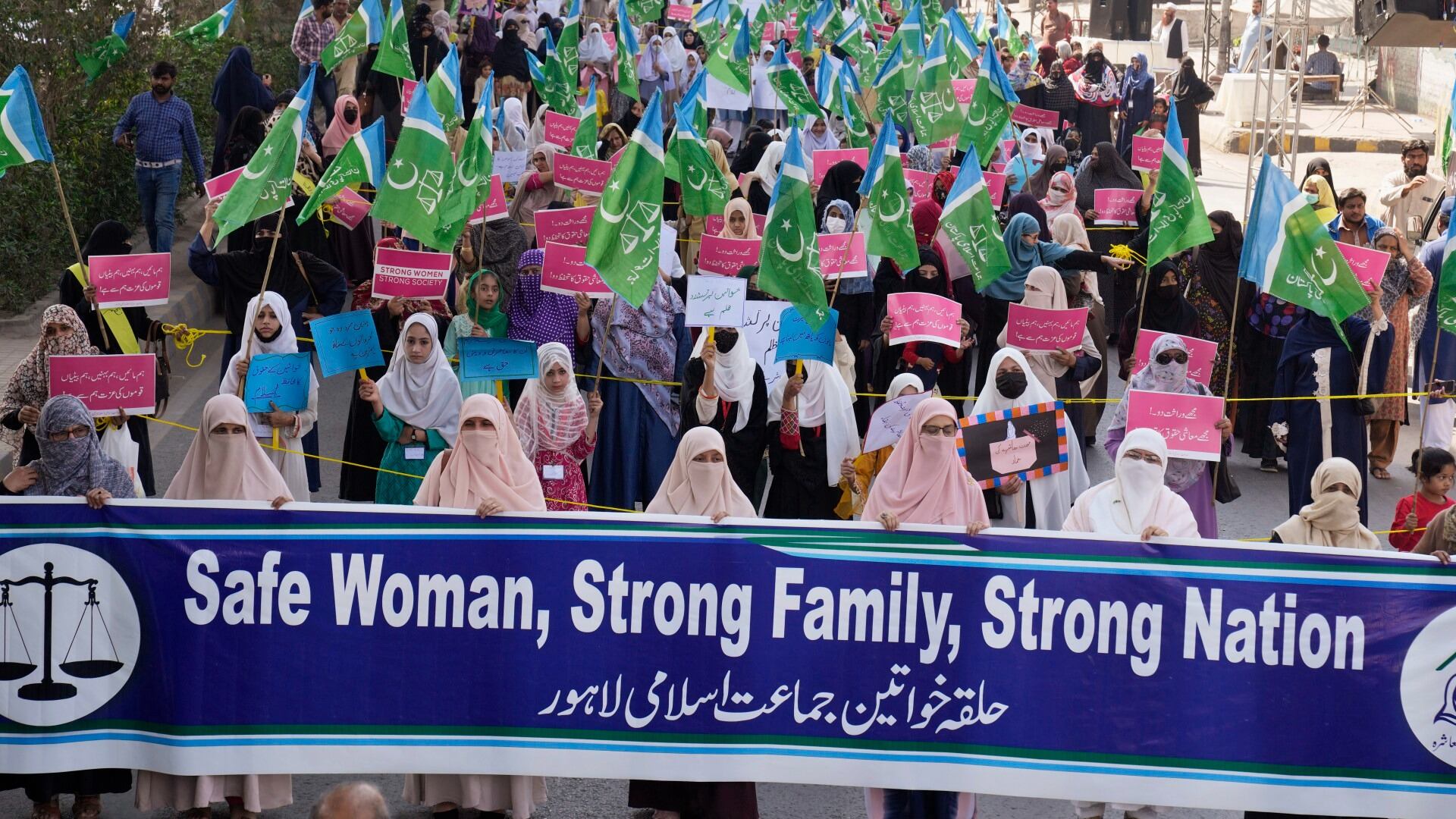
Women supporters of a religious party "Jamaat-e-Islami" participate in a rally to mark International Women's Day, in Lahore, Pakistan, Wednesday, March 8, 2023. The day officially recognized by the United Nations in 1977, is celebrated around the world on March 8. (AP Photo/K.M. Chaudary)
By Ciarán Giles
Millions of people around the world planned to demonstrate, attend conferences and enjoy artistic events Wednesday to mark International Women's Day, an annual observance established to recognize women and to demand equality for half of the planet's population.
While activists in some nations noted advances, repression in countries such as Afghanistan and Iran, and the large numbers of women and girls who experience sexual assaults and domestic violence worldwide highlighted the ongoing struggle to secure women's rights.
United Nations Secretary-General Antonio Guterres noted this week that women’s rights were “abused, threatened and violated” around the world and gender equality won’t be achieved for 300 years given the current pace of change.
Progress won over decades is vanishing because “the patriarchy is fighting back,” Guterres said.
The United Nations recognized International Women's Day in 1977, but the occasion has its roots in labor movements of the early 20th century. The day is commemorated in different ways and to varying degrees in different countries.
Women gathered in Pakistan’s major cities to march amid tight security. Organizers said the demonstrations were aimed at seeking rights guaranteed by the constitution. Some conservative groups last year threatened to stop similar marches by force.
Women’s rights activists in Japan held a small rally to renew their demand for the government to allow married couples to keep using different surnames. Under the 1898 civil code, a couple must adopt “the surname of the husband or wife” at the time of marriage.
The activists argued the law contributes to gender inequality because women experience strong pressure to take their husband’s name. Surveys show majority support for both men and women keeping their own names.
In the Philippines, hundreds of protesters from various women’s groups rallied in Manila for higher wages and decent jobs.
“We are seeing the widest gender pay gap,”protest leader Joms Salvador said. “We are seeing an unprecedented increase in the number of women workers who are in informal work without any protection.”
The United Nations identified Afghanistan as the most repressive in the world for women and girls since the Taliban takeover in 2021. The U.N. mission said Afghanistan’s new rulers were “imposing rules that leave most women and girls effectively trapped in their homes.”
They have banned girls’ education beyond sixth grade and barred women from public spaces such as parks and gyms. Women must cover themselves from head to toe and also barred from working at national and international nongovernmental organizations.
In Spain, more than 1 million people were expected to attend raucous evening demonstrations in Madrid, Barcelona and other cities. Big rallies were also organized are also expected in many other cities around the world, while in some countries only minor events are held.
Spain on Tuesday passed a new parity law requiring that women — and men — make up at least 40% of the boards of directors of listed companies and large private companies. The same will apply to the Spanish government Cabinet.
Political parties also must have to have gender equity on their electoral lists, with names of male and female candidates alternating.
Activists and left-wing governments in Spain have advanced women's rights in areas such as abortion access, menstrual leave and parental leave over the past two decades. Many European countries also have made strides toward gender equity.
A new report from ProPublica and the Washington Post found that Facebook Groups played a major role in the spread of misinformation linked to the January 6 insurrection with more than 650,000 posts claiming that Joe Biden's election victory was illegitimate.
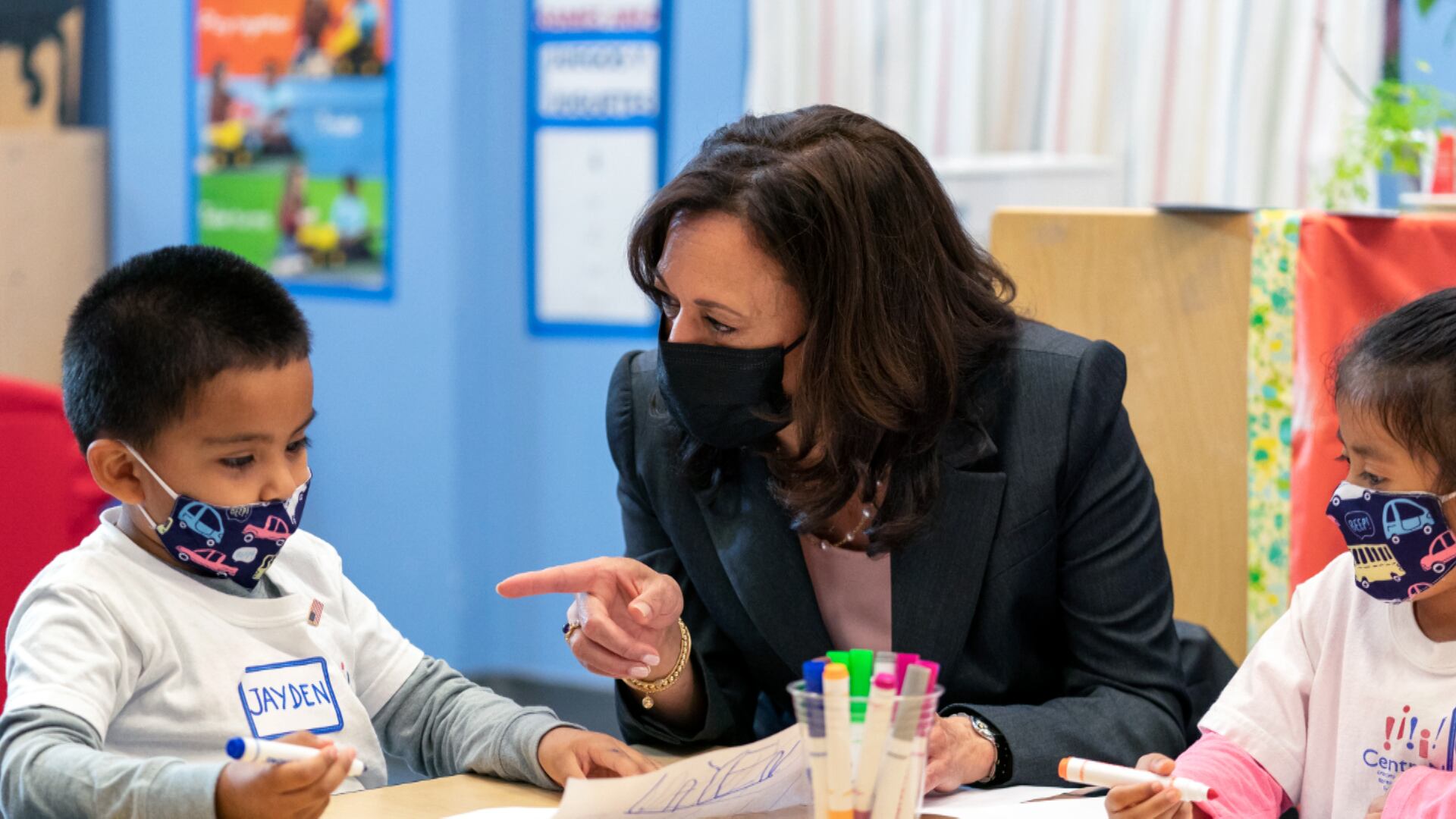
Millions of Americans with young children have relied on the child tax credit since the federal government began issuing checks in July 2021. The last round of payments was sent out just before the Christmas holiday — at the same time as the omicron variant surged. Leah Hamilton, associate professor of social work at Appalachian State University, joined Cheddar to discuss what the end to the tax credit means as the U.S. sees the end of many relief programs and its highest number of COVID cases since the start of the pandemic. "It'll become harder for families to meet their basic needs, increasing national childhood poverty rates and the proportion of families who have difficulty putting food on the table, maintaining stable housing, and paying their bills," Hamilton said. She also pointed to research that the credit as a long-term investment in children offsets claims that it contributes to macroeconomic impacts like inflation.
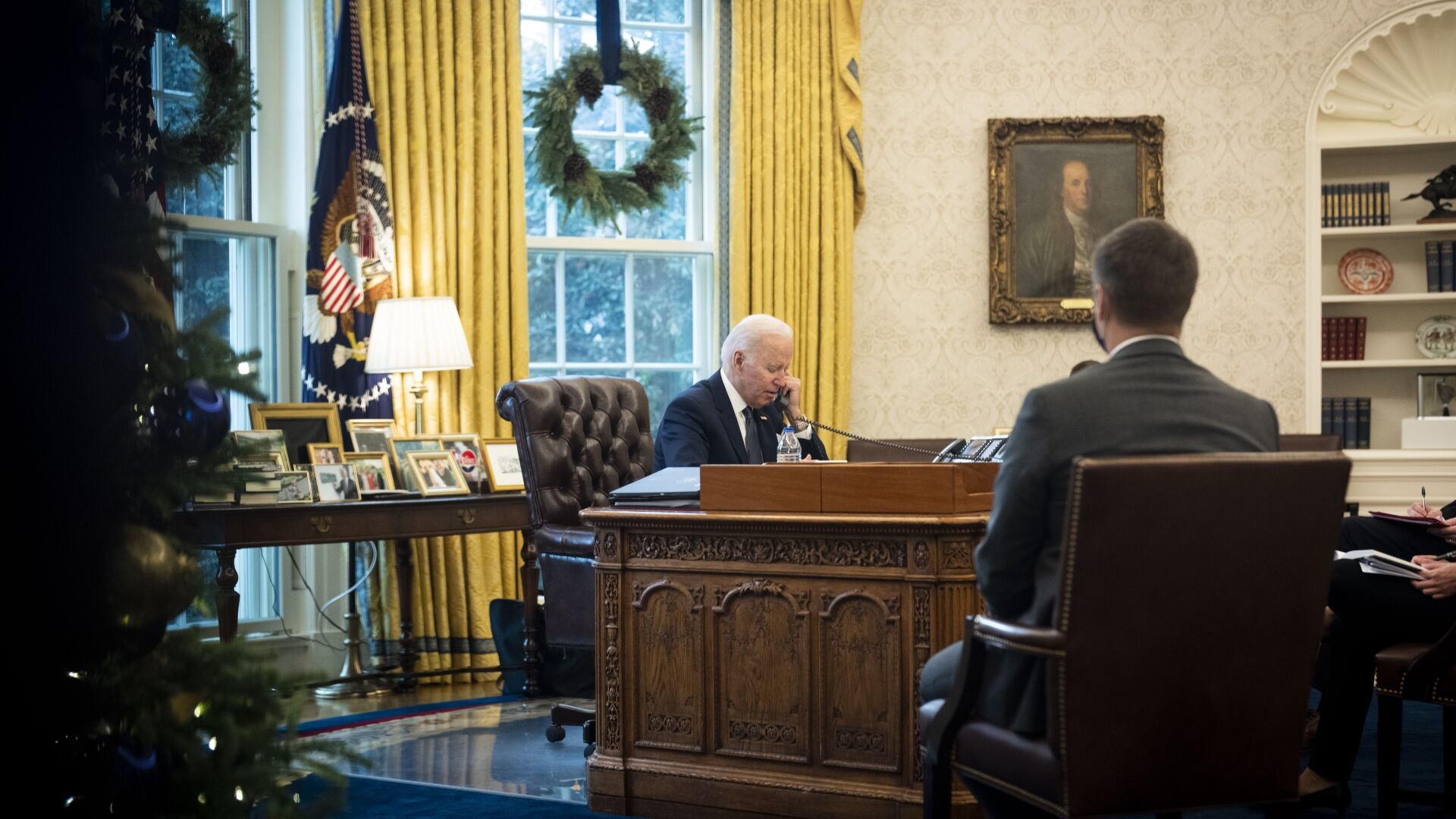
U.S. President Joe Biden spoke with Ukrainian President Volodymyr Zelensky over the week-end, just days after he spoke with Russian President Vladimir Putin. The call comes as Washington prepares to meet with Moscow on January 10, as tensions mount over Russia's military build up near its border with Ukraine. Cheddar News speaks with Mustafa Tameez, a former advisor to the U.S. Department of Homeland Security, about the issue.
Several Silicon Valley insiders are being accused of contorting a 1990s-era tax break to avoid taxes on millions of dollars of investment profits. The tax break is known as the qualified small business stock exemption, and it allows early investors in certain companies to avoid half of the taxes on up to $10 million in capital gains. A piece recently published in the New York Times says venture capital firms like Andreessen Horowitz replicated the tax exemption by giving shares of companies to friends and family, who would otherwise face a 23.8% capital gains bill. The CEO of Roblox is also accused of replicating the tax break for his family members at least 12 times. Although the loophole known as 'stacking' is considered to be legal, the Times piece implies that the exemption has been manipulated for the ultra-wealthy to become more wealthy. Greycroft co-founder and Chairman Emeritus Alan Patricof joins Cheddar News' Closing Bell to discuss.
Chris Sommerfeldt, City Hall reporter for the New York Daily News, joins Cheddar News' Closing Bell, where he discusses both the wins and losses of Bill de Blasio's eight years as New York City Mayor.
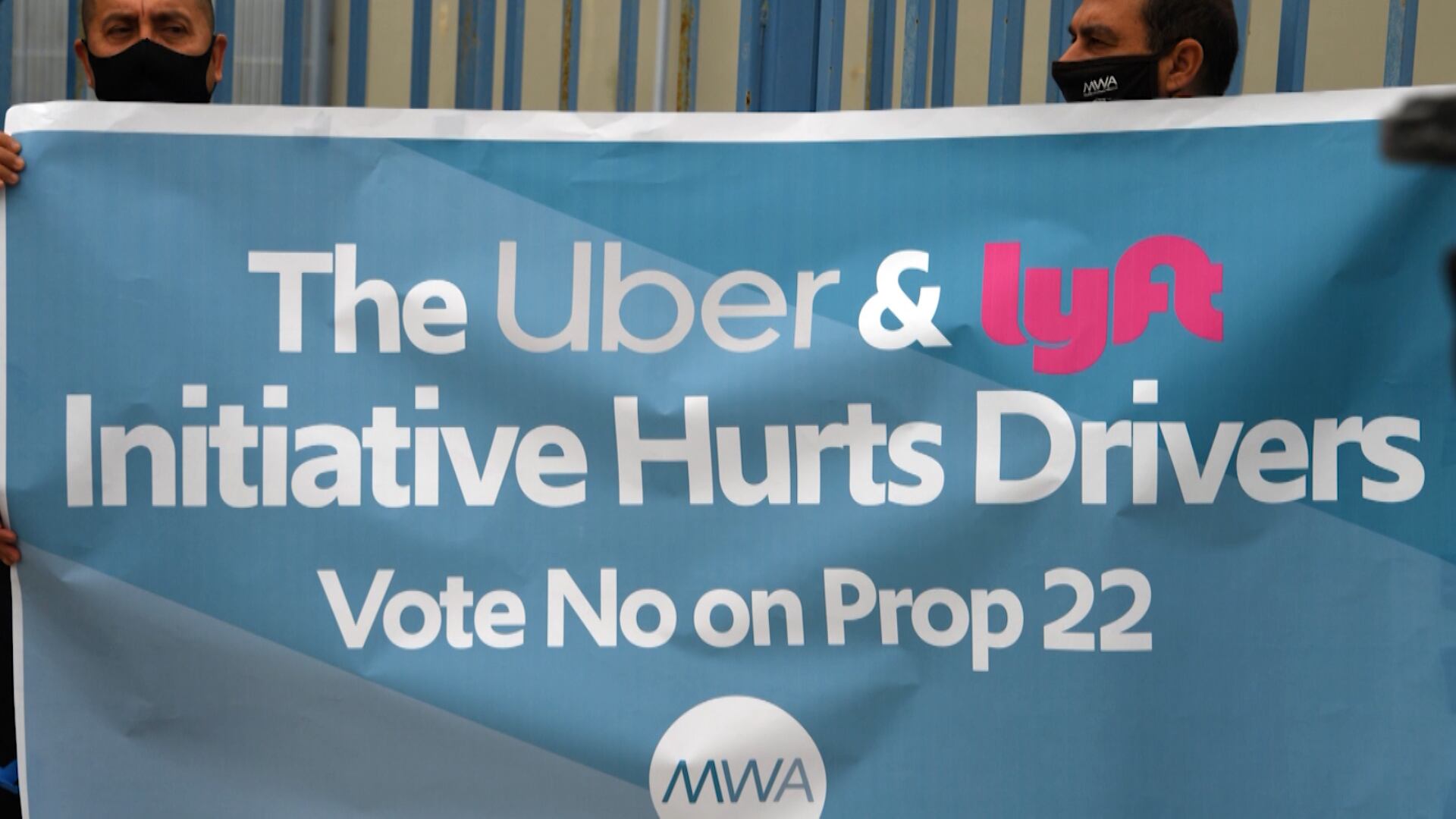
The push to regulate the gig worker economy is gaining steam as the share of workers who participate in freelancing through businesses like Uber and Lyft have also exponentially grown during the pandemic. Employment attorney Mark Kluger, founding partner at Kluger Healey, LLC, joined Cheddar to break down how the battle to reclassify gig workers will continue in the new year, and why the issue continues to generate conflict. "More and more workers are using gig work as their primary source of income and as a result of that they are not like employees in the sense that they don't have benefits like health insurance," Kluger noted.
2021 saw markets continue to be impacted by the onslaught of the coronavirus pandemic -most recently in the form of the Omicron variant- in addition to the global supply chain shortage, and increased inflation. But it wasn't all bad news, as crypto soared throughout the year, and meme stocks continued to have a moment. With the year coming to a close, investors are keeping an eye out to see if they should expect more of the same in the new year. Chris Vecchio, Senior Analyst, at DailyFX tells us what market trends to be on the watch for in 2022.