Daniel Di Martino planned to spend this summer packing up his life in Kentucky for a big move to New York City. He is scheduled to start a Ph.D. program in economics at Columbia University in the fall. 

But with many universities still undecided about how to tackle the fall semester, he is caught in a kind educational limbo. 

"I just know I'm going to stay here in Kentucky until the end of August," he said, echoing the uncertainty felt by so many people across the country navigating a new normal.

However, Di Martino has an added concern: he is an international student. Originally from Venezuela, he has been studying and working in the United States on a student visa for the past four years, but now the rules for visa-holders are changing, leaving Di Martino to question his future in the country. 

Immigration and Customs Enforcement, the agency that oversees student visas, just released new guidelines for international students, which say that if an international student is enrolled in a program that decides to go fully virtual, they must leave the county. 

The rule states: "Active students currently in the United States enrolled in such programs must depart the country or take other measures, such as transferring to a school with in-person instruction to remain in lawful status. If not, they may face immigration consequences including, but not limited to, the initiation of removal proceedings."

It also prohibits students who are not already in the U.S. from entering the country if their schools provide classes only online.

The policy shift comes as schools are releasing plans for the fall semester, many of which focus on online learning as a health and safety measure to combat the spread of coronavirus. 

Caught in the middle are international students like Di Martino whose lives, homes, and futures are in the United States. 

"Logistically, this is a disaster for people," Di Martino said. "I have all my belongings here in Kentucky."

"It would be much easier to move all my things to New York, which was my plan, or to stay in Kentucky," he explained. 

Two years ago, Di Martino's parents moved from Venezuela to Spain to join family there. If he is forced to leave the U.S., he will be moving to a country he has never lived in at a time when his family has been hit especially hard by the coronavirus.

"My grandfather died two and a half months ago of COVID-19 in Spain. My family owns a restaurant and they had to close down because of the pandemic," Di Martino expressed. 

He has economic concerns about joining his family in Spain as well. 

"How am I going to live for six months or a year in Spain," he wondered. "What am I going to do for money?"

There are also just simple realities. For instance, students attending a university in the United States while living in a different time zone will have to adjust their schedules, sometimes dramatically. 

"Six hours [between New York and Spain] is a little compared to what students from China and India are going to go through," he remarked. 

Some countries may not have the same access to infrastructure to support higher education in a virtual environment. Di Martino worries about his fellow Venezuelans who will effectively be unable to stay in school while in the South American country. 

"They will literally not be able to see classes. There is no internet. The internet goes off pretty often. You don't even have enough data on your cell phone," he explained. 

Separate from logistical issues, Di Martino also worries that these guidelines may have far-reaching consequences beyond just the semester ahead.

"Even if this rule were to be withdrawn, the damage is already done. International students are not going to even apply to the United States anymore," he warned.

International students, like Di Martino, contribute about $45 billion to the U.S. economy every year, according to the Department of Commerce. 

A major loss of international students could also have an outsized impact on local economies. More than one million international students matriculate at U.S. colleges and universities annually. While universities with large endowments can weather the loss of those overseas dollars, most small-town schools that recruit heavily internationally cannot take that kind of hit and could face closure, further widening the gap of higher education access across the country. 

Plus, Di Martino highlights another lost opportunity: The experience of learning from international students would be gone if students are unable to stay.

"We're going to teach American students. They're going to learn from us," he explained, saying graduate students bring their experiences to the classrooms they lead. Even undergraduate students will benefit from spending time with students from different backgrounds: "Most Americans don't get to study abroad. But they get to learn about the rest of the world from us." 

Now, Di Martino and a million other students wait in limbo for their colleges to decide how to balance keeping international students in the U.S. with keeping them safe in the classroom. 

"If the goal of this policy is to force universities to reopen, there's no reason to play with people's lives like this."

Share:
More In Culture
CES 2022 Begins on Wednesday
We are just one day away from what has been called the most influential tech event in the world. CES 2022 will officially kick off on Wednesday in Las Vegas, but the annual tech summit is being impacted by COVID-19, like so many other recent events. The Consumer Technology Association originally planned for a hybrid event to take place from January 5-8, with some in-person events and some virtual; however, a few big-name companies announced they will not be attending in-person, so the CTA decided to shorten the event by one day, with it now ending on Friday. Consumer electronics senior analyst Will Greenwald joins Cheddar News' Closing Bell to discuss.
California Starts Largest U.S. Food Waste Recycling Program
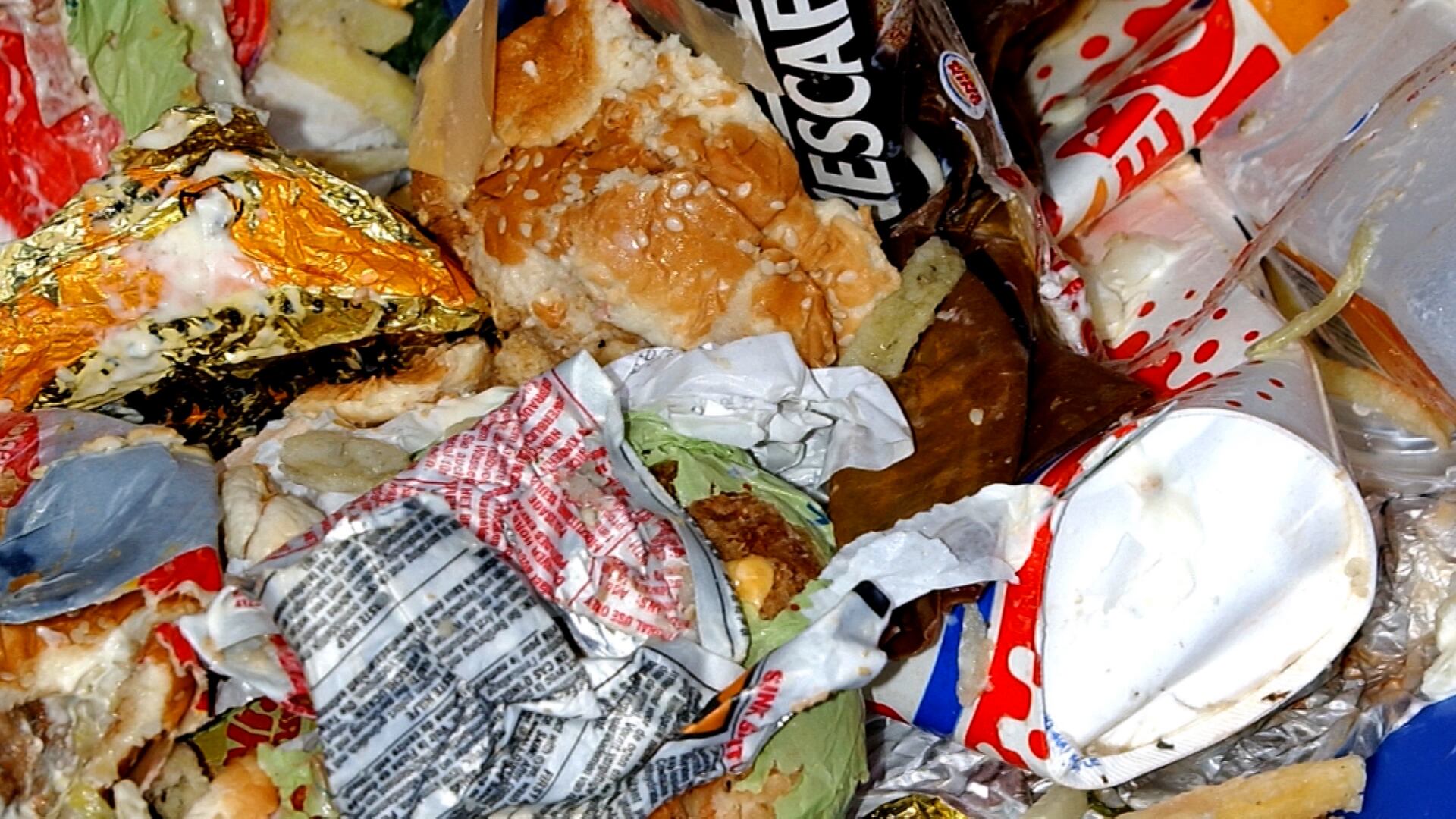
California's new composting law will affect what residents do in their kitchens. As of this week, Californians will have to recycle excess food in an effort to reduce emissions caused by food waste. Cities and counties will turn recycled food into compost or use it as a renewable energy source. California's new law is the largest mandatory residential food waste recycling program in the country. Rachel Wagoner, Director of the California Department of Resources, Recycling and Recovery called the law 'the biggest change to trash' since recycling started in the 1980s. She joined Cheddar Climate to discuss.
Sweetgreen Launches Salad Subscription Service 'Sweetpass'
Fast-casual restaurant chain Sweetgreen is rolling out its first salad subscription service called sweetpass as it looks to customers tackling new year weight loss and health goals. Members will receive up to 30 percent off of purchases.
Severe Snowstorm Blankets D.C., Mid-Atlantic Region
Washington DC and the surrounding areas saw a record breaking snow storm Monday as a strong storm system works its way across the eastern U.S. The extreme weather event caused extensive damage in the greater Washington area, leaving thousands in the region without power. Jonathan Porter, Chief Meteorologist, AccuWeather, joined Wake Up with Cheddar to discuss the fierce storm.
Over 3,000 Flights Canceled on Monday Over Severe Weather, Crew Shortages
Airlines canceled more than 3,000 flights on Monday over severe weather and crew shortages. The cancellations come on one of the busiest travel days of the holiday season, and is a continuation of the industry-wide disruption that started before Christmas. Thomas Pallini, Aviation Reporter for Insider joined Wake Up with Cheddar to discuss.
End of Child Tax Credit Could Mean Slide Back Into Increasing Child Poverty
Millions of Americans with young children have relied on the child tax credit since the federal government began issuing checks in July 2021. The last round of payments was sent out just before the Christmas holiday — at the same time as the omicron variant surged. Leah Hamilton, associate professor of social work at Appalachian State University, joined Cheddar to discuss what the end to the tax credit means as the U.S. sees the end of many relief programs and its highest number of COVID cases since the start of the pandemic. "It'll become harder for families to meet their basic needs, increasing national childhood poverty rates and the proportion of families who have difficulty putting food on the table, maintaining stable housing, and paying their bills," Hamilton said. She also pointed to research that the credit as a long-term investment in children offsets claims that it contributes to macroeconomic impacts like inflation.
NYT Piece Claims Silicon Valley Investors and Founders Contorted Legal Tax Break to Avoid Taxes on Investment Profits
Several Silicon Valley insiders are being accused of contorting a 1990s-era tax break to avoid taxes on millions of dollars of investment profits. The tax break is known as the qualified small business stock exemption, and it allows early investors in certain companies to avoid half of the taxes on up to $10 million in capital gains. A piece recently published in the New York Times says venture capital firms like Andreessen Horowitz replicated the tax exemption by giving shares of companies to friends and family, who would otherwise face a 23.8% capital gains bill. The CEO of Roblox is also accused of replicating the tax break for his family members at least 12 times. Although the loophole known as 'stacking' is considered to be legal, the Times piece implies that the exemption has been manipulated for the ultra-wealthy to become more wealthy. Greycroft co-founder and Chairman Emeritus Alan Patricof joins Cheddar News' Closing Bell to discuss.
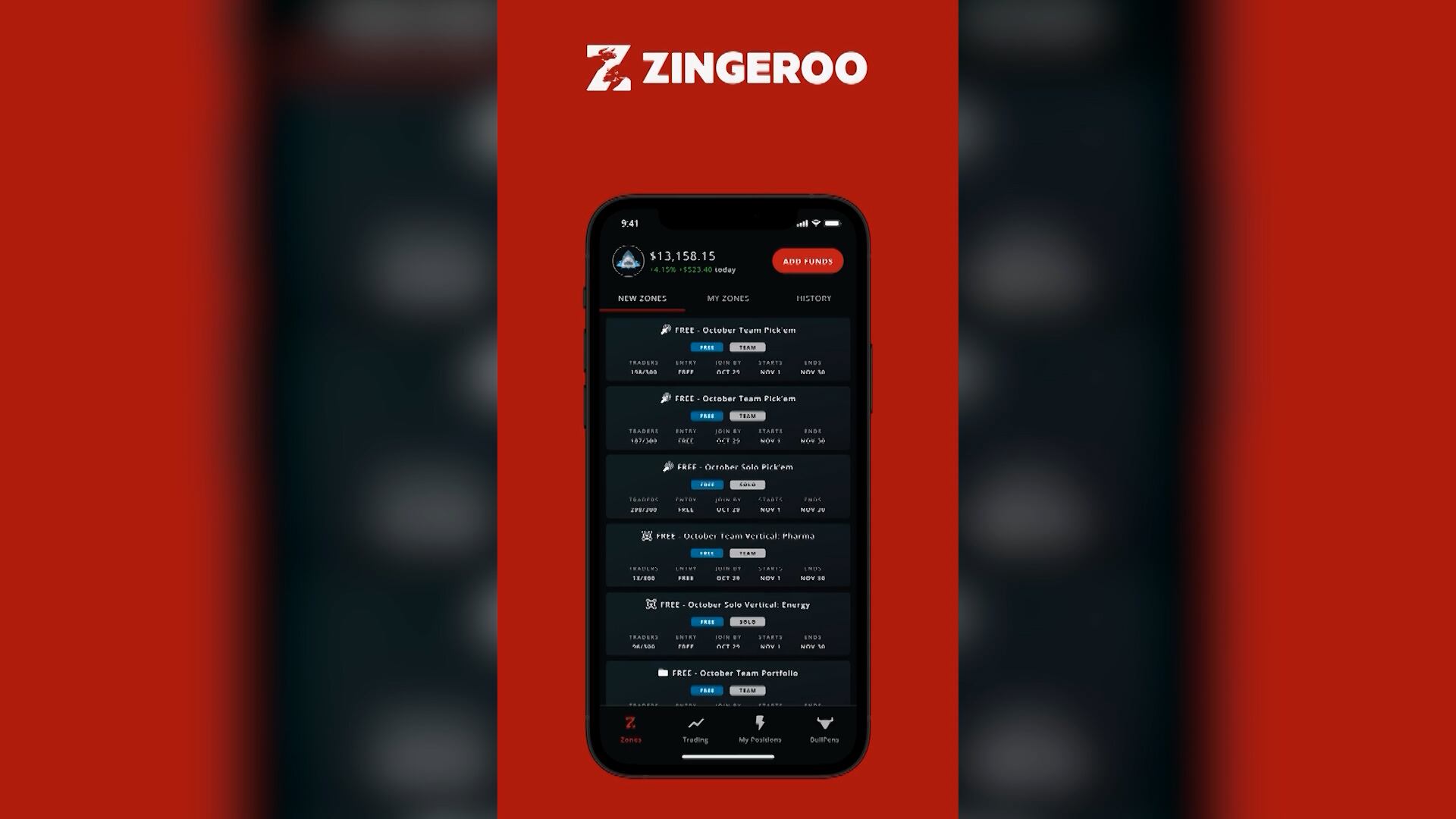
Competitive Stock-Trading Mobile App Zingeroo Raises $8.5 Million
There is a new player in the mobile app stock trading space. Zingeroo recently announced a funding round of $8.5 million. The company says it aims to bring 'friendly competition' to stock trading, by literally breaking trading down into daily and weekly competitions between friends. Zingeroo also says it hopes its new approach can make trading more accessible, educational, and social than ever before. Zingeroo co-founder and CEO Zoe Barry joins Cheddar News' Closing Bell for more.
Load More