*By Madison Alworth*
Verifly, a start-up that provides insurance for flying drones, said it will now also cover people. It will begin offering on-demand, short-term general liability insurance for contract workers and freelancers.
The company's app, originally designed for the gig economy of DJs, photographers, handymen, and dog walkers, gave Verifly a leg up when it looked to expand into other types of insurance, said co-founder and CEO Jay Bregman.
"This platform that we built was really a per-flight, drone insurance, and it was how we cut our teeth in building this episodic insurance," he said Wednesday in an interview with Cheddar. The contractors who were using their drone insurance were the ones who asked for coverage for their other freelance jobs. "They came to us and said, 'it's great that we have this system for the 5 percent of our work that deals with drones, but we'd like to do this for the 95 percent of our work that's photography, or construction, etc.' So we just listened."
There are 57 million Americans who work as independent contractors, often on short term jobs. In the least 20 years, the number of gig economy workers has increased by about [20 percent more](https://www.cnbc.com/2016/10/13/gig-economy-is-growing-heres-how-much.html) than payroll employees.
"Insurance is only sold by the year. So we stepped in to solve that problem," said Bregman.
Verifly users can purchase insurance for a specific gig and by the hour. The rates start as low as $5 an hour, and they're based on a variety of factors including the type of work, the length of the project, and where the job is located. Verifly insurance is available in 11 states, and the company has plans to be available nationwide by the end of this year or early next year. Its general liability policies are underwritten by Markel Insurance Company and the drone policies are underwritten by Global Aerospace, Inc.
For full interview, [click here](https://cheddar.com/videos/getting-insurance-for-your-gig).
Stepping up a feud with Washington over technology and security, China's government on Sunday told users of computer equipment deemed sensitive to stop buying products from the biggest U.S. memory chipmaker, Micron Technology Inc.
Stocks are moving tentatively Monday, as Wall Street waits to see whether a pivotal meeting in the afternoon will help the U.S. government avoid a potentially disastrous default on its debt.
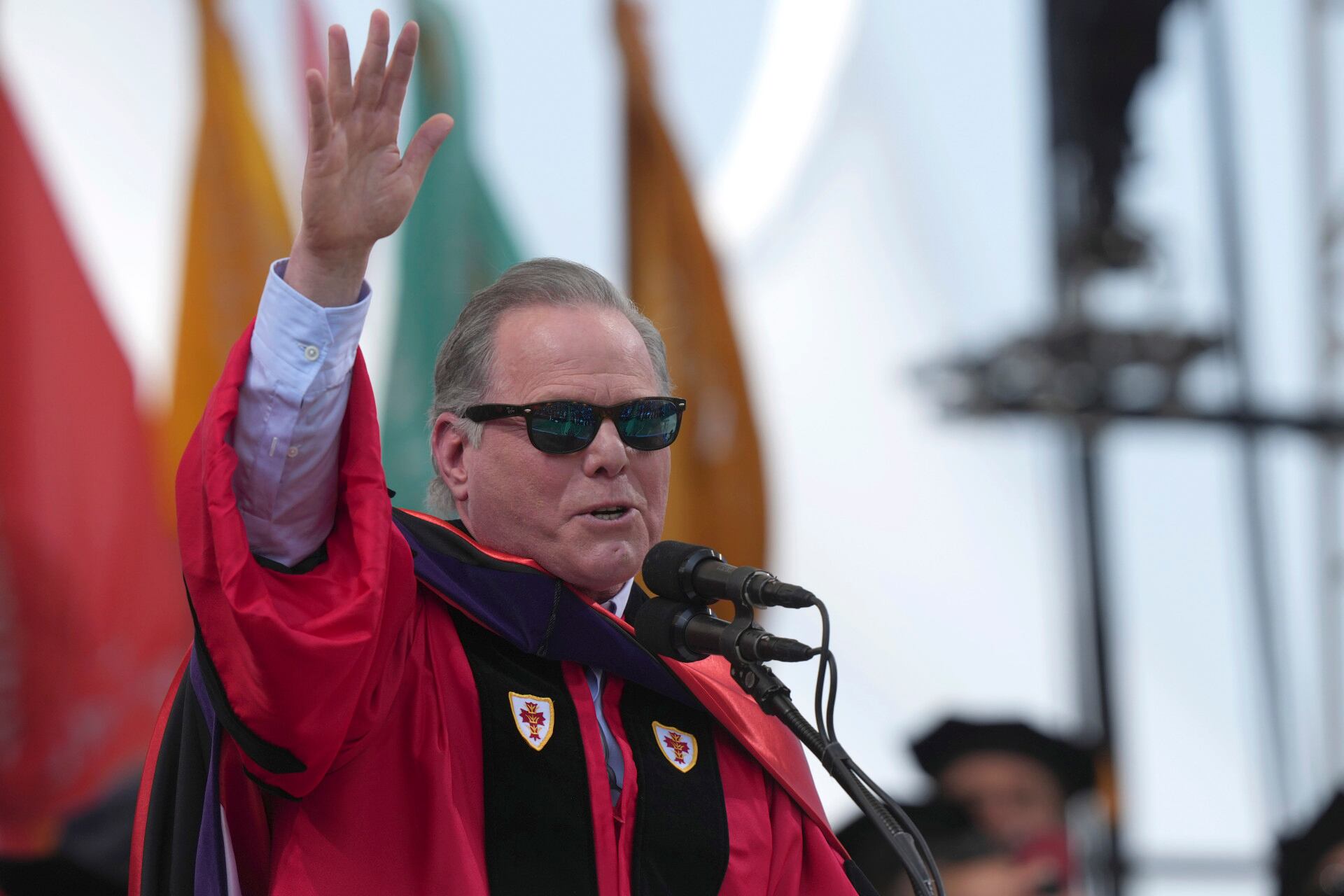
Scores of Boston University students turned their backs on the head of one of Hollywood's biggest studios, and some shouted “pay your writers,” as he gave the school's commencement address Sunday in a stadium where protesters supporting the Hollywood writers' strike picketed outside.
Gov. Ron DeSantis is asking that a federal judge be disqualified from the First Amendment lawsuit filed by Disney against the Florida governor and his appointees, claiming the jurist's prior statements in other cases have raised questions about his impartiality on the state's efforts to take over Disney World's governing body.
Ford CEO Jim Farley says the company will stop competing in over-served market segments and instead will place big bets on connected vehicles and digital services. The days of Ford being all things to all people are over, Farley said at the company's capital markets day event Monday.
The European Union slapped Meta with a record $1.3 billion privacy fine Monday and ordered it to stop transferring users personal information across the Atlantic by October, the latest salvo in a decadelong case sparked by U.S. cybersnooping fears.
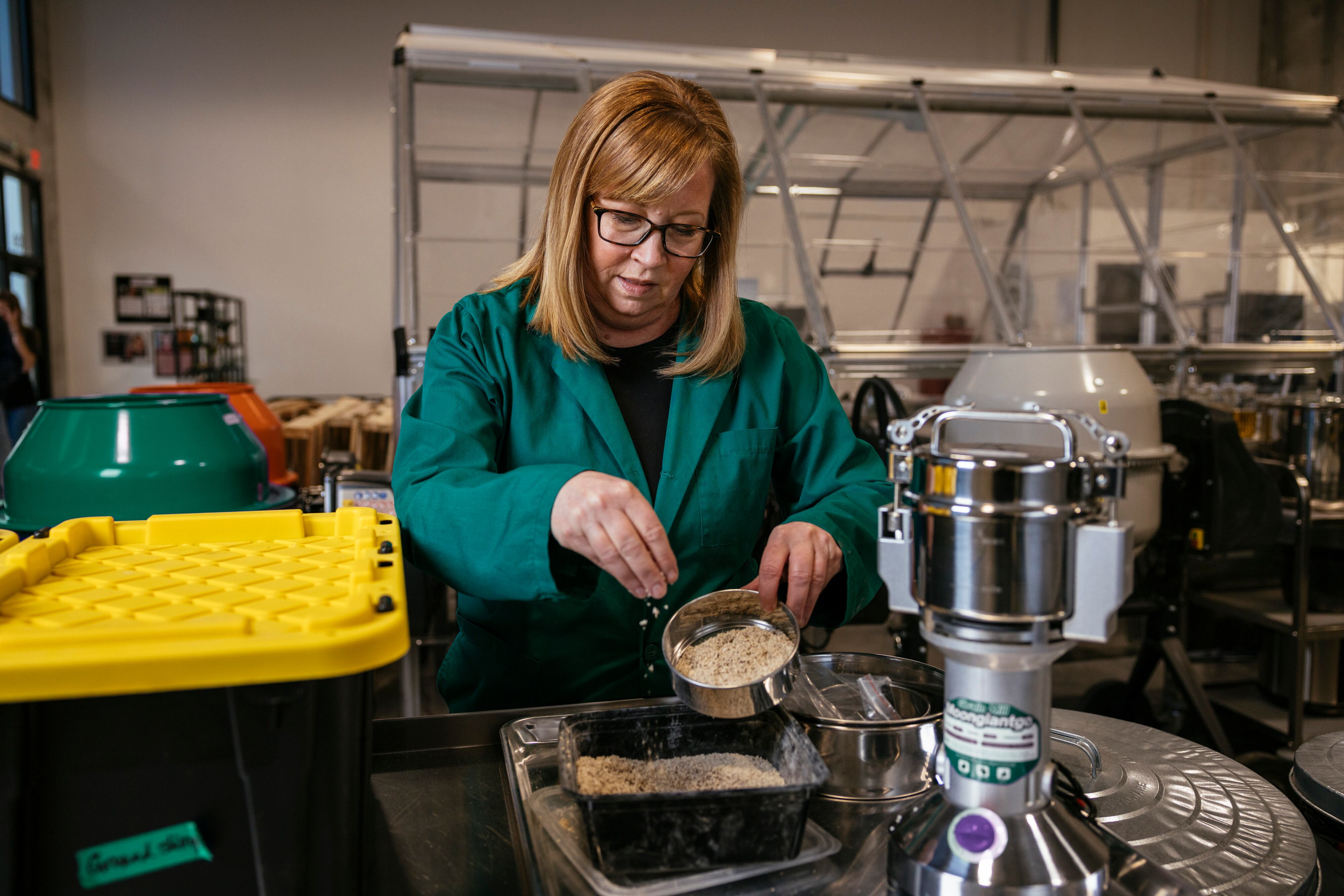
Joanne Rodriguez, founder and CEO of Mycocycle Inc., joined Cheddar News to discuss how her company uses mushrooms to decarbonize construction waste. "Mycocycle was started to address the waste mismanagement issue we have," she said. "Globally, we've got overflowing landfills that are creating human and environmental health issues."