Ever since Elon Musk first announced that Tesla will be making a relatively affordable electric sedan in 2016, people have been waiting with bated breath to get their hands on the steering wheel.
Even multiple manufacturing delays couldn’t diminish that anticipation.
Cheddar’s Hope King got a first-hand look at the mass market vehicle Monday with Josh Ong, an eager customer on Tesla’s months-long waitlist.
“For me the first reason I wanted it was the technology,” said the communications director at Cheetah Mobile. “This is really the ultimate gadget.”
More than a half million people have preordered the Model 3. But after multiple delays -- Tesla delivered just 1,500 of the vehicles in the fourth quarter -- many have given up and canceled their requests.
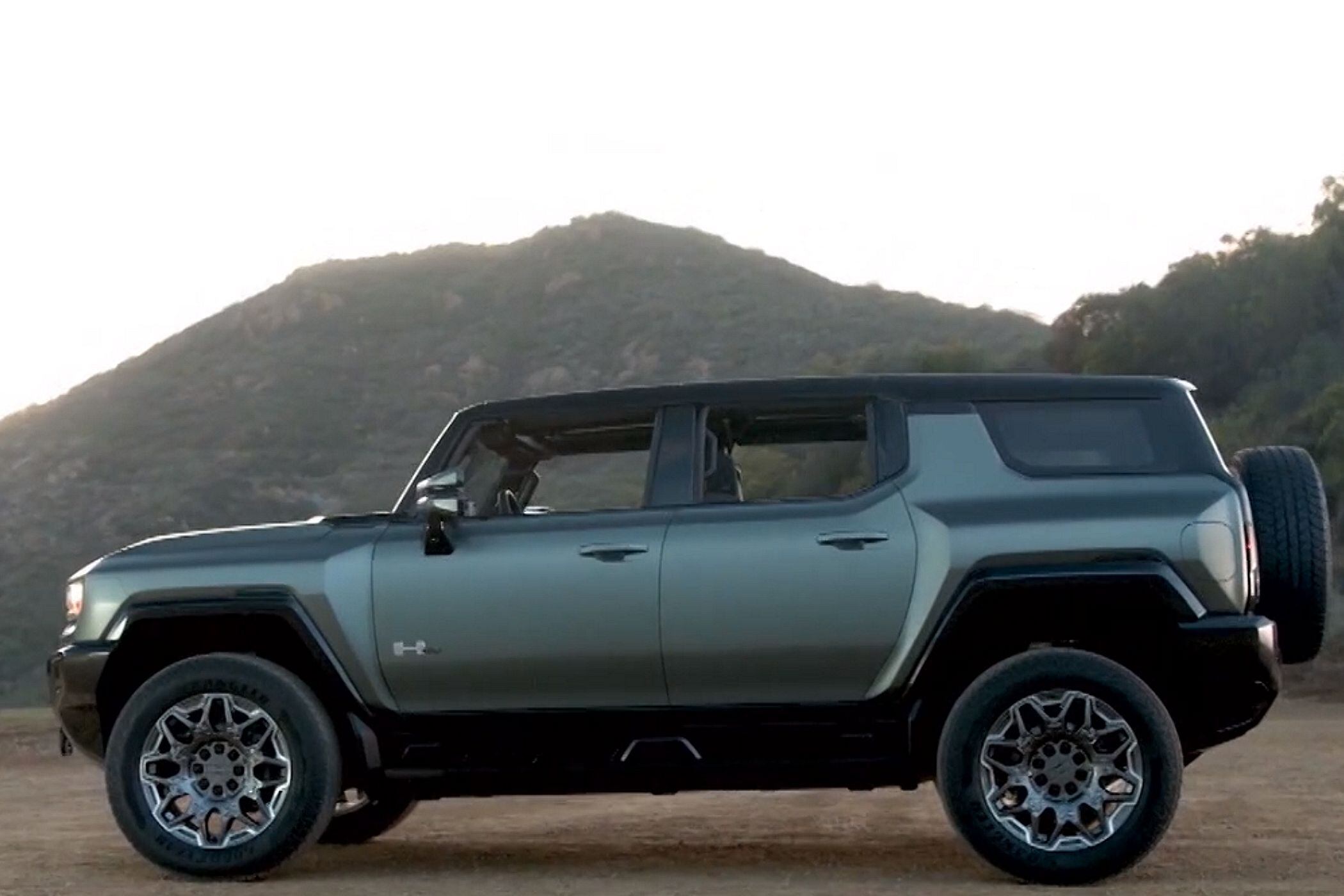
Al Oppenheiser, chief engineer at GMC, joined Cheddar about the robust features and delivery timetable for the GMC all-electric Hummer SUV slated for this fall.
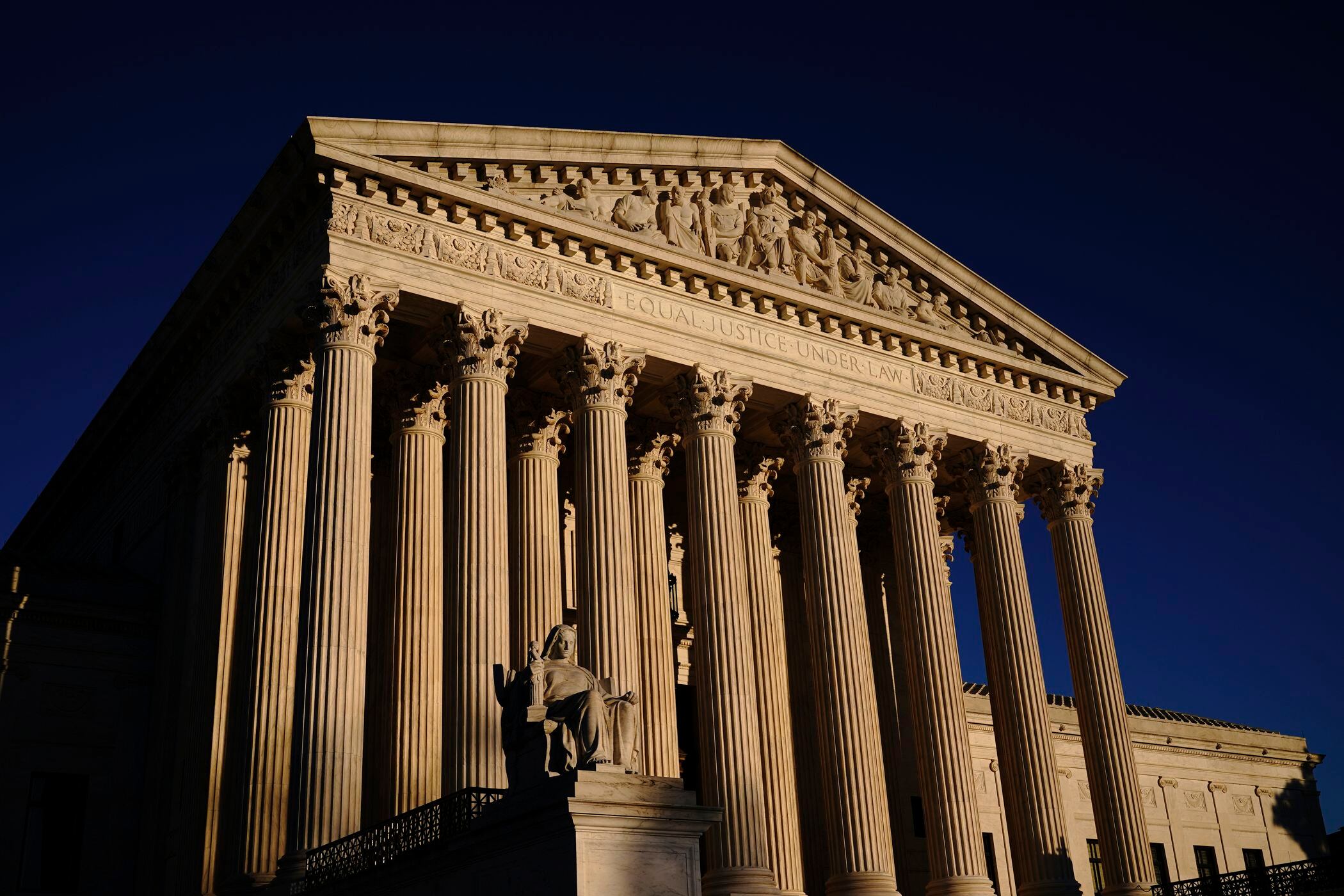
The Supreme Court is siding with Google in an $8 billion copyright dispute with Oracle.
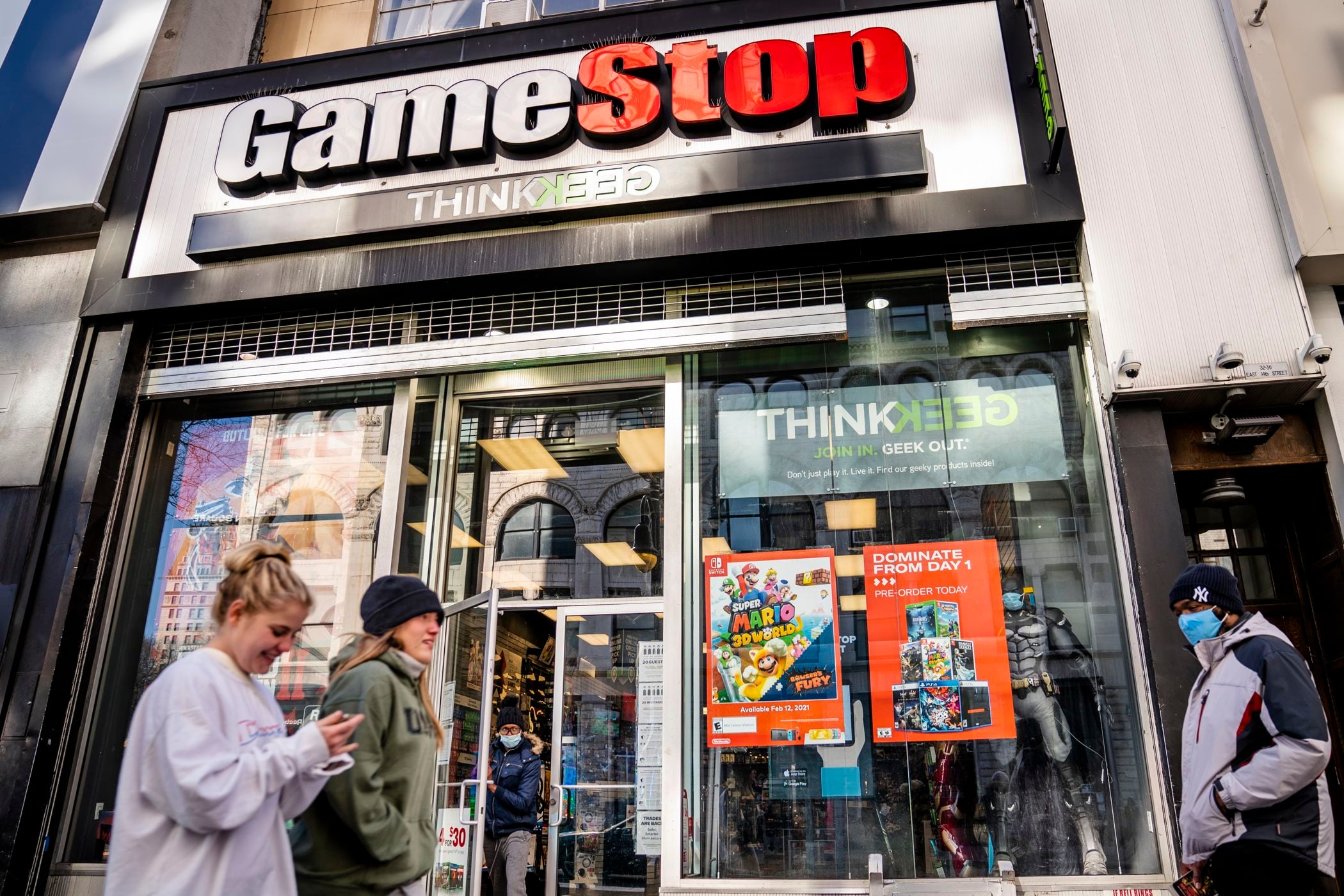
Two months after a market phenomenon took shares of GameStop to the moon, the video game retailer says that it will sell up to 3.5 million of its shares.
Details from more than 500 million Facebook users have been found available on a website for hackers.
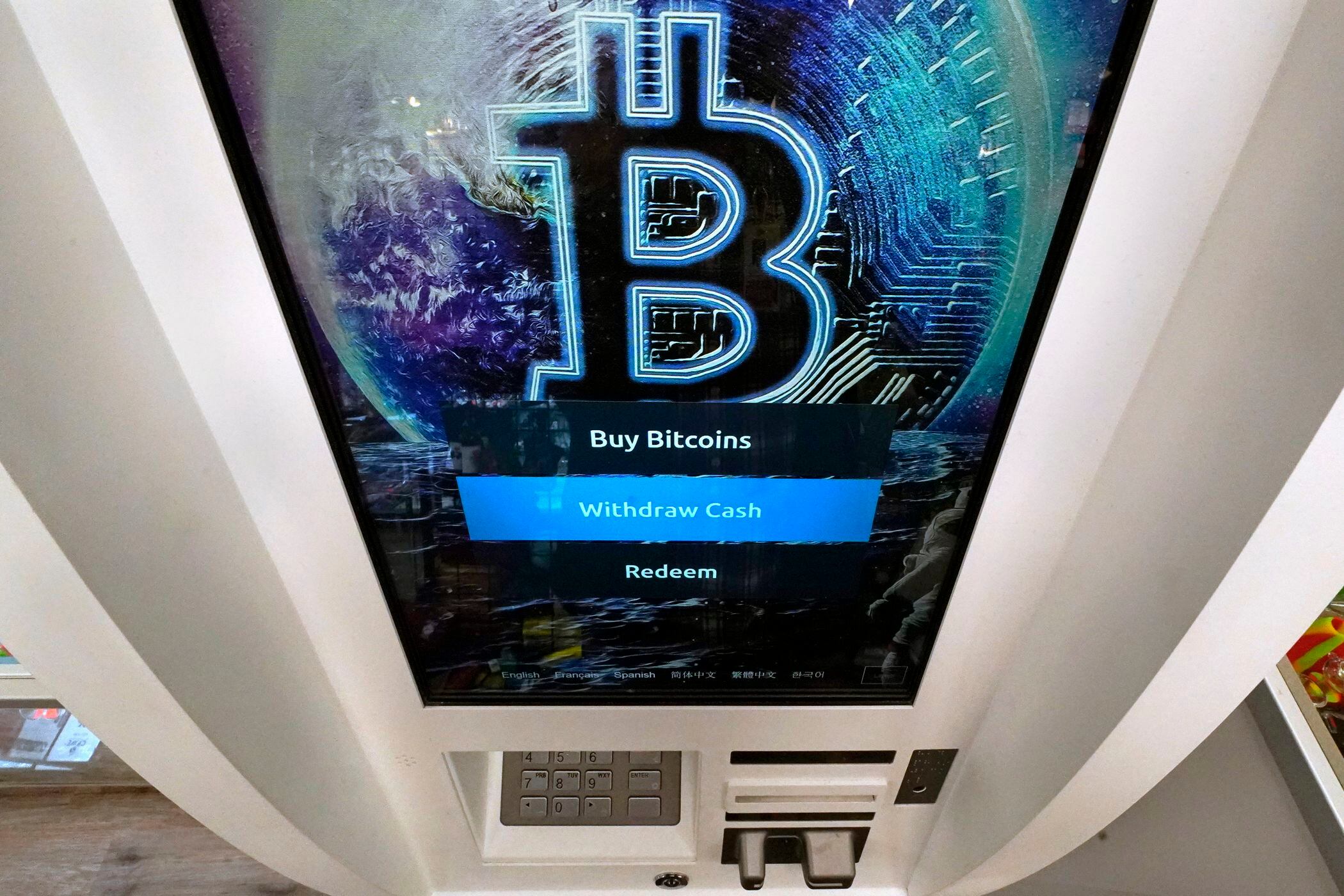
Several fintech companies this year plan to release credit cards that offer a percentage back in bitcoin on every purchase.
From Wall Street to Silicon Valley, these are the top stories that moved markets and had investors, business leaders, and entrepreneurs talking this week on Cheddar.
Tesla delivered nearly 185,000 electric vehicles in the first quarter despite a shortage of computer chips that has hit the global auto industry.
With President Biden unveiling a $2.9 trillion infrastructure plan, the old gas tax formula may not be able to serve as a matching revenue source, especially with the consistent drumbeat of growing the electric vehicle market.
Shyam Gidumal, WeWork president and COO of the Americas, talked about the latest partnership with a city to help guide more businesses back into shared workspaces.
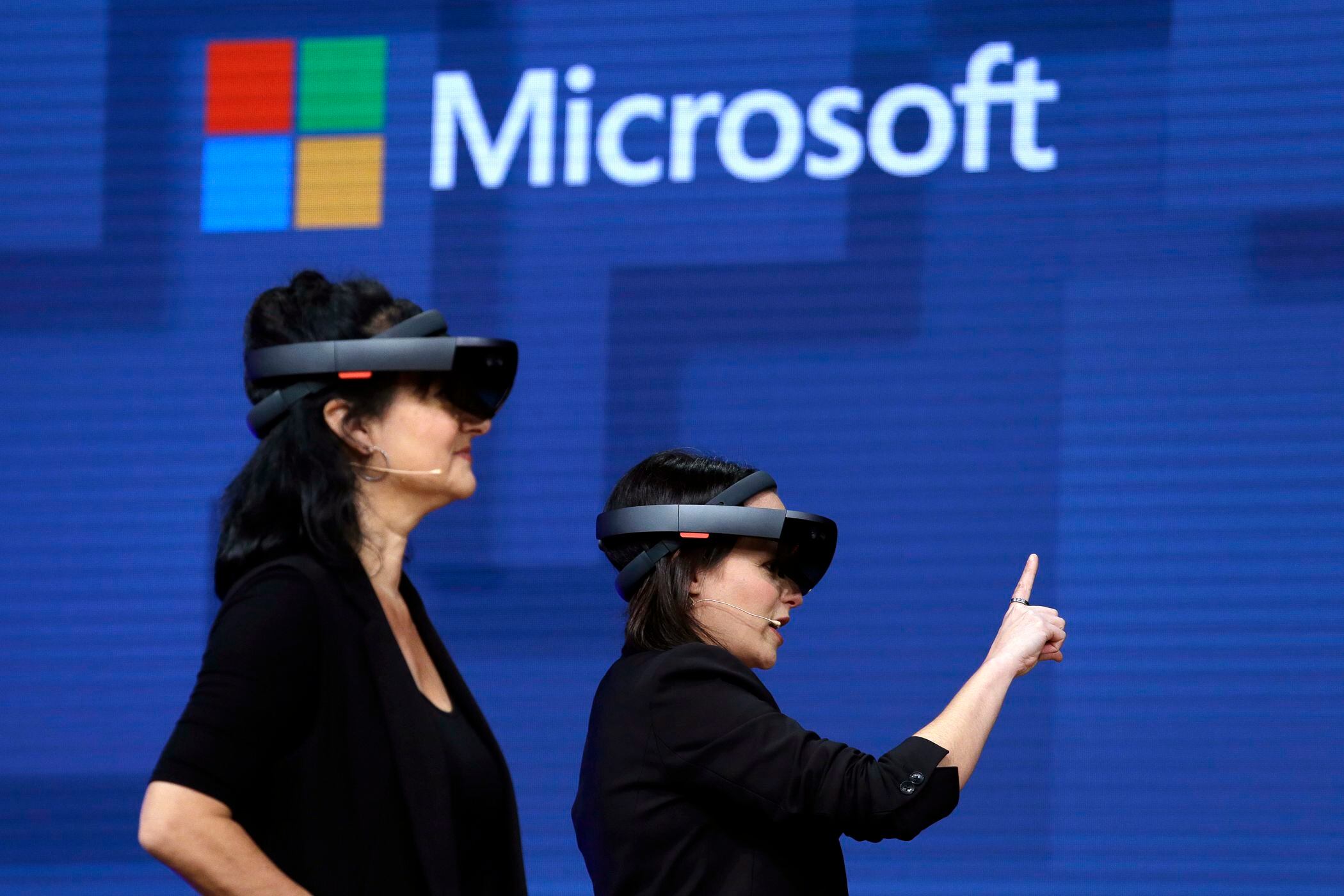
Microsoft won a nearly $22 billion contract to supply U.S. Army combat troops with its virtual reality headsets.