IBM's Robot Debater Takes on Humans...and May Change Some Minds
*By: Britt Terrell*
IBM Research conducted the first live debate between a human and a machine this week, showing off the company's latest development in artificial intelligence.
Project Debater squared off against two experts in rhetoric Monday night, responding to and delivering its own arguments. The technology, which ingests information from newspaper articles and other sources to put together well-structured speech and deliver a response, was even able to convince some audience members to change their minds.
"This is a great tool for helping educate the public," said Arvind Krishna, SVP & Director of IBM Research. "They could ask it a question, and 'Debater' can then look through and say, 'Look, based on everything I've read, here is an informed opinion on what everybody's thinking and saying.'"
When it comes to using the machine to help humans formulate opinions, though, especially in an age when fake news has run rampant on certain sites, Debater's powers could raises some concerns. But Krishna pointed out that humans are subject to the same pitfalls.
"What the Debater will do is it won't stick only to the fake news, it will give other \[opinions\], so you really get a complete and comprehensive \[response\]."
Debater is not the first example of high-functioning A.I. to come out of IBM. The company's Watson technology showed off against Jeopardy! champions in 2011, and its 'Deep Blue' program famously bested chess champion Garry Kasparov back in 1997.
But there is still work to be done on the Debater software. And while Krishna dismissed criticisms that its voice was too robotic ー Google, after all, drew jabs for its [all-too-human-sounding Duplex](https://cheddar.com/videos/was-googles-duplex-demo-real) ー he acknowledged some room for improvement.
"How do you throw humor in, when do you throw humor in?" he asked. "Like when it makes a joke like, 'If I had blood, my blood would boil, but I don't really have blood.'"
For the full interview, [click here](https://cheddar.com/videos/ibms-newest-a-i-project).
The largest tech convention in the world kicks off this week. CES, organized by the Consumer Technology Association, will run from Wednesday Jan. 5 through Friday Jan. 7, featuring more than 2,000 exhibitors showing off their latest tech products in Las Vegas. Ian Sherr, editor at large at CNET, gives a first look at some of the biggest trends expected this year.
Verizon and AT&T have agreed to delay the launch of their 5G networks for two weeks following pressure from the Federal Aviation Administration, airline companies and even Transportation Secretary Pete Buttigieg. The aviation industry is concerned the 5G rollout could bring technical challenges or safety concerns on top of the current disruptions they're already dealing with from COVID and severe weather. Hugh Odom, founder and president of Vertical Consultants and former AT&T attorney, discusses how the Biden administration was able to come to this agreement with the wireless carriers.
Angelo Zino, Senior Industry Analyst & Vice President at CFRA Research, breaks down the tech giants' valuation milestone and discusses the areas of Apple's business that could see further growth.
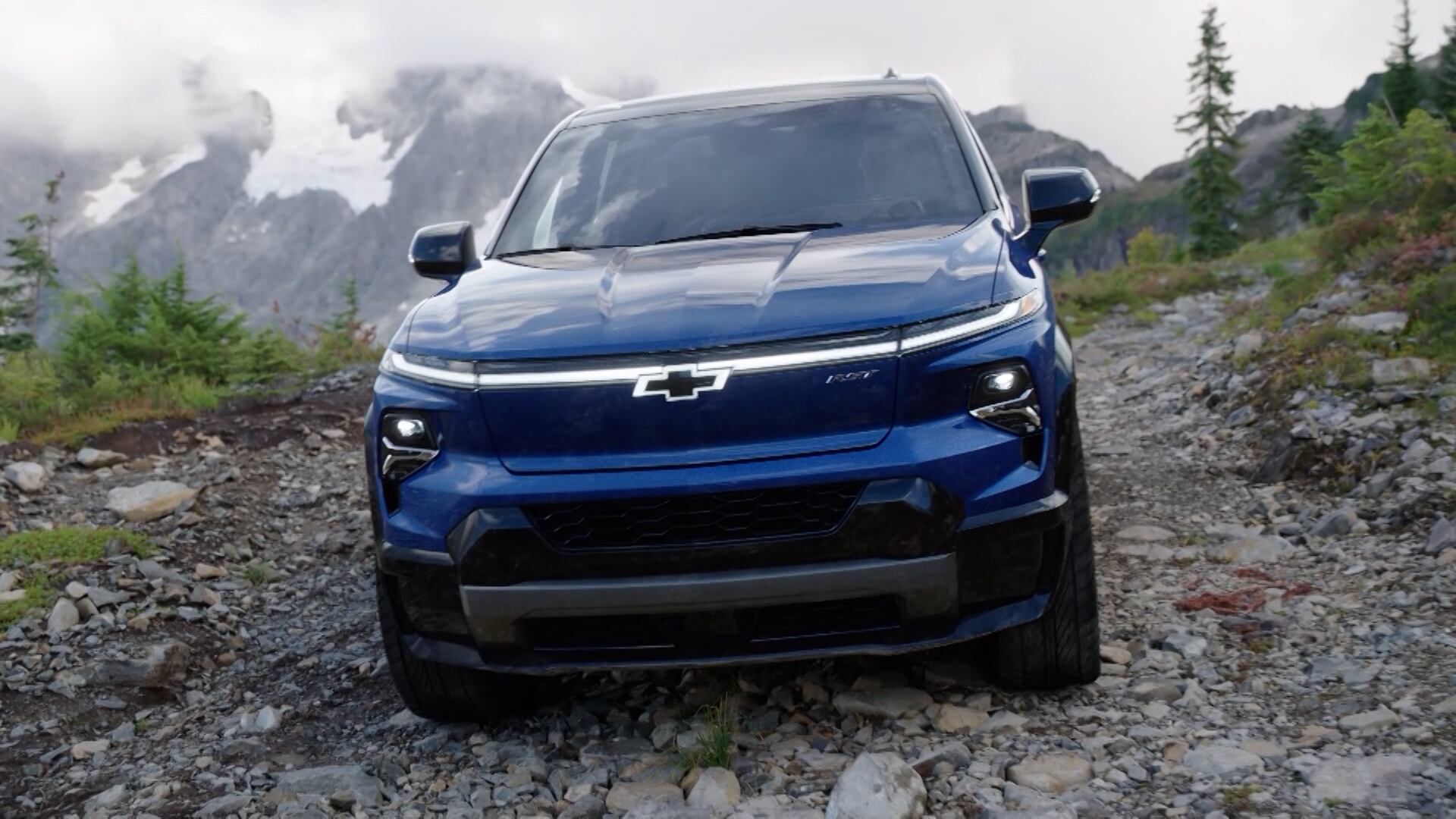
General Motors rolled out the newest addition to its EV fleet with the all-electric Silverado pickup truck. Deborah Wahl, chief marketing officer at GM, joined Cheddar to talk about the latest EV offering and how it matches up to its past gas-powered versions. She said she expects demand to soar after the "first-level truck" sold out in just 12 minutes and talked about steps GM plans to take to regain its title as top U.S. auto seller after being dethroned by Toyota in 2021 with emphasis on the EV market. "I think this is an exciting new inflection point for the market overall, for [an] idea of an all-electric future, and certainly shows that we're extremely committed to the idea of everybody in an electric vehicle," said Wahl.
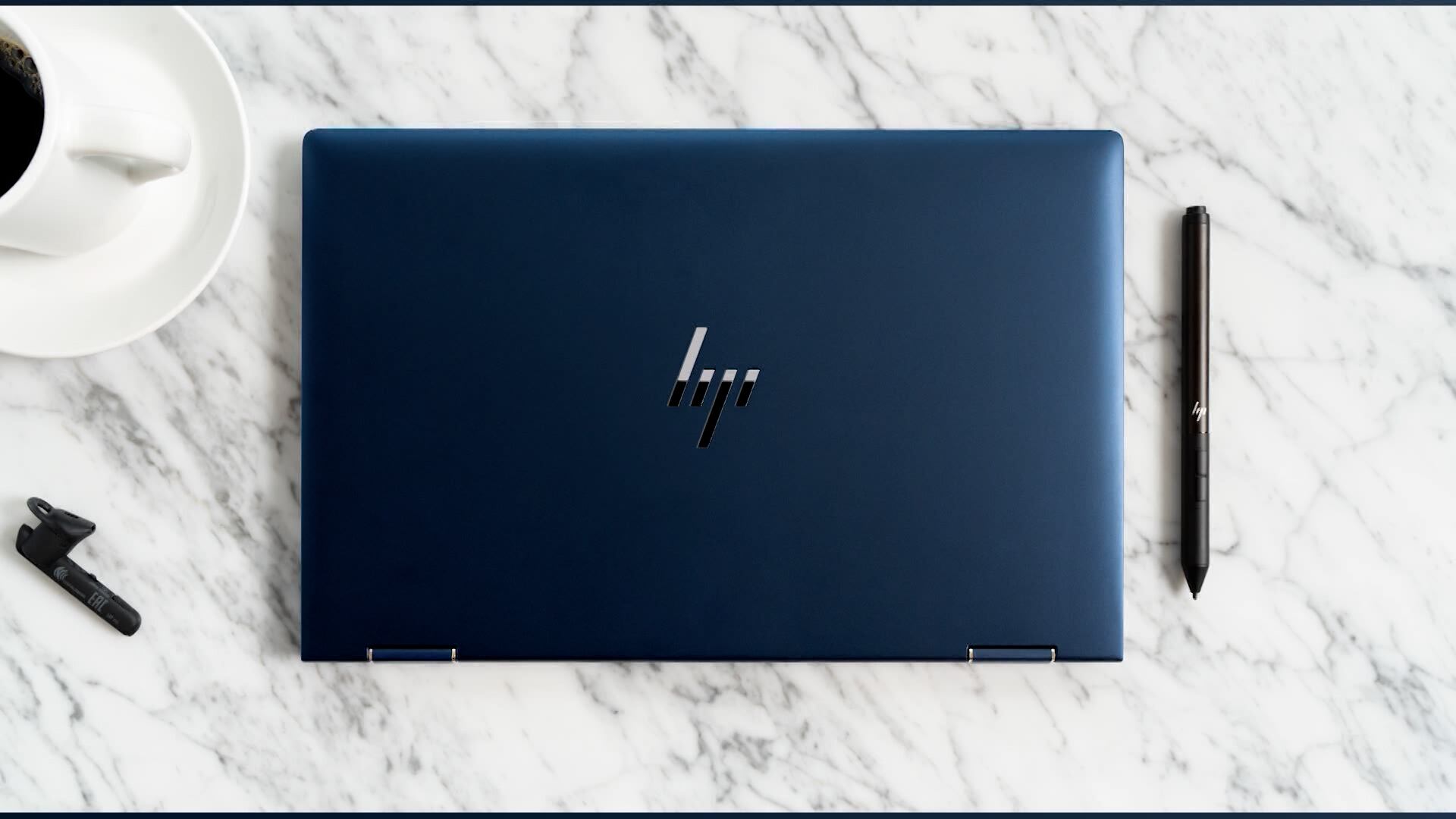
With the annual CES convention underway amid COVID, HP unveiled rolled out a number of new products virtually this year, including new gaming PCs and 4K display monitors. But as industries look toward a greener future, HP is working with the climate crisis in mind. James McCall, chief sustainability officer at HP, joined Cheddar's Kristen Scholer to discuss the company's climate goals, which includes reducing its carbon footprint to net-zero by 2040. He admitted that reaching the ambitious goal will be difficult because much of the company's emissions totals come from third parties. "A large part of our footprint is outside of HP's direct control. A lot of it comes either from our incoming supply chain, the materials, our manufacturing process, or about 30 to 40 percent of it comes from our consumer-use base," McCall told Cheddar.
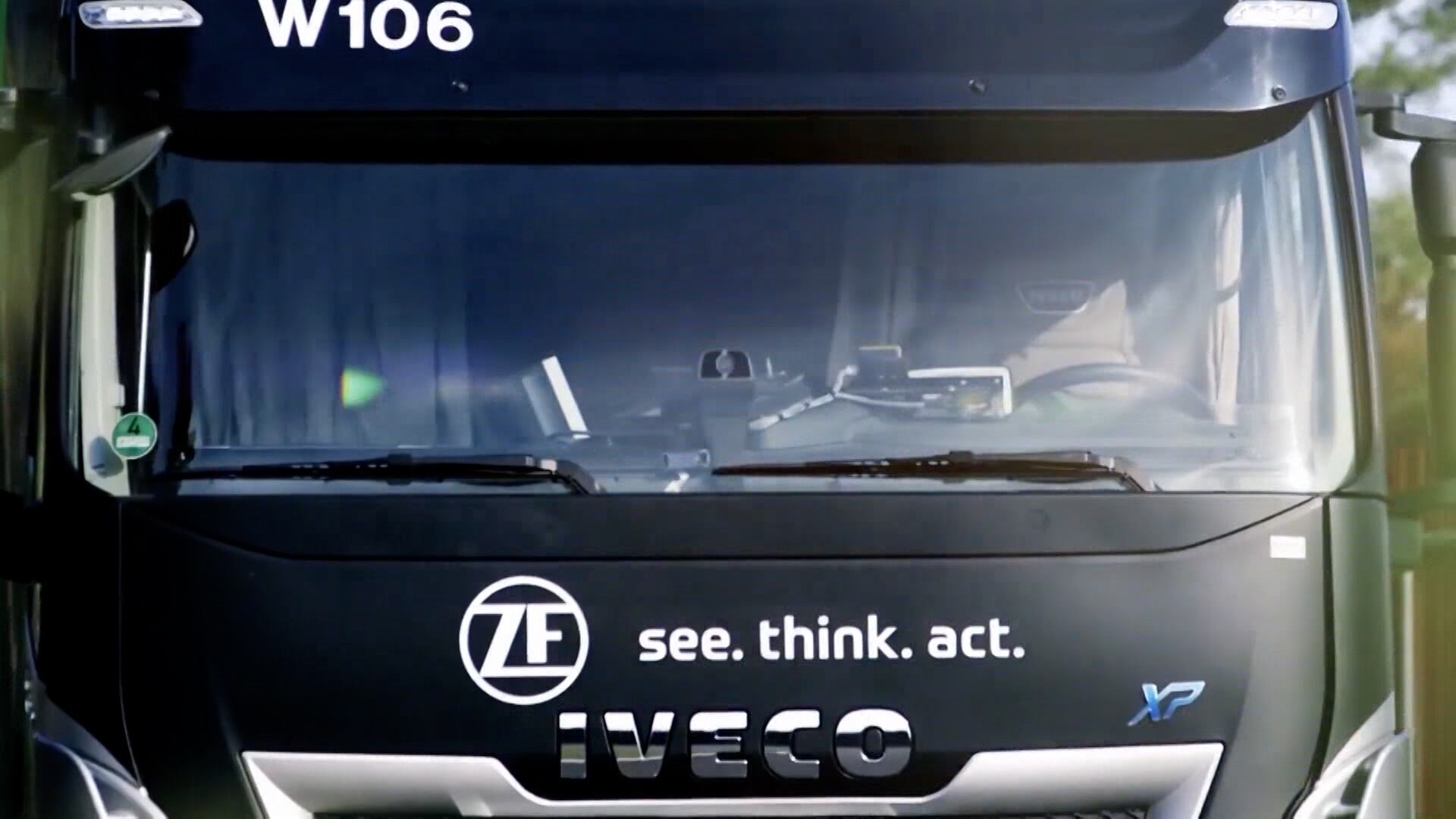
Martin Fischer, president of technology supplier for cars and commercial vehicles ZF North America, joined Cheddar to discuss the company's solutions for next-generation mobility in autonomous vehicles and its plans to usher in the next phase of electric vehicles. He also talked about the rising demand for self-driving technology on a global scale. "Whereas we are really active also there for passenger cars and commercial vehicles, what we showcase at CES now virtually is our autonomous shuttles," he said. "So, what that means is we bring these vehicles to busy city centers and can take traffic levels down."
Steve Patton, EY Americas Mobility Sector Leader, joins Cheddar News to discuss what can be done to speed up the adoption of EVs, and how infrastructure can be scaled up to support this transition.