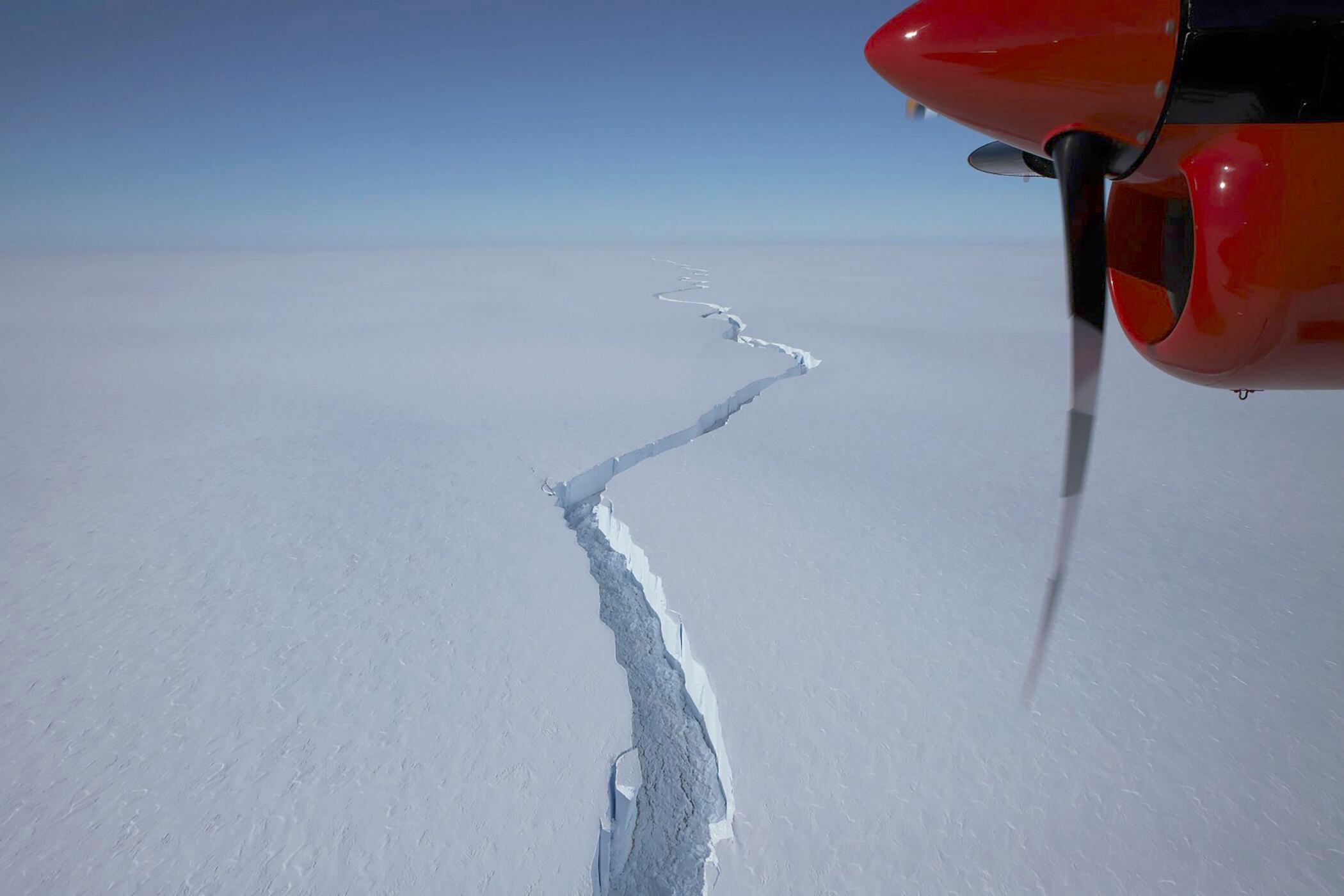
A aerial view taken in Jan. 2021 and issued on Friday July 26, 2021 by the British Antarctic Survey showing a massive crack in the Brunt Ice Shelf in Antarctica. A huge iceberg the size of the English county of Bedfordshire has broken off the 150-m thick Brunt Ice Shelf, almost a decade after scientists at British Antarctic Survey (BAS) first detected growth of vast cracks in the ice.(British Antarctic Survey via AP)
A huge iceberg, the size of the UK county of Bedfordshire, has broken off the Brunt Ice Shelf.
The phenomenon is known as calving and comes almost a decade after scientists at the British Antarctic Survey (BAS) first detected the growth of vast cracks in the ice.
The first indication that a calving event was imminent came in November 2020 when a new chasm – named North Rift – headed towards another large chasm near the Stancomb-Wills Glacier Tongue 35 km (21.7 miles) away.
It's the third major crack in the ice shelf that's become active in the last ten years.
During January, the rift pushed northeast at up to 1 km(0.62 miles) per day, cutting through the 150 meters (492 feet) thick floating ice shelf.
The iceberg was formed when the crack widened several hundred meters in a few hours on the morning of 26th February, finally breaking free from the rest of the floating ice shelf.
The calving is not expected to pose a threat to BAS's Halley Research Station which is located on the Brunt ice shelf.
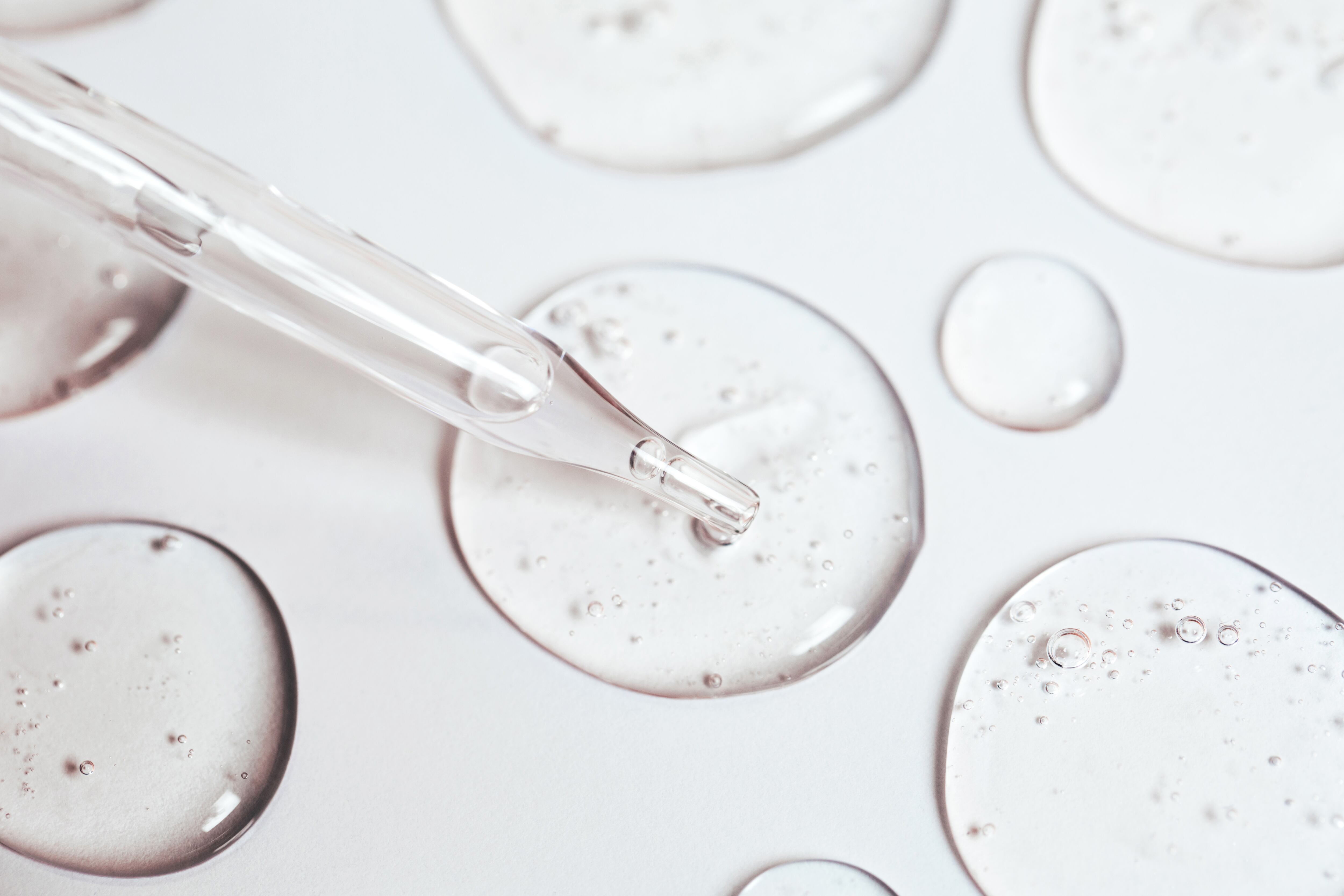
A new gel that helps stop bleeding for both emergency care and surgical procedures in animal medicine is being sought for FDA approval for a human version.
In this photo provided by Henry Danner, Omari Maynard sits with his children, Khari, left, and, Anari, holding a photo of their late mother, Shamony Gibson, at home in the Brooklyn borough of New York on April 9, 2022. Gibson passed away in 2019, two weeks after giving birth to Khari due to a pulmonary embolism. “She wasn’t being heard at all,” said Maynard, an artist who now does speaking engagements as a maternal health advocate.
The Environmental Protection Agency has proposed a new plan to lower the cap on the amount of harmful "forever chemicals" allowed in drinking water across the country.
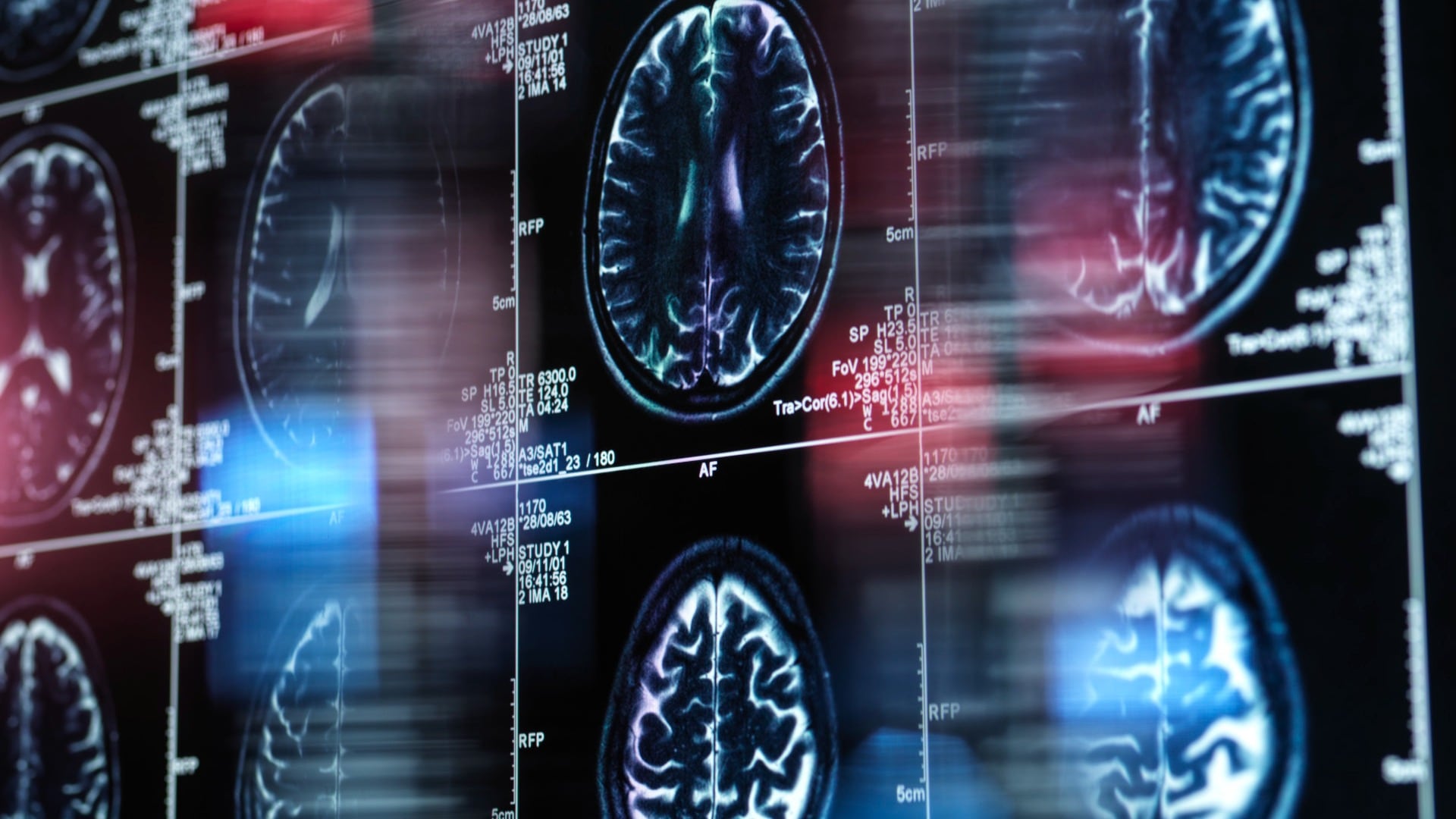
Dr. Joel Salinas, clinical assistant professor of neurology at NYU Langone Health and chief medical officer at Isaac Health, spoke with Cheddar News anchor Shannon LaNier about Alzheimer's disease and struggles to find an effective treatment.