How Holiday Shoppers Can Protect Their Information Against Cyberattacks
*By Tracey Cheek*
The holiday season is here again ー and as consumers buy and spend, more personal information is being exposed online.
The number and severity of cyberattacks are on the rise, and both consumers and businesses need protection. Shane Wall, chief technology officer at HP and global head of HP Labs sat down with Cheddar on Monday to discuss the state of cybersecurity heading into the new year.
“It continues to be dynamic,” said Wall on cyberattacks. “The number of attacks we’ve seen are accelerating. Keeping up with that continues to be a big challenge for us tech providers.”
Hackers are getting smarter, and attacks could come from a variety of sources, said Wall.
“It could be nation-state hackers, it could be individual hackers,” said Wall.
As for the motivations behind the attacks, he said they vary.
“We’ve seen a lot of extortion pieces that go on, or it could just be fame," he said. "They just want to be known.”
In this environment, consumers need to protect themselves, and that starts with selecting a secure device. “When you make a device choice, you’re making a security choice,” Wall told Cheddar. “So choose carefully the device that you use. Make sure you look underneath to make sure they actually have all the right security pieces in place."
He said consumers online should always make sure they are shopping at trusted websites, and advised against opening any emails that aren't from a known sender.
Tech giants have to get into the mind of a hacker to prevent attacks, especially at a moment when the nature of cyberattacks is constantly changing.
“Now we’re seeing very dynamic attacks that are actually using artificial intelligence and machine learning in order to find and probe capabilities," Wall said. “As a result, on our end, we need to turn to things like artificial intelligence and machine learning in order to combat the bad guys.”
For full interview [click here](https://cheddar.com/videos/hps-chief-technology-officer-on-the-state-of-cybersecurity).
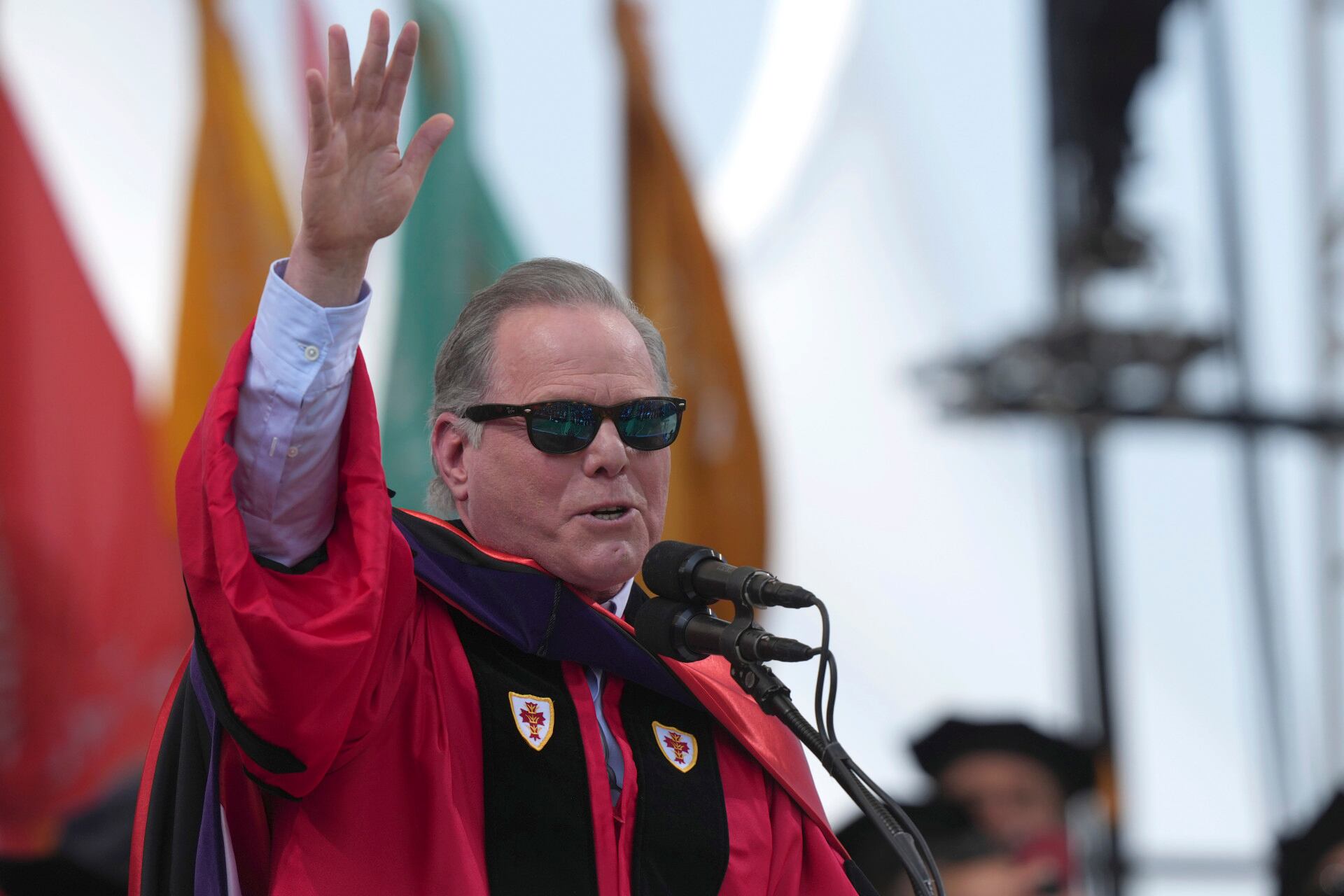
Scores of Boston University students turned their backs on the head of one of Hollywood's biggest studios, and some shouted “pay your writers,” as he gave the school's commencement address Sunday in a stadium where protesters supporting the Hollywood writers' strike picketed outside.
Gov. Ron DeSantis is asking that a federal judge be disqualified from the First Amendment lawsuit filed by Disney against the Florida governor and his appointees, claiming the jurist's prior statements in other cases have raised questions about his impartiality on the state's efforts to take over Disney World's governing body.
Ford CEO Jim Farley says the company will stop competing in over-served market segments and instead will place big bets on connected vehicles and digital services. The days of Ford being all things to all people are over, Farley said at the company's capital markets day event Monday.
The European Union slapped Meta with a record $1.3 billion privacy fine Monday and ordered it to stop transferring users personal information across the Atlantic by October, the latest salvo in a decadelong case sparked by U.S. cybersnooping fears.
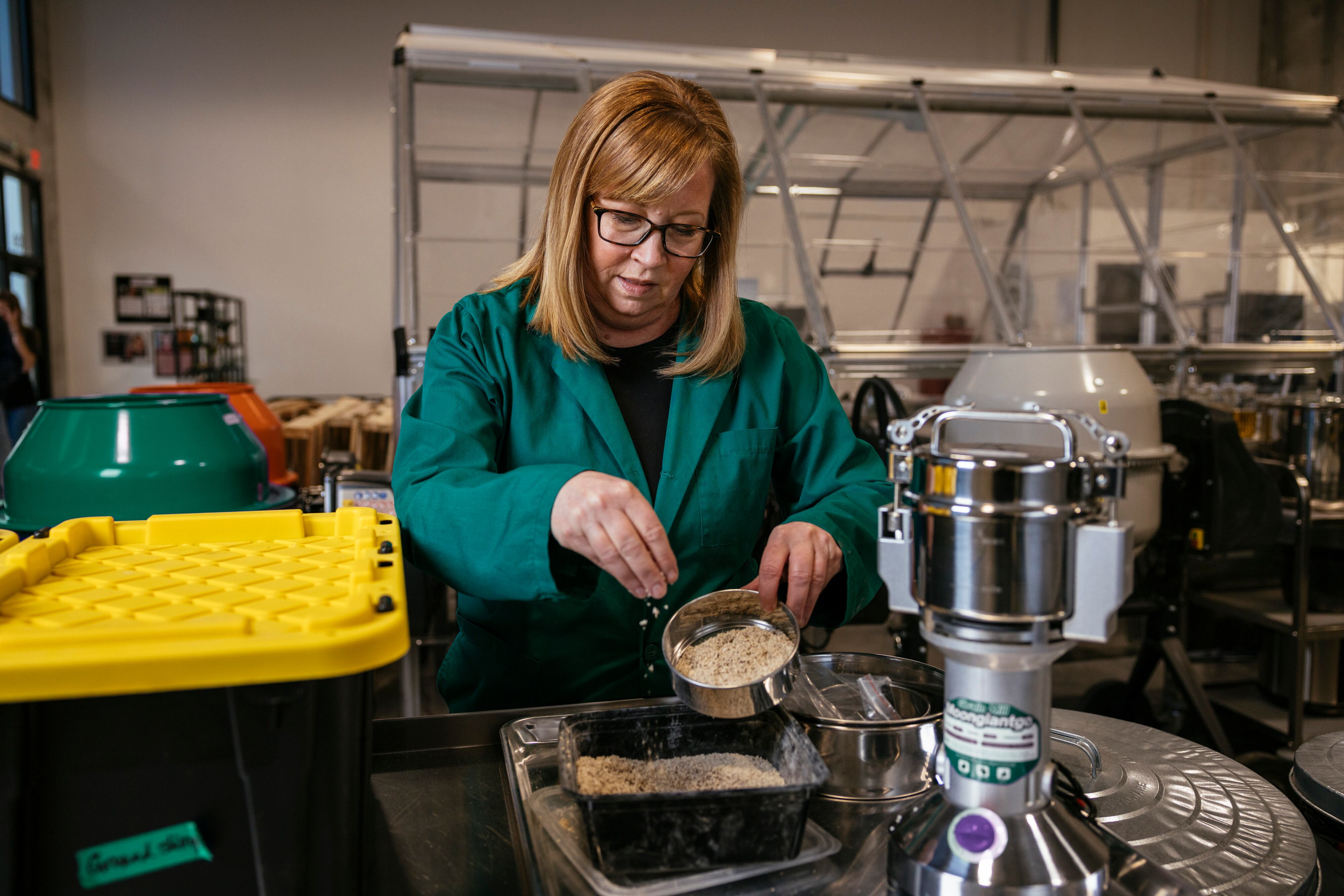
Joanne Rodriguez, founder and CEO of Mycocycle Inc., joined Cheddar News to discuss how her company uses mushrooms to decarbonize construction waste. "Mycocycle was started to address the waste mismanagement issue we have," she said. "Globally, we've got overflowing landfills that are creating human and environmental health issues."
The World Economic Forum recently released its future of jobs report and broke down what abilities employers are looking for. Julia Pollak, chief labor economist at ZipRecruiter, joined Cheddar News to discuss what top, in-demand job skills are needed in the rapidly-changing economy.
James Demmert, founder and chief investment officer of Main Street Research, joined Cheddar News to discuss market trends as investors digest mixed trading sessions with debt ceiling talks stalling.