For this week's keep reinventing segment brought to you by HP we are taking a look at a new bike share player in the space. Zagster recently closed a $15 million round of funding, which it plans to use to expand its dockless program to new cities. The company's CEO Timothy Ericson explains how he is taking a conservative approach to the expansion efforts.
"Right now we are really focusing on bring our bikeshare program Pace to communities who are willing to invest in bikesharing in the right way," says Ericson. "This allows riders to pick up and drop off bikes anywhere in the city."
Ericson says Zagster works directly with communities to roll out its program, and integrate it with the transit program. Zagster partners include Princeton University, City of Rochester, and Roanoke.
Lawmakers in several states are embracing legislation to let children work in more hazardous occupations, longer hours on school nights and in expanded roles including serving alcohol in bars and restaurants as young as 14.
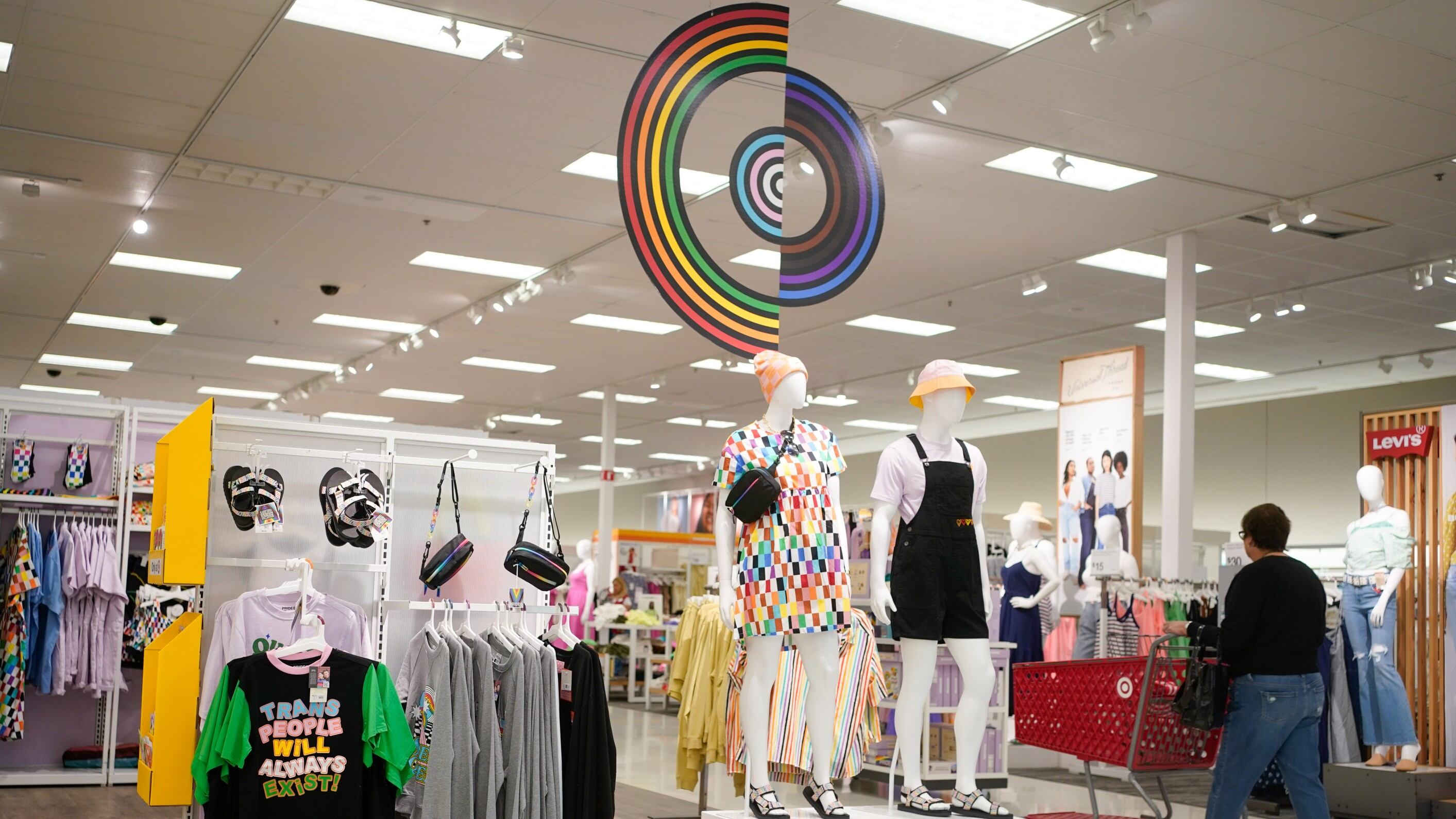
Target once distinguished itself as being boldly supportive of the LGBTQ+ community. Now that status is tarnished after it removed some LGBTQ+-themed products and relocated Pride Month displays to the back of stores in certain Southern locations in response to online complaints and in-store confrontations that it says threatened employees’ well-being.
With one of three major rating agencies warning that America’s AAA credit is at risk, the stakes are growing in the standoff in Washington over raising the nation's debt limit.
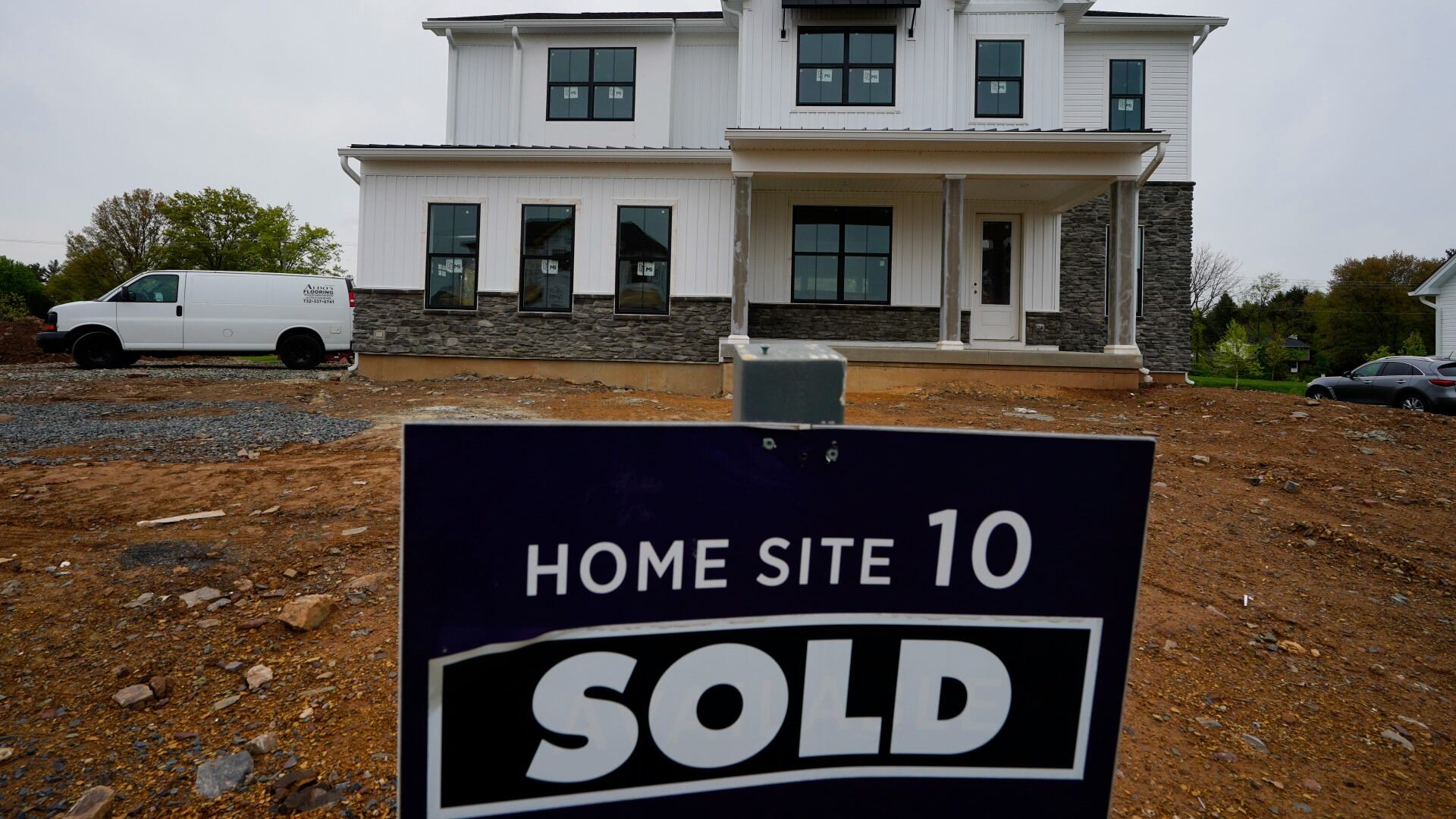
The average long-term U.S. mortgage rate rose this week to its highest level since mid March, driving up borrowing costs for prospective homebuyers facing a housing market that’s constrained by a dearth of homes for sale.
On this edition of Stretching Your Dollar, Corey William Schneider talks about how he made exploring the city a full-time job by founding the New York Adventure Club.
Facebook owner Meta on Wednesday cut positions across its business and operations teams in the final round of layoffs that were first announced in March.
The U.S. economy grew at a lackluster 1.3% annual rate from January through March as businesses wary of an economic slowdown trimmed their inventories, the government said Thursday, a slight upgrade from its initial estimate.