How Udacity is Tackling Fierce Competition for Self-Driving Tech Talent
Udacity recently announced it is accepting applications for a flying car nanodegree program. David Silver, Head of Self-Driving Cars at the company, explains how Udacity's programs are tackling the fierce competition for talent in this space.
"We have an entire school of autonomy that teaches students how to build self-driving cars, how to work on flying cars, how to work on robotics," says Silver.
Silver says about 5 percent of Udacity students come from China. Udacity is now partnering with Baidu to teach their open-source technology stack "Apollo" for self-driving cars. "What we are hoping to do is to teach students around the world to leverage open-source technology to leverage self-driving cars," says Silver.
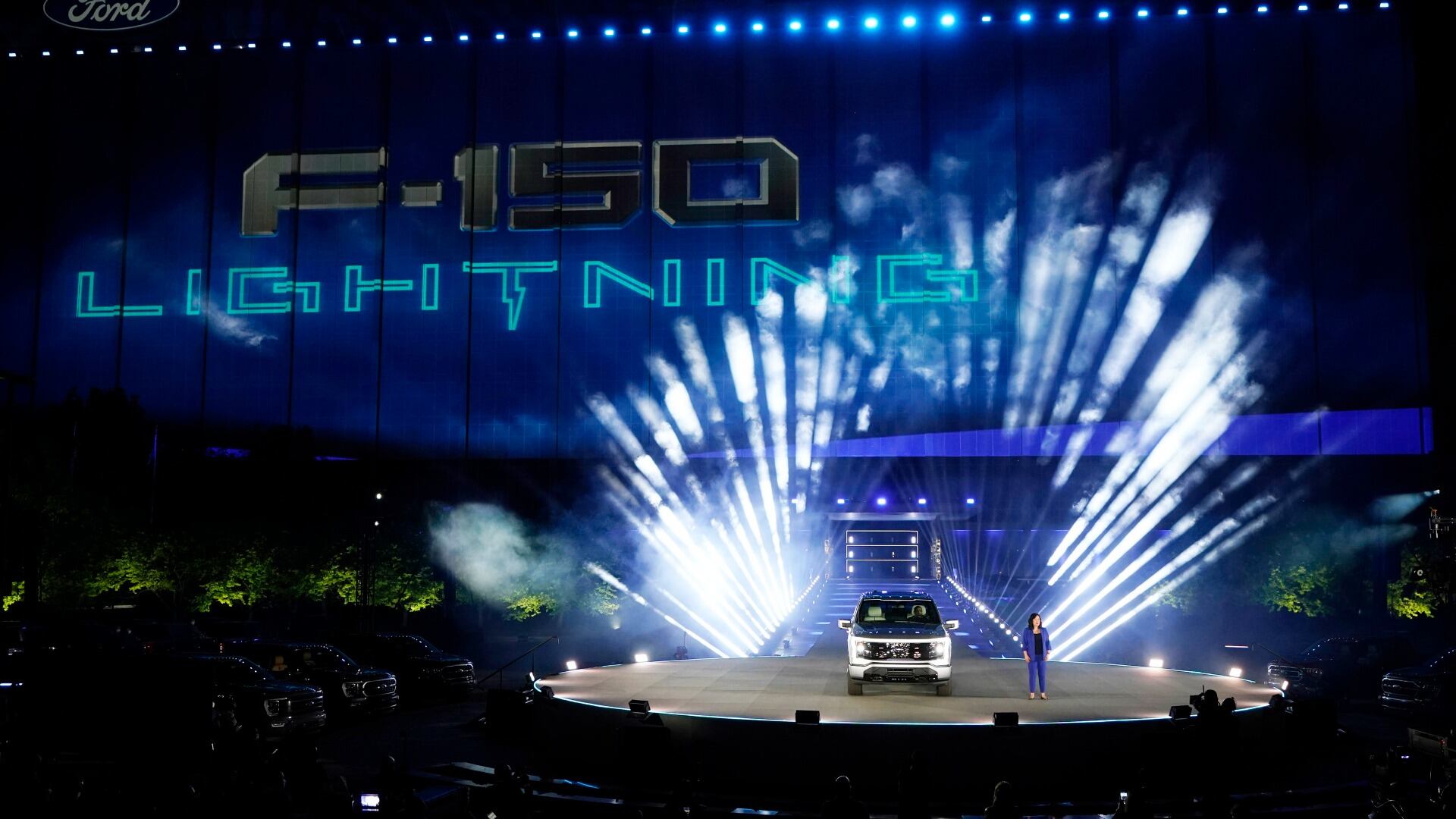
Ford's business will gradually transition from its internal combustion vehicles to battery electric vehicles, but combustion vehicles will continue to grow for the next few years, CFO John Lawler told Cheddar News.
The U.S. Department of Health and Human Services has released a plan to overhaul the nation's organ transplant system, which has long been plagued by sometimes lethal delays and IT failures.
Web browser Mozilla is investing $30 million into launching a startup, called Mozilla.ai, focused on building a "trustworthy, independent, and open-source AI ecosystem."
Lawmakers grilled TikTok CEO Shou Zi Chew on Thursday in a high-stakes hearing on the future of the popular, Chinese-owned video sharing platform in the U.S.