How Udacity is Tackling Fierce Competition for Self-Driving Tech Talent
Udacity recently announced it is accepting applications for a flying car nanodegree program. David Silver, Head of Self-Driving Cars at the company, explains how Udacity's programs are tackling the fierce competition for talent in this space.
"We have an entire school of autonomy that teaches students how to build self-driving cars, how to work on flying cars, how to work on robotics," says Silver.
Silver says about 5 percent of Udacity students come from China. Udacity is now partnering with Baidu to teach their open-source technology stack "Apollo" for self-driving cars. "What we are hoping to do is to teach students around the world to leverage open-source technology to leverage self-driving cars," says Silver.
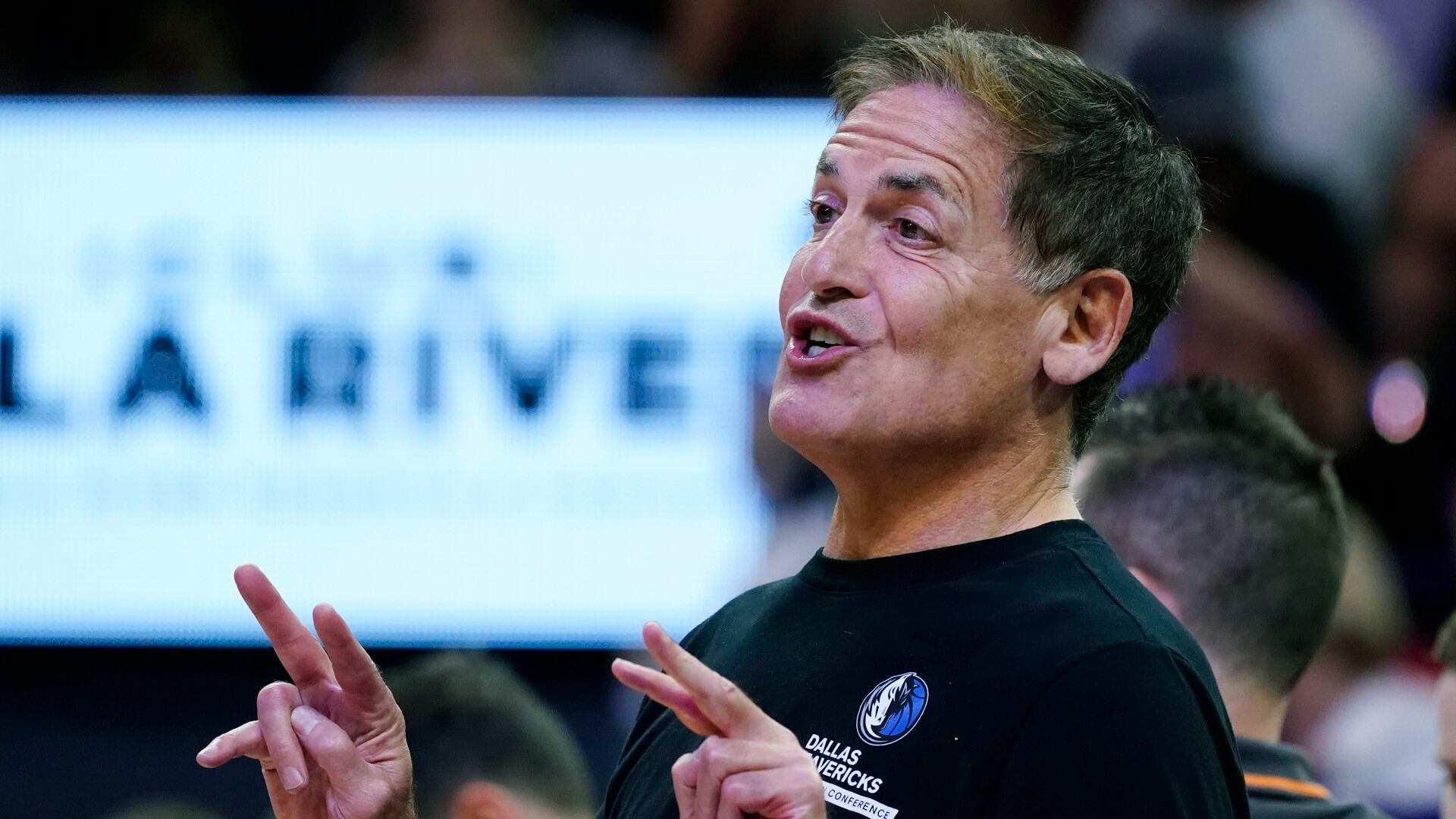
San Francisco-based technology startup Illumix just closed a $18 million Series A round of funding, and in a rare move for the Shark Tank star, Mark Cuban contributed.
Neuralink, Elon Musk's brain implant venture, is reaching out to major U.S. neurosurgery centers to potentially begin testing its devices on humans, according to a Reuters report.
A Minnesota utility began shutting down a nuclear power plant near Minneapolis on Friday after discovering water containing a low level of radioactive material was leaking from a pipe for the second time. While the utility and health officials say it is not dangerous, the issue has prompted concerns among nearby residents and raised questions about aging pipelines.