How Udacity is Tackling Fierce Competition for Self-Driving Tech Talent
Udacity recently announced it is accepting applications for a flying car nanodegree program. David Silver, Head of Self-Driving Cars at the company, explains how Udacity's programs are tackling the fierce competition for talent in this space.
"We have an entire school of autonomy that teaches students how to build self-driving cars, how to work on flying cars, how to work on robotics," says Silver.
Silver says about 5 percent of Udacity students come from China. Udacity is now partnering with Baidu to teach their open-source technology stack "Apollo" for self-driving cars. "What we are hoping to do is to teach students around the world to leverage open-source technology to leverage self-driving cars," says Silver.
Hidden inside the foundation of popular artificial intelligence image-generators are thousands of images of child sexual abuse, according to a new report that urges companies to take action to address a harmful flaw in the technology they built.
Rite Aid has been banned from using facial recognition technology for five years over allegations that a surveillance system it used incorrectly identified potential shoplifters, especially Black, Latino, Asian or female shoppers.
Hackers accessed Xfinity customers’ personal information by exploiting a vulnerability in software used by the company, the Comcast-owned telecommunications business announced this week.
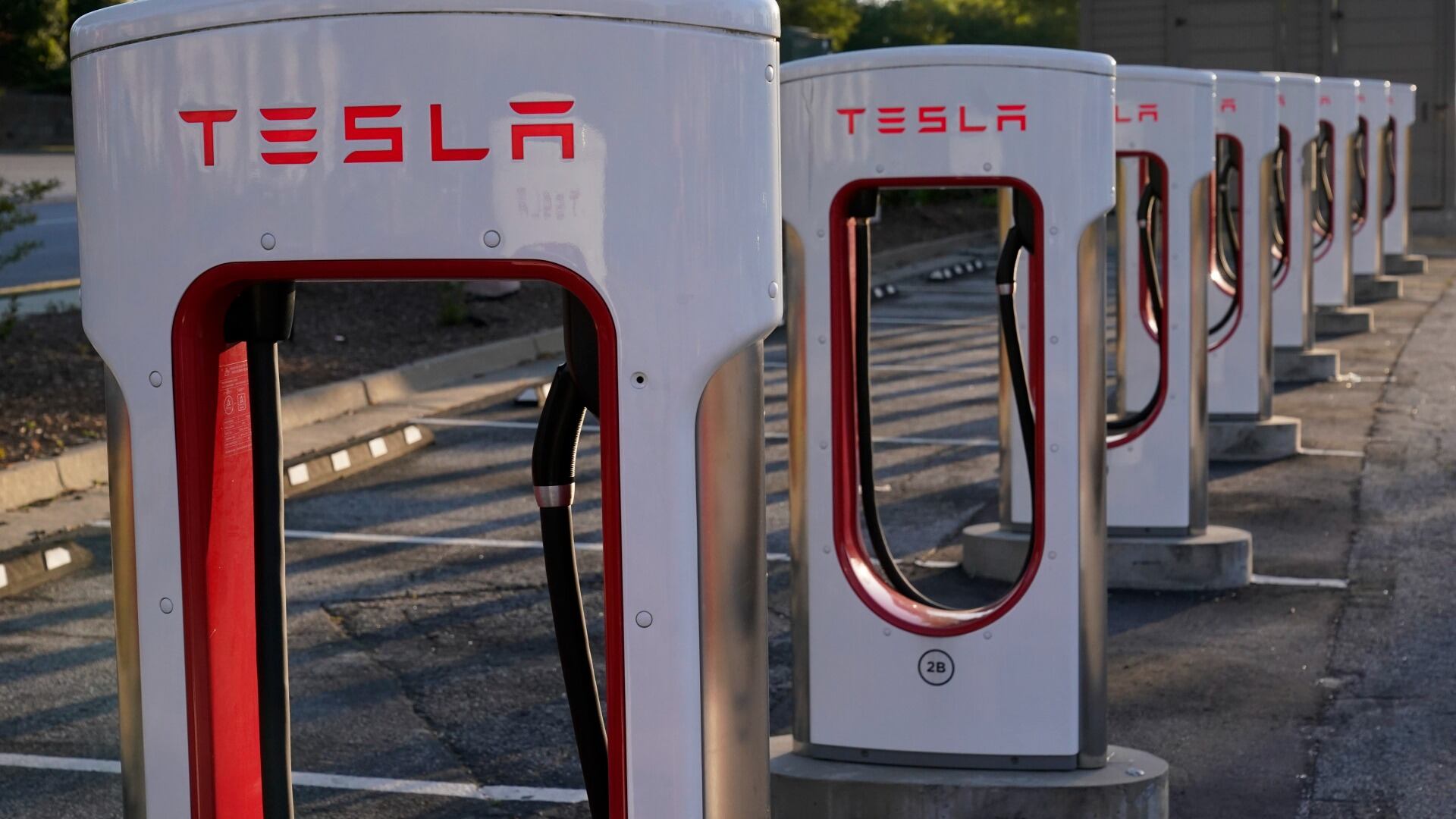
The White House is lending its support to an auto industry effort to standardize Tesla’s electric vehicle charging plugs for all EVs in the United States.