How Uber's Self-Driving Program Differs from Waymo's
Uber’s fatal autonomous car crash is a direct result of how it has been running its self-driving project. That’s according to Alex Roy, Founder of The Human Driving Association, who says the ride-hailing company’s approach is in stark contrast to one of its rivals.
“There’s a lot of indication that Waymo’s doing this correctly. They’re taking their time, it’s a slow and steady approach,” Roy explained, citing the fact that Waymo has so far racked up about 4 million miles of testing while Uber has half of that in the books.
Meanwhile, “there’s every indication...that Uber has an existential need to get self-driving cars on the road because drivers cost so much.”
Uber faced major backlash this week after one of its driverless cars struck and killed a pedestrian in Tempe, Ariz., Sunday.
It is the first known fatality by an autonomous vehicle and raises questions about the future of self-driving auto industry overall.
On Thursday, Tempe police released video footage from the car’s cameras to show exactly what happened. The local police and the National Transportation Safety Board are still investigating who is to blame, but earlier in the week Tempe police said Uber will “likely not be at fault.”
“There are methods of testing self-driving vehicles, they are just going to be more tedious...that’s going to take a lot more time,” said Roy, pointing out that companies can test in closed environments and by using computer simulation instead.
“It’s not a coincidence that it’s Uber who had this crash.”
On Friday, a [New York Times report](https://www.nytimes.com/2018/03/23/technology/uber-self-driving-cars-arizona.html) uncovered that even before the crash, Uber's autonomous vehicle unit was struggling to meet internal expectations and required more human intervention than its rivals.
For the full interview, [click here](https://cheddar.com/videos/the-dangers-of-self-driving-tech).
Stepping up a feud with Washington over technology and security, China's government on Sunday told users of computer equipment deemed sensitive to stop buying products from the biggest U.S. memory chipmaker, Micron Technology Inc.
Stocks are moving tentatively Monday, as Wall Street waits to see whether a pivotal meeting in the afternoon will help the U.S. government avoid a potentially disastrous default on its debt.
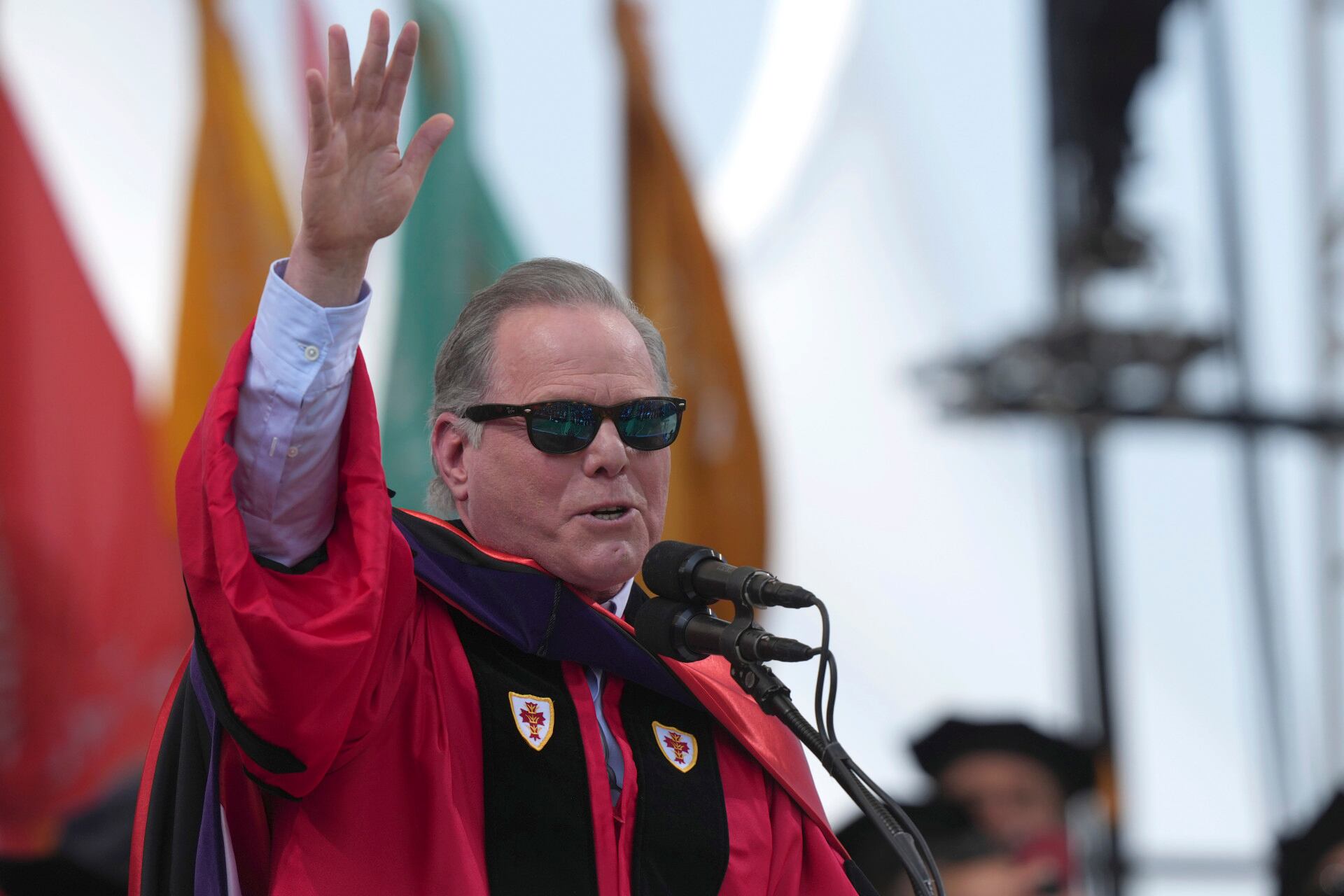
Scores of Boston University students turned their backs on the head of one of Hollywood's biggest studios, and some shouted “pay your writers,” as he gave the school's commencement address Sunday in a stadium where protesters supporting the Hollywood writers' strike picketed outside.
Gov. Ron DeSantis is asking that a federal judge be disqualified from the First Amendment lawsuit filed by Disney against the Florida governor and his appointees, claiming the jurist's prior statements in other cases have raised questions about his impartiality on the state's efforts to take over Disney World's governing body.
Ford CEO Jim Farley says the company will stop competing in over-served market segments and instead will place big bets on connected vehicles and digital services. The days of Ford being all things to all people are over, Farley said at the company's capital markets day event Monday.
The European Union slapped Meta with a record $1.3 billion privacy fine Monday and ordered it to stop transferring users personal information across the Atlantic by October, the latest salvo in a decadelong case sparked by U.S. cybersnooping fears.
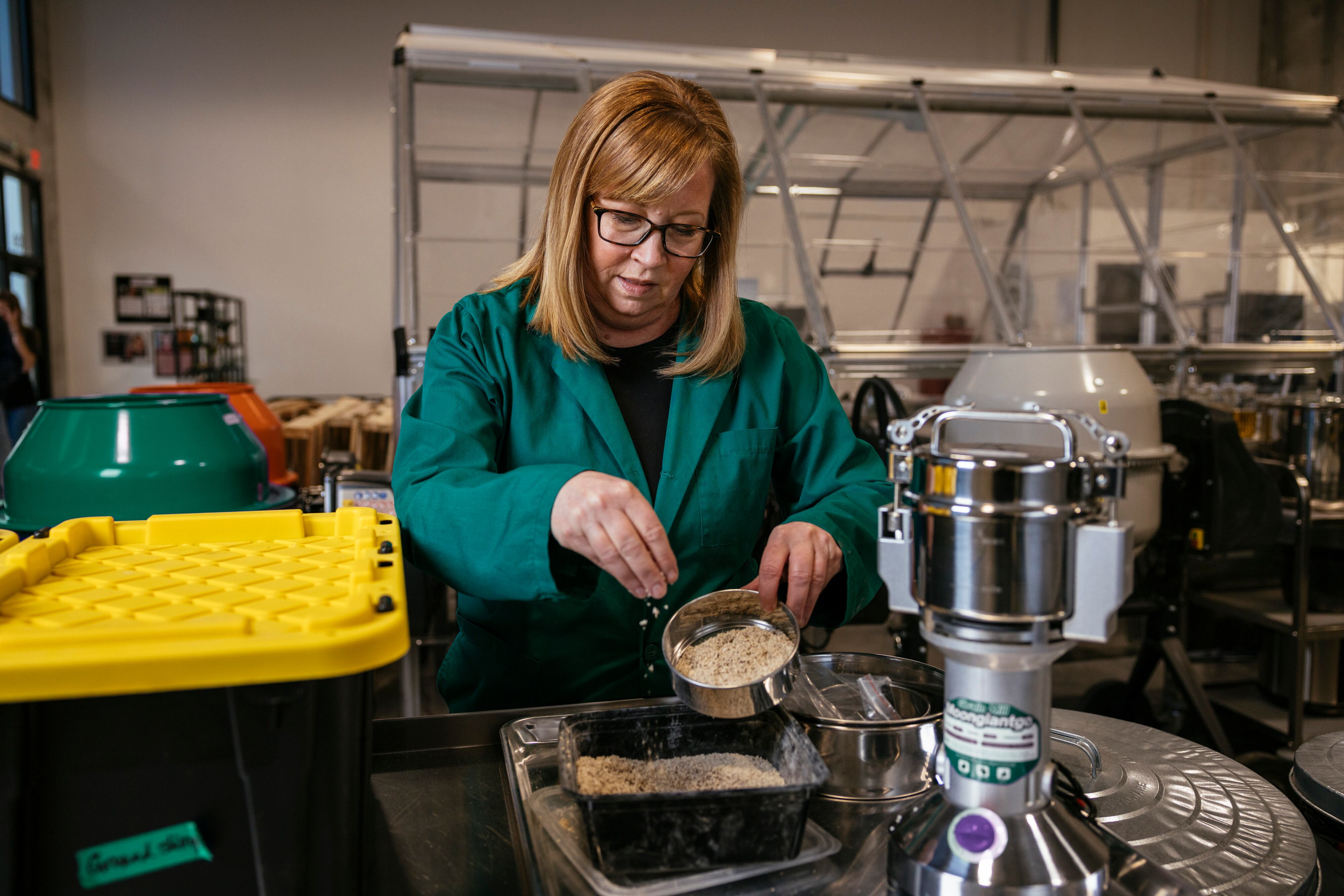
Joanne Rodriguez, founder and CEO of Mycocycle Inc., joined Cheddar News to discuss how her company uses mushrooms to decarbonize construction waste. "Mycocycle was started to address the waste mismanagement issue we have," she said. "Globally, we've got overflowing landfills that are creating human and environmental health issues."
The World Economic Forum recently released its future of jobs report and broke down what abilities employers are looking for. Julia Pollak, chief labor economist at ZipRecruiter, joined Cheddar News to discuss what top, in-demand job skills are needed in the rapidly-changing economy.