How to Build a Financial First-Aid Kit for Disasters
*By Carlo Versano*
The wildfires in California have demonstrated, among other things, just how quickly a natural disaster can upend your life. Unlike most hurricanes, which are relatively predictable and slow-moving enough for days of preparation, wildfires can ignite out of nowhere ー and they're no longer confined to "fire season" in the parched west. Residents of Paradise, Calif., a town destroyed by the Camp Fire last week, did not even receive evacuation orders until they smelled the smoke. For dozens of them, it was too late.
But the tragedy can serve as a reminder of the importance of financial readiness, said Tony Steuer, author of the financial preparedness guidebook "Get Ready." In that book, he argues that everyone should have a "get ready kit" that they can take with them if they're forced to evacuate ーa resource that can also help the friends and family left behind in the event of a worst case scenario.
Here are his tips to Cheddar for starting a financial first-aid kit:
1. Buy a binder. It's old school, but it still works. Put all your relevant financial documents in it.
2. List your assets, home, and real estate holdings.
3. Organize your retirement plans, debts, personal loans, living expenses, and taxes.
4. Document important information for your heirs. Don't assume they already know it.
5. Assemble an insurance portfolio that includes mandatory plans, like car insurance, and any other coverage you have. If you rent, don't sleep on getting renters insurance. It's cheap and will cover you when your landlord's coverage won't (and it won't).
6. Evaluate your financial readiness. Make regular check ups, and do an overhaul after any major life event ー like marriage or the birth of any children.
"The best first-aid kit is the one that you have with you," Steuer said.
That goes for financial first aid, too.
For full interview [click here](https://cheddar.com/videos/how-to-prepare-your-financial-first-aid-kit-before-disaster-strikes).
Spoiler alert: And Just Like That... Peloton fired back. Over the weekend, the fitness giant posted a video featuring a character from the new 'Sex and the City' reboot, 'And Just Like That,' who had supposedly died following the use of a Peloton bike. Following the show's premiere last week, Peloton actually saw a drop in shares as a result of the character death. Mark Lehmann, CEO at JMP Securities, discusses why the character death may not have been such a marketing nightmare for Peloton after all.
Gabe Pincus, president of the investment advisor GA Pincus Funds, joined Wake Up With Cheddar to break down what's happening with meme stocks, as retail trader favorites AMC, GameStop, and Bed Bath & Beyond all moved sharply lower on Monday. He noted that even with the drop there is still room for the meme stocks to tumble even more. "They're still up 500 percent, 800 percent, 900 percent from their all-time lows, so there's plenty more room for them to go down," said Pincus.
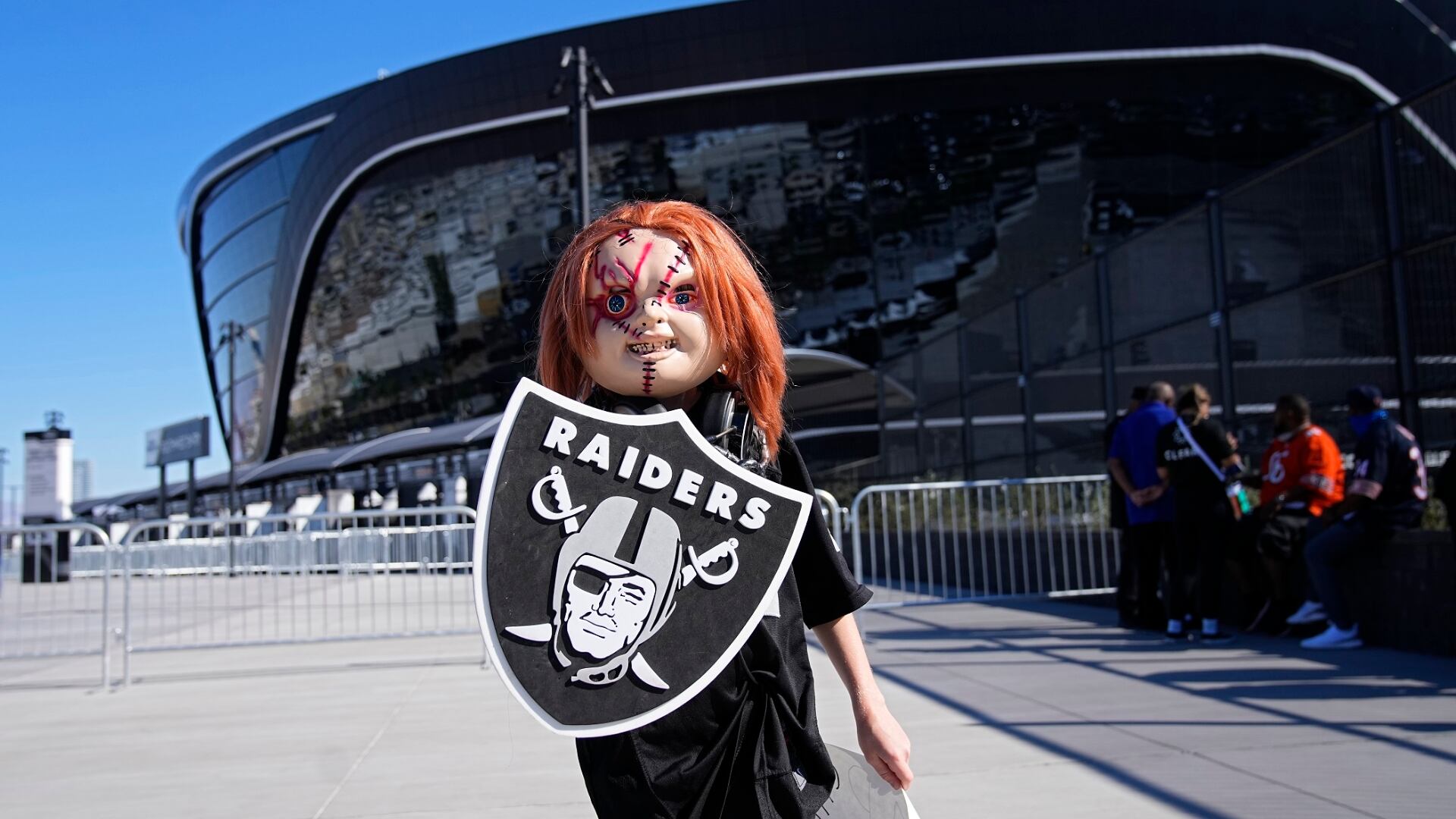
Allegiant Stadium in Las Vegas is slated to be the home of Super Bowl LVIII in 2024. The stadium was completed in July 2020 for a price tag of $1.8 billion.
Cheddar is looking back at the 12 biggest buzzwords of the year leading up to Christmas. Today's word of the day, 'Yolo Trade.' Yolo Trade: (noun) derived from the acronym 'You Only Live Once.' Describes a trade where someone goes all in on a stock.
While people have been spending more time on their phones throughout the pandemic, a new report shows they were also spending more money as well. A review from Sensor Tower on the global app ecosystem this year found that the app economy will see record consumer spending in 2021, up nearly 20% from 2020. Sensor Tower director of sales and financial institutions Anthony Bartolacci joins Cheddar News' Closing Bell to break down the report.