Would it surprise you to know that some of the most popular go-to cleaning supplies all derived from a soap that was launched in the late 1800s?
Proctor and Gamble first created its iconic Ivory soap in 1879 and has since created a number of products that people rely on everyday. That first bar of soap was created for use on human skin. A short time after its success, Proctor and Gamble began creating new formulas from the Ivory derivative.
Some of the formulas, which ended up being performance failures due to either a lack of effective cleaning or residue buildup, included Dreft and Dash soaps. Tide ultimately replaced both of those options as the superior detergent in 1946.
While the original Tide formula was designed for clothes and dishes, it actually was more suitable for handwashing.
Then, in 1955 when the dishwasher became a prominent household item, Proctor and Gamble went back to their Ivory soap formula to create a new one called Cascade. It has since gone through several changes for optimal dishwashing.
Amanda Chu of POLITICO reveals how lawmakers are betting millions on pharma stocks even as Trump threatens tariffs and demands steep drug price cuts. Watch!
Hayley Berg, Hopper’s lead economist, previews soaring summer 2025 travel: record international flights, cheaper fares for Europe & Asia, plus booking hacks.
NerdWallet Senior Economist Liz Renter shares what she's tracking in economic data, with a focus on U.S. household debt and rising credit card balances. Watch!
Chris Versace, CIO at Tematica Research, joins to discuss earnings season trends, Flash PMI signals, Walmart’s strategy updates, and Nike’s evolving outlook.
Andrew Nusca, Editorial Director at Fortune, dives into WhatsApp’s first-ever ads rollout —and how Meta’s ad push intensifies its showdown with OpenAI.
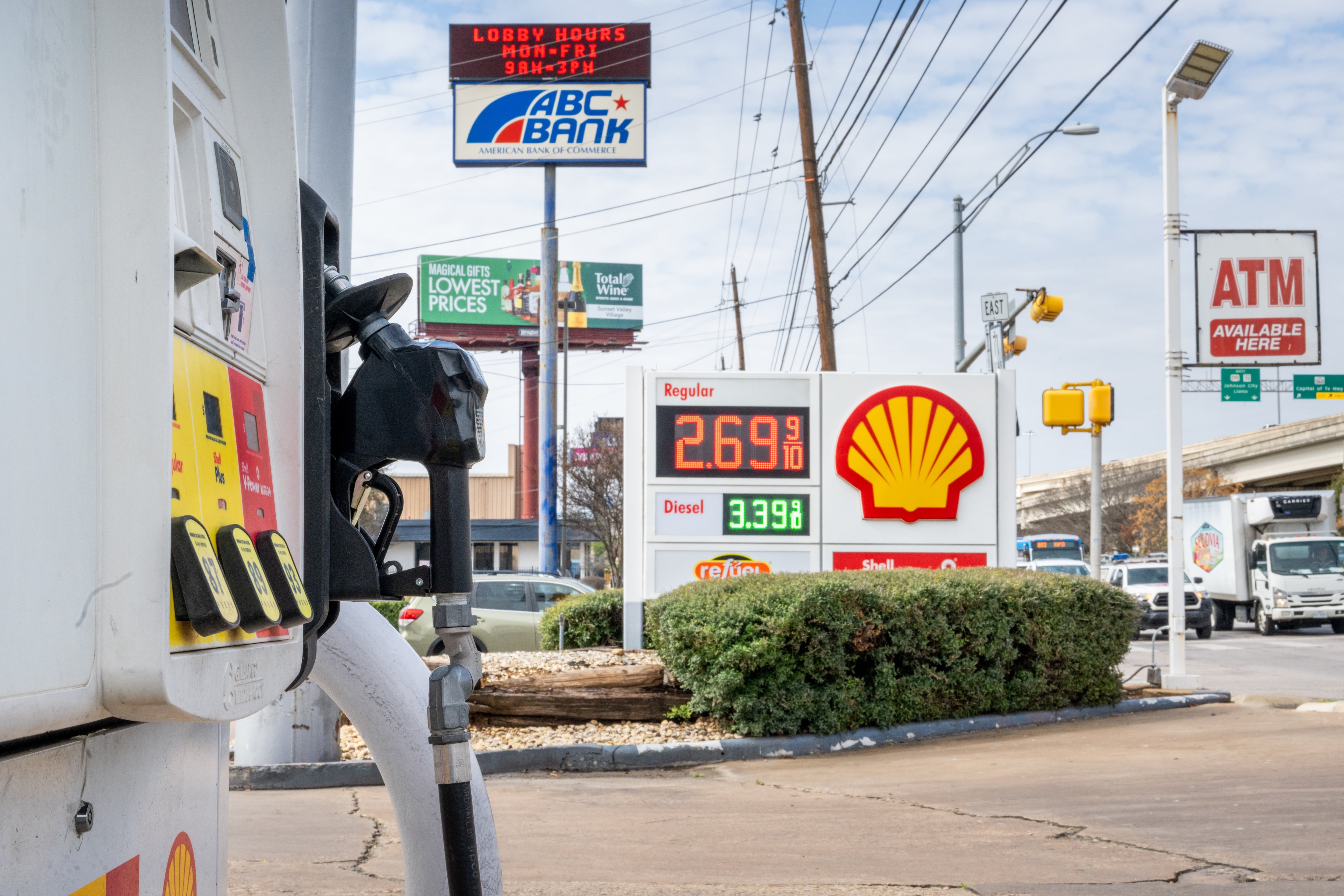
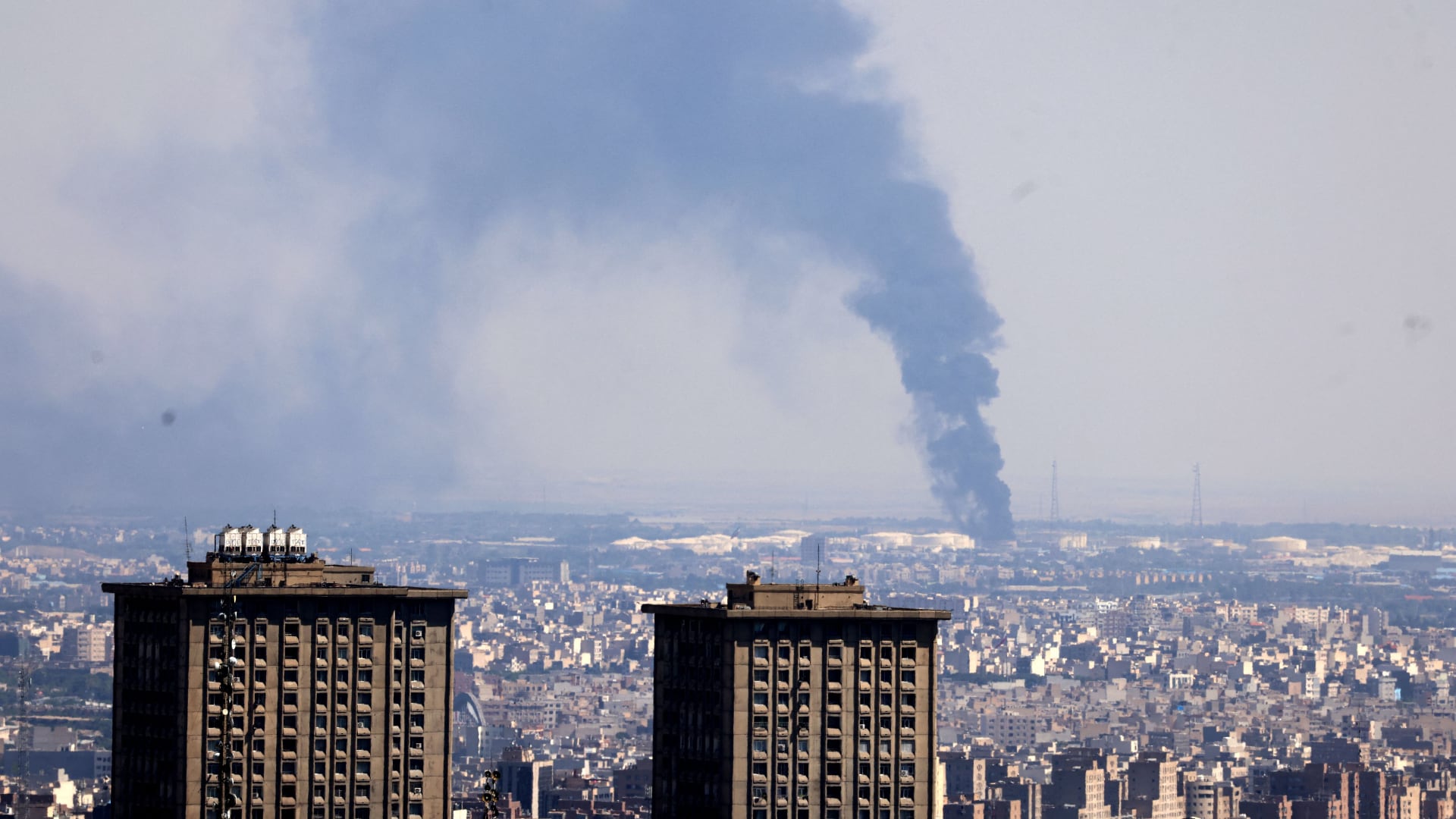
Ben Geman, Energy Reporter at Axios, joins to discuss the latest Middle East tensions, Brent crude price swings, and why gas prices aren’t falling with oil.
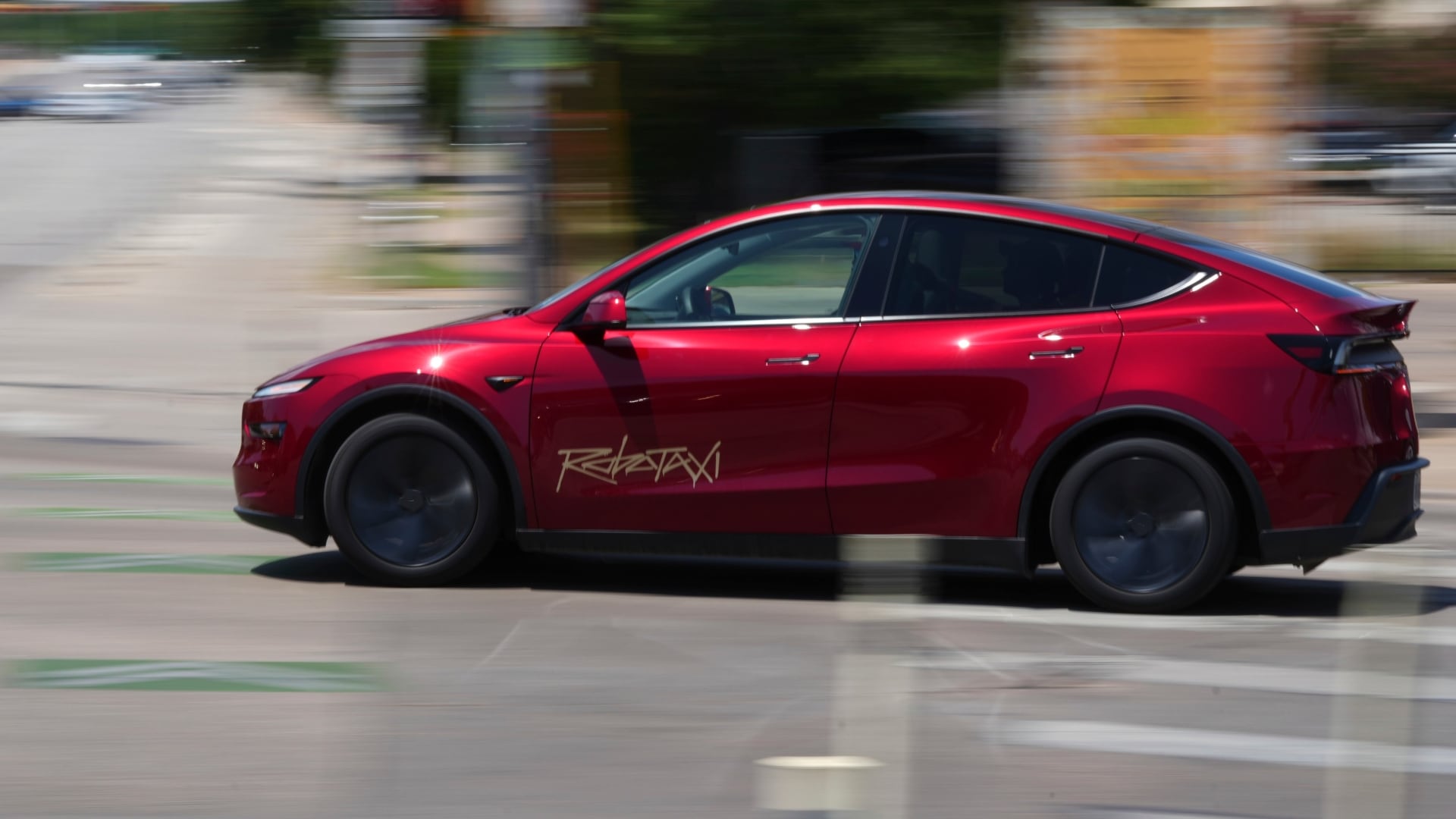
Al Root, Associate Editor at Barron's, joins to discuss Tesla’s robotaxis going live in Texas—what it means for autonomy, safety, and the EV race ahead.