This week Mitipi launched a Kickstarter campaign for its virtual roommate device "Kevin." In just 19 hours the company met its goal of $50,000 in funding. Mitipi's Founder and CEO Julian Stylianou explains why he thinks this device will reinvent smart home technology, and security.
"We have a new angle, we are doing smart security differently than anybody else," said Stylianou. He explains this product leverages audio and light effects to deter burglars from entering homes.
Stylianou says he hopes to bring this product to consumers in late 2018, and it will cost around $300-$400.
Credit Karma, one of the biggest personal finance content sites, is launching its first banking product: Credit Karma Savings.
These are the headlines you Need 2 Know for Thursday, October 3, 2019.
These are the headlines you Need 2 Know for Wednesday, October 2, 2019.
Fact or fiction: Personal branding is only important for entrepreneurs. Brian Fanzo, founder of iSocialFanz, breaks down this online marketing myth and explains why employees should make up a large portion of your company's footprint.
SpaceX, over the weekend, unveiled its new prototype spaceship: Starship. The ship is set to be the most powerful rocket in the world and is the latest development in the company's decades-long pursuit to facilitate interplanetary travel.
From Wall Street to Silicon Valley, these are the top stories that moved markets and had investors, business leaders, and entrepreneurs talking this week on Cheddar.*
Now people in New York City, Panama City, Florida, and Boise, Idaho can hook up to the next generation wireless network. This brings the total number of Verizon’s 5G-capable cities to 13.
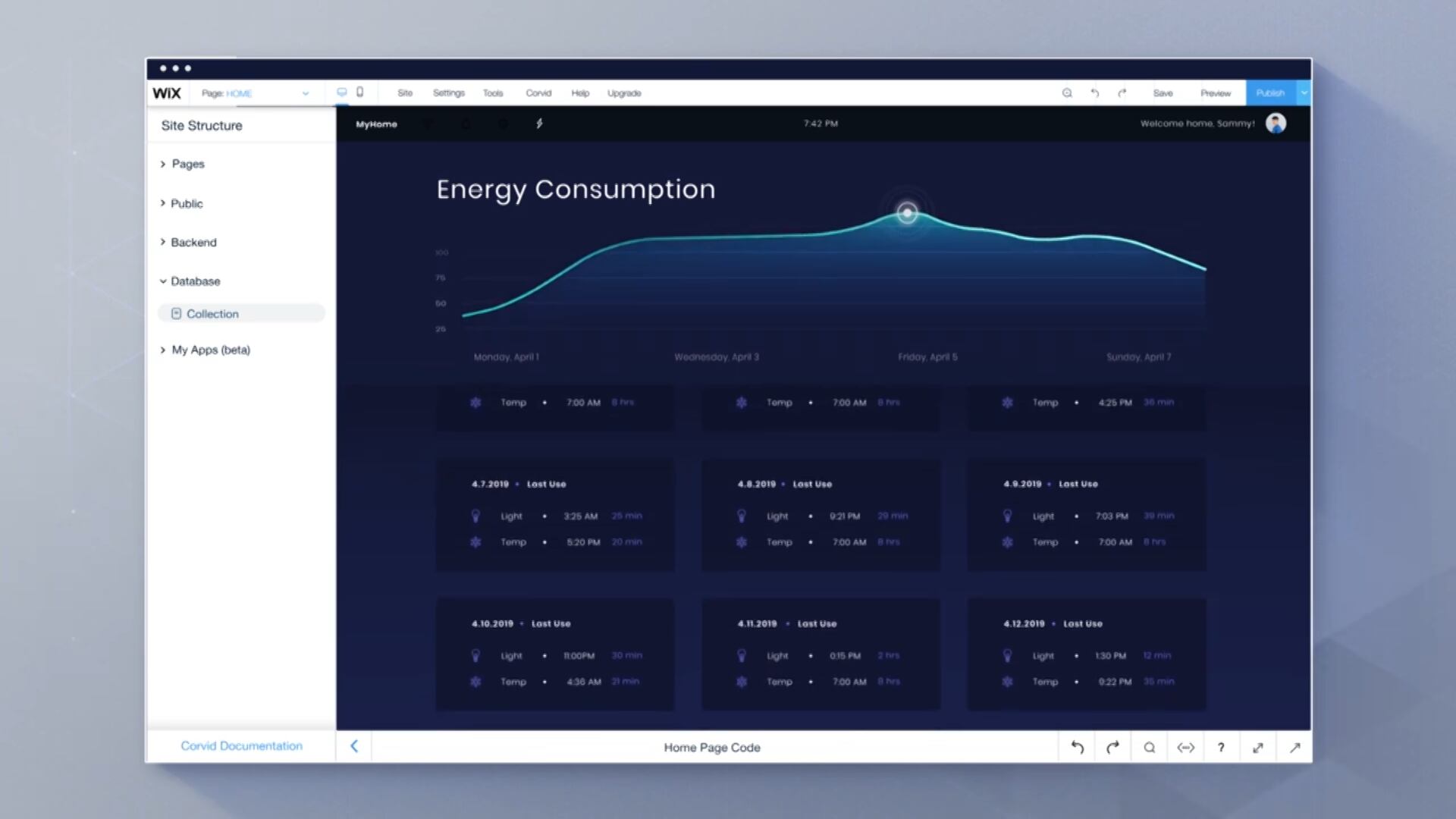
Cheddar breaks down the benefits of Corvid, a Wix tool that business owners can use to further customize their sites.
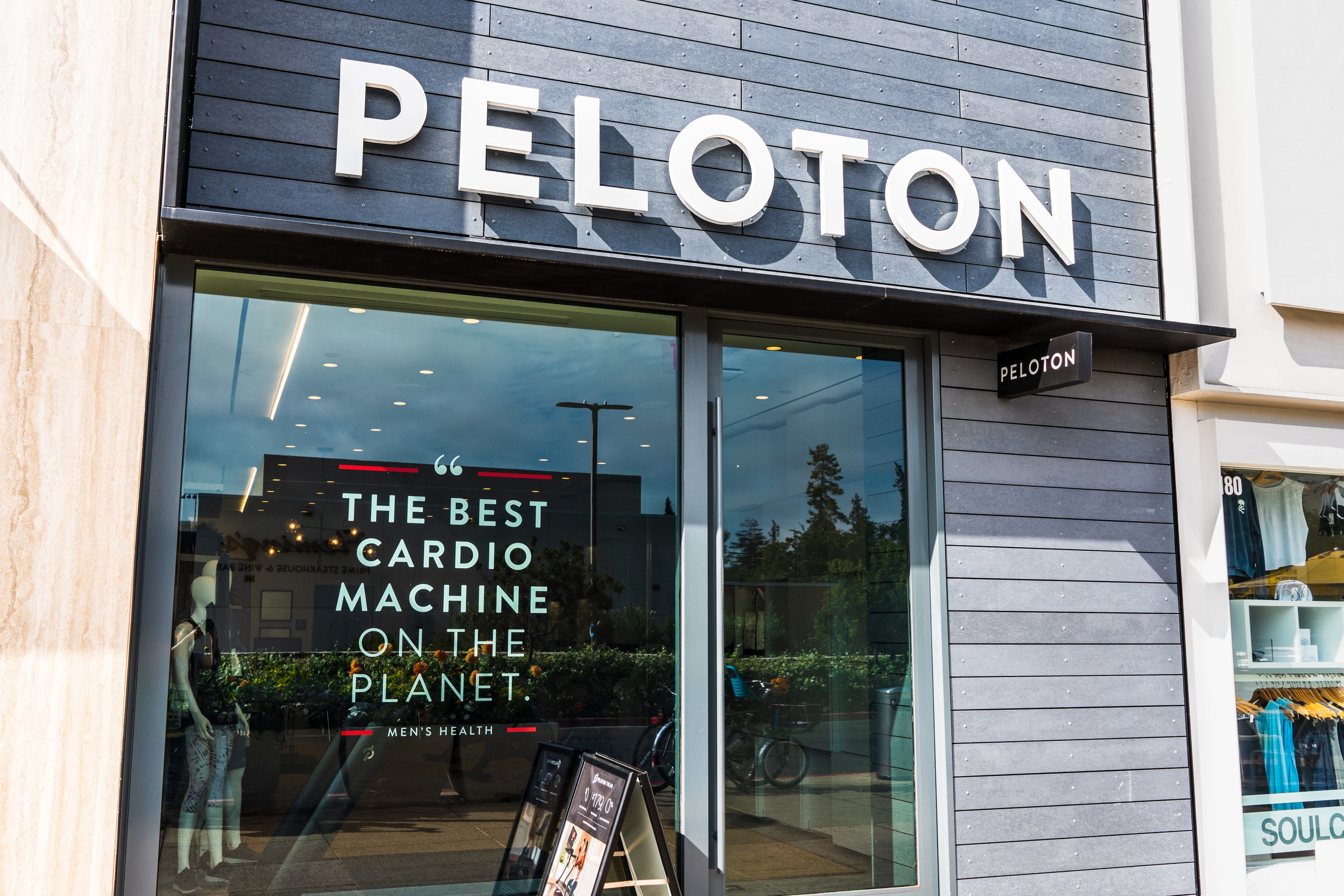
Peloton priced shares at $29 after the bell Wednesday, valuing the company at $8.06 billion as it prepares to make its public debut Thursday. That's at the high end of the original $26 to $29 price range Peloton was targeting. The company raised $1.16 billion in the offering.
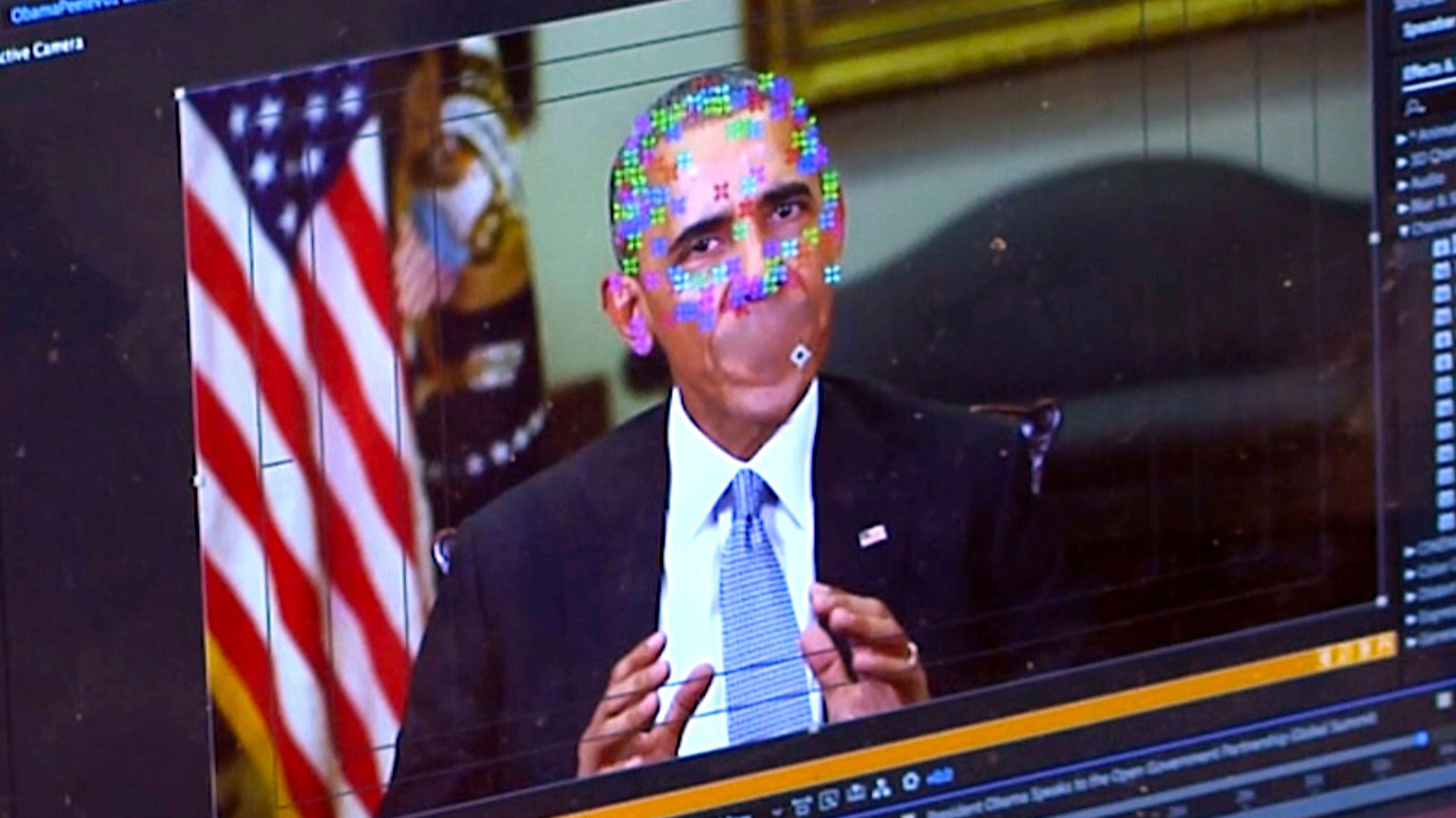
As pressure mounts to detect and combat the spread of deepfakes, startups like Canny AI are embracing the technology and attempting to commercialize it.