*By Conor White*
As if digitally organizing the wardrobes of hundreds of thousands of people wasn't enough, Finery is answering the demands of its users by providing added features to its fashion app and website.
"This is so typical of an unbelievable, strong, millennial woman," said the Finery co-founder and CEO Whitney Casey. "She's like, 'Great, I want my wardrobe on my phone. Thanks for doing that. And, can you also give me a whole outfit and how to wear it?'"
The new Finery features, which launched Tuesday, are a response to customers' requests for personalized fashion recommendations, recommendations for outfits based on the weather, and visualizations to give customers style inspiration based on what they already have in their closets.
To do all of this, all Finery needs is one photo of a piece of clothing, Casey said in an interview Tuesday with Cheddar.
"We take that image, and scan it for the most important colors, how many pixels of each color, if there's a print, we can even know down to if it's a silk, or if it's a linen, or it's velvet, that's how advanced computer vision is getting," she said. "Then we take that same knowledge, scan multiple images all through Instagram to try to find a dress that looks like this."
Since the company was founded in 2016, Finery's free service has only been for women, but Casey said it won't be difficult to start helping men, when the time comes.
"Once we nail women, and get all of that styling, and really learn the A.I. on what women are liking and what women are not liking with the product, men, I'm sorry to say it, but you're just going to be so easy to dress," she said.
For full interview, [click here](https://cheddar.com/videos/finery-founder-talks-app-updates).
Angelo Zino, Senior Industry Analyst & Vice President at CFRA Research, breaks down the tech giants' valuation milestone and discusses the areas of Apple's business that could see further growth.
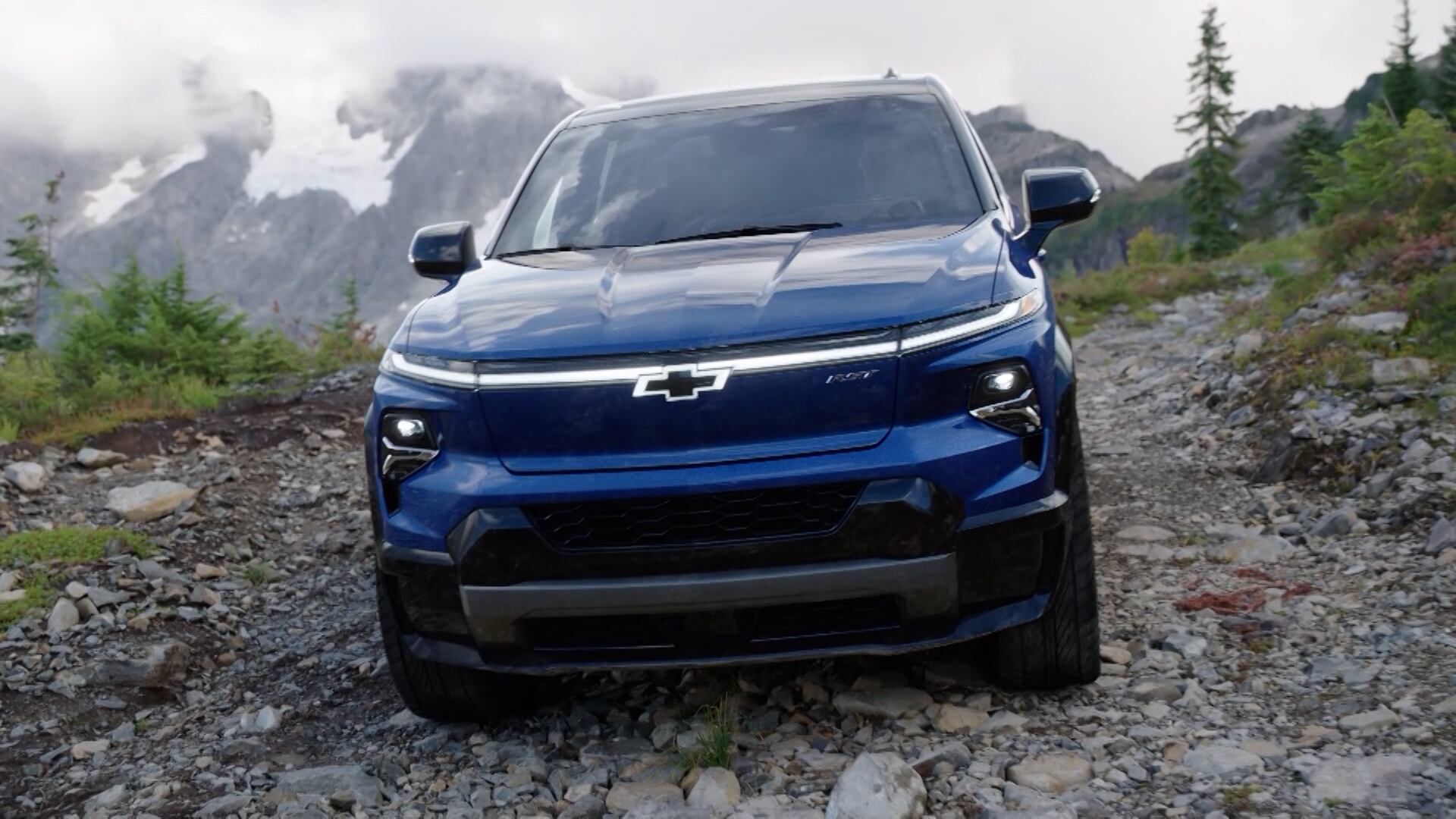
General Motors rolled out the newest addition to its EV fleet with the all-electric Silverado pickup truck. Deborah Wahl, chief marketing officer at GM, joined Cheddar to talk about the latest EV offering and how it matches up to its past gas-powered versions. She said she expects demand to soar after the "first-level truck" sold out in just 12 minutes and talked about steps GM plans to take to regain its title as top U.S. auto seller after being dethroned by Toyota in 2021 with emphasis on the EV market. "I think this is an exciting new inflection point for the market overall, for [an] idea of an all-electric future, and certainly shows that we're extremely committed to the idea of everybody in an electric vehicle," said Wahl.
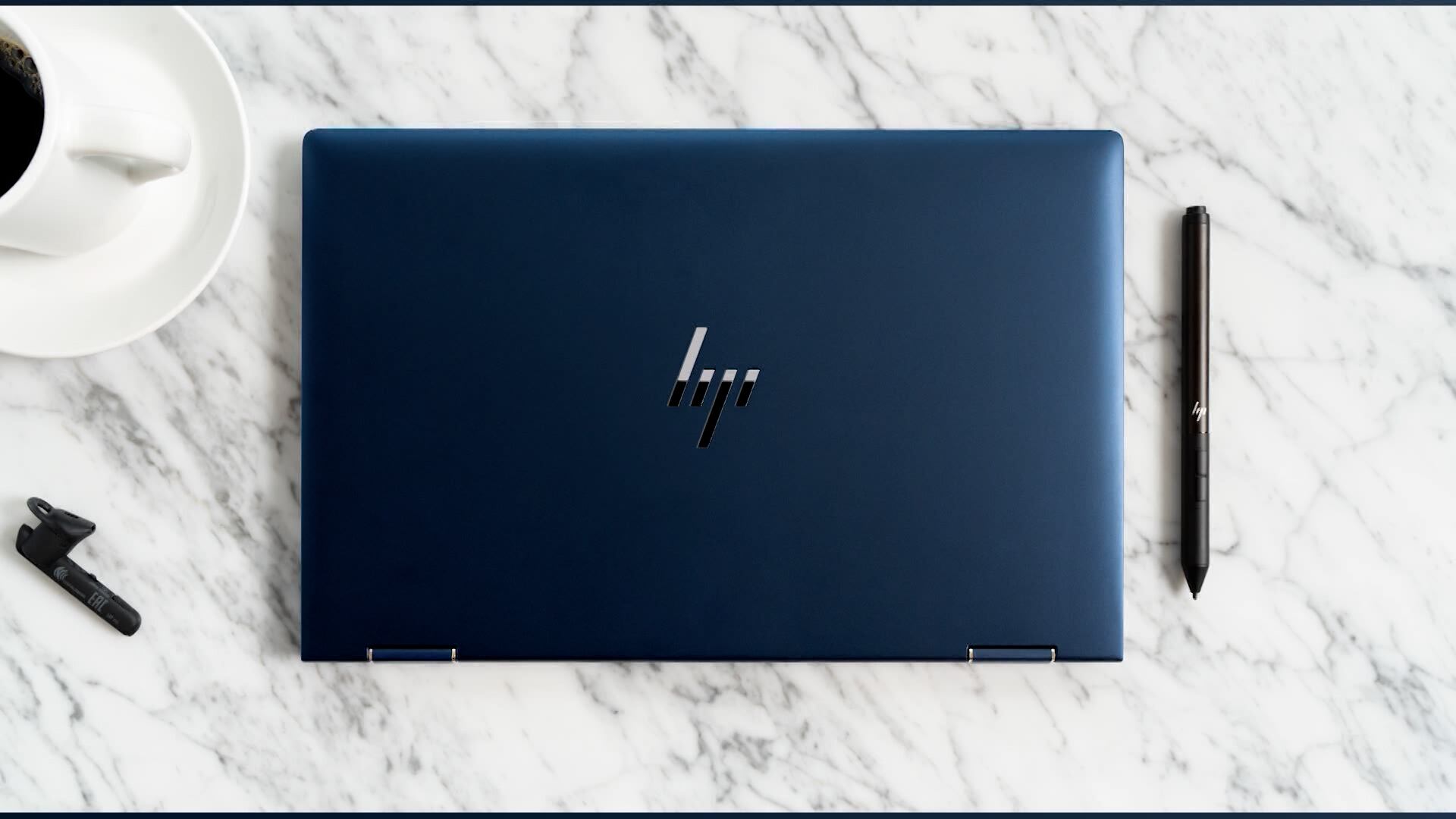
With the annual CES convention underway amid COVID, HP unveiled rolled out a number of new products virtually this year, including new gaming PCs and 4K display monitors. But as industries look toward a greener future, HP is working with the climate crisis in mind. James McCall, chief sustainability officer at HP, joined Cheddar's Kristen Scholer to discuss the company's climate goals, which includes reducing its carbon footprint to net-zero by 2040. He admitted that reaching the ambitious goal will be difficult because much of the company's emissions totals come from third parties. "A large part of our footprint is outside of HP's direct control. A lot of it comes either from our incoming supply chain, the materials, our manufacturing process, or about 30 to 40 percent of it comes from our consumer-use base," McCall told Cheddar.
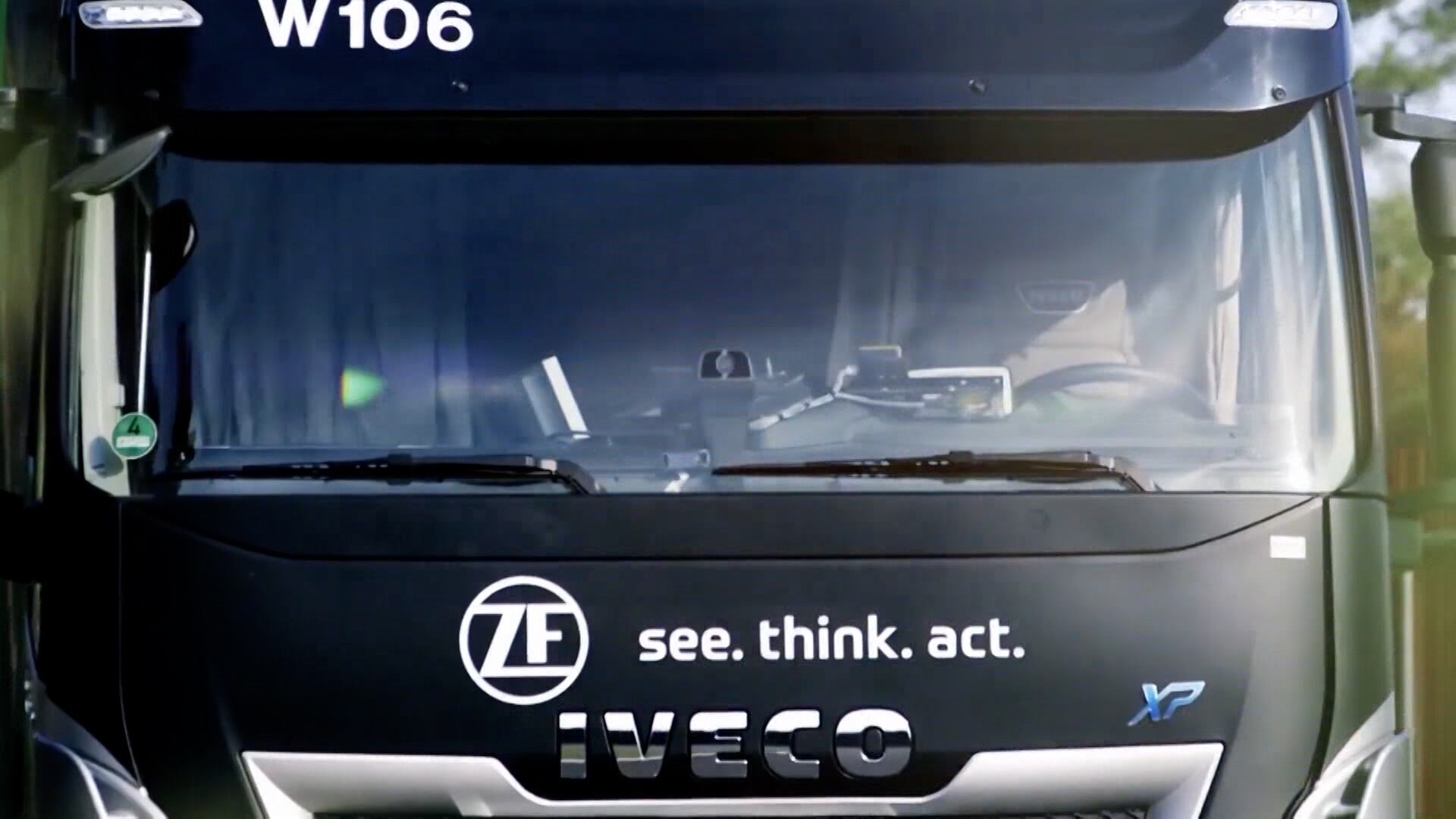
Martin Fischer, president of technology supplier for cars and commercial vehicles ZF North America, joined Cheddar to discuss the company's solutions for next-generation mobility in autonomous vehicles and its plans to usher in the next phase of electric vehicles. He also talked about the rising demand for self-driving technology on a global scale. "Whereas we are really active also there for passenger cars and commercial vehicles, what we showcase at CES now virtually is our autonomous shuttles," he said. "So, what that means is we bring these vehicles to busy city centers and can take traffic levels down."
Steve Patton, EY Americas Mobility Sector Leader, joins Cheddar News to discuss what can be done to speed up the adoption of EVs, and how infrastructure can be scaled up to support this transition.
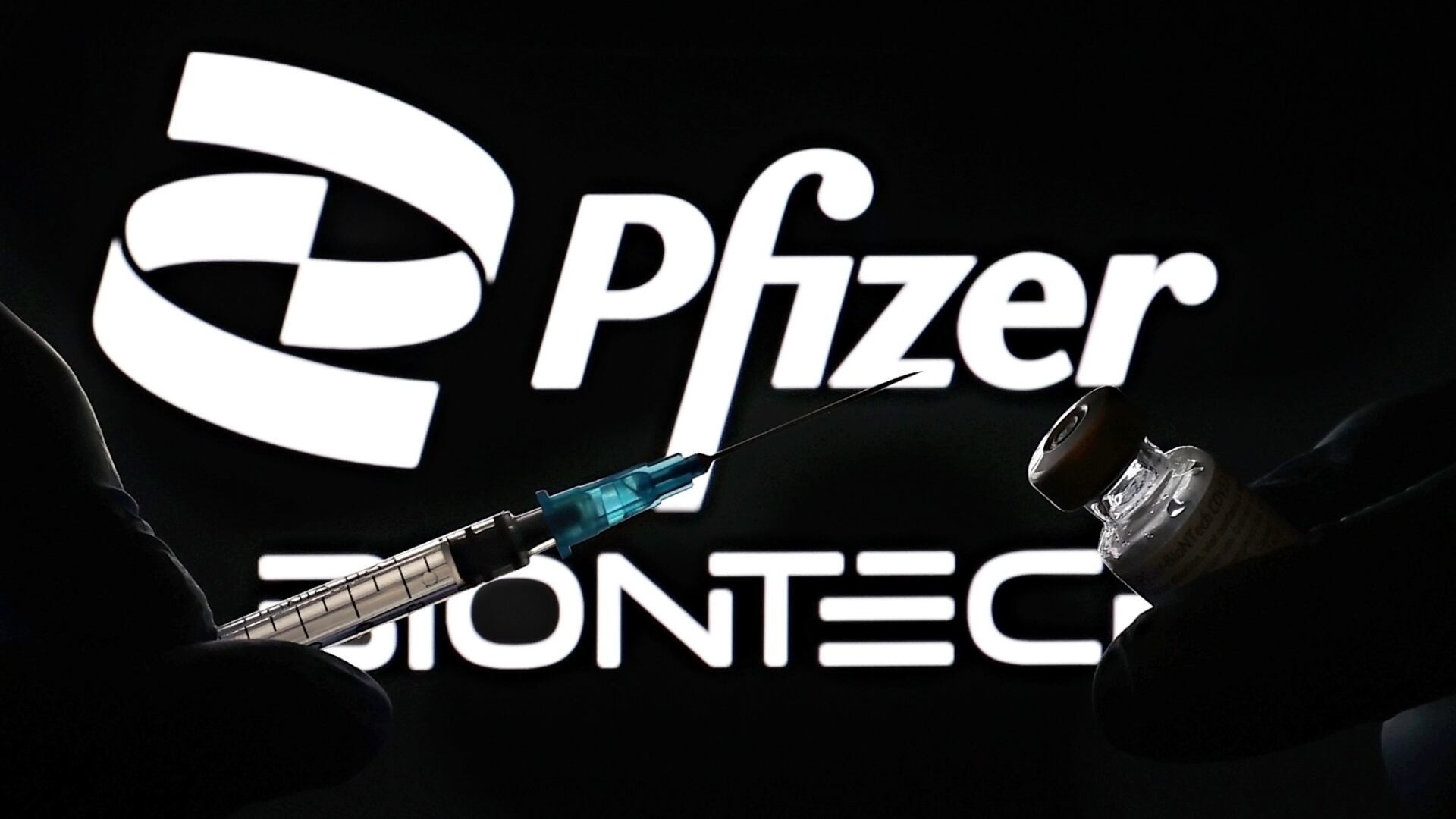
Pfizer and BioNTech are working to develop an mRNA-based shingles vaccine following the success of the COVID-19 shot. This latest collaboration will mark the third time the pharmaceutical companies have worked together on a vaccine.
SGH, formerly known as Smart Global Holdings, reported Q1 earnings after the bell on Tuesday. The holdings company reported solid net sales, up a whopping 60 percent from the same period last year, marking its seventh consecutive quarter of year-over-year revenue growth. SGH also announced a two-for-one share split in the form of a share dividend of one ordinary share for every one ordinary share owned. Mark Adams, CEO, SGH and Former President, Micron, joined Wake Up with Cheddar to discuss.